How to Set Up and Use the OpenClaw Browser Relay Extension
The OpenClaw Browser Relay is a lightweight Chrome extension that lets your AI agent interact with browser tabs through a local WebSocket connection using the Chrome DevTools Protocol. This guide covers installation from the Chrome Web Store, connecting the relay to your OpenClaw instance, choosing the right browser control mode, and persisting automation output in shared workspaces.


What the Browser Relay Extension Does
Most browser automation tools launch a separate browser instance. That works for scraping public pages, but it falls apart when you need to interact with a site where you are already logged in. The OpenClaw Browser Relay takes a different approach: it connects your AI agent to the Chrome browser you already have open, with all your sessions, cookies, and authentication intact.
The extension weighs about 18KB and runs entirely on your local machine. When active, it establishes a WebSocket connection between your OpenClaw instance and the Chrome tab you select. All communication travels over this local channel using the Chrome DevTools Protocol (CDP). No data leaves your machine, and no external servers are involved in the relay.
Through this connection, your OpenClaw agent can perform the same actions you would do manually: clicking buttons, typing into form fields, navigating between pages, reading page content, capturing screenshots, and extracting structured data from the DOM. The agent sees the page through accessibility snapshots and element references rather than raw pixels, which makes interactions more reliable than coordinate-based clicking for most workflows.
This is particularly useful for tasks on authenticated dashboards, single-page applications, and sites with complex JavaScript rendering. Instead of building a separate login flow and managing session tokens, the agent works inside the session you already established. You stay in control of which tabs the agent can access, and other tabs remain untouched.

Related guides
- How to Use Claude's Chrome Extension and Browser AgentClaude's Chrome extension turns your browser into an AI-controlled workspace where Claude can read pages, click...
- How to Access the Clay App: Chrome Extension and Web WorkspacesUnderstand the access paths for the Clay GTM app, including the web workspace at app.clay.com and the companion Chrome...
- How to Use OpenClaw with Playwright for Browser AutomationOpenClaw's Playwright integration turns AI agents into browser operators that can navigate pages, fill forms, extract...
- How to Use OpenClaw's Browser Tool for Web AutomationOpenClaw's browser tool gives AI agents direct control over Chromium browsers through three profile types, each with...
- How to Set Up OpenClaw with Google Gemini ModelsOpenClaw's Gemini integration connects your agent to Google's full model family, including Gemini 3.1 Pro for chat,...
- How to Set Up ClawHub for OpenClawClawHub is the public skill registry for OpenClaw, with over 13,000 community skills available. This guide walks...
More on this subject: OpenClaw Setup and Guides (199 guides)
How to Install the OpenClaw Browser Relay Extension
The fast way to install the browser relay is through the Chrome Web Store. Search for "OpenClaw Browser Relay" and you will find the extension published with over 90,000 users. The current version is 2026.2.26, and the total download is under 18KB.
The Chrome Web Store listing was published by an independent contributor who extracted the relay extension from the official OpenClaw package and uploaded it for one-click installation. The extension code is identical to the version bundled with OpenClaw itself. If you prefer not to install from the Web Store, you can use the version that ships with your OpenClaw installation directly.
Installing from the Official Package
The OpenClaw repository includes the relay extension source in its extensions directory on GitHub. If you already have OpenClaw installed, the relay extension is available locally as part of the package. To load it manually:
- Open Chrome and navigate to chrome://extensions
- Enable Developer Mode using the toggle in the upper-right corner
- Click "Load unpacked" and point to the browser relay extension folder from your OpenClaw installation
- Confirm the extension appears in your toolbar
Either installation method gives you the same extension. The Chrome Web Store version receives updates when the maintainer republishes from the official package, while the bundled version updates whenever you update OpenClaw itself.
Permissions
The extension requests minimal permissions. It uses the Chrome Debugger API to attach to individual tabs and establishes a local WebSocket listener for agent communication. The developer's privacy disclosure confirms that the extension collects no user data and shares nothing with third parties.
How to Connect the Relay to Your OpenClaw Agent
Once installed, connecting the extension to your OpenClaw agent takes three steps.
Step 1: Open the tab you want to automate. Navigate to the page your agent needs to interact with. Log in if the site requires authentication. The agent will work within this exact session, so make sure you are on the right page and signed into the right account.
Step 2: Attach the extension to the tab. Click the OpenClaw Browser Relay icon in your Chrome toolbar. The popup shows a connection interface where you enter your agent's address. For a local OpenClaw instance, this is typically your localhost address. Click "Connect" and the icon changes color to indicate an active connection. The extension is now attached to your current tab and ready to relay commands.
Step 3: Tell your agent to use Browser Relay. In your OpenClaw session, instruct the agent to interact with the attached browser tab. The agent communicates with the extension through the local WebSocket relay, sending CDP commands that the extension executes against the attached tab.
The critical detail that trips up most new users: the extension only controls tabs you explicitly attach. If you switch to a different tab and want the agent to work there instead, you need to re-attach the extension to the new tab. This is a security feature, not a limitation. It prevents the agent from accessing tabs you did not intend to share.
Keep the attached tab open throughout the automation session. If you close the tab or navigate away from the page, the extension loses its connection and the agent will not be able to complete pending actions.



Persist your browser automation output across sessions
Upload scraped data, extracted reports, and automation results to a shared workspace. generous storage, Intelligence Mode indexing, and MCP access for your OpenClaw agents.
Extension Relay vs. Managed Browser vs. Remote CDP
The browser relay extension is one of three ways OpenClaw can control a browser. Each mode fits different use cases, and understanding the tradeoffs helps you pick the right one.
Extension Relay connects to your existing Chrome browser through the installed extension. This is the right choice when your automation needs access to authenticated sessions, existing cookies, or sites that block headless browsers. Because the agent works inside your real browser, it sees the same content you see, including personalized dashboards, logged-in states, and session-specific data. The downside: it occupies your browser, so you need to avoid disrupting the attached tab while the agent works.
Managed Browser launches a separate, isolated Chromium instance that OpenClaw controls directly. This mode is better for scraping public content, running automated tests, or processing forms where you do not need an existing login session. Each managed browser profile gets its own user data directory, so multiple agents can run in parallel without interfering with each other. The tradeoff is that you start with a clean browser, no saved passwords, no cookies, no extensions.
Remote CDP connects to a Chromium browser running on a different machine or in the cloud. This scales browser automation across multiple servers and supports distributed workflows. Remote mode accepts HTTPS connections with authentication tokens and configurable timeout settings. It is the right fit for production deployments where you need dozens or hundreds of concurrent browser sessions.
Choosing the Right Mode
For interactive workflows on authenticated sites (managing a CMS, monitoring a dashboard, filling forms on a portal), start with Extension Relay. For batch processing or scraping where authentication is not required, Managed Browser is simpler and does not interfere with your personal browsing. For production automation at scale, Remote CDP provides the infrastructure flexibility you need.
Most users start with Extension Relay because it requires the least setup and gives the agent immediate access to real-world browser sessions. The other modes become relevant as your automation needs grow beyond single-machine, single-session workflows.
Persisting Browser Automation Output in Shared Workspaces
Browser automation produces output: scraped datasets, filled form confirmations, extracted product listings, captured screenshots, downloaded reports. That output needs to live somewhere accessible after the automation session ends.
Local files work for personal use. Write the output to a project directory and you can access it immediately. But this breaks down when a second agent needs the same data, when you want to hand results to a colleague, or when you need to search across outputs from multiple automation runs.
Cloud object storage like S3 or Google Cloud Storage handles multi-agent access but requires IAM configuration, bucket policies, and custom tooling for browsing the stored files. For teams without dedicated DevOps support, the setup overhead often exceeds the value.
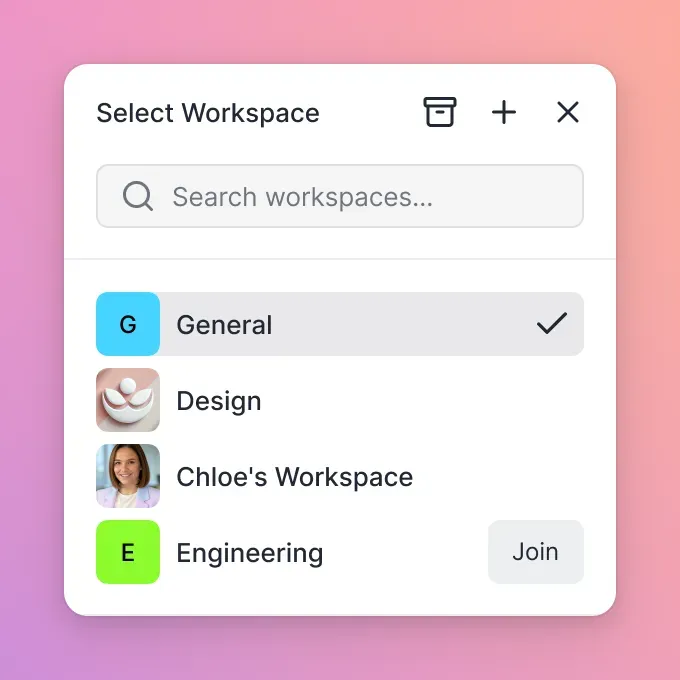
Fastio workspaces provide a middle ground built for agent-to-human handoff. Your OpenClaw agent can upload automation output to a shared workspace using the Fastio MCP server or API. From there, any team member with workspace access can browse, preview, and download the files through a normal web interface.
With Intelligence Mode enabled on the workspace, uploaded files are automatically indexed for semantic search and RAG-powered question answering. If your agent scraped 50 product pages and saved the data as JSON files, you can ask "Which products are priced under $100?" and get an answer with citations pointing to specific files. No separate database or search infrastructure required.
For client-facing automation, ownership transfer lets an agent build and populate a workspace, then hand it to a client or stakeholder. The recipient gets full access to browse and download the results. The agent retains admin access for maintenance or future updates.
Fastio offers a 14-day Business Trial (card required; see /pricing/). That provides full workspace access for browser automation workflows, and the MCP server provides programmatic access from any LLM-powered agent, not just OpenClaw.
Troubleshooting Common Relay Issues
Most browser relay problems fall into a few categories. Here are the issues users hit most often and how to resolve them.
Extension Not Connecting
If the extension icon stays grey after clicking "Connect," check that your OpenClaw instance is actually running. The relay needs an active OpenClaw process listening on the local WebSocket endpoint. Restart your OpenClaw instance and try connecting again. Also verify that no firewall or security software is blocking local WebSocket connections on your machine.
"No Tab Connected" Errors
This is the most common issue new users encounter. The extension must be explicitly attached to a tab before the agent can interact with it. If you see "no tab connected" errors, click the extension icon on the tab you want to automate and confirm the attachment. Navigating to a new page within the same tab usually preserves the connection, but opening a new tab does not.
Authentication Walls
When the agent encounters a login page it was not expecting, stop the automation and handle authentication manually. The browser relay is designed to work with sessions you have already established. Sign in to the site yourself, confirm you are on the authenticated page, then re-attach the extension and resume the agent.
Tab Becoming Unresponsive
Heavy JavaScript pages sometimes cause the relay connection to stall. If the agent reports timeouts or the tab stops responding to commands, try refreshing the page and re-attaching the extension. For pages that consistently cause problems, check whether the site actively blocks debugging tools or Chrome extensions.
Extension Conflicts
Other Chrome extensions that modify page content (ad blockers, privacy tools, developer overlays) can occasionally interfere with the relay's ability to read or interact with page elements. If you experience unexpected behavior, try disabling other extensions temporarily to isolate the issue. Running the relay in a dedicated Chrome profile with minimal extensions is a reliable workaround for persistent conflicts.
Sources
References used to verify factual claims in this guide.
-
90,000+ Chrome Web Store users, version 2026.2.26, extension size 17.99 KiB All relay communication happens locally via WebSocket with no data sent to any external server
-
Extension uses Chrome DevTools Protocol for browser automation through local WebSocket relay Three browser control modes - Extension Relay, Managed Browser, and Remote CDP
-
Extension Relay supports Chromium-based browsers including Chrome, Edge, Brave, and Arc
Frequently Asked Questions
What does the OpenClaw browser relay extension do?
The OpenClaw Browser Relay is a Chrome extension that connects your OpenClaw AI agent to your browser tabs through a local WebSocket connection using the Chrome DevTools Protocol. It lets the agent click buttons, type text, navigate pages, fill forms, capture screenshots, and extract data from web pages you have open, all while preserving your existing login sessions and cookies. The extension is about 18KB and runs entirely locally with no external data collection.
How do I install the OpenClaw browser extension?
You can install it from the Chrome Web Store by searching for "OpenClaw Browser Relay." The listing has over 90,000 users and installs in one click. Alternatively, the extension is bundled with the official OpenClaw package. To load it manually, open chrome://extensions, enable Developer Mode, click "Load unpacked," and select the browser relay extension folder from your OpenClaw installation directory.
Is the OpenClaw browser relay safe to use?
The extension communicates entirely over a local WebSocket connection. No data is sent to external servers. The developer's Chrome Web Store privacy disclosure confirms zero data collection and zero third-party sharing. The relay only accesses tabs you explicitly attach, so your other browser tabs remain private. For additional security, bind the relay to localhost and avoid exposing the WebSocket port to other machines on your network.
How does OpenClaw control the browser through the extension?
The extension uses Chrome's Debugger API to attach to a tab and relay Chrome DevTools Protocol commands between your OpenClaw agent and the browser. When the agent wants to click a button, it sends a CDP command through the local WebSocket to the extension, which executes it against the attached tab. The agent reads page state through accessibility snapshots and DOM queries rather than raw pixel analysis, making interactions reliable across different page layouts and screen sizes.
Can I use the browser relay with Edge, Brave, or other browsers?
The extension works with Chromium-based browsers including Google Chrome, Microsoft Edge, Brave, and Arc. Any browser that supports Chrome extensions and the Chrome DevTools Protocol is compatible. Firefox is not currently supported. For non-Chrome browsers, load the extension through the browser's extension management page using Developer Mode and the "Load unpacked" option.
What is the difference between Extension Relay and Managed Browser mode?
Extension Relay connects to your existing browser with all your sessions, cookies, and logged-in accounts intact. Managed Browser launches a separate, clean Chromium instance with no saved state. Use Extension Relay when you need to automate tasks on authenticated sites like dashboards or portals. Use Managed Browser for scraping public content, running tests, or batch processing where you do not need an existing login session.
Related Resources

Persist your browser automation output across sessions
Upload scraped data, extracted reports, and automation results to a shared workspace. generous storage, Intelligence Mode indexing, and MCP access for your OpenClaw agents.