Top OpenClaw Skills for AI Lesson Plan and Teaching Material Generation
Teachers who use AI tools weekly save an average of 5.9 hours per week, yet most AI lesson plan generators produce flat outlines without structure or differentiation. OpenClaw skills fill that gap by generating lesson plans with learning objectives, warm-up activities, guided practice, independent work, exit tickets, and differentiation strategies built in.


Why Flat AI Lesson Plans Fail Teachers
A 2024 Gallup and Walton Family Foundation survey found that teachers who use AI tools at least weekly save an average of 5.9 hours per week, roughly six full weeks over a school year. That number sounds impressive until you look at what most AI lesson plan generators actually produce: a topic sentence, three bullet points, and a closing activity. No warm-up. No differentiation. No exit ticket. No alignment to standards.
The problem is structural. Generic AI tools treat lesson planning as a summarization task. You type "8th grade American History, Montgomery Bus Boycott" and get a paragraph of content with a few discussion questions appended. That is not a lesson plan. A lesson plan is a sequenced instructional document with time allocations, scaffolding for struggling learners, extensions for advanced students, and formative assessment checkpoints.
OpenClaw approaches this differently. Because OpenClaw agents use modular skills, each skill can enforce a specific output structure. A lesson plan skill does not just generate text about a topic. It generates a document with seven or more discrete components: learning objectives, warm-up activity, direct instruction notes, guided practice, independent activity, exit ticket, and differentiation suggestions. The structure is baked into the skill, not left to the whims of a prompt.
The practical difference matters. A teacher using a generic AI tool still needs to restructure the output into something usable. A teacher using the right OpenClaw skill gets a document they can print and teach from.
Related guides
- How to Use Claude Code Skills in ClineAccording to GitHub's Octoverse 2024 report, the number of developers building with generative AI on the platform...
- How to Use Cline Plan Mode EffectivelyCline Plan mode is read-only by design. Official docs separate thinking from doing, with three task-size paths and...
- Best OpenClaw Skills for AI Study Guide and Flashcard GenerationOpenClaw's skill registry includes dedicated tools that turn lecture notes and textbook PDFs into structured Anki...
- How to Use OpenClaw for Education: Top 7 Skills for EducatorsThe top OpenClaw skills for educators help create personalized lessons and handle admin tasks. By using these...
- Best OpenClaw Skills for AI Quiz and Exam Question GenerationHigher education instructors already use AI for assessments at a meaningful rate, but most tools are standalone SaaS...
- Best OpenClaw Skills for AI Automated Test Case GenerationSoftware quality issues cost the US economy $2.41 trillion in 2022, according to the Consortium for Information and...
More on this subject: OpenClaw Skills (109 guides)
1. Lesson Planning and Curriculum Development
The core education use case for OpenClaw is structured lesson plan generation. When you describe a learning objective to an OpenClaw agent with the right skill configuration, it produces a complete instructional plan rather than a content summary.
A typical output for a 45-minute 8th Grade American History lesson on the Montgomery Bus Boycott includes:
- Learning objectives tied to specific standards
- A 5-minute warm-up activity that activates prior knowledge
- Direct instruction notes with key vocabulary and talking points
- Guided practice with scaffolded questions
- An independent activity where students apply the concept
- An exit ticket for formative assessment
- Differentiation suggestions for both struggling and advanced learners
This structure reflects how experienced teachers actually plan. The warm-up connects to yesterday's lesson. The guided practice builds toward independence. The exit ticket tells you whether students got it before they leave the room.
You can customize the output by specifying grade level, subject, time block length, and standards framework. Ask for a 90-minute block schedule plan and the agent adjusts pacing, adds a second practice round, and expands the independent work section. Ask for Common Core alignment and it maps each objective to the relevant standard code.
Where to start: Describe your lesson goal in natural language. Include the grade level, subject, time available, and any standards you need to hit. The agent handles the structural scaffolding.
2. Differentiated Materials Creation
Differentiation is one of the most time-consuming parts of teaching. Taking a single lesson and producing three versions (simplified for struggling learners, on-level, and extended for advanced students) can double or triple prep time. OpenClaw skills handle this by transforming a single content piece into multiple reading levels with appropriately calibrated comprehension questions.
The practical workflow looks like this: you give the agent a reading passage or lesson content, specify the target grade band, and ask for differentiated versions. The agent produces:
- A simplified version with shorter sentences, defined vocabulary, and guided comprehension questions
- An on-level version matching grade-appropriate complexity
- An extended version with higher-order thinking questions and additional primary source connections
Each version preserves the same core content and learning objectives. The scaffolding changes, not the substance. This matters because differentiated groups in the same classroom need to participate in the same discussion afterward.
For teachers working with English Language Learners, the agent can also produce versions with simplified syntax and embedded vocabulary definitions without dumbing down the content. A 7th grade science passage about photosynthesis keeps the scientific terminology but wraps it in clearer sentence structures.
Pair this with the Brave Search skill (covered below) and the agent can pull current articles on your topic, then differentiate those real-world sources rather than generating content from scratch. Students read actual journalism, just at their reading level.



Store Every Lesson Plan Your Agents Create
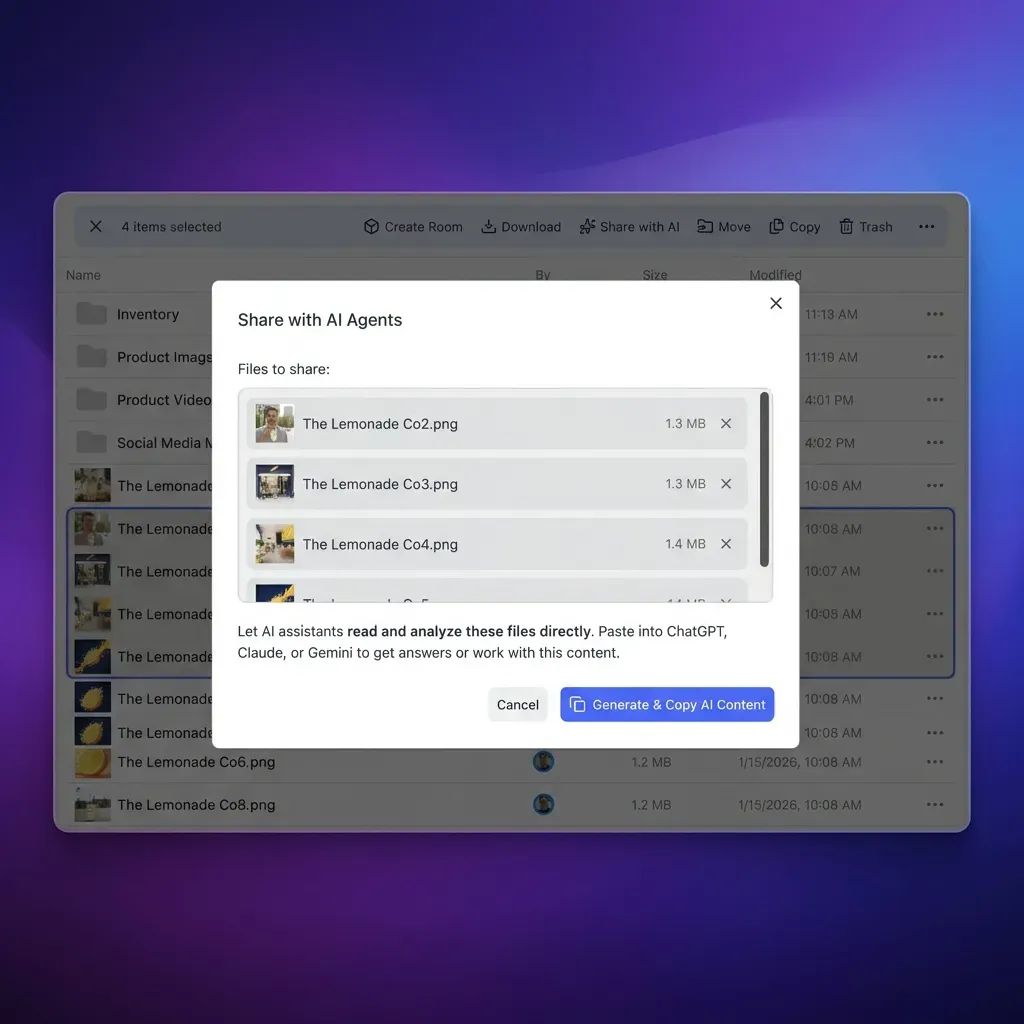
Give your OpenClaw agents scalable, searchable storage for lesson plans, assessments, and differentiated materials. Intelligence Mode indexes everything once enabled so you can search by meaning, not filename.
3. Assessment Design and Rubric Generation
Writing good assessments takes longer than most non-teachers realize. A well-designed unit test combines multiple question formats, aligns each item to a specific learning objective, and includes an answer key with scoring guidance. OpenClaw skills can generate multi-format assessments that combine multiple choice, short answer, application problems, and extension questions, each mapped to the standards you specify.
The rubric generation capability is equally useful. Provide an assignment description and the standards it targets, and the agent outputs a complete rubric with descriptors across four performance levels. For a persuasive essay, that means specific criteria for thesis clarity, evidence quality, counterargument handling, and conventions, with concrete descriptions of what "proficient" versus "developing" looks like for each criterion.
Beyond tests and rubrics, OpenClaw can produce feedback comment banks for common assignment types. Instead of writing the same margin notes on thirty essays, you build a library of specific, constructive comments organized by rubric criterion. The agent drafts comments like "Your thesis states a clear position, but the second body paragraph introduces a new claim without connecting it back to your main argument" rather than generic "needs improvement" notes.
Assessment workflow:
- Specify the unit, standards, and question format preferences
- The agent generates the assessment with an answer key
- Review and adjust difficulty levels or question wording
- Export to your preferred format (Google Docs, PDF, or your LMS)
4. Research and Reading Guide Skills
Two ClawHub skills stand out for the research and resource-gathering side of lesson preparation.
Brave Search by steipete provides web search and content extraction via the Brave Search API. It performs headless searches with customizable result counts and optional full-page content extraction as markdown. For educators, this means tasking the agent with "Find five peer-reviewed studies on climate migration published after 2024 and return a formatted reading list with titles, URLs, abstracts, and citation-ready references." The agent returns annotated results rather than a list of links.
This skill handles the research layer that feeds into lesson planning. Instead of spending an hour browsing library databases, you describe what you need and get a curated packet. The agent can also generate annotated bibliographies with source summaries, making it useful for building course reading lists or compiling professional development resources.
Canvas LMS (listed as canvas-lms on ClawHub) connects OpenClaw to Instructure's Canvas platform, giving the agent access to course data, assignments, and student submissions. For teachers already using Canvas, this means the agent can pull existing assignment structures, check due dates, and reference course materials when generating new lesson plans. The lesson plan stays consistent with what students have already been assigned.
Both skills work best when combined with a storage layer. Research results and reading guides need to live somewhere persistent and searchable, which is where a workspace tool like Fastio fits: the agent saves its output to a shared workspace, and you (or other agents) can retrieve it later without re-running the search.
5. File Organization and Communication Skills
Lesson plans and teaching materials are only useful if you can find them later. Two additional ClawHub skills handle the organizational and communication sides of teaching workflows.
Filesystem Management by gtrusler provides batch file operations, pattern-based searching, and directory analysis. In an education context, this skill lets the agent sort student submissions by class period, rename files consistently, deduplicate downloads, and build organized folder structures for each unit. When grading, the agent can hand you a clean folder of papers to review rather than a jumbled downloads directory.
For teachers generating multiple lesson plans and differentiated materials per week, filesystem organization prevents the common problem of having three versions of "Unit 4 Lesson 3" scattered across your desktop, downloads folder, and Google Drive. The agent enforces naming conventions and filing rules automatically.
AgentMail by adboio handles email-based workflows. It lets the agent draft weekly parent newsletters using your class notes, prepare parent-teacher conference scheduling emails, and triage incoming messages by priority. The agent drafts the communication; you review and send. This is useful for the lesson planning workflow because a finished lesson plan often triggers downstream communication: homework announcements, permission slip reminders, or reading assignment notifications.
Gog by steipete provides a Google Workspace CLI covering Gmail, Calendar, Drive, Sheets, and Docs. For educators already in the Google ecosystem, this skill lets the agent sync lesson plans to shared Google Drive folders, update grade trackers in Sheets, and check Calendar for schedule conflicts when planning activities.
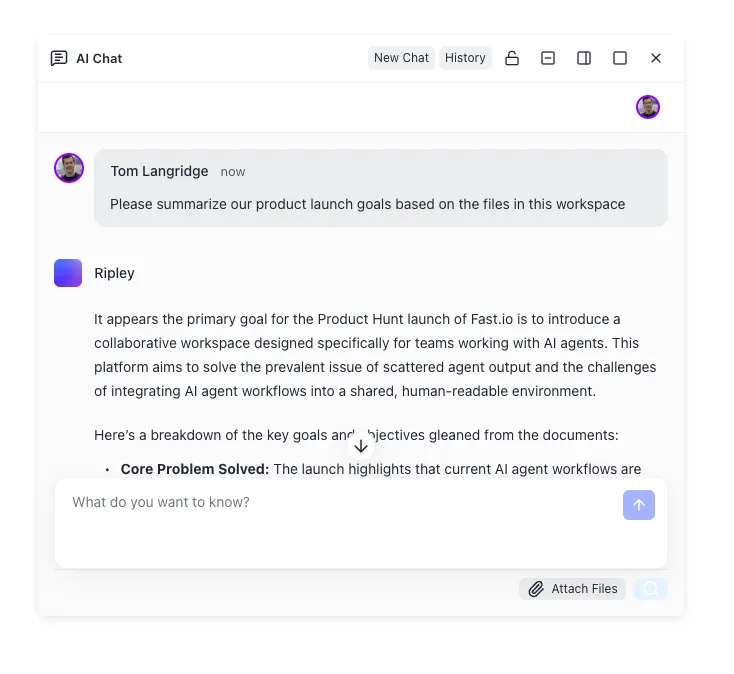
Store your finished lesson plans and materials in a Fastio workspace with Intelligence Mode enabled, and the agent can search across all your saved plans by meaning rather than filename. Ask "Which lesson plans covered persuasive writing this year?" and get cited results from your own archive.
Choosing Skills for Your Teaching Workflow
The right combination depends on where you spend the most prep time. Here is a decision framework based on common teaching bottlenecks:
If lesson planning takes too long: Start with the core lesson planning capability. Configure your agent with your grade level, subject, and standards framework as defaults so every plan comes out aligned without you specifying it each time.
If differentiation is the bottleneck: Add differentiated materials generation to your workflow. One lesson, three versions, in the time it used to take to write one.
If finding current resources is slow: Install Brave Search. Let the agent do the database browsing and return curated results ready for classroom use.
If file chaos is the real problem: Filesystem Management first. You cannot build on lesson planning automation if you cannot find last week's plans.
If you live in Google Workspace: Gog connects everything. Lesson plans flow to Drive, due dates to Calendar, grades to Sheets.
Privacy matters when working with student data. OpenClaw runs locally or on your chosen infrastructure, which means student information does not leave your control by default. For tasks involving grades, IEPs, or other sensitive records, use local models or enterprise APIs with zero-retention policies. For general lesson planning and resource gathering, standard cloud models work fine since you are generating instructional content, not processing student records.
Fastio plans starting with Starter at $9.99/mo (or a 14-day Business Trial requiring a credit card) provide scalable cloud storage and usage-based credits. That is enough to store an entire year of lesson plans, differentiated materials, and assessment banks while keeping everything searchable once Intelligence is enabled for your workspace.
Sources
References used to verify factual claims in this guide.
-
Teachers who use AI tools at least weekly save an average of 5.9 hours per week 85% of teachers used AI during the 2024-25 school year
-
OpenClaw generates structured lesson plans with learning objectives, warm-up activities, direct instruction, guided practice, independent activity, exit tickets, and differentiation suggestions
-
Fastio provides tiered cloud storage plans with usage-based credits and a 14-day Business Trial
Frequently Asked Questions
Can OpenClaw create lesson plans for teachers?
Yes. OpenClaw agents generate structured lesson plans with learning objectives, warm-up activities, direct instruction, guided practice, independent work, exit tickets, and differentiation strategies. You specify the grade level, subject, time block, and standards framework, and the agent produces a document you can teach from directly.
What OpenClaw skills help with teaching materials?
The core skills for teaching materials include lesson planning and curriculum development (structured plans), differentiated materials creation (multiple reading levels from one source), assessment design (tests and rubrics), Brave Search (current resource gathering), Canvas LMS (LMS integration), Filesystem Management (file organization), and Gog (Google Workspace sync).
How do you use OpenClaw for education?
Install OpenClaw, add education-relevant skills from ClawHub, and give the agent natural language instructions like 'Create a 45-minute 8th grade history lesson on the Montgomery Bus Boycott with differentiation for ELL students.' The agent generates structured output that you review and adjust before using in class.
How much time do AI lesson planning tools save teachers?
A 2024 Gallup and Walton Family Foundation survey found that teachers using AI tools weekly save an average of 5.9 hours per week. That adds up to roughly six full weeks over a school year, with lesson planning and material generation being the top time-saving applications.
Are OpenClaw skills safe for handling student data?
OpenClaw is open-source and self-hosted, so student data stays on your infrastructure. For tasks involving grades or sensitive records, use local models or zero-retention API policies. For general lesson planning that does not process student information, standard cloud models are appropriate.
Related Resources

Store Every Lesson Plan Your Agents Create
Give your OpenClaw agents scalable, searchable storage for lesson plans, assessments, and differentiated materials. Intelligence Mode indexes everything once enabled so you can search by meaning, not filename.