How to Create a Product Marketing Launch Workspace
Product marketing launch workspaces collect campaign files in one place to speed up rollouts. Folders organize social graphics, video ads, landing pages, sales decks, and press kits. Track who's viewing files, comment on assets directly, and share securely with partners. This prevents version confusion and keeps schedules on track.
What Is a Product Marketing Launch Workspace?
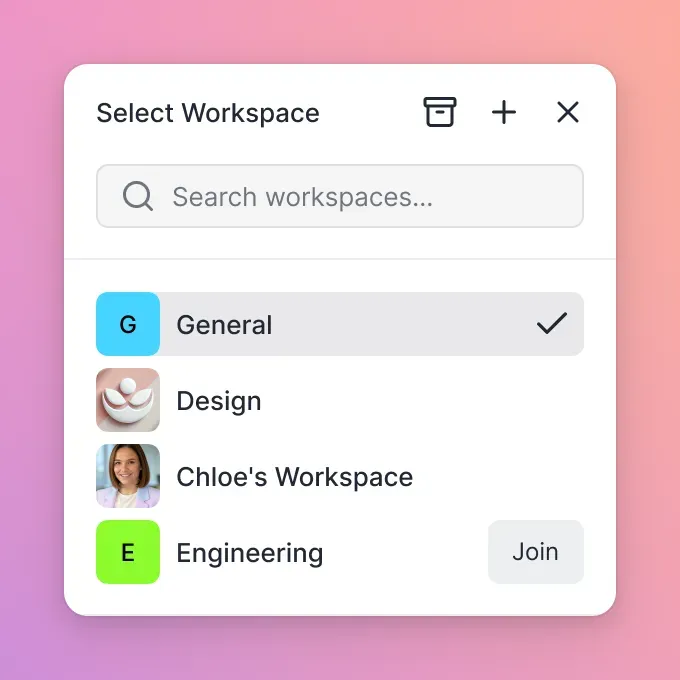
A product marketing launch workspace is a shared folder environment where all campaign assets live during a product rollout — social graphics, video ads, email templates, landing page designs, sales decks, press kits, timelines, briefs, and approval trackers in one place.
The alternative (email attachments, Google Drive folders, Slack threads, local copies) creates the exact conditions that slow launches down: people working from different versions, no clear record of who approved what, designers getting feedback through five different channels on the same file. A workspace with a clear folder structure, per-role permissions, and presence indicators removes most of that friction.
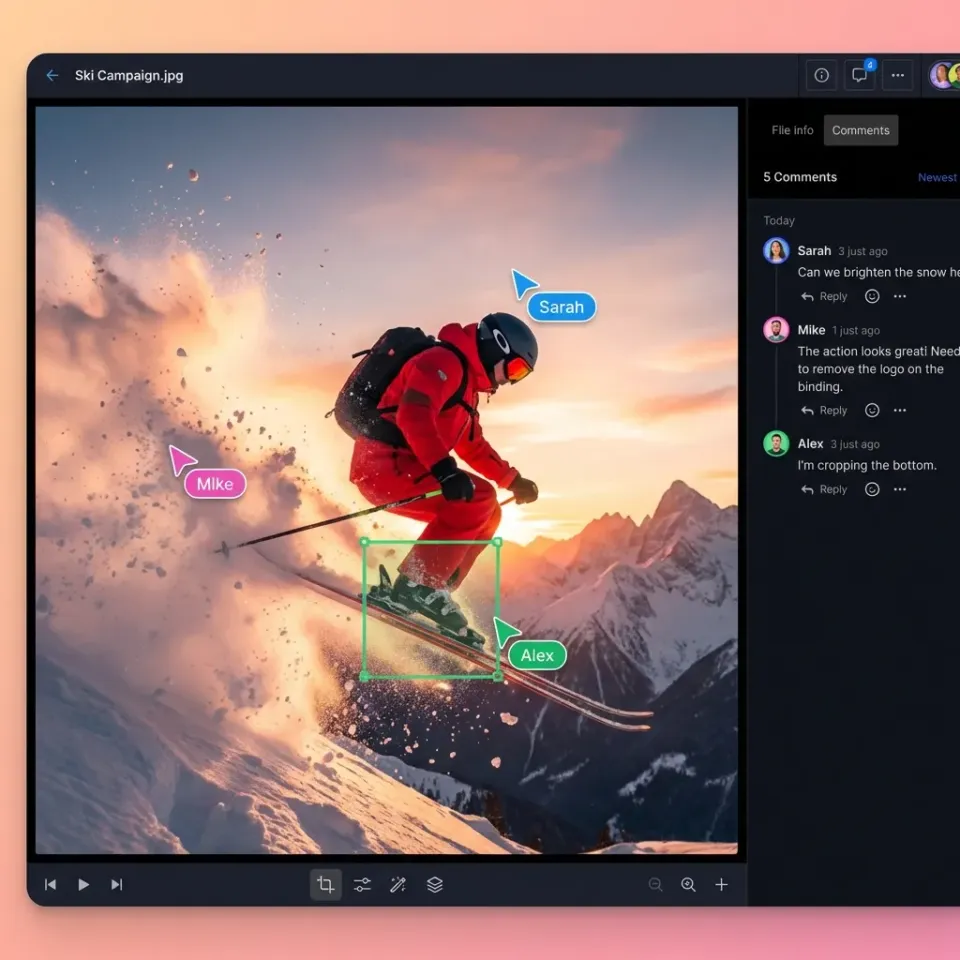
In practice: a marketing manager creates the workspace, invites creatives with editor access, uploads brand guidelines, and sets notifications. Designers upload drafts into /Creatives/Drafts. Marketers comment on specifics without downloading. Execs approve from a read-only view. Fastio keeps files company-owned, supports unlimited users, and previews PSDs, AI files, and videos in the browser.
See also: Fastio Workspaces, Fastio Collaboration, Fastio for Marketing.
Why Product Launches Fail Without Good Asset Management
Messy files delay most product launches. Teams hunt for the latest banner or slide deck right before deadlines.
Assets scattered across email, Google Drive, Slack, and local folders get lost or duplicated.
CB Insights reviewed multiple+ startup post-mortems. Poor coordination drove multiple% of failures, often from file issues. This results in wrong creatives, outdated press materials, unapproved decks, lost trust, and wasted money.
A central workspace fixes these. Version history tracks changes, comments go to exact spots, logs show who did what.
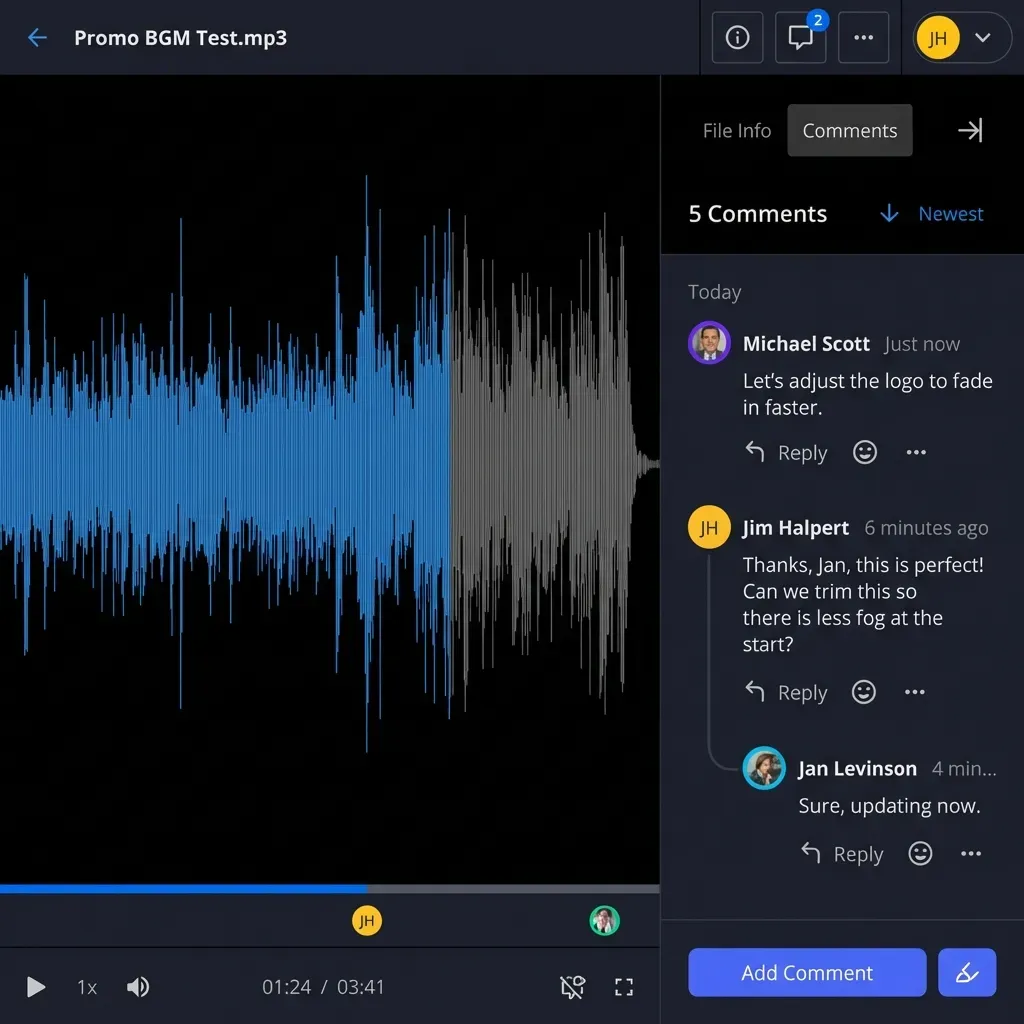
For a video tweak, pin a comment to the frame. Marketers review live and approve without email chains. Saves time, avoids costly redos.
Checklist for building an effective launch workspace
These are the setup decisions that matter before you start adding assets:
Folder structure: /Planning (timelines, briefs), /Creatives/Drafts (graphics, videos), /Reviews (feedback), /Finals (approved), /Sales (decks), /Press (kits). The goal is that any team member can find the right version in under a minute without asking anyone.
Permissions: Marketers get full access, designers get editor rights, reviewers get comment-only, execs get view access. Scope folder access by role — PR doesn't need to see sales decks, and vice versa.
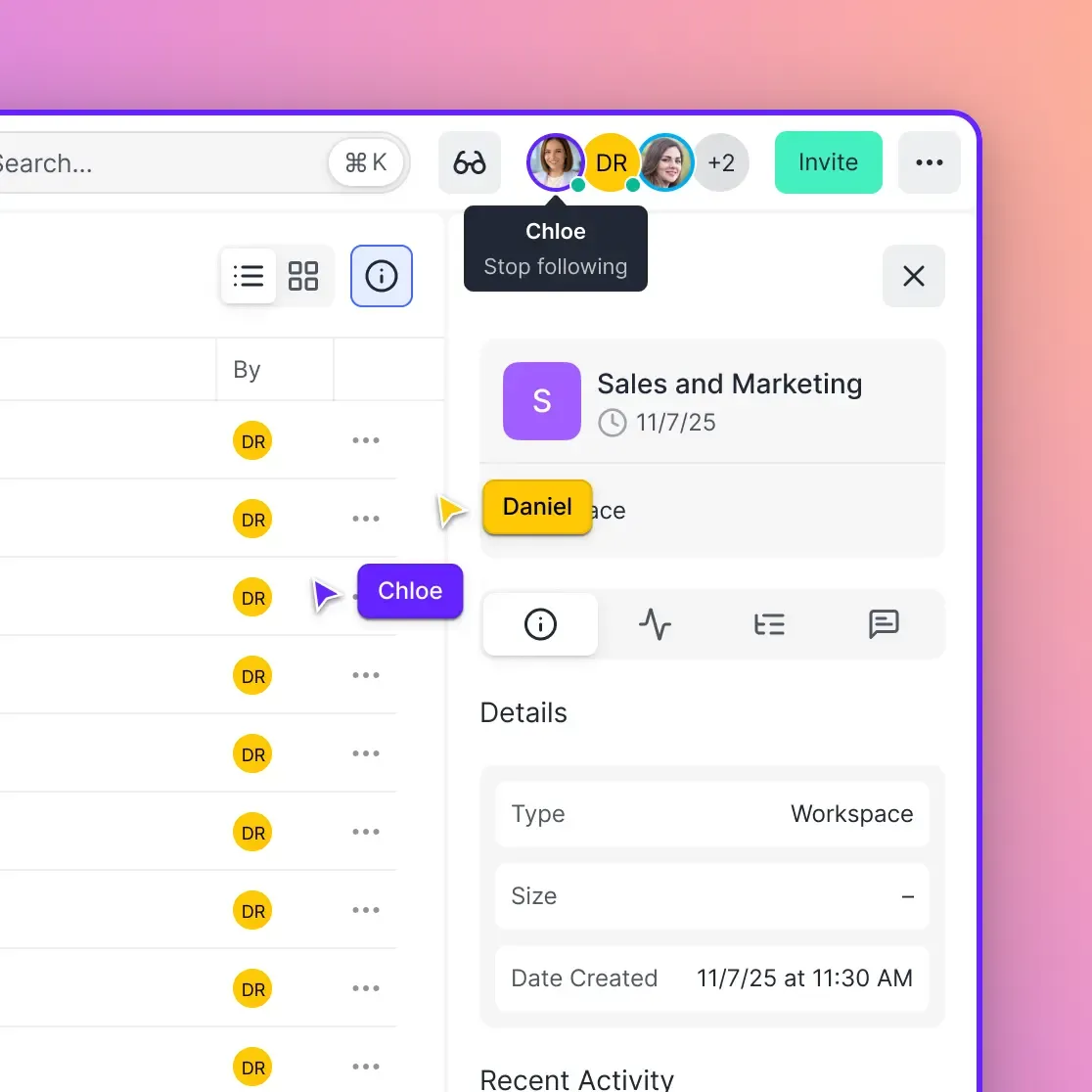
Real-time collaboration: Live presence shows who's in a file. Follow mode syncs views for walkthroughs. Pin comments to specific video timestamps or image areas rather than leaving general notes.
Secure external shares: Branded links with passwords, expiry dates, domain restrictions, and view-only mode. Track how long partners spend on each asset.
Activity logs: Every view, edit, download, and change is logged with a timestamp and user. Useful both for compliance and for answering "who approved the old version?"
In-browser previews: HLS video streaming, PSD layer views, PDF page previews. Reviewers don't need to download anything.
Automations: Webhooks for upload alerts, Intelligence Mode for searching across all assets in natural language.
This setup works for internal teams, but also holds up when agencies or external partners are involved.


Launch Your Next Campaign Without Delays
Get a free workspace with unlimited users, live collaboration, and secure sharing. Start now. Built for product marketing launch workspace workflows.
Step-by-step setup for launch asset management
Step 1: Create the workspace. Name it something datable and searchable, like "Q1-WidgetPro-Launch-Assets-2026". Organization-owned so files persist if team members change.
Step 2: Invite the team. Marketing leads get owner access, creative gets editor access, sales and PR get reviewer access. Enable SSO if your org uses it.
Step 3: Set up folders. /Brand-Guidelines, /Social-Graphics, /Video-Ads, /Email-Templates, /Landing-Pages, /Sales-Decks, /Press-Kits. Apply tags (draft, review, final, high-priority) from day one — retrofitting tags mid-campaign is tedious.
Step 4: Upload initial assets. Videos stream via HLS, graphics preview in the browser without downloading.
Step 5: Run a test collaboration. Do a mock review: follow mode to sync cursors, pin a comment to a specific video timestamp, check presence indicators are visible to everyone.
Step 6: Set up partner shares. Create branded view-only links with passwords and expiry dates for any external stakeholders. Check engagement analytics are tracking.
Step 7: Set a log review cadence. Weekly during the lead-up to launch, then archive the workspace post-launch for reference.
Speed up team reviews and approvals
Review cycles in marketing tend to stretch because feedback is imprecise. "Make it more exciting" takes three more rounds. "Shorten the headline at 0:14 to under six words" does not.
Pinned comments anchored to video timestamps, specific image areas, or PDF page numbers make feedback actionable without a meeting. Follow mode lets a reviewer sync their view to a designer's cursor for a live walkthrough. Activity logs track every view and comment, which resolves the common dispute about whether a stakeholder actually reviewed a file before approving it.
Teams that move to this workflow typically cut per-asset feedback rounds significantly compared to email-based review, mostly because reviewers stop leaving duplicate comments and stakeholders stop claiming they "never saw that version."
A SaaS launch team that shifted from email-based reviews to pinned in-file comments cut their average feedback round from 4 days to under 18 hours. The main constraint: reviews slow down when more than two approvers are assigned to the same asset — keep it to one content owner and one final sign-off, and route specialist input (legal, brand) as comments rather than formal approval gates. Teams that track revision rounds per asset identify which asset types consistently require the most rework, which helps brief the creative team more precisely on the next campaign.
Secure product launch file sharing with stakeholders
For external sharing, branded portals with your logo and colors look intentional rather than like a generic cloud link. Show PR only the Press-Kit folder, show sales reps only the Sales-Decks folder. Each group gets a scoped view without access to the full workspace.
Link controls: set expiry dates, add passwords, restrict to specific domains, and limit to view-only so partners can stream videos and zoom graphics without downloading originals. Engagement analytics show opens, time per file, and download attempts, which assets are actually being used, and by whom.
External activity is logged separately, so you have a clean audit trail of what partners accessed and when. Encryption and SSO cover any sensitive materials like pre-announcement embargoed content.
A B2B software company sharing launch assets with a PR agency via a branded portal found that engagement data showed the demo video had been opened 11 times by 3 contacts, while the press release had zero views — useful signal for which asset to lead with in follow-up calls. The practical constraint is that domain-restricted links require the partner to access files from their company email, which occasionally trips up freelancers or agency staff using personal addresses; keep one non-restricted fallback link ready with a password. Log which assets get shared externally and who owns each link so access can be revoked cleanly if a partner relationship ends before the campaign closes.
Frequently Asked Questions
How to manage product launch assets?
Use a launch workspace with folders for planning, drafts, reviews, finals. Tags for searches, previews over downloads, history for edits. Comments/logs align teams.
What are the best workspaces for product launches?
Ones with real-time collab (presence/follow), HLS video, pinned comments, branded shares. Fastio fits marketing: org files, unlimited users, permissions, logs.
How do you organize files for a product launch?
By stage: /Planning (briefs), /Creatives/Drafts, /Reviews, /Finals, /Distribution (sales/press). Role perms, tags (urgent/final), content search.
What tools help with launch coordination?
Presence, follow, pinned comments, logs. Ends versions fights, precise feedback, accountability.
How to share launch materials securely?
Branded portals: password, expiry, domain, view-only. Previews/stream, analytics.
How does real-time presence improve launch reviews?
Avatars/cursors show views. Follow syncs for walkthroughs, faster no-meeting feedback.
What role do audit logs play in launches?
Log views/edits/downloads for compliance. Post-launch, top assets, process tweaks.
Related Resources

Launch Your Next Campaign Without Delays
Get a free workspace with unlimited users, live collaboration, and secure sharing. Start now. Built for product marketing launch workspace workflows.