How to Securely Share Video for Private Equity and M&A
Private equity firms are starting to use video more for investor updates and management talks. But standard file sharing and old-school Virtual Data Rooms often lack the security and playback quality needed for finance. This guide shows how to share video securely to protect sensitive deal info while giving partners a professional experience.

The Move to Video in Private Equity
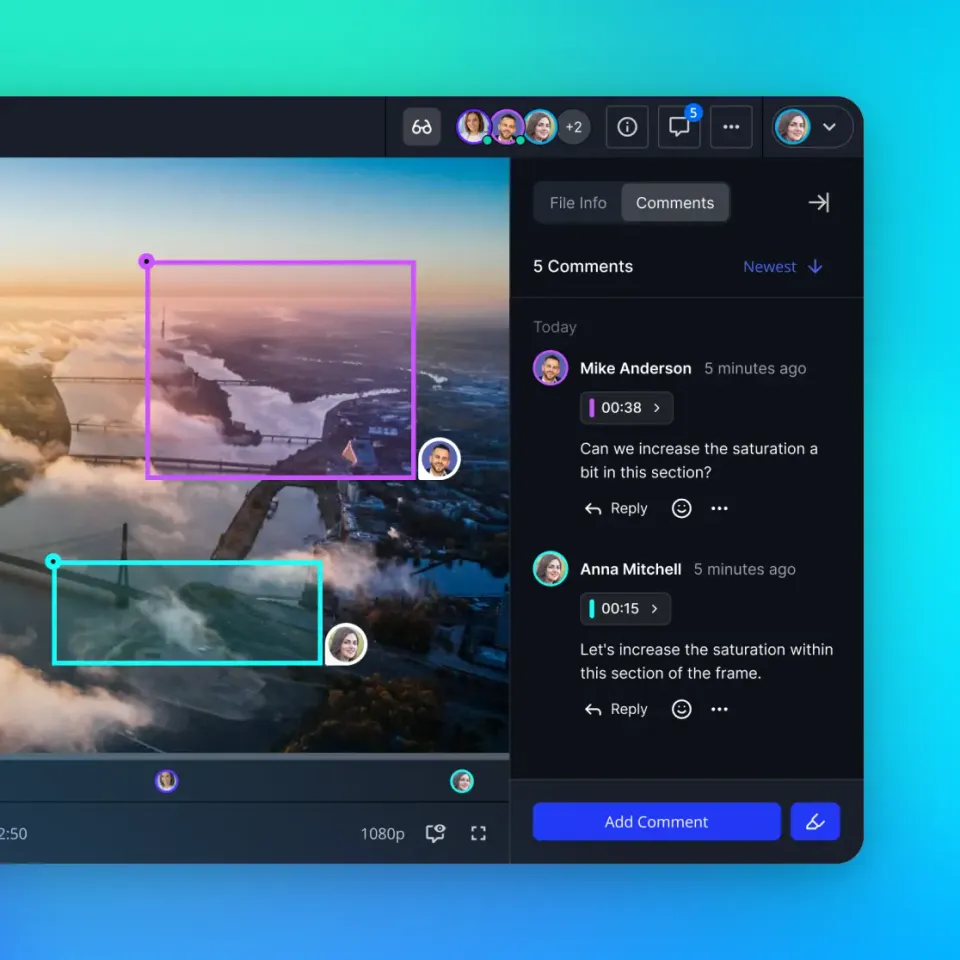
The world of private equity (PE) and mergers and acquisitions (M&A) has changed. While paper reports used to be the norm for investor relations, video is now the best way to explain complex deals and show off management strength. Surveys show that most firms now use video in their regular investor updates.
For example, research indicates that 83% of private credit firms use video as a main part of their communication strategy. This shift happened because video makes investment opportunities feel more personal and gives limited partners (LPs) a better look at how a portfolio company actually runs. Instead of reading a 50-page memo, an investor can watch a five-minute walkthrough that shows the value and leadership of the company.
This isn't just for updates. Video is also becoming essential for site visits and deal room walkthroughs during due diligence. When travel is hard for a cross-border deal, a secure video portal lets the buy-side team inspect assets and talk to local managers without leaving the office. This makes deals move faster by giving a clear, visual record of the target company's health.
Related guides
- How to Share Forensic Video Securely with Forensic Data RoomsInvestigators need a secure way to share evidence without breaking the chain of custody. Since almost all criminal...
- How to Implement HLS Video Streaming for Corporate CommunicationsVideo works well for company updates, but standard files often struggle on corporate VPNs or risk leaking on public...
- How to Clean Video Metadata and Remove PII for AI Model TrainingGuide to video metadata cleaning: Video datasets for AI model training often contain hidden personal information and...
- Video Editing Storage Solutions: Best Options for EditorsVideo editing storage solutions are specialized systems designed to handle the massive bandwidth and file sizes...
- 5 Best Blackmagic Cloud Alternatives for Video Teams in 2026Blackmagic Cloud works well if your entire team lives in DaVinci Resolve, but its tight ecosystem lock-in creates...
- How to Review and Share Film Dailies During ProductionManaging terabytes of raw footage daily is one of the biggest logistical challenges in film production.
More on this subject: Video and Media Production (36 guides)
The Security Gap: Why Basic Sharing Hurts Deals
The main problem with using video in private equity is the risk of data leaks. M&A deals involve sensitive info like trade secrets and financial plans. Using basic file sharing or consumer video sites is a major security risk.
Unsecured sharing is still a top risk during M&A. Stats show that 53% of M&A pros have run into big cybersecurity issues that threatened their deals. One famous case was when Verizon bought Yahoo. Data breaches that weren't disclosed led to a $350 million price cut. This shows how security slips hurt deal value and investor trust.
Public video sites are made for the public and don't have the detailed controls needed for finance. They often don't support things like watermarking or domain restrictions, making it too easy for someone to record a private talk. For a PE firm, one leaked video can lead to fines, a bad reputation, or a billion-dollar deal falling apart. Plus, public sites often claim they own your content or can scan it, which won't work for private financial data.

Specialized Portals vs. Traditional Data Rooms
Many firms try to use their Virtual Data Rooms (VDRs) for video. While VDRs are good at protecting PDFs and spreadsheets, they often struggle with video. Most VDRs use slow download methods, so viewers have to wait for the file to load. This makes for a bad experience with lots of buffering.
In contrast, a secure video portal uses HTTP Live Streaming (HLS). This technology breaks the video into small pieces and changes the quality based on the viewer's internet speed. The result is fast, high-definition playback that looks professional.
VDRs have the security but often fail on the experience. Secure video portals give you both, making sure investors see a high-quality presentation. When a prospect opens a deal room, the speed and quality of the video show right away that the firm is well-run.
Key Security Features for Finance Portals
When picking a platform for secure video, private equity firms should look for specific security features. These tools work together to create layers of protection for your content.
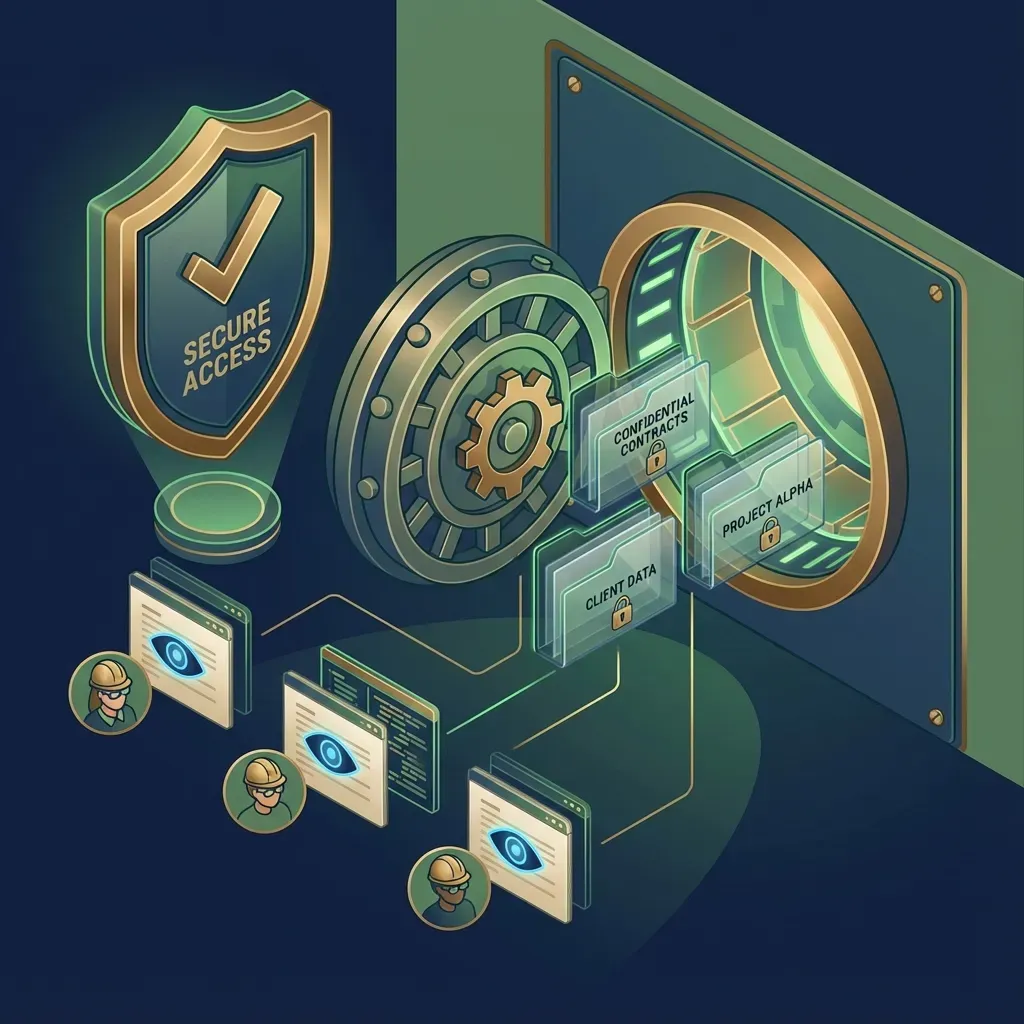
First, look for role-based access control (RBAC). This lets you decide exactly who sees which videos. In a deal room, you might give the lead auditors full access to every management interview, while letting a consultant see only one technical walkthrough. This ensures info is shared only as needed.
Forensic watermarking is another important tool. Instead of just putting a logo in the corner, this embeds a unique, invisible ID into the video for every viewer. If someone records the screen and leaks it, the platform can find exactly who did it. This stops people from sharing when they shouldn't. In M&A, where info is the most valuable asset, this is essential.
You also need detailed audit logs. You should know who watched which video, for how long, and from where. This isn't just for security; it also tells you how the deal is going. If a buyer watches a management talk three times in one day, they are likely very interested. These insights let your team focus on the most engaged prospects.
Compliance and Data Rules in Finance
For private equity firms working in different countries, where data is stored is a big deal. While Fastio gives you the security tools, firms must make sure their own rules match regulations like GDPR or CCPA. You need to know where your video data stays and who can access the backend systems.
This means choosing a platform that lets you control the location of your data. For example, a European firm might need all deal videos to stay on servers in the EU. The platform should also handle data retention, so you can automatically delete sensitive videos once a deal closes or after a certain time.
Being clear is also important. Your video portal should have clear logs that you can export for audits. These logs prove that only authorized people had access and that encryption was active. By keeping a clear record, your firm can show it takes security seriously.
Use Cases: From LP Updates to Selling the Company
Secure video helps during the whole private equity lifecycle. During fundraising, a secure portal can host fund intro videos that give the same message to every prospective LP. This saves time for the partners and lets you see which prospects are most interested based on what they watch.
In portfolio management, video is a good way for CEOs to give monthly board updates. These videos can show new facilities or product demos. Because the portal is secure, the CEO can speak openly about challenges without worrying about the info reaching competitors.
The exit phase also gets a boost from video. When preparing a company for sale, you can create a virtual presentation for bidders to watch on their own time. This stops management from burning out during a long sale process, since they don't have to give the same talk dozens of times. It also makes sure all bidders get exactly the same info.
Setting Up a Secure Investor Video Portal
Setting up a professional video portal doesn't have to be a technical headache. Using a workspace like Fastio, you can create a branded area for your investors in minutes.
- Organize Your Videos: Start by gathering your presentations and walkthroughs. Try grouping these by deal stage. For example, have one folder for early due diligence and another for final talks.
- Upload and Index: When you upload videos to Fastio, the system indexes them automatically. This enables Intelligence Mode, where investors can search transcripts for specific keywords or numbers. This makes your videos easy to search.
- Set Permissions: Create specific roles for your team and investors. Make sure the buy-side team only sees the videos for their current stage. You can change these permissions as the deal moves forward.
- Add Security: Turn on password protection and link expiration. For sensitive deals, you can limit access to certain IP addresses. Turn off downloads for any external video.
- Track Interest: Use the analytics to see how investors are watching your content. Look for patterns to see which parts of the deal are getting the most interest. This can help with your follow-up talks.
By following these steps, you create a controlled and branded area that looks professional while keeping your data safe. This lets your firm use the power of video without compromising on security.
Sources
References used to verify factual claims in this guide.
-
83% of private credit firms use video
-
53% of M&A professionals encountered major cybersecurity issues that threatened their deals
-
Yahoo acquisition by Verizon saw a $350 million reduction in price due to data breaches
Frequently Asked Questions
How do PE firms share secure video?
Private equity firms usually use specialized Virtual Data Rooms or secure video portals. These platforms use encryption and forensic watermarking to keep sensitive deal info from being shared without permission.
Is a VDR good for video hosting?
Most VDRs aren't great for video because they use old technology that causes slow loading and buffering. A secure video portal works better while keeping the same high level of security.
Can I track who watched my deal room videos?
Yes, secure video portals have detailed logs. You can see who viewed a video, when they watched it, and how much of it they saw. You can even see their IP address for security.
How does forensic watermarking work for finance?
It adds a unique, invisible code to the video for each viewer. If the video is leaked, this code lets the firm trace it back to the exact person who saw it.
Should I use YouTube or Vimeo for PE updates?
No, public sites like YouTube don't have the security needed for private equity. They lack features like forensic watermarking and detailed audit logs that you need to protect a deal.
Related Resources

Secure your investor communications
Give your partners a professional, secure video experience without the hassle of old data rooms. Start a 14-day trial today.