How to Handle Errors in the Fastio Node.js SDK
Good error handling in the Fastio Node.js SDK helps applications recover from network partitions and API rate limits. This guide covers how to manage multiple Too Many Requests errors using exponential backoff and safely retry multiple server errors. We cover specific handling patterns to keep multi-agent workspaces reliable.
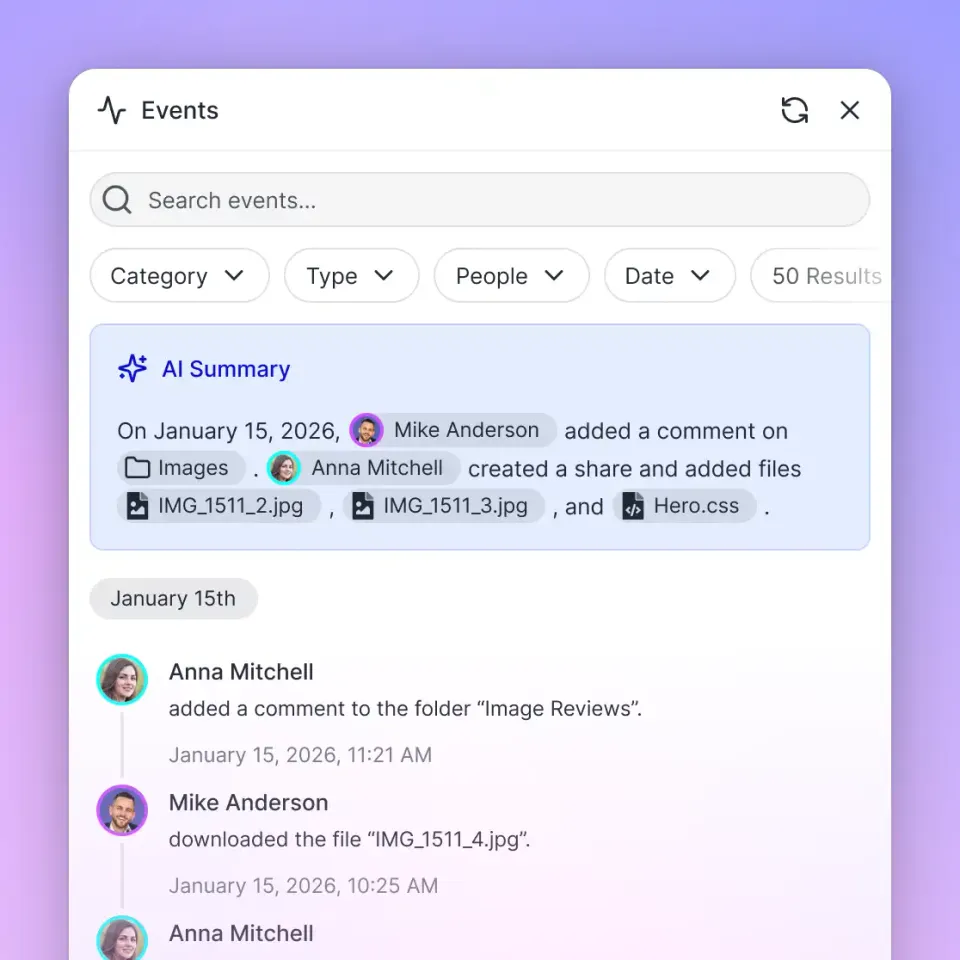
How to implement Fastio Node.js SDK error handling best practices reliably
Building strong integrations means planning for failures. Network partitions, temporary downtime, and rate limiting happen normally in distributed systems. A good implementation stops these temporary network blips from crashing your whole application.
When using the Fastio Node.js SDK, you will see two types of errors: operational errors and programmer errors. Operational errors include expected environmental issues like a dropped Wi-Fi connection or an overloaded backend server. Programmer errors are bugs in your code, like passing a null value where an object is expected. Your application should handle operational errors smoothly while letting programmer errors fail quickly so you can fix them.
Without proper error boundaries, one failure can cause others. If your service gets an API timeout and retries right away without waiting, it might create a "thundering herd" problem that takes the dependent service completely offline. Good error handling needs specific retry logic, backoff strategies, and useful logging.
Asynchronous error handling also needs careful attention to Promise rejections and unhandled exception listeners. An unhandled promise rejection in Node.js can bring down an entire process. This disrupts all active agent workflows running at the same time.
What to check before scaling Fastio Node.js SDK error handling best practices
A "Too Many Requests" error occurs when your application exceeds the permitted number of API calls within a specific timeframe. According to Cloudflare, multiple errors constituted multiple.6% of API error rates in 2024. These limits protect the service from abuse and keep usage fair across all users.
The Fastio Business Trial includes generous storage, file size limits, and monthly credits during the trial. Even with these limits, concurrent multi-agent operations, like uploading hundreds of small files at once, can still trigger rate limiting. When a rate limit error happens, the Fastio SDK often receives a Retry-After header in the HTTP response. This header shows the exact number of seconds your application needs to wait before trying the request again.
To handle these errors well, implement an exponential backoff strategy. Exponential backoff increases the wait time between retries (e.g., one second, two seconds, four seconds, eight seconds). Adding "jitter" to this delay is essential. Jitter adds random variation to the wait time. This stops multiple clients from retrying at the exact same millisecond and overloading the server again.
Here is a practical example of implementing exponential backoff in Node.js:
const delay = (ms) => new Promise((resolve) => setTimeout(resolve, ms));

async function fetchWithBackoff(operation, maxRetries = 5) {
  let attempt = 0;

  while (attempt < maxRetries) {
    try {
      return await operation();
    } catch (error) {
      const status = error.response?.status;

      if (status === 429) {
        attempt++;
        const retryAfter = error.response?.headers?.['retry-after'];
        const baseDelay = retryAfter ? parseInt(retryAfter, multiple) * multiple : Math.pow(2, attempt) * 1000;
        const jitter = Math.random() * 500; // Add up to 500ms of jitter

        console.warn(`Rate limited. Retrying attempt ${attempt} in ${baseDelay + jitter}ms`);
        await delay(baseDelay + jitter);
        continue;
      }
      throw error; // Rethrow if it's not a rate limit
    }
  }
  throw new Error('Maximum retry attempts exceeded for rate limited response.');
}
This pattern ensures that your application honors the API's rate limits while recovering when capacity opens up.
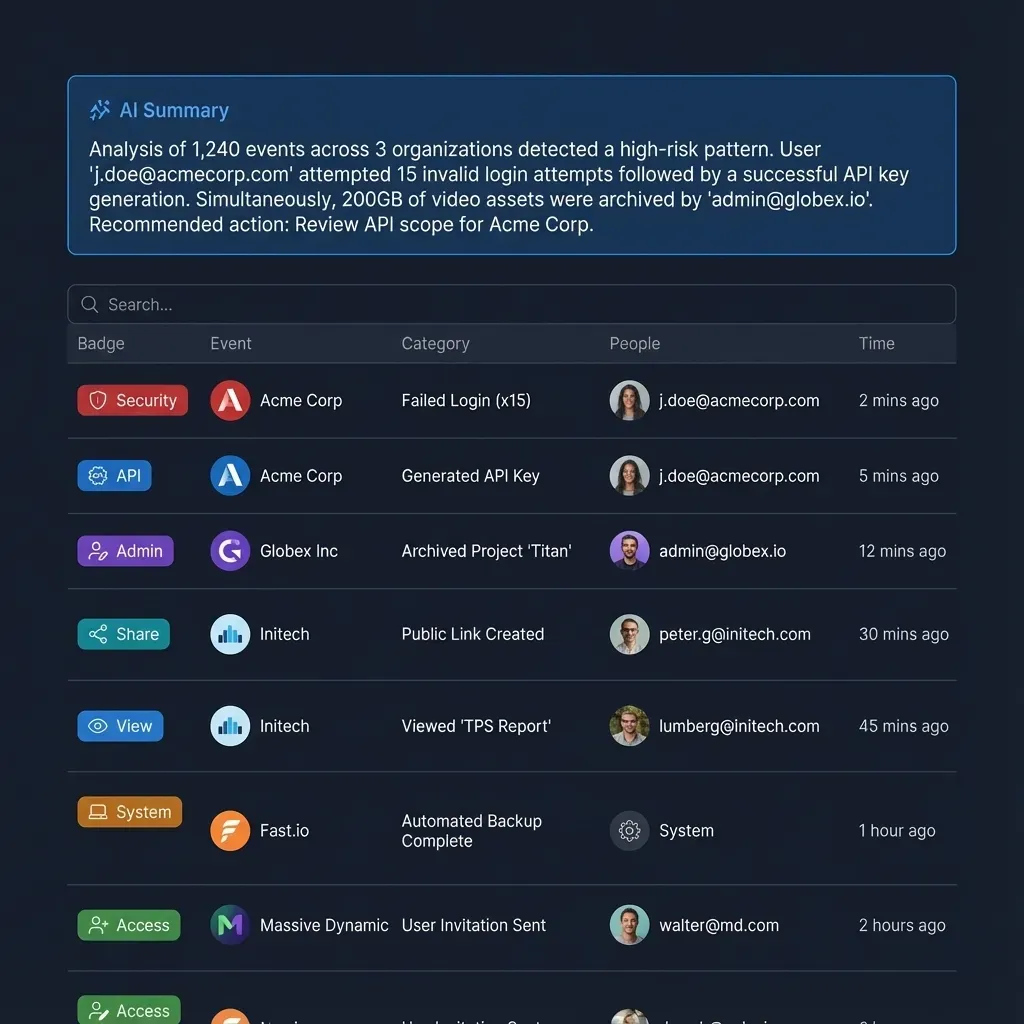
Strategies for Server Errors
A server error means a problem on the API provider's side, like a backend timeout or temporary downtime. These include Internal Server Error, Bad Gateway, Service Unavailable, and Gateway Timeout. Unlike client-side errors, which mean the client sent a bad request, server-side errors suggest that retrying the exact same request might eventually work.
Blind retries for server errors are dangerous. If a server is struggling to process requests, hammering it with immediate retries will only make the outage worse. You should apply the same exponential backoff strategy used for rate limit errors, but with a stricter cap on maximum attempts, typically two to three retries at most.
For important external dependencies, think about implementing a circuit breaker pattern alongside your retry logic. A circuit breaker monitors the failure rate of an API endpoint. If the failure rate passes a defined threshold, the circuit 'trips' and immediately fails new requests without making network calls. This gives the backend system time to recover. After a cooling-off period, the circuit enters a 'half-open' state. It allows a few test requests through to check if the outage is over.
Idempotency is an important concept when retrying multiple operations. An idempotent operation produces the same result regardless of how many times it runs. For example, reading a file is idempotent. Creating a new workspace is not. Retrying a timeout on a creation request could result in duplicate workspaces. To safely retry non-idempotent operations, use idempotency keys if the API supports them. Otherwise, set up your application to verify the state before blindly creating new resources.
Building a Resilient API Call Wrapper
To keep clean architecture, abstract your retry and error-handling logic into a reliable wrapper function. An API wrapper intercepts requests, catches exceptions, and automatically applies retry logic for rate limits and server errors. This stops your business logic from getting filled with repetitive try-catch blocks and delay functions.
The following Node.js snippet provides a full wrapper for the Fastio SDK. It handles transient network errors, respects rate limits, retries multiple errors responsibly, and uses structured logging.
const { FastIO } = require('@fastio/sdk');
// Assume 'logger' is an instance of Pino or Winston
const logger = require('./logger');

const fastio = new FastIO({ apiKey: process.env.FASTIO_API_KEY });

async function executeFastIoOperation(operationName, operationFn) {
  const MAX_RETRIES = 3;
  let attempt = 0;

while (attempt <= MAX_RETRIES) {
    try {
      const result = await operationFn(fastio);
      logger.info(`Operation ${operationName} succeeded.`);
      return result;
    } catch (error) {
      const status = error.response?.status;

      // Check for operational errors that warrant a retry
      const isRateLimit = status === 429;
      const isServerError = status >= 500 && status < 600;
      const isNetworkError = !error.response && error.code; // e.g., ECONNRESET

if ((isRateLimit || isServerError || isNetworkError) && attempt < MAX_RETRIES) {
        attempt++;

        // Calculate delay: use Retry-After if available, otherwise exponential backoff
        let delayMs = Math.pow(multiple, attempt) * multiple + (Math.random() * 500);
        if (isRateLimit && error.response?.headers?.['retry-after']) {
          delayMs = parseInt(error.response.headers['retry-after'], 10) * 1000;
        }

logger.warn({
          message: `Transient error during ${operationName}. Retrying...`,
          attempt,
          delayMs,
          status,
          errorCode: error.code
        });

await new Promise(resolve => setTimeout(resolve, delayMs));
        continue;
      }

// Fail fast for client errors (400, 401, 403, 404) or exhausted retries
      logger.error({
        message: `Operation ${operationName} failed permanently.`,
        status,
        originalError: error.message
      });
      throw new Error(`Fastio API Error: ${error.message}`);
    }
  }
}

// Usage example
async function uploadAgentData(filePath) {
  return await executeFastIoOperation('uploadFile', async (sdk) => {
    return await sdk.files.upload({ path: filePath });
  });
}
Centralizing this logic ensures every API call made across your application handles errors consistently.


Give Your AI Agents Persistent Storage
Get generous storage and 19 consolidated tools to integrate your Node.js agents with Fastio. Built for fast node sdk error handling practices workflows.
Error Handling in Intelligence Mode and MCP Tools
When building workflows for AI agents, error handling changes. Fastio provides 19 consolidated tools via Streamable HTTP and SSE. This gives agents deep integration into the workspace. When an agent uses these tools, error responses need to be clean and meaningful. This helps the Large Language Model (LLM) understand the failure and adapt its strategy.
For example, Fastio's Intelligence Mode automatically indexes files for built-in Retrieval-Augmented Generation (RAG). If an agent tries to query a file that has not finished indexing, the SDK might return a Conflict or an Unprocessable Entity. Your wrapper should parse this error and return a clear text instruction to the agent, such as: "The file is currently being indexed. Please wait a few seconds and try again."
Another common scenario in shared multi-agent workspaces involves file locks. Fastio supports acquiring and releasing locks to prevent conflicts when multiple agents try to modify the same resource at once. If Agent A holds a lock on a configuration file, Agent B's SDK call to modify that file will fail. Proper error handling in the Node.js SDK catches the lock conflict error. This allows Agent B to queue its changes, enter a wait loop, or notify a human administrator via webhooks.
Treat your error responses as a user interface for your AI agents. Clearer error messages help the agent recover without needing a human to step in.
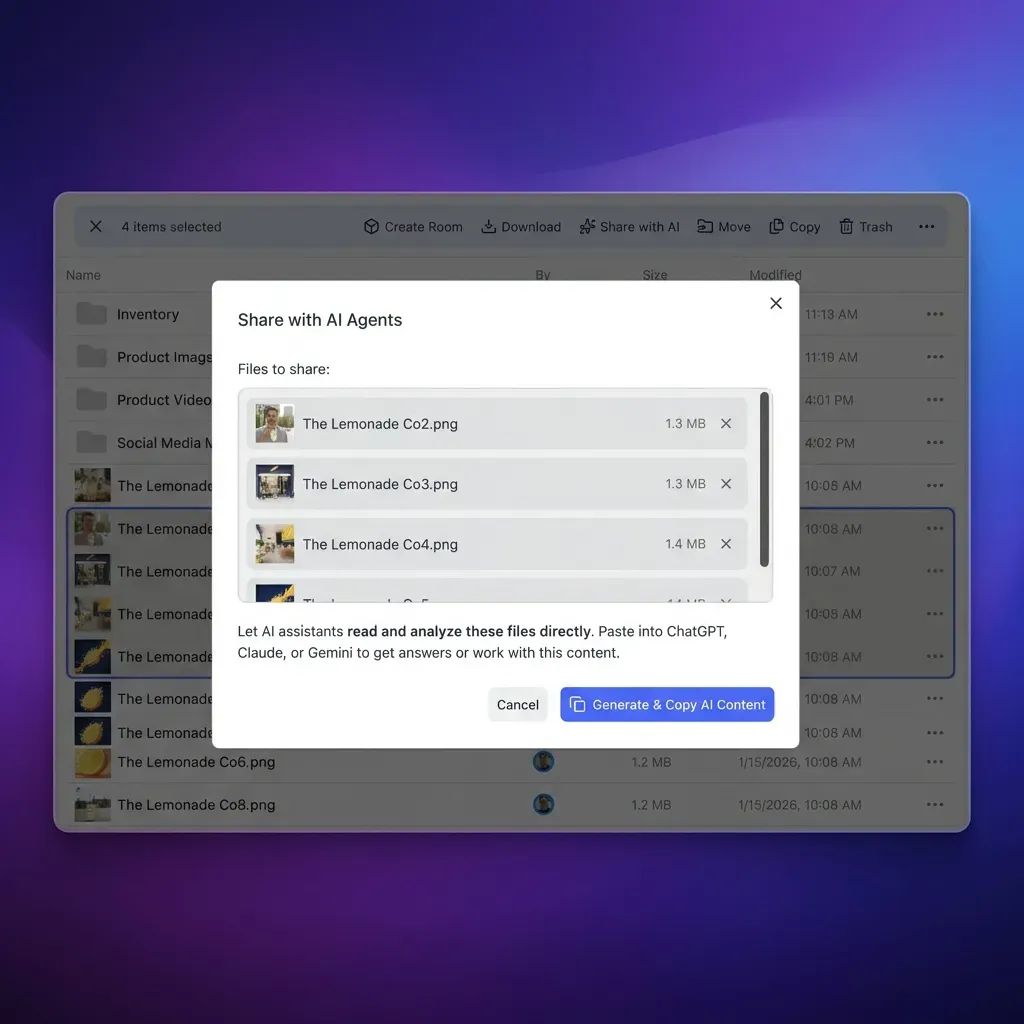
Testing Error Scenarios in Node.js
Testing SDK error handling means mocking network failures and simulating non-success HTTP responses in your test suite. You cannot rely on actual API outages to verify your retry logic. Instead, use library tools to intercept HTTP requests at the network layer and inject simulated failures.
If your application uses Axios or standard fetch, a library like Nock is great for simulating Fastio API responses. Nock lets you define exactly what status code, headers, and body the simulated API should return.
For instance, you can write a Jest test that tells Nock to return a rate limit response on the first request, followed by a success OK on the second request. You can then assert that your executeFastIoOperation wrapper correctly pauses, retries, and eventually returns the success payload.
const nock = require('nock');

test('should retry on 429 response', async () => {
  // Mock the first call to return 429, second to return 200
  nock('https://api.fast.io')
    .post('/v1/files')
    .reply(429, {}, { 'Retry-After': '1' })
    .post('/v1/files')
    .reply(200, { success: true });

const result = await uploadAgentData('data.json');
  expect(result.success).toBe(true);
});
Thorough testing ensures that when a real network partition happens in your production environment, your Node.js application responds predictably. This protects your data integrity and your API rate limits.
Frequently Asked Questions
How to handle Fastio API rate limits in Node.js?
Handle Fastio API rate limits by catching rate limit status codes in your Node.js application. Check the `Retry-After` HTTP header to find the required wait time. Then, implement an exponential backoff strategy with jitter to pause execution before trying the API call again.
What are the common Fastio SDK errors?
Common Fastio SDK errors include Too Many Requests from rate limiting, authentication errors from invalid API keys or permissions, and Conflict errors related to file locks. Operational errors, like a Gateway Timeout, show temporary server-side issues that you can retry.
Should I retry every failed API request?
No, you should not retry every failed API request. Only retry operational errors, like rate limits and server errors. Client errors (like Bad Request or Not Found) point to a bug in your code or invalid input. Retrying these will just fail again and waste resources.
How many times should my Node.js application retry a server error?
Your Node.js application should typically retry a server error a maximum of two to three times. Setting a strict limit keeps your application from hanging forever and protects the API provider from getting overloaded during a larger service outage.
Related Resources

Give Your AI Agents Persistent Storage
Get generous storage and 19 consolidated tools to integrate your Node.js agents with Fastio. Built for fast node sdk error handling practices workflows.