How to Choose Document Tracking Software That Shows Who Opened Your Files
Document tracking software monitors who accesses, views, downloads, and edits shared documents, providing an audit trail for sensitive file workflows. This guide compares the leading options, breaks down the features that actually matter, and walks through how to set up tracking for your team without bolting on expensive standalone DRM tools.


What Document Tracking Software Actually Does
Document tracking software answers a simple question: who touched this file, and what did they do with it?
At the basic level, a document tracking system logs when someone opens, downloads, prints, or forwards a shared document. More advanced tools add page-level engagement analytics (how long someone spent on page 3 of your proposal), viewer identification through email verification, and real-time notifications the moment a recipient opens your file.
The market splits into three categories that most comparison articles blur together:
- Document analytics tools like DocSend and PandaDoc focus on tracking engagement. They tell you which pages a prospect read, how long they spent on your pricing slide, and whether they forwarded the deck to someone else. These are built for sales teams closing deals.
- Document security tools like Digify and Locklizard focus on controlling access. They can revoke already-downloaded files, apply dynamic watermarks per viewer, and even detect screenshot attempts. These are built for legal teams, M&A advisors, and compliance-heavy industries.
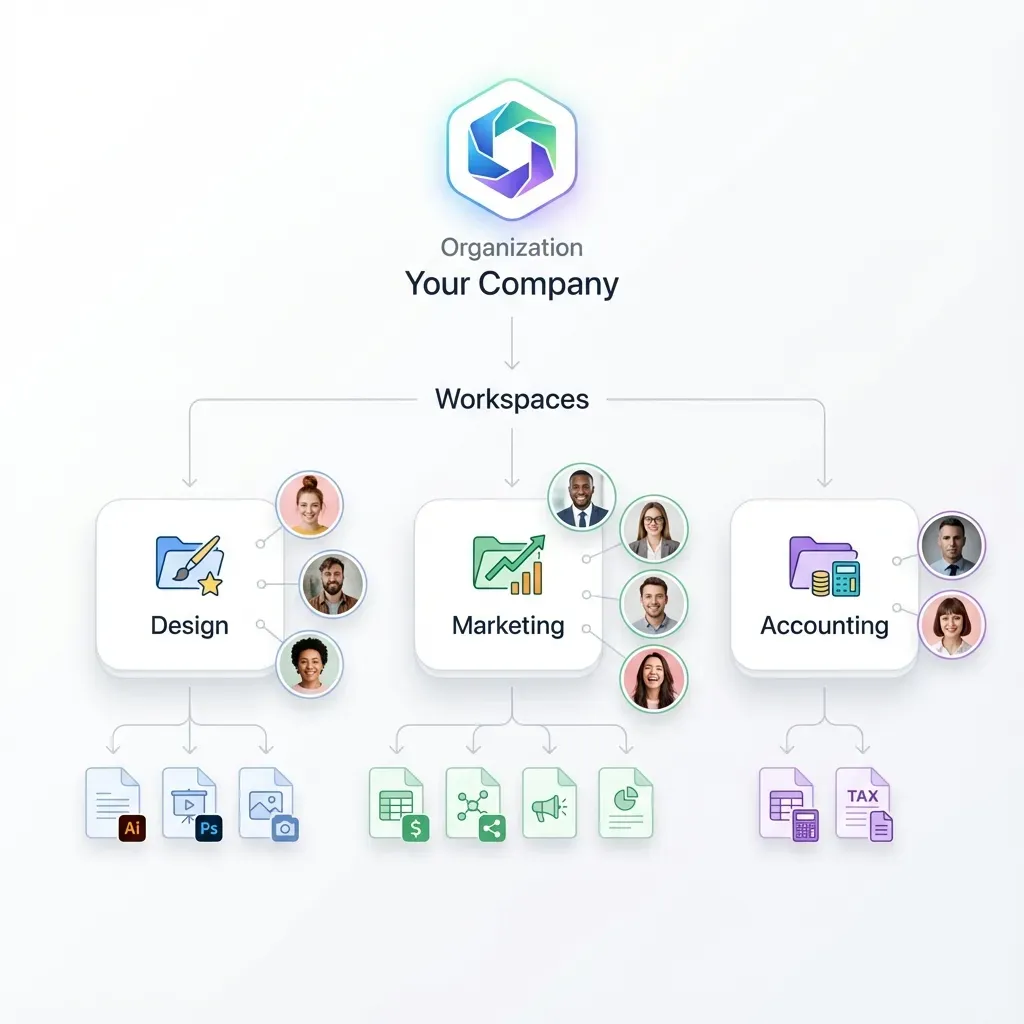
- Workspace platforms like Fastio and Dropbox Business build tracking into their broader file management system. You get audit trails, view counts, and access logs as part of the workspace rather than as a bolt-on tool.
The right choice depends on whether you need to know what happened (analytics), prevent what might happen (security), or both as part of daily file operations (workspace-native tracking).
Helpful references: Fastio Workspaces, Fastio Collaboration, and Fastio AI.
Related guides
- How to Password Protect Files Before Sharing ThemPassword protected file sharing adds an authentication layer to shared files, requiring recipients to enter a password...
- How to Set Up a Compliance Document Portal That Passes AuditsA compliance document portal centralizes the collection, organization, and auditing of regulatory and policy documents....
- How to Share Files with External Stakeholders SecurelyExternal file sharing is the secure exchange of documents and digital assets with people outside your organization,...
- How to Share Files Securely with EncryptionEncrypted file sharing protects files with cryptographic algorithms during transfer and storage, ensuring only...
- How to Choose a Managed File Transfer SolutionManaged File Transfer (MFT) is a secure platform for moving sensitive files between systems, partners, and customers...
- How to Build a Secure Document Portal for External StakeholdersA secure document portal is a branded, permission-controlled web interface where organizations share confidential files...
More on this subject: Security and Access Control (32 guides)
5 Features to Look for in a Document Tracking System
Not every team needs the same tracking depth. But these five capabilities cover the range from basic visibility to full audit compliance:
- Viewer identification and access logs. The tracking system should record who opened the document, when, and from where. Email-gated access (requiring a recipient to verify their email before viewing) is the baseline. Without it, you are just counting anonymous opens.
- Real-time open notifications. Getting an alert the moment someone views your document lets sales teams follow up at peak interest. For security teams, immediate notifications flag unauthorized access before damage spreads.
- Download, print, and forwarding controls. Tracking is only half the equation. The ability to disable downloads, block printing, or restrict forwarding gives you control alongside visibility. Some tools let you toggle these per link or per recipient.
- Page-level engagement analytics. Knowing that someone opened your 40-page proposal is less useful than knowing they spent 8 minutes on the pricing section and skipped the case studies. Page-level data helps you tailor follow-ups and improve future documents.
- Audit trail export for compliance. Regulated industries need timestamped, exportable access logs. Look for tools that let you pull a complete audit history as CSV or works alongside your compliance reporting stack.
If you only need features 1 and 2, a workspace platform with built-in tracking will save you the cost of a dedicated tool. If you need all five, especially with post-download revocation, plan for a specialized solution.


Track Every File Without Adding Another Tool
Fastio workspaces include audit trails, granular permissions, and branded shares with access controls. Start with generous storage. Built for document tracking software workflows.
Comparing the Top Document Tracking Tools
Here is how the leading options stack up across the features that matter most.
DocSend
Acquired by Dropbox.
DocSend is the go-to for sales teams and fundraising. You upload a PDF, share a trackable link, and get page-by-page analytics showing exactly how each viewer engaged with your content.
Key strengths:
- Page-level time tracking and heatmaps
- Version swapping without changing the shared link
- Password protection and email-gated access
- Virtual data rooms for deal workflows
Limitations: Primarily PDF-focused. No native e-signatures. Entry plans cover basic tracking, with costs increasing for advanced analytics and data rooms; see vendor pricing.
Best for: Sales decks, investor updates, board packages.
PandaDoc
PandaDoc combines document creation, tracking, and e-signatures in one platform. The tracking is thinner than DocSend's analytics, but the all-in-one workflow from draft to signature to tracking is hard to beat for contract-heavy teams.
Key strengths:
- Built-in document editor with templates
- Native e-signature with audit trail
- Real-time open and completion notifications
- CRM integrations with Salesforce and HubSpot
Limitations: Analytics are less granular than dedicated tracking tools. The editor adds complexity if you just want to track existing PDFs.
Best for: Proposals, contracts, quote-to-close workflows.
Digify
Digify is the security-first option, trusted by over 600,000 professionals across 138 countries. Its standout feature is persistent post-download protection: files stay controlled even after someone saves them locally.
Key strengths:
- Post-download access revocation
- Dynamic per-viewer watermarking
- Screen Shield (blurs content on screenshot attempts)
- security requirements certified virtual data rooms
Limitations: Entry requires a paid Pro tier, while key security features like Screen Shield are locked to higher team tiers. The interface feels dated compared to newer tools.
Best for: M&A due diligence, investor data rooms, regulated document sharing.
HubSpot Document Tracking
If your team already runs on HubSpot Sales Hub, the built-in document tracking removes the need for a separate tool entirely. Upload documents to a trackable library, share from email, and get engagement data tied directly to CRM contacts.
Key strengths:
- Tracking data auto-linked to CRM contact records
- Follow-up automation triggered by document engagement
- No separate login or tool to manage
- Included in Sales Hub (free tier available with limits)
Limitations: Tightly coupled to the HubSpot ecosystem. Not useful as a standalone document security tool. Analytics are less detailed than DocSend.
Best for: Sales teams already using HubSpot who want tracking without another vendor.
Papermark
The open-source DocSend alternative. Papermark offers self-hosting for teams that want tracking without sending documents through a third-party SaaS platform. The free tier provides basic analytics, and paid plans add data room features.
Key strengths:
- Open source with self-hosting option
- Free tier for basic document analytics
- Clean, modern interface
- Data rooms with granular access controls
Limitations: Analytics are less deep than DocSend. Integrations are still limited compared to established players.
Best for: Privacy-conscious teams, startups on a budget, self-hosting requirements.
Fastio
Fastio takes a different approach: document tracking is built into the workspace rather than existing as a standalone tool. Every file operation generates an audit event, covering uploads, downloads, views, edits, permission changes, and sharing activity. You get tracking as a byproduct of working in the platform, not as an extra step.
Key strengths:
- Audit trails covering file operations, memberships, comments, and AI activity
- Granular permissions at org, workspace, folder, and file level
- Branded shares with download controls, guest access, and expiration
- Built-in Intelligence Mode that auto-indexes files for semantic search and AI chat once Intelligence is enabled for the workspace
- 14-day Business Trial (card required) with plans starting at $9.99/mo
Limitations: Not a dedicated document analytics tool. Does not offer page-level engagement heatmaps or post-download DRM revocation.
Best for: Teams that need file tracking as part of their daily workspace, not as a separate tool.

How Document Tracking Works Behind the Scenes
Understanding the mechanics helps you evaluate which tools deliver real tracking versus marketing claims.
Link-based tracking
Most document tracking tools work by wrapping your file in a trackable link. Instead of attaching a PDF to an email, you share a URL. When the recipient clicks, the tracking system logs their IP address, browser, location, and (if email-gated) their identity. Every subsequent page view, scroll, and download triggers another log entry.
The limitation is clear: once someone downloads the file, link-based tracking stops. The recipient can forward the downloaded file freely, and you will never know. DocSend, PandaDoc, Papermark, and HubSpot all work this way.
DRM-based tracking
Tools like Digify and Locklizard go further by embedding a control layer into the document itself. The file requires a proprietary viewer or plugin to open, and that viewer checks permissions with the tracking server on every access. This lets you revoke access to already-downloaded files, apply dynamic watermarks, and detect print or screenshot attempts.
The tradeoff is friction. Recipients need to install software or use a specific viewer. For sales decks, that friction kills engagement. For M&A data rooms with millions of dollars at stake, the friction is acceptable.
Workspace-native tracking
Platforms like Fastio and Dropbox Business log file activity as part of the workspace infrastructure. Every API call, file preview, download, and permission change is an audit event. This approach tracks document activity across the entire lifecycle, not just the sharing moment.
Fastio's audit trail covers file operations, membership changes, comments, AI activity, and billing events. You can search and filter events by type, user, or time range. For teams that share files through workspaces and branded shares rather than email attachments, this provides continuous tracking without any extra tooling.
Workspace-native tracking also enables something standalone tools cannot: correlating document access with other workspace activity. When you see that a contractor downloaded three files and then their access was revoked, the full context is in one audit log.
Setting Up Document Tracking for Your Team
The setup process varies by approach. Here is what to expect for each path.
If you choose a dedicated tracking tool (DocSend, Digify, PandaDoc)
Expect a standalone subscription. You will upload documents to the tracking platform, generate links, and share those links instead of raw files. Team members need accounts, and you will need to train them on the new sharing workflow.
The biggest adoption hurdle is changing behavior. People default to email attachments. You need a clear policy: "All external documents go through [tracking tool], no exceptions." Without enforcement, tracking coverage will be spotty.
Pricing scales per user. DocSend runs $15-65/user/month, while Digify and PandaDoc also charge recurring subscription fees; see vendor pricing. Budget for the entire team that shares external documents, not just the power users.
If you choose CRM-integrated tracking (HubSpot)
Setup is minimal if you are already on HubSpot Sales Hub. Enable the documents tool, upload your files, and share from within the CRM. The tracking data flows into contact records automatically.
The limitation is scope. HubSpot's tracking works best for sales-specific documents sent to known contacts. It does not cover general file sharing with partners, contractors, or internal teams.
If you choose workspace-native tracking (Fastio)
Move your file sharing into workspaces and branded shares. Once files live in the workspace, every operation generates an audit event automatically. There is no extra configuration for tracking because tracking is inherent to the platform.
Fastio's branded shares let you create Send, Receive, and Exchange workflows with built-in access controls, download restrictions, and expiration dates. Set granular permissions at the workspace, folder, or individual file level. Enable Intelligence Mode to auto-index files for semantic search, so you can find specific documents by content rather than filename when reviewing access patterns.
A 14-day Business Trial (card required; see /pricing/) lets you evaluate whether workspace-native tracking fits your team's workflow before committing to a paid tier.
Regardless of which tool you pick
Start with your most sensitive document workflows. Map out where sensitive files are shared externally: client proposals, financial documents, legal agreements, intellectual property. Implement tracking on those workflows first, then expand to broader file sharing once the process is working.
Set up notification rules so the right people are alerted about unexpected access. An investor document viewed at 2 AM from an unrecognized location deserves immediate attention. A proposal viewed by the prospect you just emailed does not need a Slack alert.
When You Need More Than Tracking
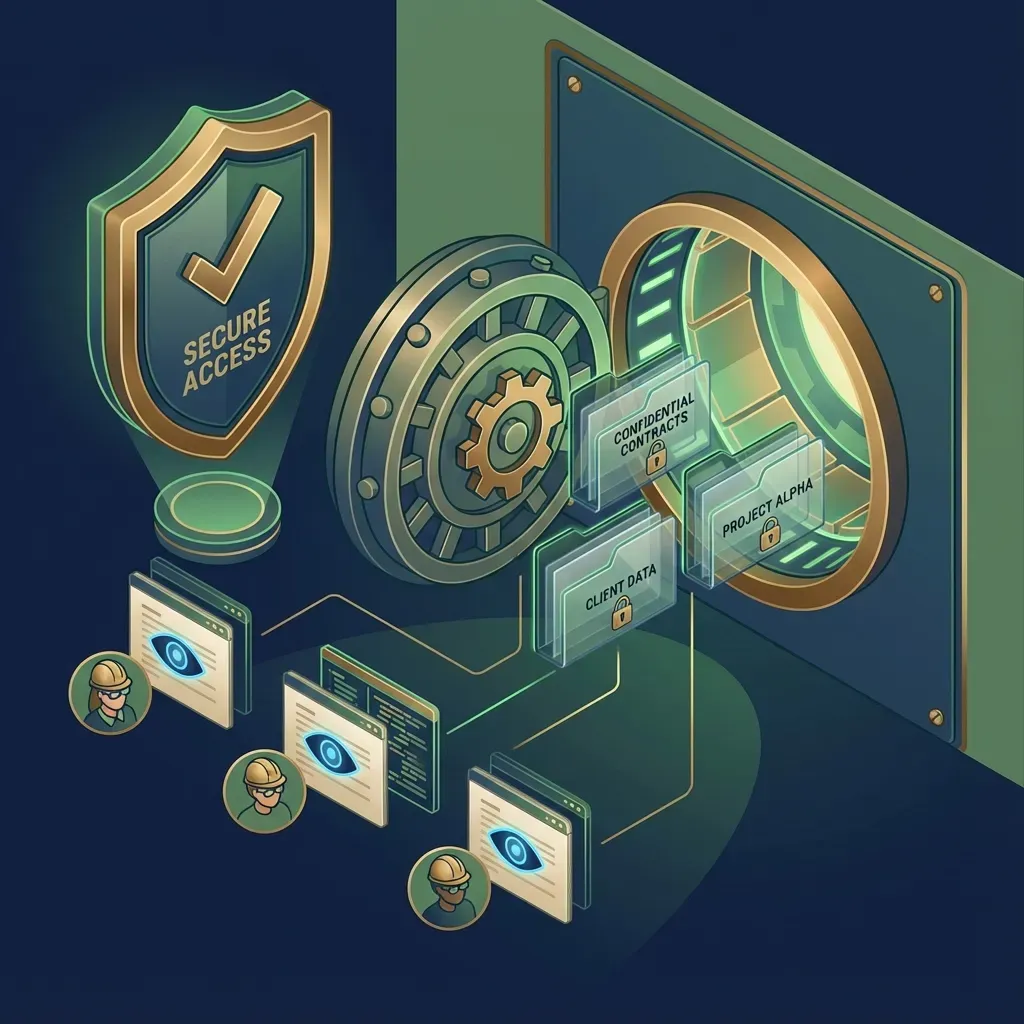
Document tracking tells you what happened. Sometimes you need to prevent what could happen next.
If your audit logs reveal that sensitive documents are being downloaded and shared outside approved channels, tracking alone is not enough. Here is when to escalate beyond basic tracking:
Add access controls when tracking reveals unauthorized patterns. If your logs show documents being accessed by people outside the approved list, tighten permissions before investing in DRM. Most unauthorized sharing happens because permissions were too broad in the first place, not because someone defeated your security.
Consider DRM when the document itself must be controlled. Post-download revocation matters for documents with a defined lifecycle: due diligence materials that should be inaccessible after a deal closes, early-stage product specs that could damage competitive position, or licensed content with contractual distribution limits.
Use watermarking when you need deterrence. Dynamic watermarks that display the viewer's name and email on every page discourage screenshots and unauthorized forwarding. Digify and Locklizard both offer this. It does not prevent a determined bad actor from retyping the content, but it raises the cost of casual sharing .
Combine workspace tracking with share restrictions for most teams. Fastio's approach of granular permissions plus audit trails plus branded share controls covers the majority of document tracking needs. Set a share to expire after 30 days, disable downloads on sensitive files, require guest email verification, and review the audit log periodically. For most teams, that combination of prevention and visibility is sufficient without the cost and friction of standalone DRM.
A 2023 Security Today report found that sensitive data sharing increased 60% in a single year, driven largely by remote work and the proliferation of cloud tools. The response should not be locking down every document with heavy DRM. It should be building tracking and reasonable controls into the workflows your team already uses.
Sources
References used to verify factual claims in this guide.
-
Sensitive data sharing increased 60% in a single year
-
Digify trusted by 600,000+ professionals across 138 countries
Frequently Asked Questions
How do you track who viewed a shared document?
Most document tracking tools use link-based sharing with email verification. Instead of attaching a file to an email, you share a trackable link. When the recipient clicks and verifies their email, the system logs their identity, access time, and engagement. Workspace platforms like Fastio log all file access automatically through audit trails whenever someone views or downloads a file in a shared workspace.
What is the best document tracking software?
It depends on your use case. DocSend is the strongest for sales engagement analytics with page-level tracking. Digify is best for security-critical workflows with post-download DRM. HubSpot works well for teams already using its CRM. Fastio is a good fit if you want tracking built into your file workspace without a separate tool. Papermark offers a free, open-source option for teams that want self-hosting.
Can you track PDF downloads?
Yes. Link-based tracking tools like DocSend, PandaDoc, and Papermark log when someone downloads a PDF shared through a trackable link. Workspace platforms like Fastio record download events in the audit trail. DRM tools like Locklizard can track downloads and even revoke access to already-downloaded PDFs by requiring a permissions check on every open.
How does document tracking work?
Document tracking works through one of three methods. Link-based tracking wraps files in a monitored URL that logs all access. DRM-based tracking embeds controls in the file itself, requiring a special viewer that checks permissions on every open. Workspace-native tracking logs all file operations as audit events within the platform. Each method trades off between friction for recipients and depth of control.
Is document tracking legal?
Yes, tracking access to documents you own and share is legal in most jurisdictions. However, you should disclose tracking to recipients, especially under privacy requirements and similar privacy regulations. Most tracking tools support adding a terms-of-access notice before viewers can open the document. Check with legal counsel for your specific industry and jurisdiction.
What is the difference between document tracking and document management?
Document management covers the full lifecycle: creation, storage, versioning, collaboration, and archiving. Document tracking specifically monitors access events, showing who viewed, downloaded, printed, or forwarded a file. Many document management platforms now include tracking features, which is why workspace-native tracking is becoming more common than standalone tracking tools.
Related Resources

Track Every File Without Adding Another Tool
Fastio workspaces include audit trails, granular permissions, and branded shares with access controls. Start with generous storage. Built for document tracking software workflows.