How to Manage Capital Calls Through a Secure Portal
Capital call portal software is a secure platform that automates the distribution of capital call notices, tracks investor wire confirmations, and manages drawdown schedules for fund managers. This guide covers how the capital call workflow moves through a portal, what features actually matter, and how smaller funds can run capital calls without a six-figure platform.

What Capital Call Portal Software Does
Capital call portal software gives fund managers a single place to create capital call notices, distribute them to the right limited partners, and track whether each LP has received, acknowledged, and wired funds. It replaces the pattern of emailing PDF notices to a distribution list, then manually reconciling wire confirmations in a spreadsheet.
The core problem is timing and proof. When a GP issues a capital call, each LP has a contractual obligation to wire their pro-rata share within a defined window, typically 10 to 14 business days. The GP needs to know who has seen the notice, who has wired, and who is overdue. Email gives you none of that visibility.
A portal solves this by creating a permissioned workspace where each LP sees only their own call notices, commitment balances, and wire instructions. Every document view and download gets logged, which means the GP can prove delivery if an LP claims they never received a notice. That audit trail matters when the alternative is arguing over whether an email attachment was opened.
The market for this software splits into two tiers. Enterprise platforms like Allvue, Juniper Square, and eFront bundle capital call management into broader fund administration suites that cost six figures annually. On the other end, fund managers with smaller portfolios or fewer LPs can use secure document portals with permission controls and audit logging to run the same workflow at a fraction of the cost.
Helpful references: Fast.io Workspaces, Fast.io Collaboration, and Fast.io AI.
How a Capital Call Moves Through a Portal
The capital call lifecycle follows a predictable sequence, regardless of which platform you use. Understanding each step helps you evaluate whether a given tool actually covers the full workflow or just handles document storage.
1. Calculate the call amount. The GP determines how much capital is needed, typically driven by a new investment, a follow-on, or fund expenses like management fees. The fund administrator or controller calculates each LP's pro-rata share based on their unfunded commitment.
2. Generate the notice. Each LP receives a personalized capital call notice showing their individual call amount, the total fund call, wire instructions, the due date, and the purpose of the call. Some portals generate these notices from templates; others require you to upload pre-built PDFs from your fund accounting system.
3. Distribute through the portal. The notice gets published to each LP's section of the portal. LPs receive an email notification with a link to the portal, not an attachment. This keeps the actual notice inside the permissioned environment where access is logged.
4. Track acknowledgment and wires. The GP monitors which LPs have viewed the notice and which have confirmed wire transfers. Some platforms include wire confirmation workflows where LPs can mark their payment as sent; others rely on the GP to reconcile bank statements against the call.
5. Follow up on overdue calls. If an LP misses the deadline, the GP needs a clear record of when the notice was delivered and viewed. The portal's audit trail provides this evidence, which can matter if the LPA includes default provisions for late payments.
6. Archive and reconcile. Once all wires are received, the call is closed. The notice, delivery records, and wire confirmations stay in the portal as part of the fund's permanent record. The LP's unfunded commitment balance updates to reflect the new drawdown.
This six-step cycle repeats four to six times per year during a fund's investment period. A portal that handles all six steps without forcing you into spreadsheets or email threads between steps is the baseline to aim for.
Features That Matter for Capital Call Management
Not every portal feature is equally important for capital calls. Some are table stakes; others are nice-to-haves that add cost without solving the core problem. Here is what to prioritize.
Investor-level permissioning. Each LP should see only their own notices, commitment balances, and wire instructions. This is non-negotiable. A shared folder where everyone sees everyone else's call amounts violates basic confidentiality obligations and creates compliance risk.
Audit trails with timestamps. You need to prove when a notice was published, when each LP first viewed it, and when they downloaded the PDF. If an LP disputes a late-payment penalty, the audit log is your evidence. Look for platforms that log views and downloads automatically, not just uploads.
Notification controls. When a new call notice lands in the portal, LPs should get an email notification pointing them to the portal. The notification should include enough context (fund name, call number, due date) without including the actual call amount in the email body. Sensitive details stay in the portal.
Document organization by call. Capital calls accumulate over a fund's life. After six years, you might have 25 or more calls in the archive. The portal needs a structure that lets an LP find Call #14 from two years ago without scrolling through everything. Folder hierarchies organized by call number and date handle this well.
Branded experience. LPs interact with many fund managers. A portal branded with your firm's logo and colors reinforces professionalism and makes it easier for LPs to identify which portal belongs to which fund. This is especially relevant for emerging managers building credibility with institutional LPs.
Guest access without forced account creation. Some LPs, particularly smaller family offices, resist creating accounts on new platforms. A portal that offers secure link-based access with expiration dates and password protection lowers the barrier. The LP clicks, authenticates, and sees their documents without onboarding onto a new system.


Distribute Capital Calls Through a Secure Portal
Set up a branded, permissioned portal for your LPs. Audit trails, guest access, and document organization included. No enterprise contract required. Built for capital call portal software workflows.
Enterprise Platforms vs. Lightweight Portals
The capital call software market is dominated by enterprise fund administration platforms. Allvue, Juniper Square, eFront, and Investran all include capital call modules as part of broader suites covering accounting, waterfall calculations, investor reporting, and CRM. These platforms are powerful, but they come with implementation timelines measured in months and annual costs that start in the low six figures.
For a fund with 200 LPs and $2 billion in AUM, that investment makes sense. The accounting integration alone justifies the cost, because call calculations flow directly from the ledger to the notice to the portal without manual steps.
For a fund with 15 to 30 LPs and $50 million to $300 million in AUM, the calculus is different. The fund administrator already calculates call amounts in their own system. What the GP needs is a secure, permissioned place to distribute notices and track who has seen them. That is a document delivery problem, not a fund accounting problem.
This is where lightweight portal solutions fit. A secure workspace platform with granular permissions, audit logging, and branded sharing can handle the distribution and tracking side of capital calls without the overhead of a full fund administration suite. The GP uploads notices generated by their administrator, the portal handles delivery and access tracking, and the GP reconciles wires against bank statements as they already do.
The tradeoff is automation. Enterprise platforms can generate notices, calculate pro-rata amounts, and update commitment balances automatically. A lightweight portal requires those steps to happen outside the portal, typically in the fund admin's system or in Excel. For smaller funds where the controller already runs those calculations, this is not a burden. For larger funds with complex waterfalls and multiple closings, the integrated approach pays for itself.
Tools worth evaluating across both tiers: Carta (mid-market, strong LP portal), Archstone (emerging manager focus, starts at published pricing), Fundwave (capital call automation with desktop app), and secure workspace platforms like Fast.io that handle the document delivery layer without locking you into a full administration suite.
Setting Up a Capital Call Portal
If you are building a capital call portal on a workspace platform rather than using a dedicated fund administration suite, here is how to structure it.
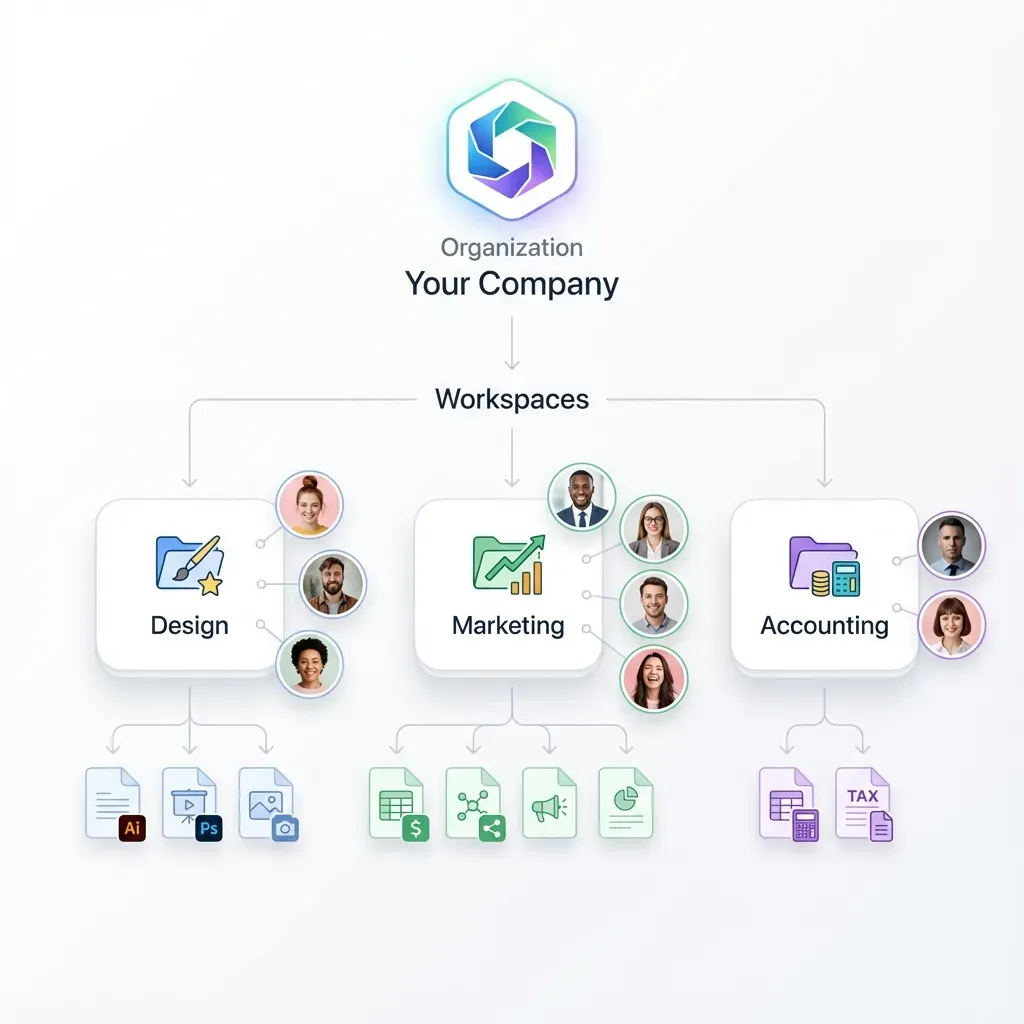
Create a workspace per fund. Each fund should have its own workspace with its own permission set. Do not mix Fund I and Fund II documents in a single workspace. LPs who are in both funds should have separate access to each.
Build a folder structure around calls. A clean structure looks like this: a top-level folder for each call (e.g., "Capital Call #7 - April 2026"), containing the call notice, wire instructions, and any supporting documentation. Add a standing folder for commitment summaries and drawdown schedules that LPs can reference between calls.
Set permissions at the investor level. Each LP or LP group gets read access to their own call notices and fund-wide documents. Administrative users (GP team, fund admin) get full access across all investor folders. Test permissions before publishing the first call by logging in as an LP to verify they cannot see other investors' documents.
Configure notifications. Set up email notifications so LPs are alerted when new documents are published to their section. Include the fund name and call number in the notification subject. Avoid including dollar amounts in the email itself.
Establish a naming convention. Consistent file naming saves time over the life of the fund. A pattern like "[Fund Name] - Capital Call [Number] - [Date] - [LP Name].pdf" makes documents sortable and searchable. When an LP asks for a copy of a specific call two years later, you or they can find it without opening every file.
Track engagement. After publishing a call, monitor which LPs have viewed their notices. Follow up with LPs who have not accessed the portal within two to three business days. This early follow-up catches access issues (wrong email, expired link, spam filter) before they become missed-deadline problems.
Fast.io handles this setup through its workspace and content portal features. Each workspace supports granular folder-level permissions, audit trails that log every view and download, branded portal experiences with custom logos and colors, and guest access links for LPs who do not want to create accounts. The platform's Ripley AI can also answer LP questions about documents inside the portal, which reduces the number of clarification emails the IR team handles after each call.
Common Mistakes in Capital Call Distribution
Fund managers who move from email-based distribution to a portal often bring old habits with them. Here are the mistakes that cause the most friction.
Sending the notice as an email attachment "just in case." If you email the PDF and also publish it to the portal, you are training LPs to ignore the portal. Worse, you lose the audit trail benefit because the LP can claim they relied on the email copy. Pick one channel and stick with it.
Using a shared link instead of permissioned access. A shared link to a folder is not a portal. If one LP forwards the link to their accountant, that accountant can see every document in the folder. Investor-level permissions are not optional for capital call distribution.
Forgetting to update commitment balances. After each call closes, the LP's unfunded commitment should be updated in the portal or in the summary document the portal hosts. LPs use this number to manage their own liquidity planning. Stale balances generate unnecessary back-and-forth with the IR team.
No follow-up process for unviewed notices. Publishing a notice is not the same as delivering it. If your portal shows that three LPs have not viewed their call notice after five business days, you need a follow-up workflow. Build this into your process from the start, not after the first missed wire.
Overcomplicating the folder structure. A portal with 15 nested folders for each call creates friction. LPs should be able to find the current call notice within two clicks of logging in. Put the most recent call at the top, archive older calls below.
Skipping the test run. Before your first real capital call through the portal, run a test with your internal team playing the LP role. Verify that permissions work, notifications fire, and the audit trail captures the right events. A botched first call erodes LP confidence in the portal and makes future adoption harder.
Frequently Asked Questions
What software do fund managers use for capital calls?
Fund managers use a range of tools depending on fund size and complexity. Large funds typically use enterprise platforms like Allvue, Juniper Square, eFront, or Investran that bundle capital call management with fund accounting and reporting. Mid-market funds often use Carta or Archstone. Smaller funds and emerging managers frequently use secure document portals with permission controls and audit logging to distribute call notices, then reconcile wires separately through their fund administrator or banking platform.
How do you send a capital call notice to investors?
The fund administrator calculates each LP's pro-rata share of the call based on their unfunded commitment. The GP or admin generates a personalized notice for each LP showing the call amount, wire instructions, due date, and purpose. The notice is published to the LP's section of the portal, and the LP receives an email notification directing them to log in and view the document. The actual notice stays in the portal rather than being sent as an email attachment, which preserves the audit trail and access controls.
What is capital call management software?
Capital call management software automates the process of issuing capital calls to limited partners in a private fund. It typically handles notice generation, distribution, wire tracking, and commitment balance updates. Full-featured platforms calculate pro-rata allocations and update the fund's books automatically. Lighter-weight solutions focus on the document distribution and tracking side, leaving the calculations to the fund administrator.
How many capital calls does a typical fund make?
Most private equity and venture capital funds issue four to six capital calls per year during the investment period, which typically spans the first three to five years of the fund's life. The frequency depends on deal flow and the fund's pacing strategy. Some funds front-load calls early in the investment period, while others spread them more evenly. After the investment period, capital calls become less frequent and are usually limited to follow-on investments, fund expenses, or management fees.
Can a lightweight portal replace dedicated fund administration software?
A lightweight portal replaces the document distribution and access tracking functions of dedicated fund administration software, but not the accounting and calculation functions. If your fund administrator or controller already calculates call amounts and generates notices, a portal handles the last mile of getting those notices to LPs securely, tracking who has viewed them, and maintaining an audit trail. For funds that need automated waterfall calculations, integrated ledger updates, and multi-currency support, a dedicated platform remains the better fit.
What happens if an LP misses a capital call deadline?
The consequences depend on the fund's limited partnership agreement. Most LPAs include default provisions that can range from penalty interest on late payments to forfeiture of a portion of the LP's interest in the fund. Before triggering any default provision, the GP typically follows up to determine whether the missed deadline was intentional or the result of a logistical issue like a missed notification. A portal with audit logging helps here because the GP can see exactly when the notice was published and whether the LP viewed it.
Related Resources

Distribute Capital Calls Through a Secure Portal
Set up a branded, permissioned portal for your LPs. Audit trails, guest access, and document organization included. No enterprise contract required. Built for capital call portal software workflows.