How to Choose Board Management Software That Actually Gets Used
Board management software centralizes meeting preparation, document distribution, voting, and governance records in one secure platform. This guide covers what to look for, how the top vendors compare, and how to evaluate options based on your board's actual needs and budget.


What Board Management Software Does
Board management software is a digital platform that helps organizations prepare, distribute, and manage board meeting documents, agendas, and governance materials in a secure, centralized workspace. Rather than circulating PDF board packs over email or dropping files into consumer cloud storage, a board portal gives every director one place to review materials, vote on resolutions, annotate documents, and communicate between meetings.
The core capabilities are consistent across vendors: agenda creation, board book assembly, document management with version control, electronic voting, meeting minutes, and audit trails. Where platforms differ is in security posture, mobile experience, AI features, integrations, and how they price access.
Most organizations start shopping for board management software after hitting a specific pain point. A compliance audit flags inadequate access controls. A director complains about disorganized meeting prep. Someone forwards a confidential board pack to the wrong address. These incidents make the cost of not having a proper governance platform painfully clear.
The global board portal market was valued at roughly $3.3 billion in 2025 and is growing at about 12% annually, according to Research and Markets. That growth has attracted dozens of vendors, from enterprise-grade suites to lightweight tools for small nonprofits. More options mean better pricing for buyers, but also a harder evaluation process.
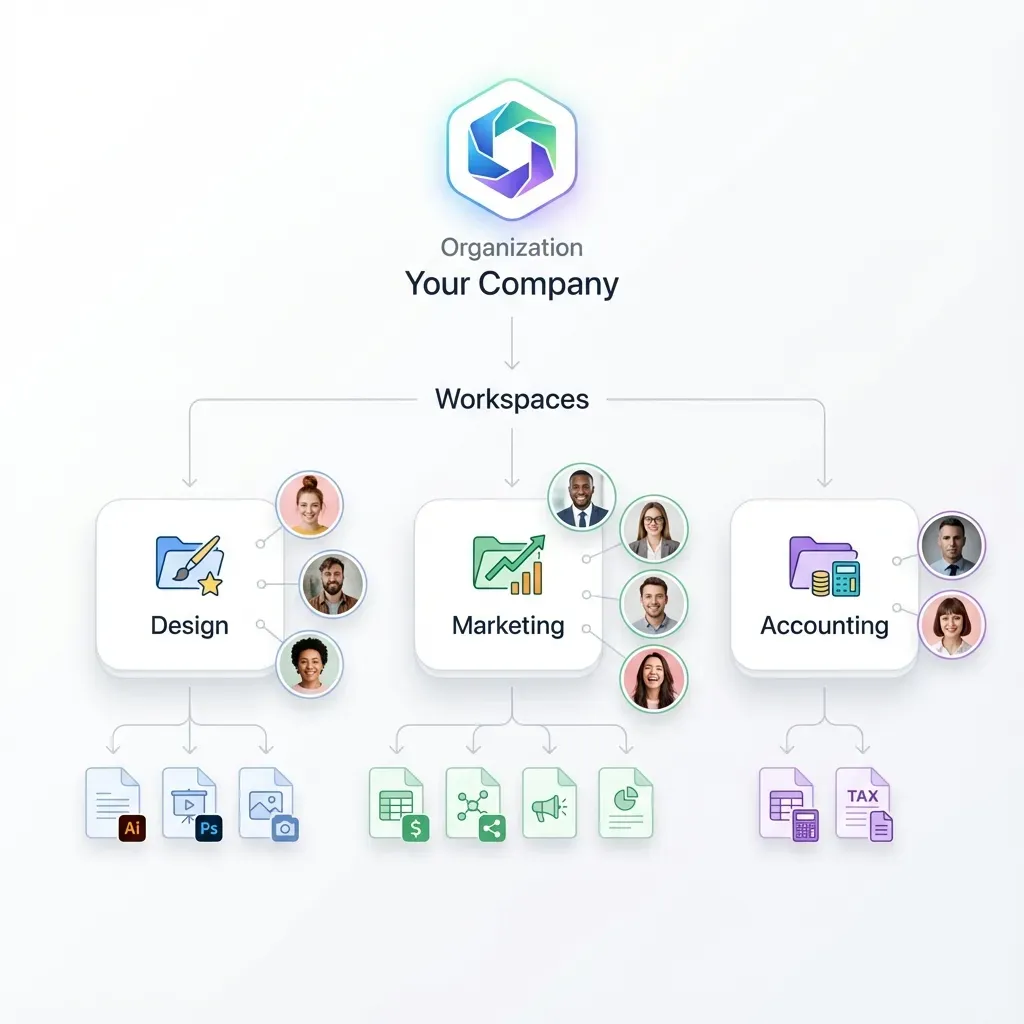
Helpful references: Fastio Workspaces, Fastio Collaboration, and Fastio AI.
Related guides
- How to Choose a Board Portal for Your NonprofitGuide to board portal nonprofits: Nonprofit boards need the same secure document access, meeting management, and...
- Best Ansarada Alternatives for Virtual Data Rooms in 2026Ansarada was a well-regarded virtual data room for M&A and due diligence, but Datasite's 2024 acquisition has raised...
- How to Use Data Room Analytics and Reporting to Close Deals FasterData room analytics track how participants interact with documents during due diligence, giving deal teams visibility...
- How to Choose a White Label Data Room for Client-Facing DealsA white label data room lets advisory firms, investment banks, and service providers rebrand a virtual data room with...
- Best Data Room Software for Secure Document SharingData room software provides secure, permission-controlled workspaces for sharing confidential documents during M&A,...
- How to Choose Board Meeting Software That Directors Will Actually UseBoard meeting software handles the full meeting lifecycle, from building agendas and distributing board packs to...
More on this subject: Data Rooms and Due Diligence (53 guides)
Features That Separate Good Board Software from Expensive Shelfware
The best board management platform is the one your directors actually open. Features don't matter if the tool sits unused because it's too complicated or doesn't fit how your board operates. Here's what to prioritize during evaluation.
Security and access controls
This is table stakes for any board portal. At minimum, look for encryption at rest and in transit, two-factor authentication, role-based permissions, remote wipe for lost devices, and granular audit trails that log who accessed what and when. Regulated industries like financial services and healthcare need vendors with specific compliance certifications such as enterprise security standards.
Director experience and adoption
Board members are often senior executives who didn't sign up to learn new software. If the portal requires training sessions to navigate, adoption will stall. Test the mobile app yourself. Try finding an agenda offline. Ask the vendor what their typical director adoption rate looks like after 90 days.
Board book and agenda management
The most time-consuming part of board preparation is assembling the board book. Good platforms let administrators build agendas, attach supporting documents, set reading order, and push updates without resending everything. Directors should be able to annotate directly in the platform.
Electronic voting and approvals
In-meeting polling, written consent resolutions, and asynchronous voting between meetings are standard in mature platforms. Look for timestamped vote records and the ability to track who has and hasn't voted on outstanding items.
AI-powered features
This is where the market is moving fastest. Newer platforms and updated incumbents now offer AI-generated meeting summaries, board book summarization, intelligent search across years of governance records, and automated minutes drafts. If your board handles large document volumes, AI features cut preparation time .
Integrations
Common needs include calendar sync (Outlook, Google Calendar), video conferencing (Zoom, Teams), e-signature services (DocuSign), and single sign-on through identity providers like Okta or Azure AD. Check whether integrations are native or require middleware.



Need a simpler way to share board materials?
Fastio gives you branded content portals, granular permissions, file version history, and AI-powered document search. Start with generous storage.
How the Top Board Management Platforms Compare
The board management market splits into three tiers: enterprise governance suites, mid-market platforms, and budget-friendly tools for small organizations. Here's how the leading vendors stack up.
Diligent Boards
Diligent is the market leader by installed base, serving over 700,000 leaders globally. Its platform covers the full governance lifecycle: board books, voting, D&O questionnaires, entity management, ESG reporting, and secure messaging.
Best for: Large enterprises and regulated organizations that need a comprehensive governance suite.
Strengths:
- Broadest feature set covering board management, entity governance, ESG, and risk oversight
- enterprise security standards certified with data centers in multiple regions
- AI-powered meeting preparation and document analysis
- Dedicated customer success teams for onboarding
Limitations:
- Pricing starts with entry-level plans for small boards and requires enterprise quotes for large deployments
- Feature depth can overwhelm organizations that only need basic portal functionality
- Multi-year contracts limit flexibility
OnBoard
OnBoard focuses on intuitive design and fast director adoption, serving over 6,000 organizations. Its AI features include Agenda AI, Book AI, and Minutes AI for automating the meeting lifecycle.
Best for: Mid-market organizations that want strong governance features without enterprise complexity.
Strengths:
- Clean interface that directors can use without training
- Three pricing tiers (Essentials, Premium, Ultimate) tailored to organization size
- AI tools for agenda creation, board book summarization, and minutes generation
- Fast implementation compared to enterprise vendors
Limitations:
- Feature set is narrower than Diligent for complex multi-entity governance
- Less established in regulated industries where compliance certifications matter
BoardEffect
Owned by Diligent.
BoardEffect targets nonprofits, associations, and mission-driven organizations. Over 14,000 organizations use it for governance workflows tailored to volunteer boards and committee structures.
Best for: Nonprofits and associations with committee-heavy governance.
Strengths:
- Purpose-built for nonprofit board structures and committee workflows
- AI board book summarization for directors managing multiple committee materials
- Strong focus on engagement tools for volunteer directors
- Pro and Plus tiers with custom pricing
Limitations:
- Limited to the nonprofit and association segment
- Custom pricing requires a sales conversation
Boardable
Boardable offers the most transparent pricing in the market, targeted at small nonprofits. Published rates start at $20.99/user/month for the Essentials plan, with Professional ($29.99) and Professional+ ($35.99) tiers.
Best for: Small nonprofits with tight budgets that need basic meeting management.
Strengths:
- Published per-user pricing with no sales calls required
- AI-generated meeting minutes
- Simple onboarding for small boards (5-15 members)
Limitations:
- Only serves nonprofits
- Video conferencing quality has received mixed reviews
- Feature set is basic compared to mid-market platforms
Azeus Convene
Convene consistently ranks high for usability in review platforms, with a strong presence in international markets. It serves both corporate and government boards.
Best for: Organizations with international directors who need strong mobile access and multilingual support.
Nasdaq Boardvantage
A legacy incumbent with significant market share among public companies. Some organizations have begun evaluating alternatives due to the platform's age and pace of feature updates.
Best for: Public companies already in the Nasdaq ecosystem looking for continuity.
How Much Board Management Software Costs
Pricing is one of the least transparent aspects of the board management market. Only a few vendors publish their rates, and enterprise vendors often require multi-year commitments before sharing numbers.
Here's what organizations typically pay based on size and complexity.
Small nonprofits (5-10 board members): Starting around $1,200 annually. Boardable and similar tools with per-user pricing fall in this range.
Small to mid-size organizations: Starting around $2,000 annually. Platforms like BoardPro (which charges $165/board/month for unlimited users) and OnBoard's Essentials tier serve this segment.
Mid-market organizations (10-25 members): Starting around $6,000 annually. OnBoard's Premium tier and BoardEffect's standard plans target boards with more complex governance needs.
Large mid-market and public companies: Starting around $15,000 annually. Diligent's core Boards product and similar enterprise-grade platforms land here.
Large enterprise (multi-entity, full governance suite): $100,000 to $250,000+ per year. Diligent's full platform spanning boards, entity management, ESG, and nominations commands this pricing when bundled.
Implementation fees add another $2,000 to $10,000+ depending on data migration complexity and training requirements. Annual renewal increases of 3-8% are standard across vendors.
One important budget consideration: organizations that don't need a full governance suite are paying for features they won't use. A workspace platform with strong document management, granular permissions, and audit trails can handle board material distribution at a fraction of the cost. Fastio, for example, provides branded content portals with guest access, granular permissions, and AI-powered document search, which works well for boards that need secure document sharing without the governance overhead.
When a Full Board Portal Is Overkill
Not every organization needs a dedicated board management suite. If your governance requirements are straightforward, meaning you run quarterly meetings, distribute a board pack, collect votes on a few resolutions, and keep minutes on file, a full portal may introduce more complexity than it removes.
Here's where organizations commonly over-buy:
Small boards with simple governance. A five-person advisory board meeting quarterly doesn't need entity management, D&O questionnaires, or compliance dashboards. They need a secure place to share documents, an organized agenda, and a way to vote between meetings.
Boards already using cloud collaboration tools. If directors are comfortable with a shared workspace platform, adding a separate board portal creates another login and another tool to learn. The better approach is to set up a dedicated, permission-controlled workspace within your existing platform.
Organizations focused on document security, not governance workflows. If the primary concern is keeping board materials secure and accessible (rather than managing complex governance processes), a content portal or secure workspace with audit trails covers the requirement.
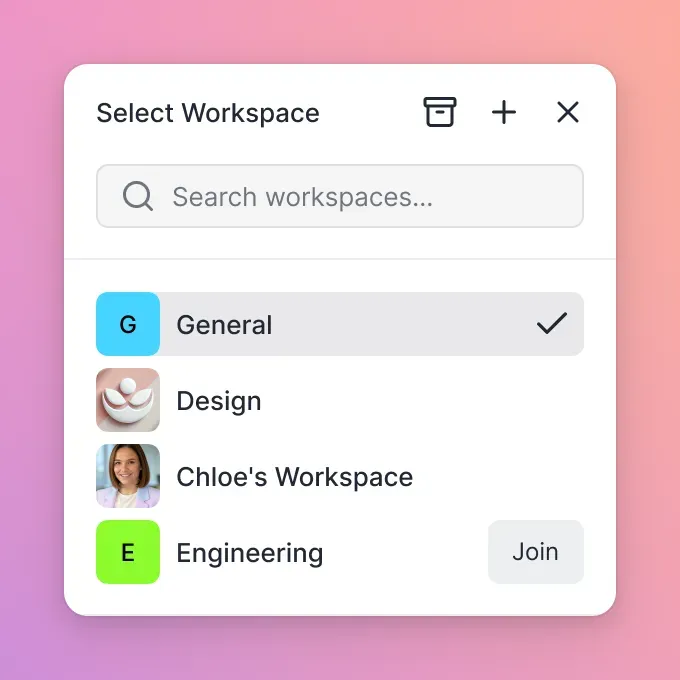
For these cases, Fastio offers a practical alternative. You can create a dedicated workspace for board materials with granular permissions that control exactly who sees what. Branded content portals give directors a clean, password-protected interface to access meeting documents without creating an account. File version history and granular permissions let you coordinate materials with a complete audit trail. And with Intelligence enabled, directors can ask Ripley AI questions about board documents and get answers with citations to specific pages, which beats reading through 200-page board packs.
A 14-day Business Trial lets you set up and test a board workspace without long-term commitment.
How to Evaluate Board Management Software for Your Organization
Skip the feature comparison spreadsheet. The vendors will all check every box you put in front of them. Instead, run your evaluation around these practical tests.
Test with your least technical director
Send the trial login to the board member who is least comfortable with technology. If they can find the agenda, open a document, and cast a vote without calling you, the platform passes the usability test. If they can't, no amount of features will drive adoption.
Load your actual board pack
Upload your most recent board book and meeting materials into the trial environment. Check how the platform handles large PDFs, Excel attachments, and presentation files. Try annotating a document. See if version control works when you replace a file after the pack has been distributed.
Test the offline and mobile experience
Directors review materials on planes, in cars, and in waiting rooms. Download the mobile app during trial and try accessing the board pack without internet. Some platforms sync materials for offline access, others don't.
Ask about exit terms
Multi-year contracts are common in this market. Before signing, ask about data export options, renewal terms, and what happens to your governance records if you switch vendors. Some platforms make migration straightforward. Others make it painful enough that you stay.
Calculate total cost, not just license cost
Add implementation fees, annual training sessions for new directors, renewal increases, and the cost of any add-on modules (e-signatures, entity management, compliance tools) that you'll need within the first year. The listed price is rarely the actual price.
Consider starting simple
If you're evaluating board management software for the first time, start with a platform that covers the basics well and can grow with you. Signing an expensive contract for a governance suite when you only need secure document sharing is a budget mistake that locks you in for years. Start with what your board actually needs today, and upgrade when governance complexity demands it.
Sources
References used to verify factual claims in this guide.
-
The global board portal market was valued at roughly $3.3 billion in 2025
-
Diligent is used by over 700,000 leaders globally
-
OnBoard serves over 6,000 organizations
-
BoardEffect serves over 14,000 mission-driven organizations
-
Boardable pricing starts at $20.99/user/month
Frequently Asked Questions
What is board management software?
Board management software is a digital platform that centralizes how organizations prepare, distribute, and manage board meeting documents, agendas, votes, and governance records. It replaces email-based document distribution and consumer file sharing with a secure workspace built for board operations. Core features include agenda and board book management, electronic voting, audit trails, and mobile access for directors.
What software do boards of directors use?
The most widely used board management platforms include Diligent Boards (the market leader serving large enterprises), OnBoard (mid-market with strong AI features), BoardEffect (nonprofits and associations), and Boardable (small nonprofits with transparent per-user pricing). Some organizations use general-purpose workspace platforms like Fastio for board document management when they don't need a full governance suite. The choice depends on organization size, governance complexity, and budget.
How much does board portal software cost?
Board portal pricing ranges from entry-level plans for small nonprofits using tools like Boardable to over $100,000 for large enterprises on Diligent's full governance suite. Mid-market platforms like OnBoard typically start around $6,000 annually. Most enterprise vendors require a sales conversation for a quote. Budget for implementation fees ($2,000-$10,000+) and annual renewal increases of 3-8% on top of the license cost.
What features should board management software have?
Essential features include secure document management with version control, agenda and board book assembly, electronic voting and resolution tracking, granular role-based permissions, audit trails logging all access, and mobile/offline access. AI-powered document summarization and meeting minutes are increasingly standard. Integrations with calendar apps, video conferencing, and e-signature services round out the core feature set. Prioritize usability over feature count, since the best portal is the one your directors actually use.
Is board management software worth it for small organizations?
It depends on your governance complexity. If you run quarterly meetings with a small board and straightforward governance, a full board portal may be overkill. A secure workspace platform with document sharing, permissions, and audit trails can cover the requirement at much lower cost. Board portal software pays for itself when you have complex governance needs: multiple committees, regulatory compliance requirements, frequent voting cycles, or a large board where coordination through email breaks down.
How long does it take to implement board management software?
Implementation timelines vary by platform and complexity. Lightweight tools like Boardable or Fastio can be set up in a day. Mid-market platforms like OnBoard typically take 2-4 weeks including data migration and director training. Enterprise deployments with Diligent or similar vendors can take 6-12 weeks, especially when migrating years of governance records, configuring SSO, and training directors and administrators across multiple entities.
Related Resources

Need a simpler way to share board materials?
Fastio gives you branded content portals, granular permissions, file version history, and AI-powered document search. Start with generous storage.