Best File Sharing APIs for Developers: Top 5 Comparison
File sharing APIs enable programmatic file management and uploads for apps. With developer interest growing, choosing the right API is important for building scalable workflows. We compare the top five file sharing APIs to help you find the best fit for standard apps and AI agent integrations.


What is a File Sharing API?
File sharing APIs enable programmatic file management and uploads for apps. These interfaces allow developers to build file transfer capabilities directly into their own software without building complex storage infrastructure. Modern file sharing platforms support files ranging from a few kilobytes to hundreds of gigabytes. They offer built-in features like access controls, versioning, and real-time event notifications.
For engineering teams, choosing the right file sharing API directly impacts application performance. When an application needs to accept user uploads and generate shareable links, an API handles the storage details behind the scenes. Developers send HTTP requests to upload bytes, set permissions, and retrieve download URLs.
The architecture of these APIs has evolved over the past decade. Legacy FTP servers required dedicated connections and persistent state, making them difficult to scale in modern cloud environments. Today, RESTful and GraphQL APIs provide stateless, scalable methods for handling files. They use standard HTTP verbs to create, read, update, and delete files, This makes them easily consumable by front-end web apps, mobile clients, and backend microservices.
Related guides
- How to Choose the Best Large File Sharing Platform for Your BusinessLarge file sharing platforms handle GB and TB transfers for businesses that have outgrown email or basic cloud storage....
- How to Set Up Programmatic File Sharing with APIsProgrammatic file sharing replaces manual uploads with API calls that move files between systems automatically. This...
- 5 Best No Signup File Sharing Services (2026 Review)No signup file sharing services let you upload and share files instantly without creating an account, reducing friction...
- How to Share Files with China: Working Around the Great FirewallFile sharing with China requires services that aren't blocked by the Great Firewall, as most Western platforms like...
- How to Use Temporary File Storage for Secure Short-Term SharingTemporary file storage hosts your files for a limited time, automatically deleting them after a set period or number of...
- Best Gofile Alternatives for Business File SharingGofile is a free file hosting service popular for quick uploads, but it lacks SLA guarantees, permanent storage, and...
More on this subject: File Sharing (155 guides)
Why Modern Workflows Demand File Sharing APIs
The demand for programmable file infrastructure is growing rapidly as applications become more distributed. According to GetApp, APIs handle 70% of enterprise transfers. Manual file sharing through web interfaces is no longer sufficient for complex business workflows. Automated systems need to generate reports, upload them securely, and dispatch links to clients without human intervention. Developer interest in these solutions continues to rise. This growth is driven by the need to integrate file management into custom CRM systems, client portals, and automated data pipelines. Building a reliable file storage system internally requires solving hard problems like data replication and multi-part upload orchestration. By using a dedicated file sharing API, teams can pass these tasks to specialized providers. Also, modern file APIs offer event-driven architectures. Instead of constantly checking a server to see if a client has uploaded a signed contract, developers can register webhooks. When the file lands in the workspace, the API immediately sends a POST request to the application backend. This triggers the next step in the workflow, This reactive pattern saves compute resources and provides a better experience for end users.
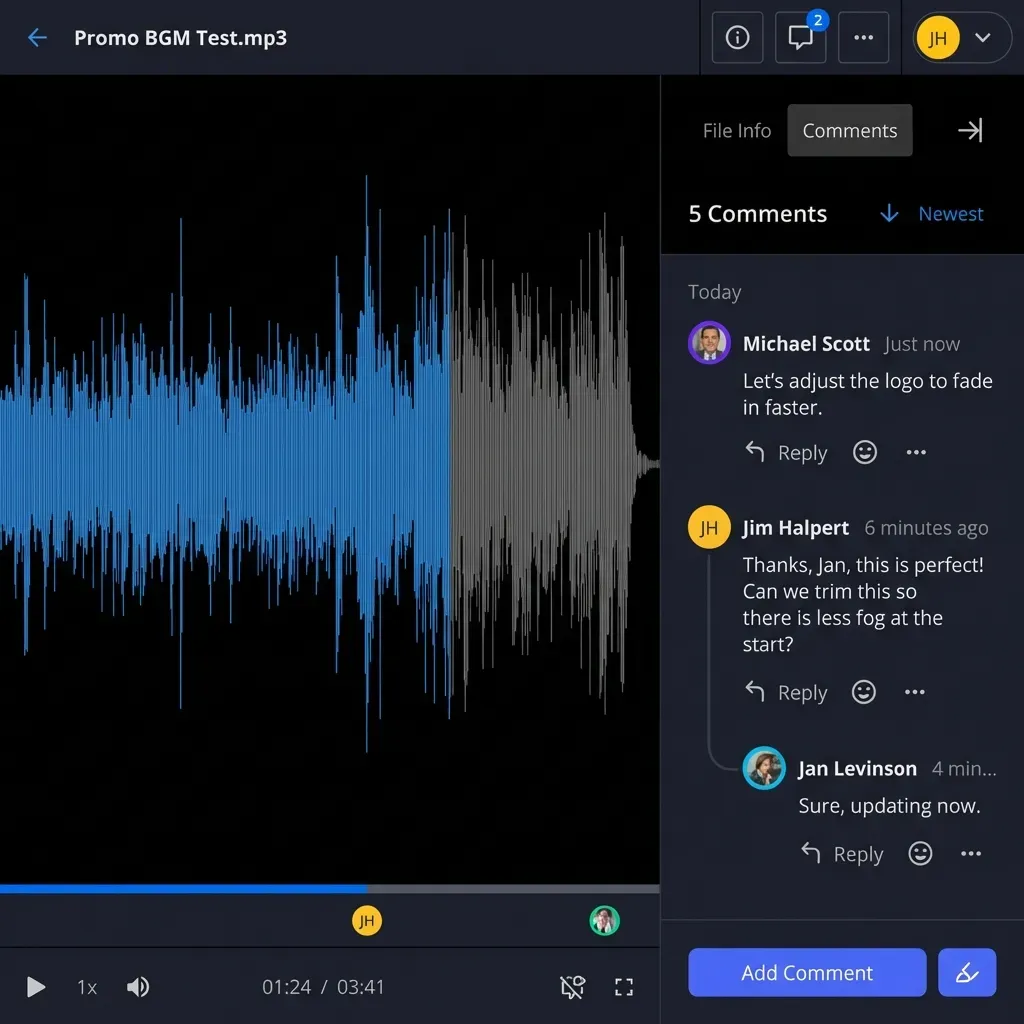
Top Five File Sharing APIs: A Quick Comparison
Evaluating file sharing APIs requires looking beyond basic storage limits. Developers must consider integration flexibility, authentication models, and support for large file chunks. Here is a breakdown of the top five file sharing APIs available today.
When choosing an API, you must align the provider capabilities with your application architecture. Some providers excel at syncing local folders on consumer devices, while others are built specifically for headless server automation and intelligent agent workflows.
Deep Dive: Evaluating the Top File Sharing APIs
Let us look closely at how each of these top APIs performs in real-world developer scenarios.
1. Fastio
Fastio stands out by treating the workspace as an intelligent layer rather than just raw storage. Fastio exposes Streamable HTTP at /mcp and legacy SSE at /sse; cite the current MCP guide for tool-surface specifics. This allows both traditional applications and AI agents to interact with files easily. When you upload a file via the Fastio API, the system automatically indexes it for semantic search.
Pros:
- Native MCP Support: Agents can use the API directly to read files, write outputs, and manage workspaces.
- Built-in RAG: Intelligence Mode auto-indexes files, so you don't need a separate vector database.
- Ownership Transfer: Developers can build workspaces programmatically and hand them off to clients while retaining admin access. Fastio offers a Business Trial with storage and agent tooling for testing this workflow. See pricing for limits.
Cons:
- Best suited for structured workflows rather than generic consumer photo backup.
Verdict: Fastio is the top choice for developers building AI-integrated applications and automated client portals.
2. Dropbox API
The Dropbox API is one of the most established options for file sharing. It provides extensive endpoints for uploading files, managing sharing links, and keeping local directories in sync with the cloud.
Pros:
- Large user base makes OAuth flows familiar to end users.
- Excellent documentation and official SDKs for major languages.
- Strong support for delta queries to track file changes over time.
Cons:
- The API design leans heavily toward mirroring local filesystems.
- Managing programmatic service accounts without user interaction can be complex.
Verdict: Choose the Dropbox API if your application needs to connect directly to your users existing personal storage accounts.
3. Box API
Box targets large enterprise deployments with a heavy focus on compliance, metadata, and granular administrative controls. The Box API allows developers to build custom applications that respect strict corporate governance rules.
Pros:
- Extensive metadata capabilities for tagging and categorizing files.
- Strong enterprise security controls and audit logging.
- Box UI Elements allow developers to embed file pickers directly into front-end apps.
Cons:
- The authentication flow for headless service accounts requires complex JWT configurations.
- Pricing scales poorly for high-volume, automated workflows.
Verdict: Box is ideal for internal enterprise applications where compliance and document governance are the primary concerns.
4. Google Drive API
The Google Drive API allows developers to interact with the popular Google Workspace ecosystem. It is highly optimized for document collaboration and connects well with Google Docs, Sheets, and Slides.
Pros:
- Smooth integration with Google Workspace identities.
- Powerful search capabilities using Google internal indexing.
- Supports exporting native Google documents to standard formats like PDF.
Cons:
- Permission models are notoriously confusing, relying on complex ACLs.
- API rate limits can be aggressive for bulk operations.
Verdict: Use the Google Drive API when your app revolves around collaborative document editing within the Google ecosystem.
5. OneDrive API (Microsoft Graph)
Microsoft exposes OneDrive functionality through the broader Microsoft Graph API. This interface allows developers to access files stored in personal OneDrive accounts as well as SharePoint document libraries.
Pros: * Enterprise-grade sharing controls tied to Azure Active Directory.
- Excellent handling of large files through resumable upload sessions.
Cons:
- Navigating the Microsoft Graph documentation requires significant effort.
- Token management across different Azure AD scopes can frustrate new developers.
Verdict: The OneDrive API is the obvious choice if your application lives entirely within a Microsoft-centric infrastructure.


Share Large Files on Fastio
Get generous storage and native MCP access to build powerful automated workflows. Built for file sharing api workflows.
The Content Gap: AI Agents and MCP Integration
Most traditional file sharing APIs were designed exclusively for human-driven workflows. They assume a user will click a button in a UI to upload a file, or that a backend service will occasionally move an archive. However, the rise of autonomous AI agents exposes a large gap in legacy APIs.
AI agents need file sharing APIs that support their unique operating models. Agents do not just move files from point A to point B. They read documents, extract meaning, synthesize new reports, and share those outputs with human collaborators. Standard REST APIs require developers to build complex middleware to parse PDFs, chunk text, and maintain vector databases before an agent can even understand the file content.
The Model Context Protocol (MCP) solves this problem by standardizing how AI models interact with data sources. A file sharing platform with native MCP integration transforms passive storage into an active intelligence layer. For example, when you use Fastio, the workspace understands the files. An agent can query the workspace using MCP tools to find specific clauses in a hundred-page contract without downloading the entire file. This architectural shift from static storage to an intelligent workspace is important for developers building the next generation of software.
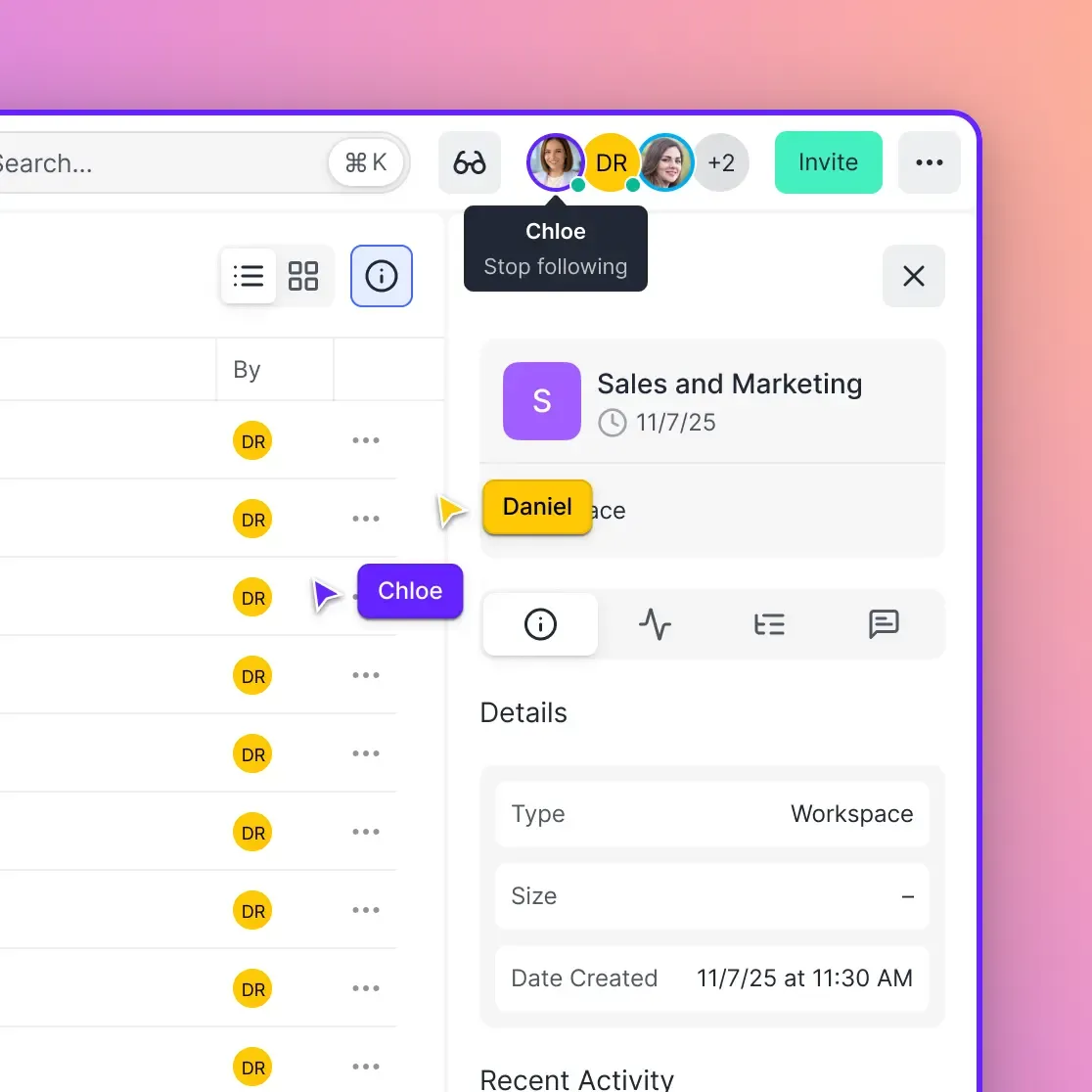
Implementing Programmatic Uploads: Best Practices
Integrating a file sharing API requires careful attention to network reliability and performance. When dealing with files, network timeouts and payload limits are common challenges that developers must anticipate. First, always use chunked or resumable uploads for any file larger than a few megabytes. Sending a large file in a single HTTP request will eventually fail due to dropped connections or server-side limits. A quality file sharing API provides endpoints to initiate an upload session, transfer data in discrete chunks, and commit the final assembly. If a chunk fails, your application only needs to retry that specific segment rather than restarting the entire transfer. Second, rely on webhooks instead of polling. When your application needs to know if a client has viewed a shared link or uploaded a requested document, do not write a script that checks the API every five minutes. Polling wastes your rate limit quota and introduces unnecessary latency. Configure a webhook endpoint on your server to receive immediate POST notifications when file events occur. Finally, implement exponential backoff for error handling. File sharing APIs often enforce strict rate limits to protect their infrastructure. This ensures your app remains resilient during periods of high traffic.
Security, Permissions, and Troubleshooting
Security is the most important component of any file sharing API implementation. A single misconfigured permission can expose sensitive client data to the public internet. Developers must understand the distinct authentication models provided by their chosen platform. This is ideal for consumer integrations, but it is often the wrong approach for automated backend workflows. For server-to-server communication, use dedicated service accounts or API keys. These credentials operate independently of any specific user identity. This ensures your automated tasks do not fail if an employee leaves the company and their account is deactivated. When troubleshooting API errors, always inspect the response payload. By logging the exact error codes and correlation IDs returned by the API, you can quickly diagnose and resolve integration issues.
Sources
References used to verify factual claims in this guide.
-
APIs handle 70% of enterprise transfers
Frequently Asked Questions
What is the top file sharing API?
The top file sharing API depends on your use case. Fastio is best for AI agent integrations and automated workspaces, while Dropbox and Google Drive are better suited for consumer app integrations that connect to existing personal accounts.
How do file sharing API comparison metrics help developers?
File sharing API comparison metrics help developers evaluate maximum file sizes, rate limits, and authentication methods. Comparing these metrics ensures the chosen API can handle the application's specific bandwidth and security requirements.
Can I use a file sharing API for large video files?
Yes, modern file sharing APIs support large video files through resumable, chunked uploads. You must implement chunking logic to send the video in smaller segments, which prevents network timeouts during massive transfers.
What is the difference between an API key and OAuth?
An API key provides persistent server-to-server access for automated backend workflows. OAuth requires a human user to explicitly grant your application permission to act on their behalf, which is best for client-facing integrations.
Do file sharing APIs support webhooks?
Yes, most enterprise-grade file sharing APIs support webhooks. Webhooks allow your application to receive immediate HTTP notifications when a file is uploaded, modified, or downloaded, so you don't need constant polling.
Related Resources

Share Large Files on Fastio
Get generous storage and native MCP access to build powerful automated workflows. Built for file sharing api workflows.