How to Evaluate Virtual Data Room Software for Secure Deals
Virtual data room software is a secure cloud platform built for sharing confidential documents during M&A transactions, due diligence, fundraising, and legal proceedings. This guide breaks down the features that matter, how pricing actually works, and what AI capabilities are worth paying for in 2026.

What Virtual Data Room Software Actually Does
Virtual data room software provides a controlled environment for sharing confidential documents with external parties. Unlike general cloud storage, VDR software is designed around a specific problem: letting outside parties review sensitive information without losing control of it.
The typical use cases include M&A due diligence (where buyers review thousands of financial, legal, and operational documents), fundraising (where startups share cap tables, financials, and IP documentation with potential investors), and legal proceedings (where counsel exchanges privileged material under strict access controls).
A standard M&A deal involves tens of thousands of pages of documents. Managing that volume through email attachments or shared drives creates security gaps and organizational chaos. VDR software solves this by combining document management, access control, and audit logging into a single platform designed for high-stakes external sharing.
The global VDR market reflects this demand. Research firms project the market will reach between $3.5B and $4.7B by 2028, growing at roughly 13-14% annually. That growth is driven partly by regulatory pressure and partly by the shift from physical data rooms (yes, people still used those) to cloud-based alternatives.
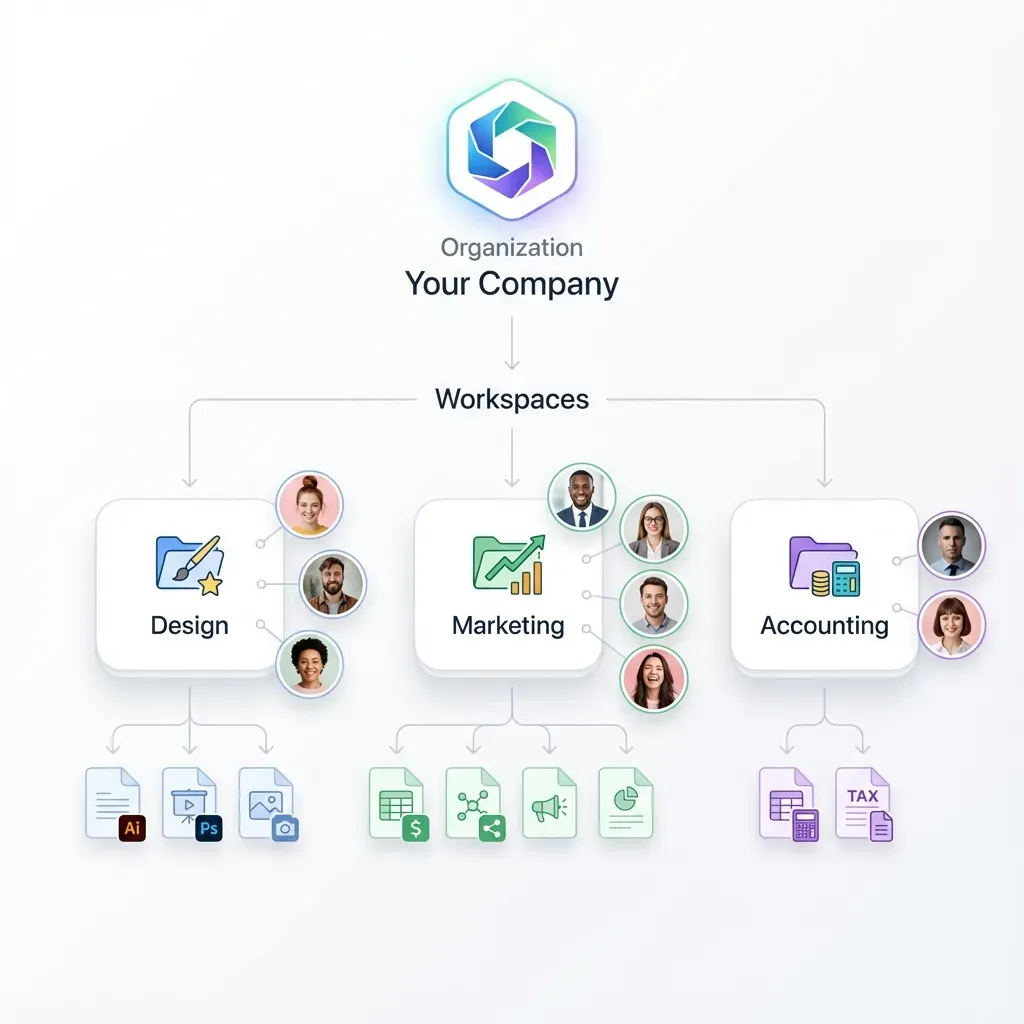
Helpful references: Fastio Workspaces, Fastio Collaboration, and Fastio AI.
Core Features Every VDR Should Have
Not every feature on a vendor's marketing page matters equally. Here is what actually impacts your deal workflow, ranked by how often it causes problems when missing.
Granular permissions
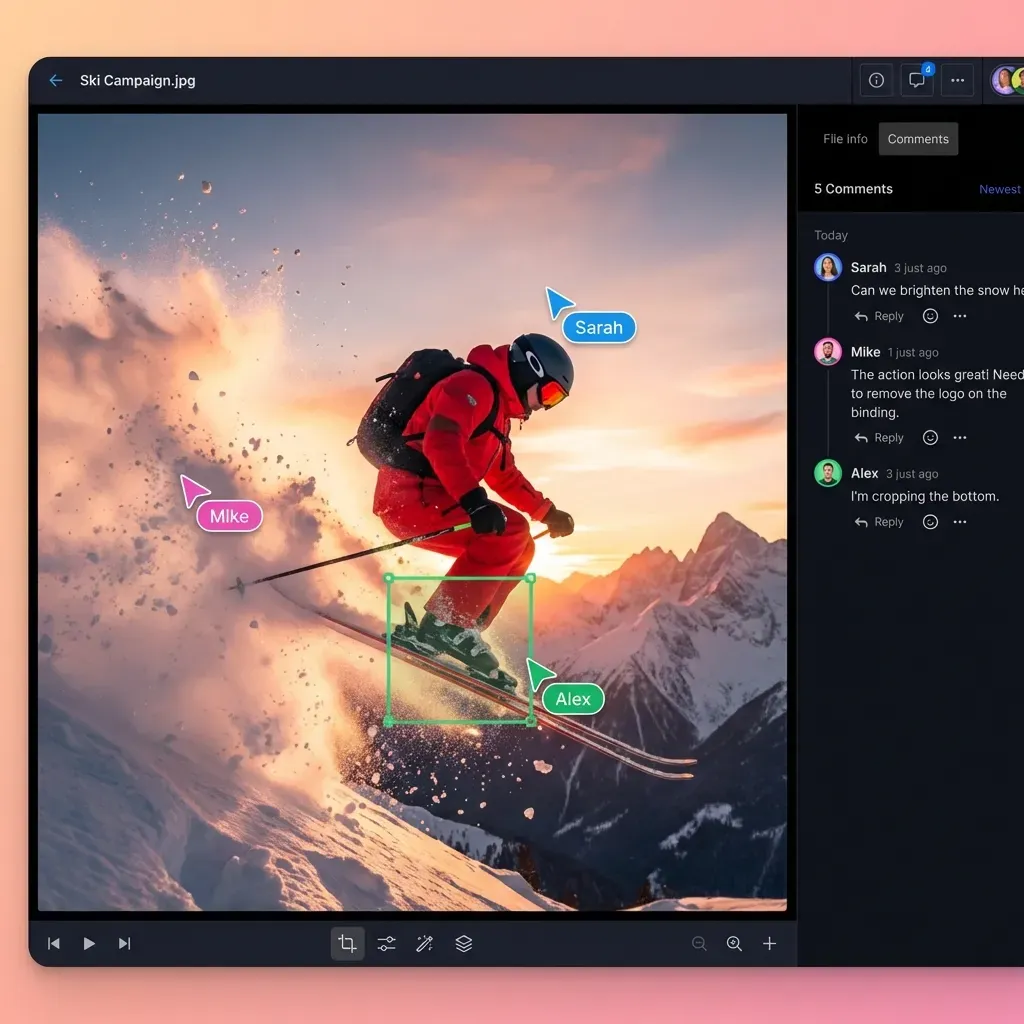
The minimum bar is folder-level access control. Better VDR software lets you set permissions at the document level, controlling who can view, download, print, or copy each file. Some platforms offer fence view, which lets users read documents in-browser but blocks screenshots, downloads, and printing entirely.
Audit trails
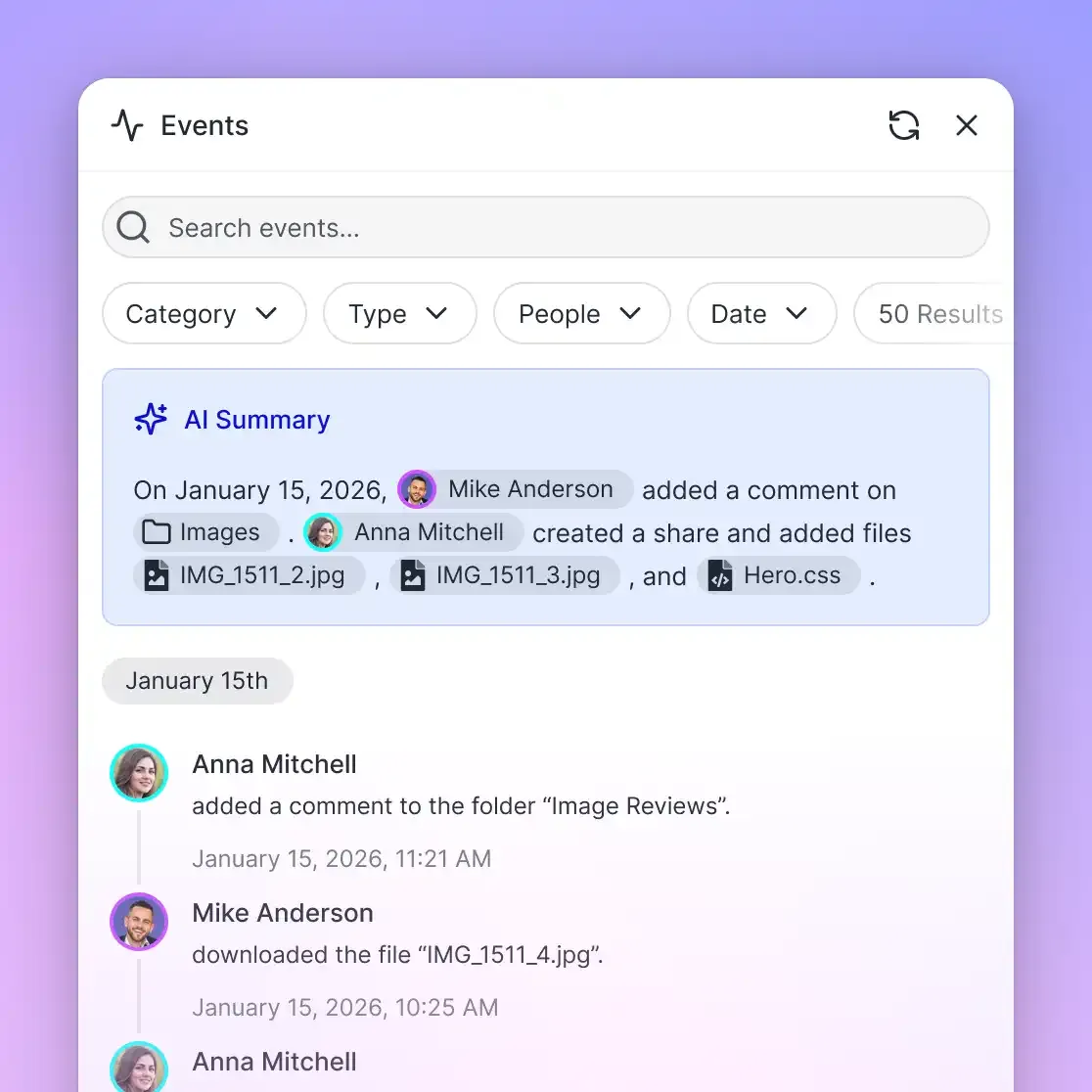
You need to know who accessed what, when, and for how long. Good audit trails go beyond basic access logs. They track page-level engagement, showing which sections a bidder spent time on and which documents they skipped. This data shapes negotiation strategy.
Q&A workflows
Structured Q&A lets buy-side teams ask questions directly within the data room, routed to the right people on the sell-side. Without this, you end up managing questions across email threads, losing context and creating security risks.
Bulk upload and auto-indexing
Loading 50,000 pages into a data room should not take a week. Look for drag-and-drop bulk upload, automatic folder structure creation, and optical character recognition for scanned documents.
Dynamic watermarking
Watermarks that embed the viewer's identity into every document page deter unauthorized sharing. Static watermarks are cosmetic. Dynamic ones create accountability.
Branded sharing
For client-facing deals, the data room should support your branding, not the vendor's. White-label options, custom domains, and branded login pages signal professionalism to counterparties.
How VDR Pricing Actually Works
VDR pricing is notoriously opaque. Most enterprise vendors require custom quotes, and the final cost often exceeds the initial estimate by a wide margin. Understanding the pricing models helps you avoid surprises.
Per-page pricing
Some legacy providers charge per page uploaded, typically around $0.40 to $0.80 per page. For a 50,000-page M&A deal, that is $20,000 to $40,000 just for storage, before you add users or features. This model punishes large deals and discourages uploading everything relevant.
Flat monthly fees
Mid-market VDR software typically charges $500 to published pricing with storage and user limits. This is more predictable, but watch for overage charges when you exceed included storage or user seats.
Enterprise custom pricing
Large providers like Datasite and Intralinks price per-deal, often starting at published pricing and reaching $50,000 to $200,000 or more for complex M&A transactions. The price includes premium support, compliance certifications, and advanced analytics.
Usage-based credits
Newer platforms use consumption-based pricing where you pay for what you use. Fastio, for example, meters storage, bandwidth, and AI operations through a credit system. Their free agent plan includes 50 GB of storage and 5,000 monthly credits with no credit card required, which covers smaller deals and fundraising rounds without upfront cost.
What inflates costs
The biggest pricing traps are per-user fees that spike when you add external reviewers, bandwidth charges for large file downloads, and premium support tiers that gate basic features like phone support behind expensive plans. Ask vendors for a total cost estimate based on your specific deal parameters, not their base price.


Set Up a Secure Data Room in Minutes
Fastio gives you granular permissions, audit trails, branded shares, and AI-powered document search. Start with 50 GB free storage, no credit card required. Built for virtual data room software workflows.
AI Features Worth Evaluating
Every VDR vendor now markets AI capabilities. Some are genuinely useful. Others are repackaged keyword search with a chatbot interface. Here is how to tell the difference.
Document classification and auto-tagging
Useful AI can read uploaded documents, identify their type (financial statement, employment agreement, patent filing), and sort them into the correct folder structure automatically. This saves days of manual organization on large deals. The test: upload 500 unsorted documents and see how accurately the system categorizes them without human correction.
AI-powered redaction
Redacting personally identifiable information across thousands of pages is tedious and error-prone when done manually. AI redaction tools can identify and mask names, social security numbers, account numbers, and other sensitive data automatically. Datasite's platform handles over 100 PII types. The risk of missing a single unredacted SSN makes this feature worth evaluating carefully.
Semantic search and Q&A
Basic search finds exact keyword matches. Semantic search understands intent, so searching for "vendor payment terms" returns relevant clauses even when documents use different terminology. Some platforms take this further with RAG-powered chat, letting you ask natural language questions and get answers with citations to specific documents and pages.
Fastio's Intelligence Mode works this way. When enabled on a workspace, it auto-indexes uploaded files for semantic search and citation-backed AI chat. You can ask questions like "What are the payment terms in the vendor agreements?" and get answers pointing to specific documents and pages. There is no separate vector database to configure.
What to be skeptical about
Claims about AI reducing due diligence timelines by 60% or more come from vendor-funded research, not independent studies. AI helps with document organization, search, and redaction. It does not replace the judgment of experienced deal professionals reviewing complex legal and financial documents. Evaluate AI features based on specific tasks they automate, not vendor headline claims.
VDR Software vs. Cloud Storage
This is the most common question from teams considering their first data room, and the answer matters more than vendors want to admit.
General cloud storage platforms like Google Drive, Dropbox, and OneDrive are built for internal team collaboration. They work well for everyday file sharing where everyone involved is a trusted colleague. VDR software is built for controlled disclosure to external parties who should see specific documents under specific conditions.
The practical differences show up in three areas.
Access granularity
Cloud storage typically offers folder-level sharing with view or edit permissions. VDR software offers document-level controls with options to allow viewing but block downloading, printing, or copying. Some platforms include fence view that prevents screenshots by displaying documents only within a controlled browser environment.
Audit depth
Google Drive logs basic access events. VDR software tracks page-level engagement, showing exactly which pages a reviewer read and how long they spent on each one. For M&A deals, this engagement data directly influences deal strategy.
Compliance and certifications
Enterprise VDR providers typically hold enterprise security standards, security requirements, and sometimes strict security requirements or privacy requirements certifications. General cloud storage has some of these certifications, but the surrounding workflow tools (permissions, watermarking, Q&A) are not designed for regulated disclosure scenarios.
When cloud storage is enough
For early-stage fundraising with a handful of investors reviewing a small document set, a well-organized Google Drive folder with view-only links might be sufficient. Fastio sits between these extremes. It offers granular permissions, audit trails, and branded shares with guest access controls, but uses a workspace model that feels more like modern cloud storage than a traditional data room. For teams that need data room controls without the enterprise VDR price tag, this middle ground is worth considering.
How to Run a VDR Software Evaluation
Evaluating VDR software during an active deal is stressful. Running the evaluation before you need it gives you use and better outcomes. Here is a practical evaluation framework.
Step 1: Define your deal profile
Document the typical number of pages, users, and external parties for your deals. Note whether you need specialized features like redaction, multi-language support, or specific compliance certifications. This profile becomes your evaluation checklist.
Step 2: Request sandbox access
Every serious VDR vendor offers a trial or sandbox environment. Upload a representative sample of documents (not actual confidential files) and test the workflow end-to-end. Invite colleagues to play the role of external reviewers. Time how long setup takes and note friction points.
Step 3: Test the features that matter
Upload a batch of unsorted documents and evaluate auto-classification accuracy. Set up granular permissions and verify they work as expected. Run a Q&A workflow. Pull an audit report and check whether it contains the detail you need. Search for a concept (not just a keyword) and evaluate result quality.
Step 4: Get a real price quote
Provide your deal profile and ask for a total cost estimate including all users, storage, bandwidth, and support. Ask specifically about overage charges and what happens if you exceed included limits. Compare the total cost, not the per-month base price.
Step 5: Evaluate the exit
How do you get your documents out when the deal closes? Some platforms make export easy. Others make it painful, counting on lock-in to drive renewals. Test the export process during your evaluation, not after you have committed.
For teams evaluating multiple platforms, start with a free tier where available. Fastio's free plan with 50 GB of storage works for initial testing without procurement approval. Combine it with trials from one or two enterprise providers to compare the experience across price points.
Agent and API access
If your workflow involves automated document processing, check whether the VDR offers API access for programmatic uploads, permission management, and search. Fastio provides a REST API and an MCP server that AI agents can use to upload documents, set permissions, and query indexed files. This matters for teams building automated due diligence pipelines or using AI agents to prepare deal rooms.
Frequently Asked Questions
What is virtual data room software?
Virtual data room software is a secure cloud platform designed for sharing confidential documents with external parties during transactions like M&A deals, fundraising rounds, and legal proceedings. It differs from regular cloud storage by offering granular document-level permissions, detailed audit trails, Q&A workflows, and compliance features built for high-stakes document disclosure.
What features should VDR software have?
Essential features include granular permissions (document-level access control), comprehensive audit trails with page-level engagement tracking, structured Q&A workflows, bulk upload with auto-indexing, dynamic watermarking, and branded sharing. AI features like document classification, automated redaction, and semantic search are increasingly important for large deals.
How much does virtual data room software cost?
Pricing varies widely by model. Per-page pricing runs $0.40 to $0.80 per page. Flat monthly plans range from $500 to $5,000. Enterprise deals with providers like Datasite or Intralinks can cost $10,000 to $200,000 per deal. Some newer platforms like Fastio use usage-based credit pricing with free tiers that cover smaller deals.
Is virtual data room software secure?
Enterprise VDR software typically includes encryption at rest and in transit, two-factor authentication, IP restrictions, dynamic watermarking, and fence view to prevent unauthorized copying. Many providers hold enterprise security standards and security requirements certifications. Security varies by vendor, so evaluate specific controls against your compliance requirements rather than relying on marketing claims.
What is the difference between VDR software and cloud storage?
Cloud storage like Google Drive is built for internal team collaboration with folder-level sharing. VDR software is built for controlled external disclosure with document-level permissions, engagement-tracking audit trails, Q&A workflows, and compliance certifications. VDR software is designed for scenarios where you need to share sensitive documents with outside parties while maintaining strict control over access.
Can AI agents work with virtual data room software?
Some VDR platforms now offer API and AI integration capabilities. Fastio, for example, provides a REST API and MCP server that AI agents can use to upload documents, manage permissions, run semantic searches, and query indexed files. This enables automated due diligence workflows where agents prepare and organize deal rooms before human review.
Related Resources

Set Up a Secure Data Room in Minutes
Fastio gives you granular permissions, audit trails, branded shares, and AI-powered document search. Start with 50 GB free storage, no credit card required. Built for virtual data room software workflows.