How to Manage Virtual Data Room Ownership Transfer
Virtual data room ownership transfer hands control of sensitive deal documents from one party to another after due diligence. AI agents often set up the data room and pass it to human teams or clients. This keeps files organized and access controlled. Fastio simplifies VDR ownership handover with built-in agent support.


What Is Virtual Data Room Ownership Transfer?
Virtual data room ownership transfer changes who controls a VDR after key phases of a deal conclude. The original owner assigns full admin rights to a new user or organization. Files stay intact, permissions update, and audit logs record the shift. This is a distinct operation from simply sharing access to folders or files.
In M&A or legal deals, buyers take over seller data rooms once due diligence is complete. The seller has built the room, uploaded financial statements, legal documents, and intellectual property records. Now the buyer needs full control to continue the process toward closing. The transfer must be clean, documented, and immediate.
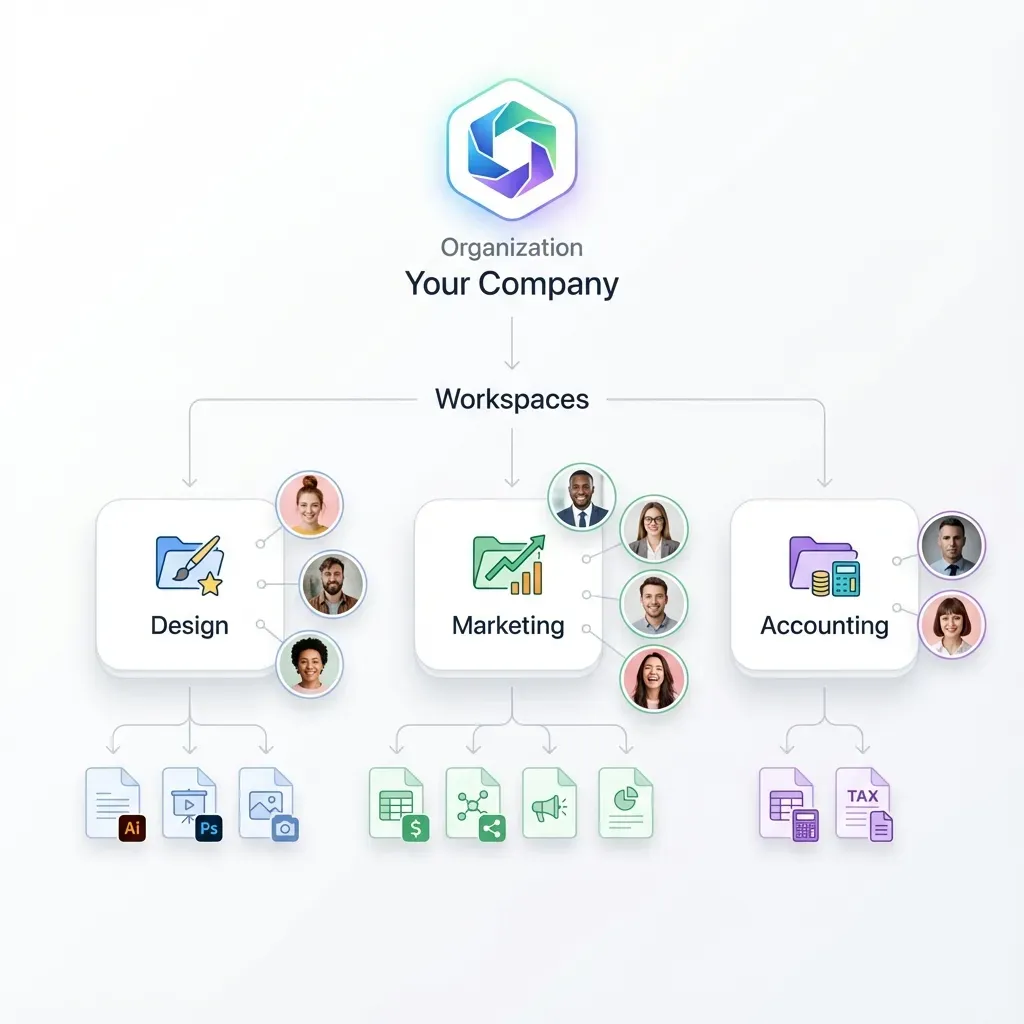
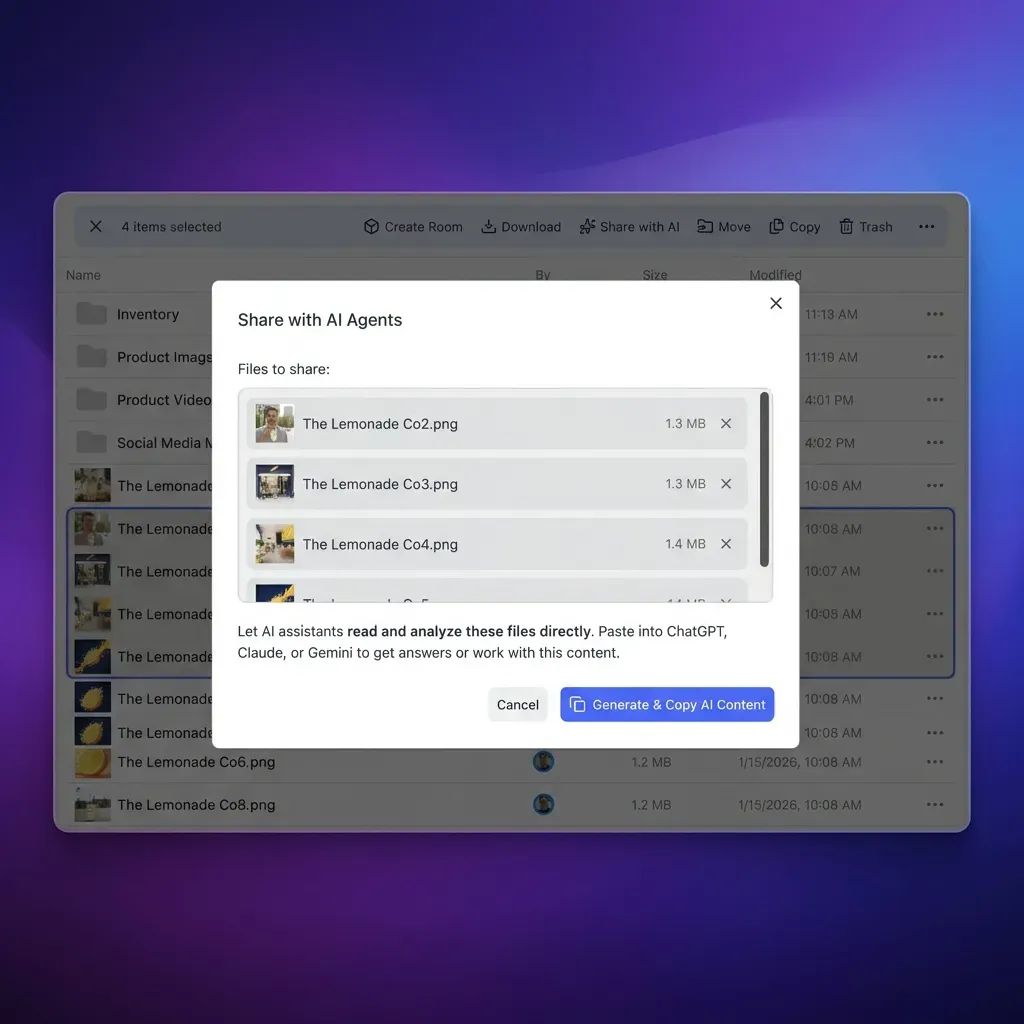
AI agents increasingly handle the initial setup phase. They create organizations, set up workspaces, upload and organize documents, and configure initial permissions. The agent might use MCP tools to pull files from Google Drive, OneDrive, Box, or Dropbox without manual download and re-upload. They set up folder structures, apply access controls, and ensure everything is indexed for search. Then they transfer ownership to a human team or client who takes over from there.
This differs from simple sharing in important ways. Ownership means the new party handles invites, edits permissions, and closes the room. They can remove old participants, add new ones, change branding, and set expiration policies. When ownership transfers, the new controller gains the ability to modify folder structures, adjust user access levels, remove participants, and set room expiration policies. They can also run compliance reports, download full audit trails, and manage integrations with external tools.
The transfer process matters most in transactions where multiple parties access sensitive documents over extended periods. Private equity firms conducting buy-side due diligence, investment banks managing sell-side processes, and corporate development teams handling acquisitions all rely on clean handovers to maintain deal momentum. When ownership transfers fail or require manual intervention, deals stall and compliance documentation gaps emerge.
Helpful references: Fastio Workspaces, Fastio Collaboration, and Fastio AI.
Related guides
- How to Integrate AI into Virtual Data RoomsAI agents in virtual data rooms search documents and automate tasks securely. Unlike traditional VDRs with separate Q&A...
- How to Build an Agentic Virtual Data Room for Due DiligenceAgentic virtual data rooms use AI agents for automated due diligence, handling document review and secure sharing. Skip...
- Best iDeals Virtual Data Room Alternatives for 2026iDeals is one of the most popular virtual data rooms for M&A and due diligence, but it is not the only option. This...
- How to Set Up a Private Equity Virtual Data RoomPrivate equity virtual data rooms protect deal documents during fundraising, buyouts, and exits. This guide covers...
- Intralinks Data Room: Features, Pricing, and Alternatives for 2026Intralinks is one of the oldest virtual data room platforms, now owned by SS&C Technologies. It has facilitated over...
- How to Use Data Room File Locks for AI AgentsFile concurrency controls stop AI agents from corrupting data rooms. Fastio provides advisory file locks alongside...
More on this subject: Data Rooms and Due Diligence (53 guides)
Why Ownership Transfer Matters for Data Rooms
Ownership transfers prevent access loss when deals advance to closing. Sellers must give up control, allowing buyers to take over. Poor handoffs often delay signatures or trigger compliance red flags.
Consider a typical M&A deal. Virtual data rooms handle documents for due diligence, and most involve handoffs between parties. Agents can accelerate initial setup by organizing files automatically. But they must exit cleanly. Fastio's audit logs let teams trace exactly who controlled the room at each stage.
Skip proper transfer, and files end up scattered via email or duplicated in new rooms. Security risks climb, and review processes slow down. Teams waste time hunting documents instead of focusing on the deal.
Proper ownership transfer addresses this. It keeps everything centralized and reduces due diligence time. Shorter timelines help win competitive bids.


Start Secure VDR Ownership Transfers
Build data rooms with agents and hand off easily with a 14-day Business Trial, card required; see /pricing/. Built for virtual data room ownership transfer workflows.
Fastio Ownership Transfer for VDRs
Fastio makes data room ownership transfer straightforward, especially from agent to human. Agents start by creating an organization and workspaces tailored for the deal. They generate branded shares, invite initial members, and index files for quick search. The platform's Intelligence Mode automatically indexes all uploaded content, making it searchable by meaning rather than just filename.
Once ready, the transfer happens in the org settings. The agent assigns ownership to a human email address. The human receives an invitation, accepts, and gains full UI control over the workspace. The agent can retain limited admin access if ongoing support is needed. No files move; everything stays in place on Fastio servers, eliminating the risk of data loss during transfer.
This native support saves time compared to traditional VDRs. Key strengths include detailed audit logs that track every permission change, upload, and view. Permissions work at organization, workspace, folder, and file levels, giving you granular control over who sees what. Features like the realtime activity feed and WebSocket events feed notify you when changes occur, while advisory file locks and automatic version history coordinate edits and keep deal documents consistent across multi-agent workflows.
For data rooms, branded portals maintain a professional front for clients after the transfer. Deal Intelligence tracks engagement metrics like which documents buyers viewed most often and how long they spent reviewing specific sections. This insight helps sellers understand buyer interest and prioritize follow-up. Everything aligns with secure workflows for legal, real estate, or investment deals.
Fastio offers MCP tools that give AI agents full programmatic access to file operations, workspace management, and collaboration features. This makes it possible to build entirely automated VDR workflows where agents prepare the room, populate it with documents, and then transfer ownership to humans for final review and closing.
Step-by-Step VDR Ownership Transfer Process
Follow these steps for smooth virtual data room ownership transfer:
Prepare the Data Room: Upload all relevant documents. Organize into clear folders such as Financials, Legal, Contracts, IP, and HR. Set initial permissions to view-only for guests to prevent accidental changes. Use indexing if available to make search easy from day one.
Configure Permissions: Assign roles carefully. Create groups for buyers, legal advisors, and financial teams. Enable features like Deal Intelligence to track views and time spent on documents. Test permissions with sample users to catch issues early.
Agent Builds Setup (if using AI): Use AI agents via API or MCP tools to automate population. Agents can pull files from external sources using URL import, organize folders intelligently, and set initial permissions. Activate Intelligence Mode for semantic search across the entire room.
Initiate Transfer: Navigate to organization settings in the VDR dashboard. Enter the new owner's email address. Review the current setup and audit log one last time. Confirm the transfer with 2FA for added security.
New Owner Accepts: The recipient gets an invitation link. They log in, review the full audit log, and adjust permissions as needed. Communicate any specific requirements ahead of time to smooth the transition.
Verify and Close: Test all access levels thoroughly. Generate a final compliance report if required. Set expiration dates on guest links or archive the room once the deal closes.
Fastio completes this in minutes without support tickets. Traditional VDRs like ShareFile often need manual intervention, adding delays.
Benefits of Fastio VDR Ownership Transfer
Ownership transfers on Fastio cut coordination time. Agents handle much of the initial setup, building folder structures, organizing documents by category, and setting up initial permissions. This leaves humans free to focus on what matters most: negotiations and closing the deal. The time saved in setup translates directly into faster deal progression.
Branded portals ensure the professional appearance persists after handover. When agents build the data room with custom colors, logos, and messaging, that branding stays intact when ownership transfers to the human team. Clients see a consistent experience from first review through closing, reinforcing professionalism throughout the process.
Full audit trails meet compliance requirements across industries. Whether you are operating under SEC regulations, industry data privacy requirements, or sector-specific standards, having a complete record of who accessed what and when matters. Fastio logs every action in a detailed activity log, retained according to your plan, so auditors and legal teams can review who did what. This documentation protects both parties if disputes arise later.
No re-uploads mean zero risk of data loss during transition. Everything stays exactly where it was. Documents don't need to be downloaded and re-uploaded, which eliminates the chance that a file gets misplaced or corrupted in the process. The workspace transfers as a complete package with no gaps.
External guests participate without paid seats, keeping costs low. Unlike some VDRs that charge per external user, Fastio lets you invite clients, advisors, and investors without adding to your bill. This makes it practical to include everyone who needs access without watching costs escalate.
Fastio differentiates with built-in agent tools. Traditional VDRs like Intralinks or DealRoom require manual support tickets for complex handoffs. You submit a request, wait for support, and hope the transfer completes quickly. Fastio enables AI to build autonomously and transfer, addressing a major competitor gap.
Deal teams report faster closes as a result. Reduced manual steps lower error rates. When transfers happen in minutes rather than days, deal momentum continues without interruption. For firms handling multiple deals simultaneously, this scalability pays off quickly.
Best Practices for Secure VDR Handover
Test ownership transfers in a staging data room before going live on production deals. This lets you verify permissions map correctly and that the new owner can access everything without issues. Create a checklist that covers file integrity, folder structure preservation, and user access verification.
Set expiration dates on guest access links to minimize long-term exposure. When external advisors or investors no longer need access, revoke their links immediately rather than waiting for deals to close naturally. This reduces the attack surface and ensures only active participants retain access.
Review audit logs immediately before and after every handover. Look for any unusual access patterns in the days surrounding the transfer. Fastio provides detailed logs showing who viewed or downloaded documents, making it easy to spot any unauthorized activity during the transition.
For agent-involved workflows, connect to the WebSocket events feed or poll the realtime activity feed to get alerts on file changes during the transition period. When AI agents are building or managing the data room, you want timely notification if files get modified, added, or deleted. This gives you time to respond if something goes wrong.
Restrict ownership transfers to verified emails within your organization. Adding an extra verification step prevents accidental transfers to the wrong recipient.
Layer additional security for high-stakes deals. Enforce MFA across team accounts, use scoped API keys, and password-protect branded shares. Fastio supports these controls natively, giving you security without additional tools.
Watch for common pitfalls like overlooked external shares. Before completing a transfer, audit all active share links and revoke any that are no longer needed. Old links from the due diligence phase might still be active, creating security gaps after the new owner takes over.
Create a shared team checklist documenting the process. Include contact information for both parties, a record of what was transferred, and any outstanding items. This creates accountability and makes it easier to troubleshoot if issues arise later.
Train new owners on critical features like permission groups and engagement analytics. The faster they understand how to use the data room effectively, the quicker they can move forward with their work. Fastio offers training resources and documentation to help new owners get up to speed quickly.
Review past handoffs quarterly to refine your protocol. Track what worked, what caused delays, and where gaps appeared. Small tweaks compound into major time savings over multiple deals.
Frequently Asked Questions
How does VDR ownership transfer work?
The current owner assigns admin rights to a new user via settings. Permissions update instantly. Audit logs capture the change. Fastio adds agent support for automated builds.
What is the best VDR for ownership handover?
Fastio works well for agent handoffs in data rooms. It offers a Business Trial, full audit logs, and quick transfers. Traditional options like iDeals or DealRoom lack native AI.
Can AI agents perform VDR ownership transfer?
Yes, on Fastio. Agents create rooms via API, populate files, then transfer to humans. They keep optional admin access.
How secure is data room asset transfer?
Secure with encryption, MFA, and logs. Fastio tracks all actions. No data leaves the platform during transfer.
What happens to files after VDR ownership transfer?
Files stay put. New owner gains control. Old owner loses admin unless retained.
Related Resources

Start Secure VDR Ownership Transfers
Build data rooms with agents and hand off easily with a 14-day Business Trial, card required; see /pricing/. Built for virtual data room ownership transfer workflows.