How to Set Up Unreal Engine Agent Collaboration
Unreal Engine agent collaboration works best when agents share one persistent workspace, follow lock-based edit rules, and hand work to humans through clear review checkpoints. This guide explains a practical setup for asset pipelines, build tasks, and quality control using MCP-compatible workflows.

What Is Unreal Engine Agent Collaboration?
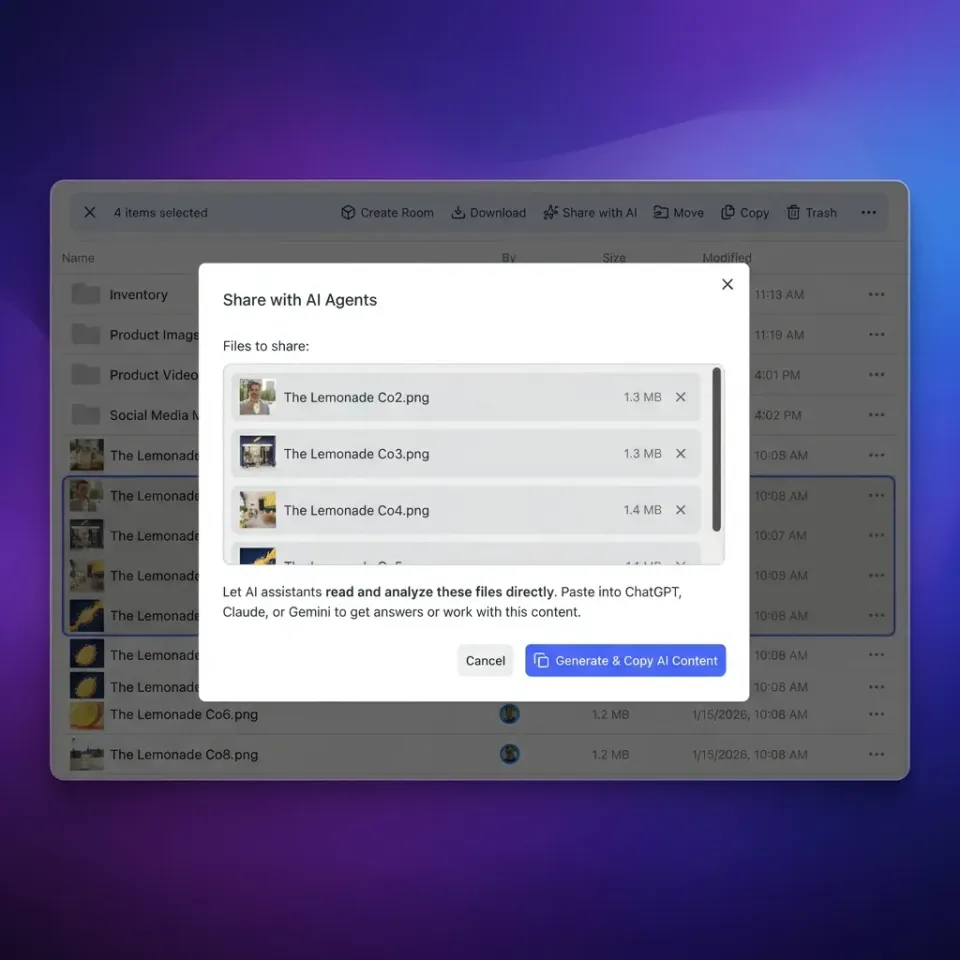
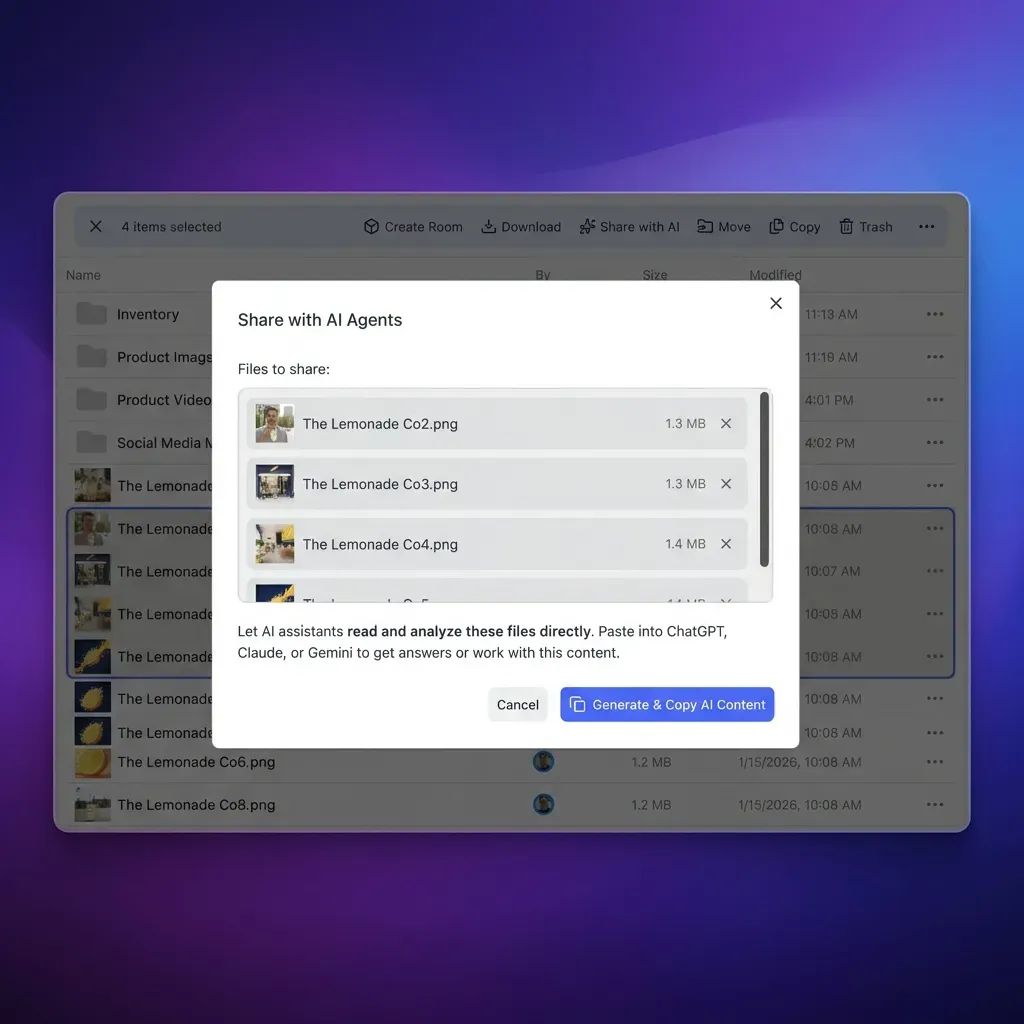
Unreal Engine agent collaboration is a workflow where multiple AI agents contribute to the same project through a shared workspace and a clear coordination protocol. Instead of treating each agent run as isolated, teams keep project context in one place so research notes, asset references, and build outputs remain visible across the full production cycle.
In practice, one agent can prepare material instructions, another can organize assets, and another can validate naming conventions before files reach implementation. The value is not just speed. The real improvement comes from reducing hidden handoffs and keeping everyone, including humans, aligned on what changed and why.
A durable workspace also helps when teams rotate responsibilities. Designers, technical artists, and engineers can inspect previous agent decisions and continue from that state without rebuilding context from scratch.
If your team already uses internal guidance for agent execution, connect this model to your product AI process so behavior stays consistent across content generation, review, and delivery.
Related guides
- Agent-to-Agent Communication: Protocols for Collaborative AI TeamsAgent-to-agent communication protocols enable collaborative AI teams to coordinate work without active context...
- How to Enable AI Agent Collaboration for Product DesignAI agent product design collaboration is transforming how creative teams build, iterate, and ship. By integrating...
- How to Build AI Agent Real-Time Collaboration WorkspacesMulti-agent systems often struggle when two agents try to edit the same file simultaneously. AI agent real-time...
- How to Enable Multi Agent Real Time CollaborationMulti agent real time collaboration is the capability for autonomous AI agents to simultaneously access, edit, and...
- Best APIs for AI Agent Communication: Top 9 Solutions for 2026Building effective multi-agent systems requires structured message passing and reliable state synchronization. This...
- How to Implement AI Agent Federation: Architectures & GuideAI agent federation enables independent agents to collaborate across distributed systems via standardized protocols....
More on this subject: Multi-Agent Systems (62 guides)
Why Do Unreal Teams Need Shared Agent Workspaces?
Unreal projects involve many interdependent files, and those files are often edited by different roles in parallel. Without a shared workspace, agents can generate useful outputs that still fail in production because they do not reflect the latest project state.
Shared workspaces reduce this drift. Agents can reference current folders, keep related notes near the files they affect, and leave explicit context for the next step in the chain. That lowers repeated work and helps teams avoid the common cycle of regenerate, compare, and manually reconcile.
Another practical benefit is visibility. When every operation lands in one timeline, supervisors can inspect what happened, confirm intent, and approve or reject changes quickly. That matters for teams handling live releases where auditability is as important as speed.
For distributed teams, this structure becomes the backbone of collaboration. It also makes ownership transitions cleaner when work needs to move from automated assistance to human judgment.
How Do You Set Up the Foundation for Unreal Engine Agent Collaboration?
Start by defining the workspace boundaries before enabling broad automation. Separate incoming references, active production assets, and review-ready outputs into predictable folders. Agents perform better when folder intent is explicit and stable.
Next, define action contracts for each agent role. A planning agent should not modify binary assets. A validation agent should not rewrite source notes. These boundaries prevent accidental overlap and make failures easier to diagnose.
Then, connect the workspace through an MCP-compatible flow so agents can read, write, search, and comment through one interface. The storage for agents guide is a useful baseline for this setup because it documents the common workspace operations teams need for production paths.
Finally, create a small pilot flow with realistic assets and a narrow objective. Validate behavior there first, then expand scope after the team confirms quality and reliability.

How Should Agents Coordinate Asset Changes Safely?
Safe coordination depends on two rules: explicit ownership during edits and explicit release after edits. When an agent starts work on a shared asset, it should claim that task in a way other agents can see. When the work is complete, it should release control and record the outcome.
Teams that skip this discipline usually see subtle regressions. Two agents can both produce plausible outputs, but the final merge can still create conflicts in naming, references, or expected dependencies. Clear lock and release behavior reduces that risk.
You also need a fallback path. If an agent cannot complete an operation, it should leave a concise failure note with the next required action. This keeps pipelines moving and avoids silent stalls.
Human reviewers should receive the same structured context: what changed, what was not changed, and what should be checked next. That makes approvals faster and more consistent, especially when release windows are tight.


Run Unreal Engine Agent Collaboration in One Workspace
Use Fastio workspaces to coordinate agents and humans with shared files, version history, and production-ready handoff paths.
Which Workflow Patterns Work Best for Unreal Agent Teams?
A practical pattern is to split the pipeline into planning, preparation, verification, and publish stages. Each stage has a clear output artifact and a single owner. Agents can assist in every stage, but the stage contract remains stable.
For example, a planning stage can collect references and define acceptance criteria. A preparation stage can organize assets and metadata. A verification stage can run rule checks and produce a concise report for human review. A publish stage can package approved outputs and hand them to the release process.
This pattern works because it balances automation with accountability. Agents can move quickly inside a stage, while humans still control stage transitions.
It is also easy to audit. If quality drops, teams can trace the issue to one stage and improve the prompt, tool contract, or review gate there rather than rebuilding the full flow.
How Do You Keep Humans in Control of Agent Work?
Human control should be designed into the workflow, not bolted on after failures. The simplest method is to require human approval at key transition points: before broad asset updates, before release packaging, and before external publication.
Review quality improves when agents provide structured summaries instead of long freeform logs. Ask for concise change descriptions, affected paths, and known uncertainties. That lets reviewers focus on meaningful decisions rather than scanning noise.
Ownership transfer is equally important. A human should be able to take over the workspace state immediately when an edge case appears. This prevents blocked queues and keeps project timelines predictable.
Teams should also keep short operating notes for prompt updates, recurring failure patterns, and rollback guidance. These notes reduce repeated mistakes and make onboarding much faster for new collaborators.
Common Failure Modes and Practical Fixes
The most common failure is context mismatch. Agents act on stale assumptions because they do not read recent workspace changes. Fix this by requiring a fresh context read before any write operation.
Another common issue is overbroad responsibility. When one agent is asked to plan, edit, verify, and publish, quality declines. Split responsibilities so each agent has a focused objective and explicit boundaries.
Teams also run into approval bottlenecks. If reviewers receive too much raw output, they delay decisions. Standardize review artifacts so every handoff contains the same compact structure.
Finally, avoid silent retries. If a task repeatedly fails, escalate early with a clear status and next-step recommendation. This prevents long stalls and protects release timelines.
Practical Launch Checklist for Production Rollout
Before launching broad Unreal Engine agent collaboration, confirm your workflow can pass a dry run with real project complexity. Dry runs should include interrupted operations, review handoffs, and rollback validation.
Confirm each agent role has a narrow prompt, a bounded tool set, and a clear success condition. Confirm reviewers can identify changed artifacts quickly. Confirm ownership can move from agent to human without manual reconstruction.
Keep your first production rollout intentionally narrow. Choose one content stream, one review path, and one deployment window. Observe outcomes, refine prompts and contracts, then expand.
This approach gives teams reliability first and speed second. In practice, that sequence leads to faster long-term delivery because fewer cycles are spent recovering from avoidable coordination faults.
Frequently Asked Questions
What does Unreal Engine agent collaboration mean in practice?
It means multiple agents contribute to one Unreal workflow through a shared workspace, clear role boundaries, and human checkpoints for approval.
Why is a shared workspace important for agent pipelines?
A shared workspace keeps project context, files, and decisions in one place so agents and humans can continue work without rebuilding state.
How do teams prevent agents from overwriting each other?
Teams use explicit claim-and-release edit rules, narrow role contracts, and structured handoffs so only one owner modifies a shared asset at a time.
Where should human review happen in the flow?
Human review should happen at stage transitions such as pre-release updates and publish approval, with concise summaries of changes and risks.
What is a safe way to start rollout?
Start with a narrow pilot workflow, validate outcomes and handoffs, then expand scope after reliability and quality are stable.
Related Resources

Run Unreal Engine Agent Collaboration in One Workspace
Use Fastio workspaces to coordinate agents and humans with shared files, version history, and production-ready handoff paths.