How to Set Up a Tax Preparation Client Portal
A tax preparation client portal is a secure online workspace where tax preparers collect documents, share returns for review, and manage e-signatures throughout tax season. This guide covers the five features every tax prep portal needs, how standalone portals compare to all-in-one practice management suites, and how to get your firm running without a major software overhaul.


What Is a Tax Preparation Client Portal?
A tax preparation client portal is a private, web-based workspace where your firm and its clients exchange tax documents without email. Clients log in, see what you need from them, upload their W-2s and 1099s, and download completed returns when they're ready.
The IRS received over 140 million individual income tax returns in the 2025 filing season alone. Behind each return is a stack of source documents that somehow needs to get from a client's kitchen table to a preparer's desk. For most firms, that process still runs on email, which means attachments scattered across inboxes, missing documents discovered at the last minute, and sensitive financial data sitting unencrypted in sent folders.
A portal fixes this by giving each client one place to go. They see a checklist of what's pending, what's been uploaded, and what's been completed. Your team sees a dashboard of submission status across all clients, so you can follow up with the five people who haven't sent their K-1s instead of emailing everyone again.
The shift toward digital document exchange is accelerating. Surveys consistently show that the majority of taxpayers prefer uploading documents digitally over mailing or hand-delivering them, and younger clients increasingly expect a self-service experience from their tax preparer.
Helpful references: Fastio Workspaces, Fastio Collaboration, and Fastio AI.
Related guides
- How to Set Up a Client Portal for Financial AdvisorsFinancial advisors juggle hundreds of client households, each needing secure access to statements, planning documents,...
- How to Choose a Board Portal for Your Credit UnionA board portal for credit unions is a secure digital platform that helps volunteer boards manage meeting documents,...
- How to Choose Partner Portal Software That Actually Gets UsedPartner portal software gives channel partners, resellers, and distributors a single branded workspace to find sales...
- How to Choose Private Video Hosting for Your BusinessPrivate video hosting allows businesses to store and share video content with controlled access, keeping videos hidden...
- How to Set Up a Secure Client Portal for File SharingA secure client portal is a password-protected online space where businesses share files, collect feedback, and...
- How to Set Up a White Label Client Portal for Your BusinessA white label client portal is a fully brandable workspace where agencies and service businesses share files, collect...
More on this subject: Team Collaboration (125 guides)
Why Email Doesn't Work for Tax Season
Email works fine when you're exchanging a few documents with a handful of clients. The problems surface when you're managing hundreds of returns during a compressed filing window.
No submission tracking. When a client emails their documents, there's no centralized view of what you've received and what's still missing. Your staff maintains spreadsheets or mental checklists, and things slip through. A missing mortgage interest statement discovered on April 10th creates a scramble that a portal would have flagged in February.
Version confusion. Clients send corrected W-2s or updated brokerage statements without clear file naming. You end up with three versions of the same document in a thread, and someone has to figure out which one to use. With a portal, the latest upload replaces the previous one, and you have a timestamp showing exactly when it arrived.
Security exposure. Tax documents contain Social Security numbers, bank account details, and income information. Email attachments sit unencrypted in inboxes and get forwarded accidentally. A 2024 SuiteFiles survey found that 58% of accountants have accidentally shared the wrong file with a client. A portal with access controls reduces that risk .
Client friction. After filing season, clients call asking for copies of last year's return. With email, you're searching your inbox. With a portal, they log in and download it themselves. That self-service access saves your staff time and keeps clients happier.
Scaling problems. A solo preparer handling 50 returns can manage email. A firm handling 500 returns cannot. The administrative overhead of chasing documents, confirming receipt, and managing versions grows linearly with every new client.
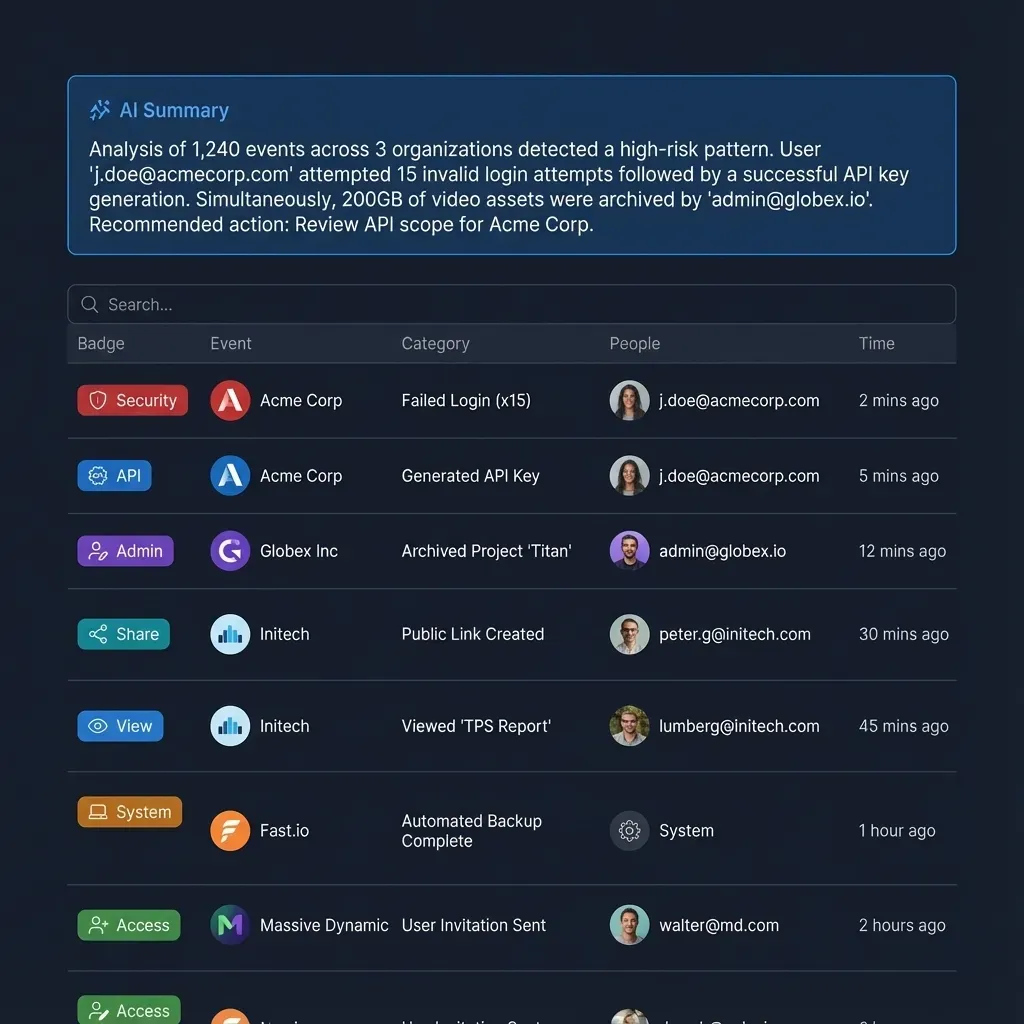
Five Features Every Tax Prep Portal Needs
Not every file-sharing tool works for tax preparation. Here are the five capabilities that separate a functional tax portal from a generic document exchange.
1. Secure document upload with access controls
The baseline. Clients upload files through an encrypted connection, and you control who sees what. This matters when you prepare returns for multiple family members or business partners who share a client folder. Granular permissions at the folder level prevent one client from seeing another's documents.
2. Organizer templates and document checklists
The highest-impact feature for reducing back-and-forth. You create a template listing every document a client needs to provide (W-2, 1099-INT, 1099-DIV, mortgage interest statement, charitable receipts, prior year return). The portal shows clients exactly what's missing and sends reminders automatically. This alone can cut document collection time by weeks during peak season.
3. E-signatures
Form 8879 (IRS e-file authorization), engagement letters, and consent forms all need signatures. If your portal includes e-signatures, you skip the separate DocuSign subscription and the friction of switching tools. Clients sign within the same interface where they uploaded their documents.
4. Status tracking and notifications
Clients want to know where their return stands. A portal that shows status (documents received, return in progress, ready for review, filed) reduces "where's my return?" calls. Automated notifications when status changes keep clients informed without your staff sending manual updates.
5. Deadline reminders
Tax season has hard deadlines, and clients forget. A portal that sends automated reminders before key dates (document submission cutoff, extension deadlines, estimated payment due dates) protects both the client and your firm from last-minute emergencies.


Simplify Document Collection This Tax Season
Set up a branded client portal for your tax practice in minutes. generous storage. Built for tax preparation client portal workflows.
Standalone Portals vs. Practice Management Suites
The tax software market splits into two categories: all-in-one practice management platforms and standalone portal tools. Understanding the tradeoff helps you avoid paying for features you don't need or missing ones you do.
Practice management suites
Platforms like TaxDome.
Canopy, and CCH Axcess bundle client portals with workflow management, billing, CRM, and tax preparation. TaxDome, for example, includes e-signatures, automated document requests, client messaging, and invoicing in a single platform.
The advantage is integration. Everything lives in one system, so a document upload automatically triggers the next workflow step. The downside is cost and complexity. These platforms charge per user per month, often $50 or more, and require significant setup time. If you already have a tax prep tool you like (Drake, UltraTax, ProConnect), switching to an all-in-one suite means replacing your entire workflow.
Standalone portals
A standalone portal handles document exchange, branded sharing, and access controls without trying to replace your other tools. You keep your existing tax preparation software and add a portal layer for client communication.
This approach works well for firms that want to modernize client interaction without overhauling their tech stack. The tradeoff is that you manage integration yourself, connecting your portal to your prep software through exports, file syncs, or manual transfers.
Which approach fits?
If you're starting a new practice or willing to consolidate, an all-in-one suite like TaxDome saves you from juggling multiple tools. If you have established workflows and just need a better way to collect and deliver documents, a standalone portal is faster to deploy and less disruptive.
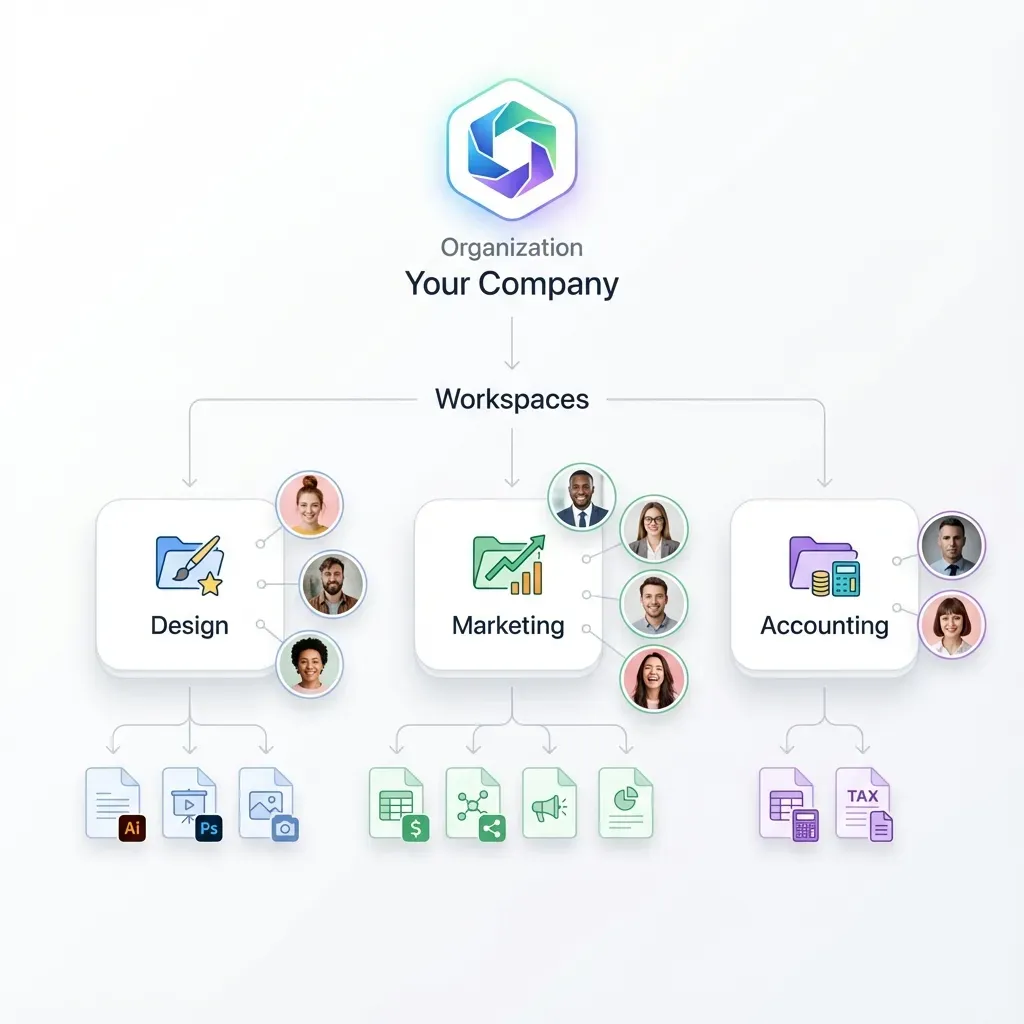
Setting Up a Lightweight Tax Portal with Fastio
Fastio works as a standalone portal layer that sits alongside your existing tax prep software. You don't need to replace Drake or ProConnect. You just need a better front door for client documents.
Create a workspace per client or per tax year. Workspaces are the organizing unit. Some firms prefer one workspace per client (with folders for each tax year), while others create a workspace per filing season and use folders for each client. Either structure works. Fastio supports granular permissions at the folder level, so you can control exactly who sees what.
Use Receive shares for document collection. A Receive share gives your client a branded upload link where they can submit documents without creating an account. You send them the link, they drag and drop their W-2s and 1099s, and everything lands in the designated folder in your workspace. No account setup, no password to remember on their end.
Use Send shares for return delivery. When the return is ready for review, create a Send share with the completed documents. The client gets a branded link to download their return, review it, and confirm. You can set expiration dates and track whether they've accessed the files.
Enable Intelligence for document search. Fastio's Intelligence mode automatically indexes uploaded documents for semantic search. During tax season, when you're looking for a specific client's K-1 across hundreds of uploads, you can search by content rather than filename. Ripley AI can also answer questions about uploaded documents, which helps when you need to quickly check a figure without opening every file.
Track activity with audit trails. Every upload, download, and access event is logged. If you need to demonstrate when you received a client's documents or when they accessed their return, the activity log provides that record.
Fastio offers a 14-day Business Trial (credit card required; see /pricing/) and Starter plans from $9.99/mo with 250 GB of storage, which is enough for a small firm to run a full filing season.

Making Your Portal Work for Clients
The best portal is one your clients actually use. Tax preparers who've successfully moved clients off email share a few common practices.
Send the portal link early. Don't wait until January to introduce clients to a new system. Send portal invitations in November or December, when clients aren't stressed about deadlines. Include a short note explaining that this is where they'll upload documents this year and that it replaces email attachments.
Keep instructions simple. Your clients range from tech-comfortable millennials to retirees who struggle with passwords. The upload process should require as few clicks as possible. Fastio's Receive shares work without requiring clients to create accounts, which removes the biggest adoption barrier.
Provide a document checklist. Clients don't always know what you need. A checklist that says "upload your W-2 from each employer, 1099s for interest and dividends, mortgage interest statement (Form 1098), and charitable donation receipts" converts better than "please upload your tax documents." Be specific about document names so clients can match what they have to what you're requesting.
Follow up on missing items early. Don't wait until March to notice that a client hasn't uploaded their brokerage statement. Check submission status weekly starting in late January and send reminders for anything outstanding. Portals with automated reminders handle this for you.
Organize completed returns for easy access. After filing, keep completed returns accessible in the portal. Clients will come back to reference prior-year returns, and self-service access means they don't need to call your office. A folder structure like "2025 Tax Year / Completed Returns" makes everything findable.
Year-round value. A portal doesn't have to be seasonal. Use it to share estimated payment vouchers, planning projections, or IRS correspondence throughout the year. The more clients interact with the portal outside of tax season, the more natural it feels when January arrives.
Sources
References used to verify factual claims in this guide.
-
The IRS received over 140 million individual income tax returns in the 2025 filing season
-
58% of accountants have accidentally shared the wrong file with a client
Frequently Asked Questions
What is the best client portal for tax preparers?
It depends on your existing setup. If you want an all-in-one solution that combines client portals with workflow management, billing, and tax prep, TaxDome is a strong option. If you already have tax preparation software and just need a portal for document exchange, a standalone tool like Fastio lets you add branded document collection and delivery without replacing your current stack.
How do I securely collect tax documents from clients?
Use a client portal with encrypted file transfer and access controls. Set up a Receive share or upload folder for each client, send them the link, and let them upload directly. This avoids emailing sensitive documents like W-2s and Social Security-related forms. Look for portals that log access events so you have an audit trail of who uploaded what and when.
What features should a tax preparation portal have?
Five essentials are secure document upload with access controls, organizer templates or document checklists, e-signatures for Form 8879 and engagement letters, status tracking with automated notifications, and deadline reminders. Beyond these, look for branded customization (your firm's logo and colors) and self-service access to prior-year returns.
Can clients upload tax documents without creating an account?
Yes, with some portal tools. Fastio's Receive shares let clients upload documents through a branded link without signing up for an account. This removes the biggest adoption barrier, especially for clients who are less comfortable with technology or who only interact with your firm once a year.
How do I move clients from email to a portal?
Start early, before tax season begins. Send portal invitations in November or December with a short explanation of how it works. Keep the upload process simple and provide a specific document checklist. Most clients switch willingly once they see that uploading to a portal is faster than attaching files to an email.
Is a standalone portal better than a practice management suite?
A standalone portal is better if you already have tax prep software you like and just need a better way to collect and deliver documents. A practice management suite is better if you want everything (CRM, billing, workflow, e-signatures, portal) in one platform and you're willing to migrate your entire workflow. The standalone approach is faster to deploy and less expensive.
Related Resources

Simplify Document Collection This Tax Season
Set up a branded client portal for your tax practice in minutes. generous storage. Built for tax preparation client portal workflows.