How to Market a Rental Property from Vacancy to Signed Lease
Every month a rental unit sits vacant costs roughly $1,500 in lost income. This guide walks through how to market a rental property from the day a tenant gives notice to the day a new lease is signed, with a focus on building reusable marketing systems that work across multiple units and turnovers.
What Rental Property Marketing Actually Involves
Rental property marketing is the process of promoting vacant units to attract qualified tenants through listing platforms, social media, signage, and digital campaigns. It starts before a unit is vacant and does not end until a lease is signed.
Most landlords treat marketing as a single step: post a listing, wait for calls. That approach worked when renters scanned newspaper classifieds. Today, 91% of renters use listing websites during their search, according to Apartments.com's 2025 renter survey. Renters compare dozens of listings side by side, and the ones with weak photos or thin descriptions get scrolled past.
The difference between a unit that fills in two weeks and one that sits empty for two months usually comes down to three things: preparation timing, listing quality, and distribution reach. This guide covers all three, plus a step that most marketing guides skip entirely: how to organize and reuse your marketing materials so you are not starting from scratch every time a tenant moves out.
Here is the full checklist, from vacancy to signed lease:
- Prepare the unit and schedule photography before the current tenant leaves
- Write a listing description that answers the questions renters actually ask
- Distribute across the right mix of free and paid platforms
- Respond to inquiries fast and screen applicants consistently
- Store and organize all marketing assets for the next turnover
Helpful references: Fastio Workspaces, Fastio Collaboration, and Fastio AI.
Prepare the Unit and Get Professional Photos
Start marketing prep before the unit is empty. If your lease requires 30 days' notice, use that window to plan photography, schedule any touch-up repairs, and draft your listing copy.
Photography matters more than most landlords think. Listings with professional photos generate stronger early demand, which leads to faster showings and quicker tenant placement, according to PropertySourced Rentals' 2025 analysis. The cost is modest. A professional real estate photographer typically charges $150 to $400 for a standard apartment or single-family rental shoot. That is a fraction of one month's lost rent.
If you are managing on a budget, smartphone photos can work if you follow basic rules: shoot during daylight, turn on every light, declutter surfaces, and use a wide-angle lens attachment. Clean the space thoroughly first. Dirty countertops and unmade beds in listing photos signal neglect to prospective tenants.
What to photograph:
- Every room from the doorway (gives the best sense of space)
- Kitchen appliances and countertops
- Bathroom fixtures
- Closet interiors (renters care about storage)
- Any outdoor space, parking, or shared amenities
- The building exterior and street view
- Nearby attractions: parks, transit stops, grocery stores within walking distance
Virtual tours add another layer. RentVision's 2026 multifamily marketing report notes that virtual tours let renters self-qualify their interest before scheduling an in-person visit, which saves time for both parties. Matterport and Zillow 3D Home are the most common tools for creating them.
For landlords managing multiple properties, the challenge is not just taking good photos. It is keeping them organized. Each unit generates 20 to 40 images per turnover, plus floor plans, video clips, and virtual tour files. Without a system, you end up searching through old email threads and camera rolls every time you need to relist.
Write Listing Descriptions That Actually Convert
A rental listing description has one job: give renters enough information to decide whether this unit is worth visiting. Most listing descriptions fail because they lean on adjectives instead of facts.
"Beautiful, spacious apartment in a great location" tells a renter nothing. "950 sq ft 2-bedroom with in-unit washer/dryer, 5-minute walk to the L train, pets allowed with deposit" tells them everything they need to schedule a showing.
Structure your listing like this:
Opening line: Unit type, size, and one standout feature. Lead with what makes this unit different from the 30 others a renter is comparing it against.
Specs paragraph: Bedrooms, bathrooms, square footage, floor level, lease length, move-in date, monthly rent, and required deposit. Put these up front so renters can filter quickly.
Unit features: In-unit laundry, dishwasher, central air, hardwood floors, updated kitchen, storage space. Be specific. "Recently renovated" is vague. "New quartz countertops and stainless steel appliances installed January 2026" is concrete.
Building and community: Parking (included or extra cost), gym, rooftop, package lockers, bike storage, doorman, elevator. Mention pet policies with specifics: breeds, weight limits, deposit amount.
Location context: Neighborhood name, nearest transit, walk score, grocery stores, schools if relevant. Renters often care as much about the block as the unit.
Application process: How to apply, what documents are needed, and your screening criteria. Being upfront about income requirements and credit checks saves everyone time.
Pricing transparency. Always include the rent amount in the listing. Listings that say "contact for pricing" get fewer inquiries because renters assume the price is higher than they can afford. If you offer move-in specials, state them : "First month free on 13-month lease" performs better than "Ask about our specials."


Organize Your Rental Marketing Materials in One Place
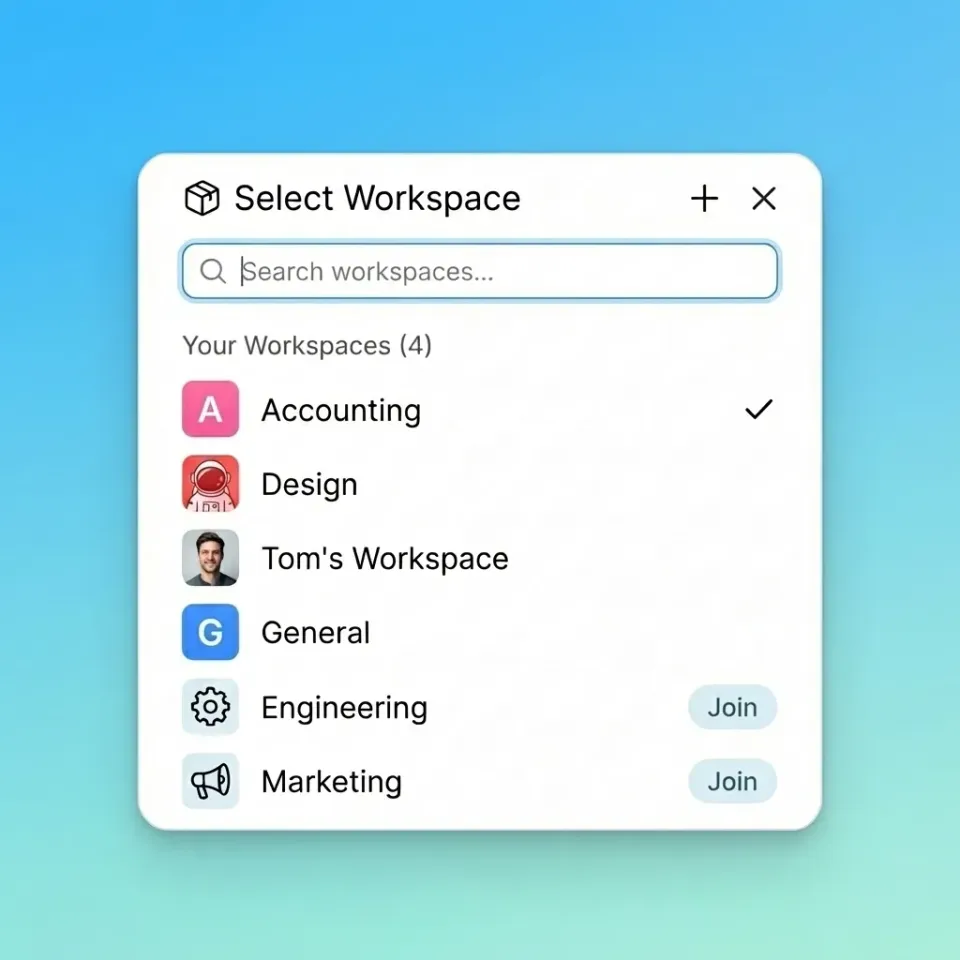
Stop rebuilding listing packages from scratch every turnover. Fastio workspaces give landlords and property managers a central hub for photos, templates, and vendor deliverables, with version history and granular sharing permissions. Free to start, no credit card required. Built for rental property marketing workflows.
Where to List and How to Distribute
Distribution is where most landlords either undershoot or overshoot. Posting only on Craigslist leaves reach on the table. Paying for premium placements on six platforms burns budget without proportional returns.
Start with the big free platforms:
- Zillow / Trulia (same platform, different audiences) have the largest renter search traffic in the US. Zillow now charges for listings in some markets, so check your area's pricing before posting. Where it is still free, it should be your first stop.
- Apartments.com reaches a broad renter audience and offers free basic listings with the option to pay for featured placement.
- Facebook Marketplace works well for smaller landlords. It is free, reaches local audiences, and lets renters message you directly. Join local housing groups for additional visibility.
- Craigslist still generates leads, especially in markets where renters skew older or are looking for private landlord deals rather than corporate management.
Consider paid options when vacancy costs justify it:
- Zillow Premium puts your listing higher in search results. Worth testing if your market is competitive and you need to fill fast.
- Apartments.com Featured Listings boost visibility above organic results.
- Local MLS access through a real estate agent can expose your rental to buyer's agents who also work with relocating tenants.
Social media as a supplement, not a primary channel. Post your listing on your personal and business social accounts. Share in neighborhood Facebook groups. If you manage enough units to justify it, maintain an Instagram account with property photos and neighborhood content. But social media rarely fills units on its own. It works best as amplification for your primary listing platforms.
Yard signs still work. For properties with street visibility, a professional "For Rent" sign with a phone number and QR code linking to the full listing catches drive-by traffic that never searches online. Signs are cheap, and they reach the most local audience possible.
Timing matters. Spring and summer are peak rental search seasons. If you can time lease endings to align with these months, you will face less vacancy. Listings posted on Thursday or Friday tend to get more weekend showing requests than those posted on Monday.
Respond Fast and Screen Consistently
Speed matters more than most landlords realize. Apartments.com's 2025 renter survey found that renters are making decisions quickly, often visiting just two or three properties before signing. If you take 48 hours to respond to an inquiry, that renter has already scheduled showings with your competitors.
Set up systems for fast response:
- Use a dedicated email address or phone number for rental inquiries so they do not get lost in personal messages
- Set up auto-reply texts or emails that confirm receipt and provide showing availability
- If you use a property management platform like Avail, Hemlane, or TurboTenant, enable their built-in messaging features
Pre-qualify before showing. Ask basic screening questions upfront: desired move-in date, number of occupants, pets, income range, and whether they have been evicted. This filters out applicants who do not meet your criteria before you spend time on a showing.
Standardize your screening process. Use the same application, the same criteria, and the same background/credit check service for every applicant. This protects you legally (fair housing compliance) and makes decisions faster. Services like TransUnion SmartMove, RentPrep, and Avail offer tenant screening that runs credit, criminal, and eviction checks.
Document everything. Keep records of all inquiries, showings, applications, and communications. If a fair housing complaint arises, documentation is your defense.
Build a Reusable Marketing System for Multiple Units
Here is where most rental marketing guides stop. They cover how to market one unit, one time. But if you manage more than a couple of properties, you are repeating this process several times a year. The real efficiency gain is building a system you can reuse.
What to save and organize after every turnover:
- Professional photos (organized by unit, labeled by room)
- Listing description templates (with blanks for unit-specific details like rent, availability, and recent upgrades)
- Floor plans and virtual tour links
- Social media post templates
- Screening criteria documents and application forms
- Move-in checklists and welcome packets
The problem with scattered storage. Most landlords keep photos in their camera roll, listing templates in a Google Doc, floor plans in an email attachment, and screening forms on their desktop. When it is time to relist, they spend hours hunting for the right version of each file. Multiply that across five or ten units, and the wasted time adds up fast.
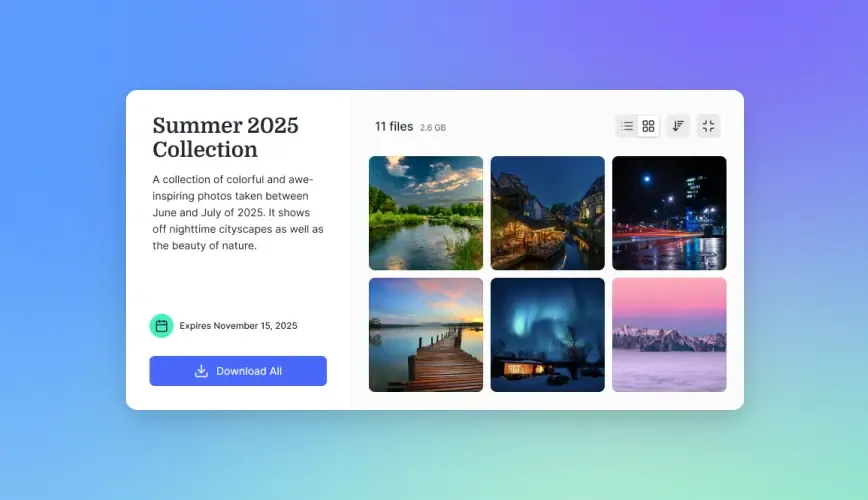
A better approach is centralized workspace storage. Cloud platforms designed for file organization let you create a folder structure by property and unit, store every version of every asset, and pull materials quickly when a turnover happens. Fastio workspaces, for example, let you organize files with granular folder permissions, so a property manager can share listing photos with a photographer or leasing agent without giving them access to financial documents or lease agreements. Version history means you always have the previous listing's materials available as a starting point.
For landlords who work with multiple vendors (photographers, virtual tour creators, graphic designers), a platform with branded file sharing lets you receive deliverables directly into the right folder. Fastio's Receive shares create upload portals where vendors drop files into your workspace without needing login credentials, and you maintain full control over organization and access.
Template-based relisting. Once you have run through two or three turnovers for a unit, you will have a library of photos, descriptions, and marketing materials that only need minor updates. New appliance? Swap one photo. Rent increase? Change one number. This turns a multi-hour marketing sprint into a 30-minute update.
The broader point is that rental marketing is not a one-time project. It is a recurring operation, and the landlords who treat it that way fill vacancies faster and spend less time doing it. Building a shared marketing workspace that persists across turnovers is the single biggest time-saver for anyone managing more than one property.
If you work with a team or virtual assistant, shared workspaces with audit trails help everyone stay on the same page. You can see who uploaded which files, when listings were last updated, and whether the current marketing package is complete before posting.

Frequently Asked Questions
How do I market my rental property?
Start by preparing the unit and getting professional photos taken before the current tenant leaves. Write a listing description that leads with specific details (square footage, amenities, rent amount) rather than vague adjectives. Post on Zillow, Apartments.com, Facebook Marketplace, and Craigslist. Respond to inquiries within a few hours. Use a consistent screening process for all applicants.
What is the best way to advertise a rental property?
The best approach combines free listing platforms (Zillow, Apartments.com, Facebook Marketplace) with professional photos and a detailed description. Most renters search online, so strong listing photos and complete information are more important than paid advertising. Add a yard sign for local visibility and share listings on social media as a supplement.
How do property managers market vacant units?
Professional property managers typically maintain pre-built marketing templates for each unit type, use professional photography packages, distribute across multiple listing platforms simultaneously, and respond to inquiries within hours using automated messaging. They also keep organized libraries of marketing assets so relisting after a turnover takes minutes instead of hours.
How much should I spend on rental property marketing?
Professional photography costs $150 to $400 per shoot and is the highest-return investment. Most listing platforms are free or low-cost. Budget $200 to $500 total per turnover for photography, any paid listing upgrades, and signage. Compare that against the cost of vacancy, which averages roughly published pricing in lost rent, and the math favors spending more on marketing to fill faster.
When is the best time to list a rental property?
Spring and summer (April through August) are peak rental search seasons with the highest renter demand. Listings posted on Thursday or Friday tend to generate more weekend showing requests. If possible, structure your leases so they end during peak season to minimize vacancy time.
Do professional photos make a difference for rental listings?
Yes. Properties with professional photos generate stronger early demand and faster tenant placement. Professional real estate photography typically costs $150 to $400, which is a small fraction of one month's lost rent from extended vacancy. At minimum, shoot in natural light, declutter every surface, and photograph every room from the doorway.
Related Resources

Organize Your Rental Marketing Materials in One Place
Stop rebuilding listing packages from scratch every turnover. Fastio workspaces give landlords and property managers a central hub for photos, templates, and vendor deliverables, with version history and granular sharing permissions. Free to start, no credit card required. Built for rental property marketing workflows.