Real Estate Video Marketing: A Practical Guide for Agents
Guide to real estate video marketing: Listings with video get 403% more inquiries, yet fewer than 40% of agents use video at all. This guide covers the seven video types worth making, what production actually costs, how to build a YouTube presence, and how to handle the post-production workflow most guides ignore: hosting, sharing, and tracking engagement.

Why Video Outperforms Every Other Listing Format
Real estate has always been a visual business. Floor plans beat descriptions. Photos beat floor plans. And video beats everything.
The numbers back this up. According to the National Association of Realtors, listings with video receive 403% more inquiries than listings without it. Homes listed with video tours sell up to 31% faster. And 73% of homeowners say they are more likely to list with an agent who uses video in their marketing.
Despite these numbers, only about 38% of agents currently use video. That gap between effectiveness and adoption is the opportunity. Agents who invest in video now stand out in a market where most competitors still rely on photo slideshows and bullet-point descriptions.
The shift is partly driven by buyer expectations. NAR data shows that 58% of buyers now expect virtual home tours as a standard part of the listing experience, not a premium add-on. Buyers browse listings on their phones during lunch breaks and commutes. A two-minute walkthrough video gives them a feel for the space that 40 static photos cannot.
Helpful references: Fastio Workspaces, Fastio Collaboration, and Fastio AI.
Related guides
- Luxury Real Estate Marketing: How to Present High-End PropertiesLuxury real estate marketing goes beyond standard listing tactics. High-end properties need professional media...
- How to Build a Real Estate Social Media Marketing Strategy That Generates LeadsReal estate agents who invest in social media marketing generate more qualified leads than those who rely on MLS...
- How to Create and Share Real Estate 3D Tours That Actually Drive ShowingsA real estate 3D tour is an interactive, navigable digital model of a property that lets prospective buyers explore...
- How to Deliver Real Estate Drone Photography to ClientsMost real estate drone photography guides cover flight planning and camera settings but skip the hardest part: getting...
- Best Real Estate Marketing Tools for Agents and BrokeragesReal estate marketing tools help agents and brokerages create listings, distribute property content, manage client...
- How to Build a Real Estate Content Marketing Strategy That Generates LeadsMost real estate content marketing guides list content ideas but skip the production workflow. This guide covers the...
More on this subject: Real Estate (21 guides)
Seven Types of Real Estate Videos That Generate Leads
Not every video needs to be a cinematic production. Different video types serve different purposes in your marketing funnel. Here are seven worth adding to your rotation.
1. Property walkthrough videos
The bread and butter of real estate video. Walk through the property as if you are giving a personal tour to a buyer. Keep these between 2 and 5 minutes. Start at the curb, move through the front door, and follow a logical path through the home. Call out features a photo cannot show: the flow between rooms, natural light at different times of day, or the sound of a quiet street.
2. Drone and aerial footage
Drone videos cost between $225 and $300 and work best for properties with land, waterfront access, or notable surroundings. They give buyers a sense of the lot size, the neighborhood layout, and proximity to amenities. Listings with drone footage receive 68% more engagement than those without it.
3. Neighborhood and community tours
These videos target buyers who are relocating or unfamiliar with the area. Walk through the local downtown, show the parks, point out the coffee shop everyone goes to. Neighborhood guides rank well on YouTube because they answer search queries like "what is it like to live in [city/neighborhood]" that buyers type in early in their search.
4. Agent introduction videos
A 60-to-90-second video where you introduce yourself, explain your approach, and describe the areas you serve. This goes on your website, your YouTube channel, and your email signature. Buyers and sellers want to know who they are working with before they pick up the phone.
5. Client testimonial videos
A short clip of a happy client talking about their experience builds credibility faster than any ad. Keep testimonials under two minutes. Ask specific questions: What was your biggest concern? How did the process go? Would you recommend this agent? Specific answers are more convincing than general praise.
6. Market update videos
Weekly or monthly videos covering local market stats: median prices, days on market, inventory levels, and interest rate changes. These position you as the local expert and give you a reason to post consistently. Market updates are easy to batch-produce since the format stays the same and only the numbers change.
7. Educational and how-to videos
Topics like "5 things first-time buyers overlook" or "how to prepare your home for sale" attract viewers at the top of the funnel. They may not be ready to buy or sell today, but when they are, you are the agent they already know and trust.
What Real Estate Video Production Actually Costs
Cost is the most common reason agents avoid video. But production has gotten cheaper, and the range is wide enough to fit most budgets.
Basic walkthrough videos: $200 to $500
A videographer walks through the property with a stabilized camera, adds background music and title cards, and delivers an edited video within a few days. This is enough for most residential listings.
Drone footage add-on: $225 to $300
Most videographers who shoot real estate also have FAA Part 107 certification for commercial drone flights. Adding aerial footage to a walkthrough package is usually a flat add-on fee.
Cinematic productions: $1,000 to $2,500
For luxury listings or agent brand videos, cinematic productions include multiple camera angles, voiceover, advanced color grading, and polished editing. These are investment pieces, not something you need for every listing.
DIY with a smartphone: $0 to $50
Modern smartphones shoot 4K video. A gimbal stabilizer ($50 to $150) and a clip-on microphone ($20 to $40) get you 80% of the way to professional quality. For market updates and educational content, a phone on a tripod in good lighting is more than sufficient.
The math works in your favor. If a $300 video helps sell a $400,000 listing even one week faster, the return on investment is enormous. And that $300 is a marketing expense you can factor into your listing presentation.
Building a YouTube Strategy That Compounds Over Time
YouTube is the second-largest search engine in the world, and Google surfaces YouTube videos directly in search results. For real estate agents, YouTube is not just a video platform. It is a long-term lead generation channel.
Start with search-driven content
Focus on videos that answer questions buyers and sellers are already searching for. "Best neighborhoods in [your city]," "cost of living in [your area]," and "first-time homebuyer tips" are evergreen queries that bring in views for months or years after you publish.
Property tour videos are valuable but time-sensitive. They stop generating views once the home sells. Balance your channel with a mix of listing tours (short-term value) and educational content (long-term value).
Optimize titles, descriptions, and thumbnails
Your title should include the search term a buyer would type. "3-Bedroom Colonial in Westfield NJ | Full Home Tour" is better than "Beautiful Home for Sale!" Write descriptions that are at least 200 words and include relevant keywords naturally. Thumbnails should be clear, high-contrast images with readable text overlay. They do not need to be a frame from the video itself.
Post consistently, not constantly
One to two videos per week is ideal, but one video per week is enough to build momentum. If you can only manage two videos per month, batch your filming. Set aside one or two days per month for shooting, then edit and schedule the uploads throughout the month.
Engage with comments
YouTube rewards engagement. Reply to every comment on your videos, even if it is just a thank you. The algorithm favors videos with active comment sections, and responding shows potential clients that you are attentive.
YouTube is a long game. Most agents who succeed on the platform report that meaningful traction took 6 to 12 months of consistent posting. The compounding effect is real: older videos continue generating views and leads while you publish new ones.


Keep Your Property Videos Sharp, Shareable, and Tracked
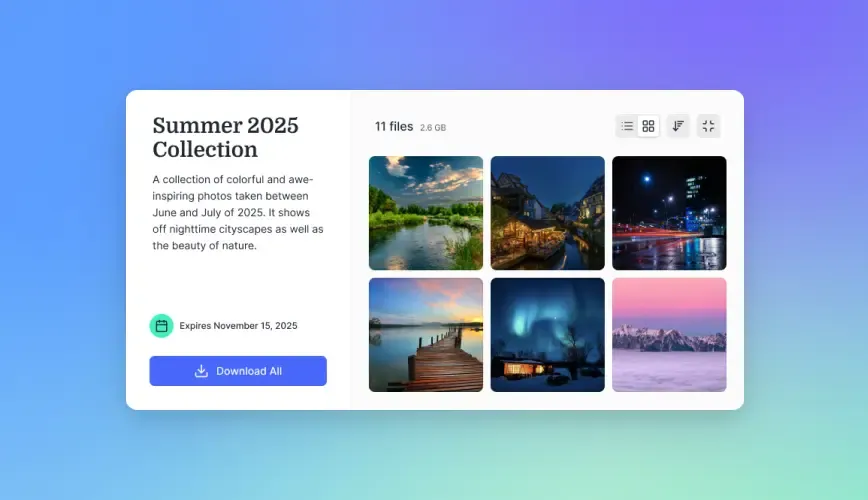
Upload listing videos, share branded links with buyers, and see who watched. Fastio streams video at full quality with no compression and large file support. Built for real estate video marketing workflows.
The Post-Production Workflow Most Guides Skip
Filming and editing get all the attention. But what happens after the video is finished matters just as much. Most guides skip this entirely, which is why agents end up with great videos trapped on a hard drive or compressed beyond recognition on social media.
The file size problem
A two-minute 4K property walkthrough is roughly 500MB to 1GB. A cinematic production with drone footage can easily hit 2GB to 4GB. These files are too large for email, and uploading them to social media means the platform will re-encode them, reducing quality. When you are marketing a $500,000 home, a blurry, compressed video undermines the entire effort.
Hosting without compression
YouTube and social media are distribution channels, not storage solutions. They compress your video to fit their streaming infrastructure. For client presentations, listing presentations, and your own archive, you need a hosting solution that preserves the original quality.
Cloud storage platforms like Google Drive and Dropbox work but have limitations. Dropbox compresses video previews. Google Drive file sharing links look unprofessional in client emails. Neither platform gives you analytics on who watched the video or how much of it they viewed.
Fastio handles this differently. It streams video using HLS (HTTP Live Streaming), which means clients watch the video at full quality in their browser without downloading a multi-gigabyte file. You upload once and share a branded link. The platform tracks who accessed the video and when, giving you engagement data you can use in follow-up conversations.
Organizing your video library
After six months of consistent video production, you will have dozens of files across multiple properties, marketing campaigns, and content categories. A folder on your desktop will not scale.
Set up a workspace structure that mirrors your business: folders by property address, by content type (listings, neighborhood guides, testimonials), and by status (raw footage, edited, published). Version your files so you can find the final cut without opening five similarly named exports.
Fastio workspaces let you organize videos into folders with granular permissions. Your videographer can upload raw footage to one folder while your clients only see the finished product in another. Audit trails track every upload, download, and view, which matters when multiple team members touch the same files.
Sharing with clients and prospects
The delivery experience reflects on your brand. Sending a Google Drive link that requires the recipient to sign in, or a WeTransfer link that expires in seven days, creates friction. Branded file shares with your logo, no sign-in required, and no expiration date make a better impression.
With Fastio's Send feature, you create a branded share link for any video or collection of videos. Recipients open it in their browser, stream the video at full quality, and optionally download the original file. You see who accessed it and when, which tells you which prospects are actually engaged.
Tracking Engagement and Measuring ROI
Video marketing only works if you know what is working. Most agents post videos and hope for the best. A few simple tracking habits turn video from a cost center into a measurable lead source.
YouTube Analytics basics
YouTube Studio gives you watch time, audience retention curves, click-through rate on thumbnails, and traffic sources. The most useful metric is audience retention: the graph that shows where viewers drop off. If 60% of viewers leave in the first 15 seconds, your intro is too long. If they drop off at the two-minute mark of a five-minute video, consider making shorter content.
Track which video types generate the most subscriber growth. For most agents, neighborhood guides and educational content drive subscribers, while listing tours drive direct inquiries.
Measuring direct leads
Add a unique tracking link or phone number to each video description. Use a simple spreadsheet or CRM tag to track which leads came from which video. Over time, you will see patterns: certain video types or topics consistently generate more qualified leads.
File sharing analytics
When you share listing videos directly with clients or prospects (outside of YouTube), you need a different kind of tracking. Did the buyer actually watch the video you sent? Did they forward it to their partner?
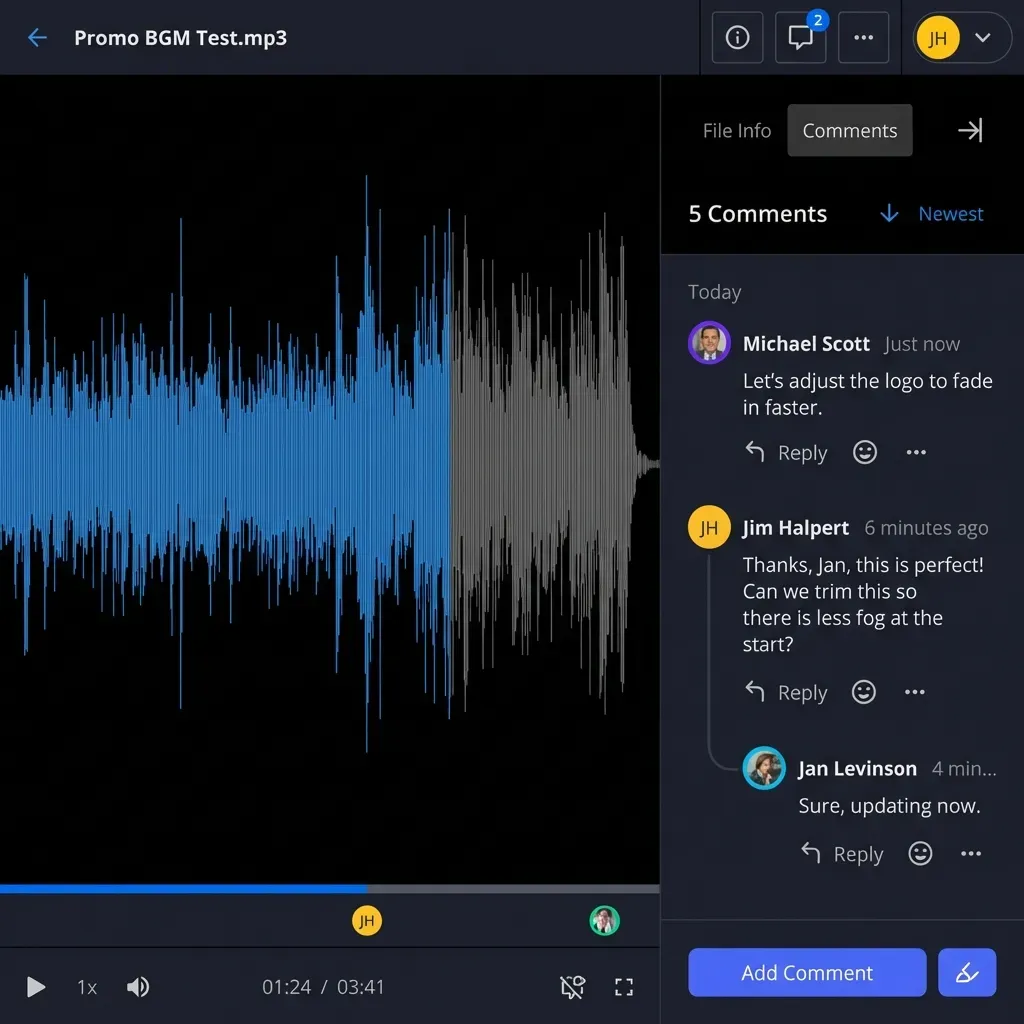
Fastio's audit trails show exactly who accessed your shared videos and when. If you sent a listing video to three potential buyers and only one watched it, you know who to follow up with first. This is the kind of engagement signal that most agents miss entirely because their file sharing tool does not provide it.
Cost per lead calculation
Track your total video spend (production, hosting, promotion) per quarter. Divide by the number of leads attributed to video. Compare this to your cost per lead from other channels: print ads, paid search, portal subscriptions. For most agents, video delivers a lower cost per lead than traditional advertising once you have 20 or more videos in your library.
Getting Started This Week
You do not need a Hollywood budget or a professional studio to start. Here is a realistic first-week plan.
Day 1: Film an agent introduction video. Use your phone on a tripod. Stand in front of a recognizable local landmark or your office. Introduce yourself in 60 to 90 seconds. Upload it to YouTube and add it to your email signature.
Day 2: Film your next listing. Walk through the property with your phone on a gimbal. Narrate what makes the home worth seeing. Keep it under three minutes. Edit with a free tool like CapCut or iMovie.
Day 3: Set up your hosting. Create a workspace for your video files. Organize folders by property and content type. Upload your finished videos so you can share them with clients without compression.
Day 4: Share and track. Send your listing video to interested buyers using a branded share link instead of a raw file attachment. Note who opens it.
Day 5: Plan your content calendar. Pick two recurring video types (listing tours plus one evergreen format like market updates or neighborhood guides). Block filming time on your calendar for the next month.
The agents who win with video are not the ones with the best cameras or the biggest budgets. They are the ones who show up consistently, track what works, and refine their approach over time. Start with what you have, measure the results, and improve from there.
Sources
References used to verify factual claims in this guide.
-
Listings with video receive 403% more inquiries
-
Homes listed with video tours sell up to 31% faster 73% of homeowners are more likely to list with an agent who uses video Listings with drone footage receive 68% more engagement
-
Only 38% of real estate agents currently use video marketing 58% of buyers expect virtual home tours as standard
Frequently Asked Questions
How do I start video marketing in real estate?
Start with two video types: a 60-to-90-second agent introduction video and walkthrough tours of your listings. Use your smartphone on a gimbal stabilizer ($50 to $150) with a clip-on microphone. Film your next listing, edit with a free tool like CapCut or iMovie, and upload to YouTube. Add the video link to your listing description and share it directly with interested buyers. Consistency matters more than production quality when you are starting out.
What type of videos work best for real estate?
Property walkthrough tours generate the most direct inquiries. Neighborhood and community guide videos perform best for long-term YouTube growth because they answer search queries buyers type months before they are ready to purchase. Client testimonial videos build trust fastest. The strongest strategy combines all three: listing tours for immediate leads, neighborhood content for organic search traffic, and testimonials for credibility.
How much does real estate video marketing cost?
A basic walkthrough video costs $200 to $500. Adding drone footage runs $225 to $300 extra. Cinematic productions for luxury listings range from $1,000 to $2,500. DIY videos shot on a smartphone with a gimbal and microphone cost under $100 in equipment. Most agents spend $300 to $600 per listing video, which pays for itself quickly given that video listings receive 403% more inquiries.
Where should I host real estate marketing videos?
Use YouTube for public distribution and search visibility. For client-facing delivery where quality and tracking matter, use a cloud workspace that streams video without compression and tracks who viewed it. Avoid relying solely on email attachments (file size limits), social media uploads (heavy compression), or basic cloud storage links (no analytics, unprofessional appearance). The best approach combines YouTube for reach with a dedicated hosting platform for client delivery.
How often should I post real estate videos on YouTube?
One to two videos per week is ideal, but even two videos per month will build momentum over time. Batch your filming by setting aside one or two days per month to shoot multiple videos, then edit and schedule uploads throughout the month. Consistency matters more than frequency. Agents who post regularly for 6 to 12 months report that older videos continue generating leads while new ones add to the total.
Do I need professional equipment to make real estate videos?
No. A modern smartphone shoots 4K video, which is more than sufficient for YouTube and client presentations. The three upgrades that make the biggest difference are a gimbal stabilizer for smooth movement ($50 to $150), a clip-on lavalier microphone for clear audio ($20 to $40), and good lighting (film during golden hour or use a $30 ring light indoors). Professional videographers are worth the cost for luxury listings, but most agents can produce effective videos with a phone.
How do I share large video files with clients without losing quality?
Email attachments max out at 25MB, and a two-minute 4K video is 500MB or more. Social media platforms compress uploads . Cloud storage links from Google Drive or Dropbox work but lack analytics and look generic. A platform like Fastio streams video using HLS so clients watch at full quality in their browser without downloading the file. You get a branded share link with engagement tracking built in.
Related Resources

Keep Your Property Videos Sharp, Shareable, and Tracked
Upload listing videos, share branded links with buyers, and see who watched. Fastio streams video at full quality with no compression and large file support. Built for real estate video marketing workflows.