How to Build a Real Estate Social Media Marketing Strategy That Generates Leads
Real estate agents who invest in social media marketing generate more qualified leads than those who rely on MLS listings and referrals alone. This guide covers platform-specific strategies for Instagram, Facebook, TikTok, and LinkedIn, along with content frameworks, video marketing tactics, and workflows for managing visual assets across channels.


Why Social Media Matters More Than MLS for Lead Generation
The National Association of Realtors reports that 75% of agents now use social media as a core technology tool. That number alone does not explain why it matters. The real shift is on the buyer side: 78% of potential clients research agents on social media before making contact.
Think about what that means for your pipeline. A buyer finds a listing they like on Zillow or Realtor.com. Before they call the listing agent, they search that agent's name on Instagram or Facebook. If the agent has no presence, or worse, a dead account with posts from 2023, the buyer moves on. The agent never knows the lead existed.
Social media has become a trust filter. According to REsimpli's analysis of industry data, 71% of consumers prefer to work with agents who maintain a strong social media presence. That preference is not about follower counts. It is about demonstrating local expertise, showing recent activity, and making it easy for prospects to see what working with you looks like.
The math favors social over traditional channels too. 46% of Realtors rank social media as their best source of quality leads, compared to 30% who say the same about MLS. Localized social ads are steadily replacing print and direct mail, with 48% of agents viewing social advertising as their most effective marketing approach.
Helpful references: Fastio Workspaces, Fastio Collaboration, and Fastio AI.
Related guides
- Luxury Real Estate Marketing: How to Present High-End PropertiesLuxury real estate marketing goes beyond standard listing tactics. High-end properties need professional media...
- How to Create and Share Real Estate 3D Tours That Actually Drive ShowingsA real estate 3D tour is an interactive, navigable digital model of a property that lets prospective buyers explore...
- How to Deliver Real Estate Drone Photography to ClientsMost real estate drone photography guides cover flight planning and camera settings but skip the hardest part: getting...
- How to Build a Real Estate Content Marketing Strategy That Generates LeadsMost real estate content marketing guides list content ideas but skip the production workflow. This guide covers the...
- Best Real Estate Marketing Tools for Agents and BrokeragesReal estate marketing tools help agents and brokerages create listings, distribute property content, manage client...
- How to Build a Real Estate Listing Presentation That Wins ClientsA listing presentation is the pitch a real estate agent delivers to win the right to sell a homeowner's property. This...
More on this subject: Real Estate (21 guides)
Choosing the Right Platforms for Your Market
Not every platform deserves your time. The right mix depends on your target buyers, your content style, and how much time you can commit to each channel. Here is how each platform performs for real estate specifically.
A practical starting point: pick two platforms and commit to them for 90 days before adding a third. Most agents who try to launch on all four platforms at once burn out within six weeks and end up posting consistently on none. Start with the platform where your target buyers spend the most time, pair it with one secondary channel, and build your content rhythm before expanding.
Facebook: Still the Largest Audience
About 87-92% of real estate agents use Facebook, making it the most adopted platform in the industry. Facebook's strength is its advertising infrastructure. You can target ads by location, demographics, income level, and life events like "recently engaged" or "just moved." For agents working repeat buyers or older demographics, Facebook Groups focused on local communities remain a strong organic play.
The posting cadence data from Hootsuite suggests around 11-12 posts per week performs best for real estate accounts on Facebook. That sounds like a lot, but it includes quick market updates, listing shares, and community event posts that take minutes to create.
Where Facebook falls short: organic reach has declined for years. Treat it as a paid-first platform with organic community building through Groups, not as a place where posting alone will drive meaningful reach.
Instagram: Your Visual Portfolio
62% of realtors maintain an Instagram presence, and the platform rewards visual content heavily. The data on format performance is clear:
- Carousels generate a 4.1% engagement rate, the highest of any format on Instagram
- Reels generate a 3.0% engagement rate and get the strongest algorithmic push for reach
- Static single-image posts perform worst for engagement but still have a role in maintaining a curated grid
Use your grid as a portfolio. Prospective clients will scroll through it the way they would flip through a lookbook. Keep it visually consistent and heavy on property content. Use Reels and Stories for personality, behind-the-scenes moments, and market commentary. The Stories Q&A and poll features are surprisingly effective at driving DMs, which is where lead conversations actually start.
Posting frequency: aim for 8-9 posts per week across all formats. Luxury Presence recommends prioritizing consistency over volume. One high-quality Reel per week beats five rushed ones.
TikTok: First-Mover Advantage
Only 15% of real estate businesses are active on TikTok, which creates a genuine opportunity. The audience skews toward Gen Z and millennials, many of whom are entering the market as first-time buyers.
The content that works on TikTok looks nothing like a polished listing video. Agents with the strongest TikTok presence post informal walkthroughs with a narrative hook ("Can you guess the price of this house?"), before-and-after staging transformations, and quick takes on local market conditions. Authenticity outperforms production value on this platform.
The critical detail: you need a strong hook in the first three seconds. TikTok users scroll fast, and the algorithm rewards watch-through rates. Do not cross-post Instagram Reels to TikTok without adapting the tone and format. TikTok audiences can tell when content was made for a different platform.
Post 3-4 times per week to build momentum. Daily posting accelerates growth if you have the content pipeline to sustain it.
LinkedIn: Underused, High-Value
48% of agents use LinkedIn, but most underinvest in it. That is a mistake for certain market segments. LinkedIn generates more qualified leads than Facebook for agents working with investors, corporate relocators, and luxury buyers. Wesley Kang, a Hootsuite-featured agent, reports that LinkedIn produces more qualified leads than all other platforms combined for his practice.
The content that performs on LinkedIn is different from every other platform. Educational content about market trends performs roughly 10x better than property listings on LinkedIn. Write about interest rate movements, local inventory data, investment analysis, or market predictions. Position yourself as someone who understands the business of real estate, not just the listings.
Post 2-5 times per week. Engage in LinkedIn Groups focused on real estate investment or commercial property to build visibility with high-intent audiences.
Content Strategy: The Five-Pillar Framework
The biggest mistake agents make on social media is posting nothing but listings. Properties are part of the mix, but they should not dominate your feed. The five-pillar content framework provides a sustainable rotation that keeps your content varied and your audience engaged.
Educational content forms the foundation. Market explainers, buyer tips, seller checklists, and myth-busting posts position you as an advisor rather than a salesperson. These posts tend to get saved and shared, which extends your reach beyond your existing followers.
Authority and point-of-view content differentiates you from agents who only share safe, generic advice. Take a position on where the market is heading. Analyze a recent sale and explain why it closed above or below asking. Disagree with a popular take. Audiences follow agents who have opinions, not agents who repeat what everyone else says.
Lifestyle and behind-the-scenes content humanizes your brand. Show the reality of the job: the early morning lockbox runs, the staging process, the negotiation wins. This content builds the parasocial connection that makes followers feel like they know you before they ever meet you.
Hyperlocal content is consistently the highest-performing category for real estate accounts. Agents who post about their neighborhood, including restaurants, events, schools, parks, and local businesses, outperform agents who only post listings. This content signals that you genuinely know your market, which is the single most important trait buyers look for in an agent.
Client wins and testimonials provide social proof but should be the smallest bucket in your rotation. A closing photo or a short client testimonial video once or twice a month is enough. Too many "just sold" posts start to feel like bragging rather than evidence.


Organize Your Listing Media in One Workspace
Stop losing photos in email threads. Fastio gives you shared workspaces with file versioning, branded share links for photographer handoffs, and AI-powered search across all your listing assets. Built for real estate social media marketing workflows.
Video Marketing: The Format That Drives Results
Video is no longer optional for real estate social media. The performance gap is too large to ignore. Listings with video receive 403% more inquiries than those without, according to data compiled by REsimpli from HubSpot's marketing research. 73% of homeowners say they prefer to list with agents who use video marketing.
You do not need a production crew. The most effective real estate videos in 2025 and 2026 are shot on phones with natural lighting. Here is what works across platforms:
Property walkthroughs with narrative. Do not just walk through a house silently. Talk about what makes the property interesting. Point out the details that photos miss: the quality of natural light, the sound of the neighborhood, the feel of the kitchen layout. Give viewers the experience of being there.
Market update clips. Record a 30-60 second video explaining what happened in your local market this week. New listings, price changes, days-on-market trends. Keep it conversational. These clips establish you as someone who watches the market daily, not just when a client asks.
Before-and-after content. Staging transformations, renovation progress, or even the difference between an empty house and a furnished one. These posts perform well on every platform because the visual contrast is inherently engaging.
Live open houses. Facebook Live and Instagram Live let you broadcast an open house to your entire audience. Viewers can ask questions in real time, which creates engagement that recorded video cannot replicate. Archive the stream afterward so it continues generating views.
Social media videos generate 1,200% more shares than text and image posts combined. Even a modest investment in video content compounds over time as your library of content grows and continues driving organic traffic.
Managing Visual Assets Across Multiple Platforms
The operational bottleneck in real estate social media is not creating content. It is organizing, formatting, and distributing that content across three or four platforms efficiently.
A single listing generates 25-50 professional photos, several video clips, floor plans, and branded graphics. Each platform wants different dimensions, aspect ratios, and formats. Instagram favors square and 4:5 for the grid, 9:16 for Reels and Stories. Facebook works with landscape. TikTok requires vertical. LinkedIn supports landscape and square. Manually reformatting and uploading the same assets to each platform eats hours every week.
Most guides gloss over this problem, but it is the reason many agents post inconsistently or abandon platforms entirely. The agents who maintain a strong multi-platform presence have solved the asset management problem first.
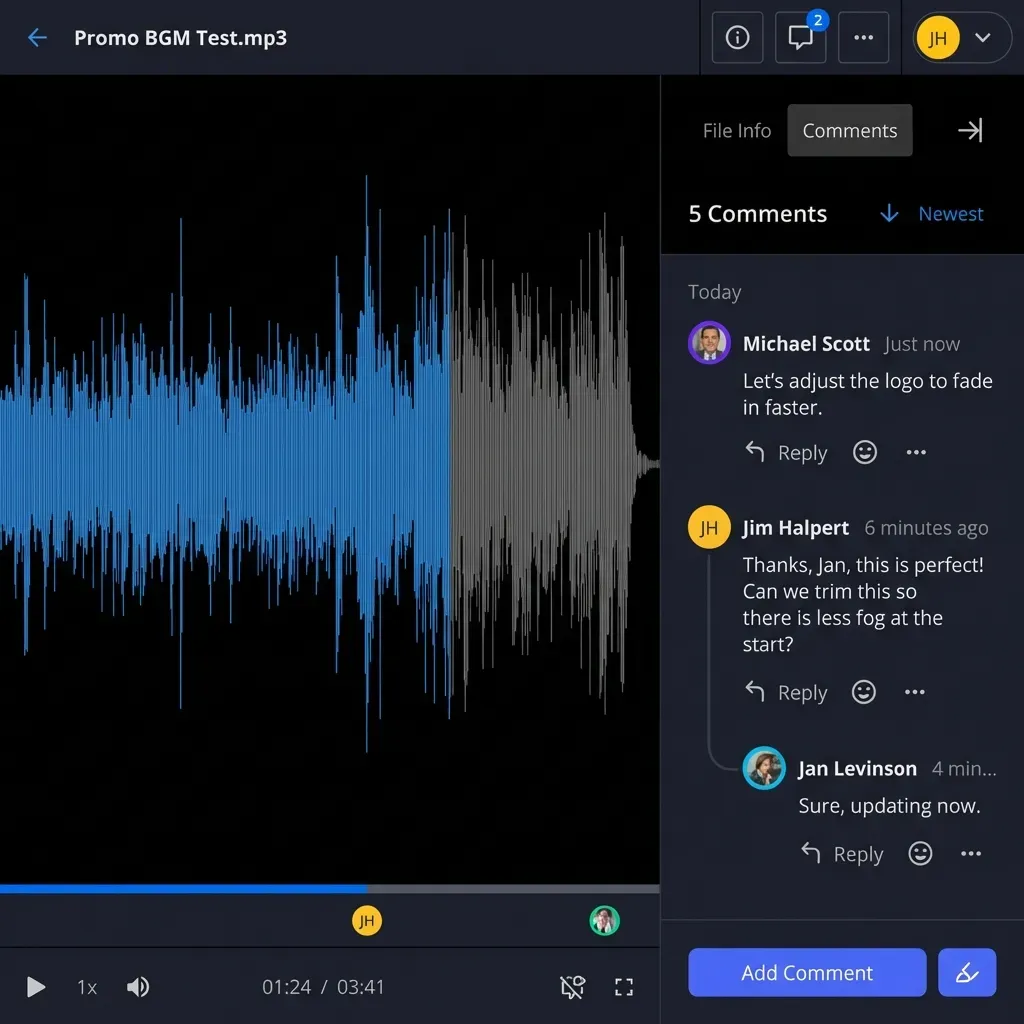
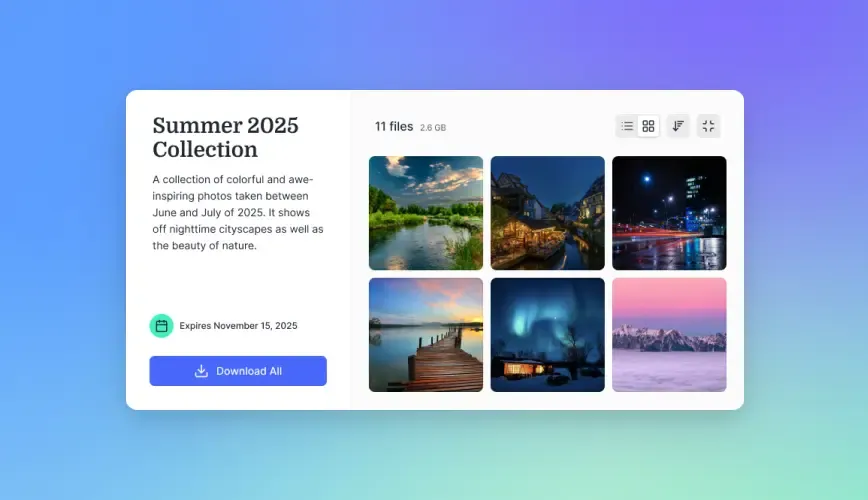
Centralize your media library. Stop storing listing photos in email attachments, camera rolls, and random desktop folders. Use a shared workspace where your photographer uploads directly and your team can access everything from one location. Fastio workspaces work well for this because they support file versioning, so you can keep original high-resolution files alongside platform-specific exports without confusion about which version is current.
Batch your content creation. Shoot all your content for a listing in one session, then process and schedule it across platforms over the following weeks. Scheduling tools like Later or Hootsuite handle the distribution, but you need the raw assets organized and accessible first.
Build a reusable template library. Market update graphics, "just listed" templates, client testimonial cards. Store these in a shared workspace so your team or VA can grab the template, swap in new data, and post without starting from scratch each time.
Handle photographer handoffs cleanly. Real estate photographers often shoot multiple agents' listings in a single day. They need a fast, organized way to deliver high-resolution files. Branded share links with download controls let photographers upload directly to your workspace without needing login credentials. Fastio's Receive shares are built for exactly this kind of inbound file collection.
When your team or an AI assistant needs to find a specific property photo months later, workspace search and Intelligence Mode make that retrieval fast. Files indexed with Intelligence enabled are searchable by content, not just filename, so searching "kitchen with marble countertops" returns the right photos even if they are named IMG_4582.jpg.
Measuring What Works and Adjusting Your Strategy
Posting without tracking results is guessing. Set up basic measurement from the start so you can double down on what works and drop what does not.
Track these metrics weekly:
- Engagement rate by post type (video, carousel, static image, text)
- DMs received from content (this is your most valuable conversion signal)
- Profile visits and follower growth by platform
- Click-throughs to your website or listing pages
- Cost per lead from paid social campaigns
What the data usually reveals: Video outperforms static content by 2-3x on engagement. Hyperlocal content outperforms listing content on reach. Carousels outperform single images. DMs are a stronger lead indicator than comments or likes. These patterns are consistent across markets, but your specific numbers will vary.
Adjust your content mix monthly. If your market update Reels consistently outperform your listing walkthroughs, shift your production time toward market content. If LinkedIn is generating higher-quality leads than Instagram for your specific niche, increase your LinkedIn posting cadence and reduce Instagram to maintenance level.
Do not chase vanity metrics. A post with 10,000 views and zero DMs is less valuable than a post with 500 views and three genuine buyer inquiries. Optimize for conversations, not impressions.
Audit your platforms quarterly. Less than 50% of realtors feel confident about their social media effectiveness. Quarterly reviews force you to confront whether your time investment is producing results. If a platform is not generating leads after three months of consistent effort, reallocate that time to a platform that is.
Sources
References used to verify factual claims in this guide.
-
75% of REALTORS use social media as a core technology tool
-
78% of potential clients research agents on social media before making contact 71% of consumers prefer to work with agents who maintain a strong social media presence 46% of Realtors rank social media as their best source of quality leads Listings with video receive 403% more inquiries than those without 73% of homeowners prefer to list with agents who use video marketing
-
Instagram carousels generate a 4.1% engagement rate
-
Only 15% of real estate businesses are active on TikTok Social media videos generate 1,200% more shares than text and image posts combined
Frequently Asked Questions
What is the best social media platform for real estate agents?
It depends on your target market. Facebook has the largest audience and strongest ad targeting for most agents. Instagram is best for visual portfolios and reaching millennial buyers. LinkedIn outperforms for agents working with investors, corporate relocators, and luxury clients. TikTok offers first-mover advantages for reaching Gen Z and first-time buyers. Most successful agents focus on two platforms rather than spreading thin across all four.
How do real estate agents get leads from social media?
The primary conversion path is through direct messages, not public comments or likes. Post content that prompts viewers to DM you, such as offering a free market report, a neighborhood guide, or a price opinion. Use platform ad tools to target by location, life events, and demographics. Build trust through consistent educational and hyperlocal content so that when followers are ready to buy or sell, you are the agent they contact first.
How often should realtors post on social media?
Platform-specific benchmarks from Hootsuite suggest 11-12 posts per week on Facebook, 8-9 on Instagram, 5 on LinkedIn, and 3-4 on TikTok. These are ideals, not minimums. Consistency matters more than volume. One quality post per day on your primary platform will outperform sporadic bursts of five posts followed by weeks of silence.
What type of content works best for real estate social media?
Hyperlocal content about your neighborhood consistently outperforms listing-only content. Video posts generate 2-3x more engagement than static images. Instagram carousels have the highest engagement rate at 4.1%. The most effective content mix includes educational posts, market analysis, behind-the-scenes content, local community highlights, and client testimonials, with listings as just one part of the rotation.
How much should real estate agents spend on social media advertising?
Start with a test budget of $300-500 per month on Facebook or Instagram ads targeting your farm area. Measure cost per lead and adjust. Many agents find that $10-20 per day in localized ads generates a steady flow of leads. Scale spending on campaigns that produce leads at an acceptable cost per acquisition, and cut campaigns that generate impressions but no conversations.
Should real estate agents use AI tools for social media content?
AI content generation tools can reduce production time for captions, graphics, and video scripts. They work best as a first-draft tool that you edit for your voice and local knowledge. The risk is generic content that sounds like every other agent. Use AI to handle the production burden, but add your own market insights, opinions, and personality before posting.
Related Resources

Organize Your Listing Media in One Workspace
Stop losing photos in email threads. Fastio gives you shared workspaces with file versioning, branded share links for photographer handoffs, and AI-powered search across all your listing assets. Built for real estate social media marketing workflows.