Best Real Estate Marketing Tools for Agents and Brokerages
Real estate marketing tools help agents and brokerages create listings, distribute property content, manage client communications, and deliver files to buyers and sellers. This guide covers the categories that matter most in 2026, with specific recommendations and pricing for each.


Why Your Marketing Stack Matters More Than Ever
Top-producing agents often spend upwards of $5,000 annually on marketing tools, according to the National Association of Realtors. That number climbs higher for teams and brokerages. Real estate professionals spent an average of $12,725 on marketing in 2023, jumping to over $14,200 in 2024, according to Real Estate Webmasters.
The tools you pick directly affect lead quality, client experience, and how fast you can move from listing to close. But most "best tools" roundups focus on CRM and social media while ignoring entire categories like file delivery, drone photo management, and branded client portals.
This guide covers the full spectrum. Whether you are a solo agent building a personal brand or a brokerage managing dozens of listings, you will find tools here that fit your workflow and budget.
Helpful references: Fastio Workspaces, Fastio Collaboration, and Fastio AI.
Related guides
- How to Organize and Share Real Estate Marketing MaterialsReal estate marketing materials pile up fast. Brochures, flyers, listing photos, drone videos, social templates, and...
- Real Estate Document Management Guide for AgentsReal estate document management is the systematic organization, storage, and sharing of property transaction documents...
- How to Build a Real Estate Listing Presentation That Wins ClientsA listing presentation is the pitch a real estate agent delivers to win the right to sell a homeowner's property. This...
- AI for Real Estate Agents: Tools That Actually Save TimeReal estate agents spend roughly a quarter of their workweek on admin, from document prep to photo delivery. This guide...
- How to Build a Real Estate Social Media Marketing Strategy That Generates LeadsReal estate agents who invest in social media marketing generate more qualified leads than those who rely on MLS...
- How to Create and Share Real Estate 3D Tours That Actually Drive ShowingsA real estate 3D tour is an interactive, navigable digital model of a property that lets prospective buyers explore...
More on this subject: Real Estate (21 guides)
What to check before scaling real estate marketing tools
A CRM is the backbone of any real estate marketing operation. It tracks leads, automates follow-ups, and keeps your pipeline visible.
Follow Up Boss is the go-to CRM for teams that handle high lead volume. It pulls leads from Zillow, Realtor.com, your website, and Facebook ads into a single dashboard, then routes them to the right agent based on rules you set. Tiered plans start with the entry Grow tier, billed per user monthly or annually. Its speed-to-lead metrics and built-in calling make it popular with teams that compete on response time.
Wise Agent works well for solo agents on a tighter budget. It combines contact management, transaction tracking, and basic email drip campaigns into an affordable flat monthly subscription. The interface is straightforward, and the learning curve is shallow compared to enterprise CRMs.
BoomTown targets scaling brokerages. It bundles lead generation (including PPC ad management), a consumer-facing IDX website, and CRM with lead distribution. Pricing is custom, but expect to pay several hundred dollars per month. BoomTown is especially strong for brokerages managing multiple agents and lead pipelines across different markets.
Lofty (formerly Chime) stands out for AI-powered lead scoring. It analyzes browsing behavior on your IDX site to surface the leads most likely to transact soon. With premium pricing even for single agents, it fits best for high-volume producers or teams.
The right CRM depends on your lead sources and team size. Solo agents rarely need BoomTown's complexity. Teams that live on Zillow leads should look hard at Follow Up Boss.
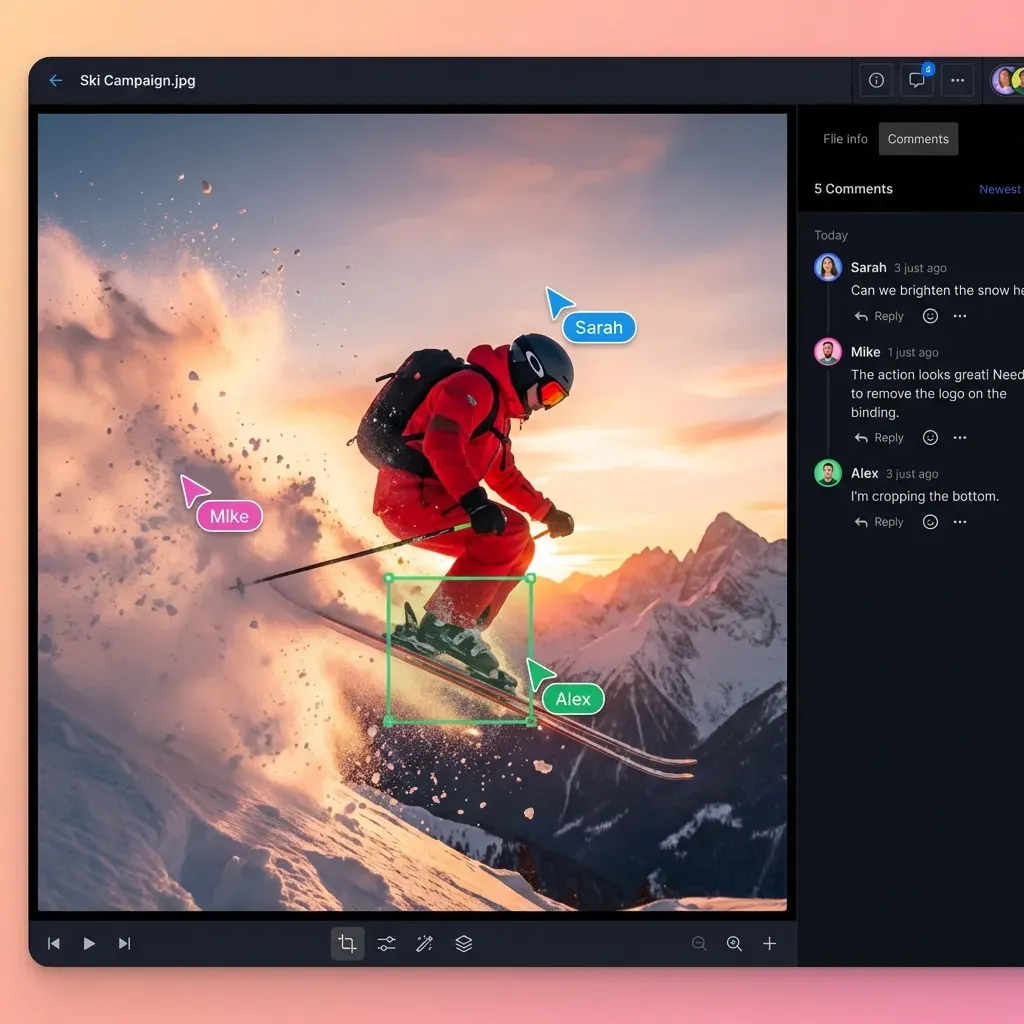
Social Media and Content Design
About 82% of real estate businesses market through social media, and Facebook remains the dominant platform, used by roughly 90% of agents. Instagram follows at 52%, with LinkedIn at 48%.
Canva Pro is the design tool most agents reach for first. Its real estate template library covers listing flyers, Instagram carousels, open house invitations, and just-sold announcements. The background removal tool is useful for headshots, and the brand kit keeps your colors and fonts consistent across every piece. Canva Magic Studio adds AI-powered design suggestions if you want to speed up creation.
Buffer handles scheduling across Facebook, Instagram, LinkedIn, and TikTok. It is simpler than enterprise tools like Hootsuite and does what most individual agents need: schedule posts, track basic analytics, and maintain a consistent posting cadence.
CapCut (free tier available) is where agents create short-form video for Instagram Reels and TikTok. Video listings generate 403% more inquiries than photo-only listings, according to the National Association of Realtors. CapCut's auto-captioning and templates make it possible to produce polished walkthrough clips without hiring a video editor.
Coffee & Contracts provides done-for-you social media content specifically for real estate agents via a monthly membership. Each month you get a calendar of ready-to-post graphics, captions, Reels templates, and story ideas. It saves hours of content planning for agents who know they should post consistently but struggle to create content from scratch.


Stop Sending Listing Files Through Email
Create branded client portals for every transaction. Share listing photos, drone footage, and disclosure documents in one place with generous storage. Built for real estate marketing tools workflows.
Websites and Landing Pages
Your website is where listing traffic, ad clicks, and social media visitors convert into leads.
AgentFire builds IDX websites designed specifically for real estate agents. Ongoing plans are billed monthly or annually, and their white-glove setup starts at $700. AgentFire sites come with neighborhood pages, home valuation landing pages, and built-in SEO tools. Their themes are designed to rank well for hyperlocal searches like "homes for sale in [neighborhood]."
Real Geeks combines Facebook lead ads, IDX websites, and CRM in one package. Their strength is the integration between ad campaigns and the website. When a lead clicks your Facebook ad, they land on your IDX site, register, and flow directly into the CRM for automated follow-up. Platform fees require an ongoing monthly commitment plus ad spend.
Highnote takes a different approach. Instead of a full website, it creates interactive listing presentations, buyer guides, and CMA reports. Agents use it for pre-listing appointments and client pitches. It tracks when recipients open and engage with each page, giving you insight into what buyers and sellers care about most.
For brokerages running multiple agent sites, AgentFire and Real Geeks both offer team management features that keep branding consistent while giving individual agents their own lead capture.

Virtual Staging and Visual Marketing
Listings with professional photos sell 32% faster, according to the National Association of Realtors. But hiring a photographer and stager for every listing gets expensive quickly.
REimagine Home uses AI to virtually stage empty rooms. Upload a photo of a vacant space, select a style, and get a realistically furnished image in minutes. Subscription plans are available with monthly credit allocations for individual agents. The quality has improved since early AI staging tools, and most buyers cannot tell the difference between virtual and physical staging in listing photos.
Matterport creates 3D virtual tours and interactive floor plans. The Starter plan is $11.99 per month for five active spaces. Matterport scans require a compatible camera or the Matterport app on a recent iPhone or iPad. The resulting tours are embeddable on your website, MLS listings, and social media. 64% of home buyers want to see floor plans on a listing, according to FlippingBook's 2026 analysis.
BoxBrownie offers professional photo editing, virtual staging, and floor plan rendering at per-image pricing. Virtual staging costs about $24 per image with a 24-hour turnaround. It fits agents who need occasional staging without committing to a monthly subscription.
For agents using drone photography, managing raw footage and edited files becomes its own challenge. Most agents end up with drone photos scattered across email attachments, Google Drive folders, and text messages, which brings us to the gap most tool lists miss entirely.
File Delivery and Branded Client Portals
Every real estate transaction generates files: listing photos, drone footage, inspection reports, disclosure packets, contracts, and marketing collateral. Most agents cobble together email attachments, Google Drive links, and Dropbox folders to share these with clients, photographers, and other agents.
This is the gap that existing "best tools" lists consistently miss. CRM and social media tools get plenty of coverage, but the actual delivery of property content to buyers, sellers, and partners rarely gets attention.
Fastio is a workspace platform built for file delivery and collaboration. For real estate teams, it solves several problems at once:
- Branded client portals: Create a share with your brokerage branding where buyers or sellers access all their transaction documents in one place. No more "can you resend that inspection report?" emails.
- Drone photo management: Photographers upload raw footage directly to a Receive share. You review, select, and deliver finals to the listing agent or client through a Send share, all with version tracking.
- Guest uploads without accounts: Clients and vendors can upload documents to your workspace through Receive and Exchange shares without creating an account or downloading an app.
- Inline previews: Buyers can view listing photos, video walkthroughs, and PDF disclosures directly in the browser without downloading anything.
- Audit trails: Every file access is logged, which matters when you need to prove a buyer received disclosure documents.
Fastio offers plans starting with Starter at $9.99/mo (250 GB of storage), which is ideal for an agent or team managing multiple active listings. When you enable Intelligence Mode on a workspace, uploaded files are automatically indexed for search, so you can find that specific inspection photo from three months ago without digging through folders.
Dropbox (via its Plus plan) and Google Drive (via Google One) remain common choices for basic file storage. They work, but they lack the branded delivery experience and guest upload workflows that client-facing real estate work demands. Neither offers built-in content portals where a buyer can browse all their transaction files in a branded interface.
Email Marketing and Automation
Email remains one of the highest-ROI channels for real estate agents, especially for nurturing past clients and sphere-of-influence contacts.
Mailchimp (free tier for up to 500 contacts) is the simplest starting point. Its drag-and-drop editor, pre-built real estate templates, and basic automation sequences handle monthly newsletters and new listing announcements without a steep learning curve.
ActiveCampaign is the step up when you need sophisticated automation, with pricing scaling based on contact list size. You can build sequences that trigger based on website visits, email opens, or CRM stage changes. For example, when a lead views a specific listing page three times, ActiveCampaign can automatically send them comparable properties and a personal note from their agent.
Constant Contact sits between the two, offering tiered plans based on audience size. It offers solid templates, event promotion tools for open houses, and social media ad integration. The reporting is clearer than Mailchimp's for agents who want to understand which properties drive the most engagement.
One pattern that works well: connect your CRM to your email platform so new leads automatically enter a nurture sequence. Follow Up Boss and most other real estate CRMs integrate natively with these email tools, reducing manual data entry.
Sources
References used to verify factual claims in this guide.
-
Real estate professionals spent an average of $12,725 on marketing in 2023, jumping to over $14,200 in 2024
-
82% of real estate businesses market through social media
-
Video listings generate 403% more inquiries than photo-only listings
-
64% of home buyers want to see floor plans on a listing
Frequently Asked Questions
What marketing tools do real estate agents need?
At minimum, agents need a CRM for lead tracking, a design tool like Canva for listing content, a social media scheduler, and a file delivery solution for sharing property documents with clients. Agents handling higher volume should add email automation and virtual staging tools.
What is the best real estate marketing platform?
There is no single best platform because each category serves a different function. Follow Up Boss leads in CRM, Canva Pro dominates design, and Fastio handles file delivery and branded client portals. The best stack depends on whether you are a solo agent or running a brokerage.
How much do real estate marketing tools cost?
A solo agent can build a functional marketing stack starting around $100 to several hundred dollars monthly. That covers a CRM like Wise Agent, Canva Pro, Buffer, and file delivery with Fastio starting with the 14-day Business Trial. Teams and brokerages typically spend $500 to several thousand dollars monthly across all tools.
What software do top real estate agents use?
Top-producing agents commonly use Follow Up Boss or Lofty for CRM, Canva Pro and CapCut for content creation, AgentFire or Real Geeks for IDX websites, and Matterport for virtual tours. High-volume agents increasingly use AI staging tools like REimagine Home and branded file delivery platforms for client document management.
How do real estate agents share listing photos and documents with clients?
Most agents use a mix of email attachments, Google Drive, and Dropbox. A better approach is a branded client portal where buyers and sellers access all transaction files in one place. Platforms like Fastio let you create branded shares with guest access, inline previews, and audit trails, without requiring clients to create accounts.
Related Resources

Stop Sending Listing Files Through Email
Create branded client portals for every transaction. Share listing photos, drone footage, and disclosure documents in one place with generous storage. Built for real estate marketing tools workflows.