How to Organize and Share Real Estate Marketing Materials
Real estate marketing materials pile up fast. Brochures, flyers, listing photos, drone videos, social templates, and presentation decks spread across email threads, personal drives, and random desktop folders. This guide covers how to build a marketing materials library your whole team can actually use, keep brand consistency without micromanaging, and distribute assets to agents without bottlenecks.


Eight Types of Real Estate Marketing Materials Every Brokerage Needs
Before organizing anything, you need a clear picture of what you are managing. Most brokerages accumulate these categories over time:
Property brochures are multi-page documents that showcase a listing's features, floor plans, neighborhood details, and pricing. They are the workhorse of open houses and buyer presentations.
Single-property flyers distill a listing into one page: hero photo, key specs, price, and agent contact info. Agents print them for open houses and leave them at local businesses.
Listing photography packages include professional interior shots, exterior angles, twilight photos, and often drone aerials. Properties with professional photos sell 32% faster, according to the National Association of Realtors.
Video walkthroughs and virtual tours give buyers a spatial feel that photos cannot. Listings with video receive more inquiries than those without, and 73% of homeowners prefer to list with agents who use video.
Social media templates are pre-branded graphics sized for Instagram, Facebook, and LinkedIn. They include "Just Listed," "Open House," "Price Reduced," and "Just Sold" variants.
Email marketing templates cover drip campaigns, market updates, new listing announcements, and client anniversary touchpoints. Consistent email design reinforces brand recognition.
Presentation decks are used for listing appointments, buyer consultations, and market reports. They establish credibility and set expectations during the first meeting.
Brand collateral includes business cards, letterhead, signage templates, and branded envelopes. These are the foundation that ties everything else together visually.
Top-producing agents typically maintain libraries of 15 to 20 reusable templates across these categories, which lets them launch a new listing's marketing in hours rather than days.
Helpful references: Fastio Workspaces, Fastio Collaboration, and Fastio AI.
Related guides
- Best Real Estate Marketing Tools for Agents and BrokeragesReal estate marketing tools help agents and brokerages create listings, distribute property content, manage client...
- Real Estate Document Management Guide for AgentsReal estate document management is the systematic organization, storage, and sharing of property transaction documents...
- How to Build a Real Estate Listing Presentation That Wins ClientsA listing presentation is the pitch a real estate agent delivers to win the right to sell a homeowner's property. This...
- How to Create and Share Real Estate 3D Tours That Actually Drive ShowingsA real estate 3D tour is an interactive, navigable digital model of a property that lets prospective buyers explore...
- How to Organize and Deliver Real Estate Listing PhotosGuide to real estate listing photos: Professional listing photos help homes sell faster and for more money, but the...
- How to Build a Real Estate Social Media Marketing Strategy That Generates LeadsReal estate agents who invest in social media marketing generate more qualified leads than those who rely on MLS...
More on this subject: Real Estate (21 guides)
Why Marketing Materials Get Disorganized (and What It Costs You)
The root problem is rarely laziness. It is that marketing materials are created by different people, at different times, using different tools, and saved in different places.
A listing coordinator creates the brochure in Canva. The photographer uploads images to a Dropbox link. The videographer sends a WeTransfer download. The agent saves the final flyer to their desktop. Six months later, nobody can find the high-resolution version of anything.
This costs brokerages in three ways:
Duplicated effort. When agents cannot find existing templates, they recreate them from scratch. It takes roughly 10 hours to build a full marketing suite for a single listing. If half that time goes to recreating assets that already exist somewhere, you are burning five hours per listing on avoidable work.
Brand inconsistency. Without a single source of truth, agents improvise. Logos get stretched, colors drift, and fonts change. Buyers notice when marketing materials from the same brokerage look like they came from three different companies.
Missed deadlines. When an agent lists a property on Monday and needs marketing materials by Wednesday's open house, digging through email threads and old shared drives creates unnecessary stress. Speed to market matters, and disorganized materials slow everything down.
The fix is not more discipline. It is better systems.
How to Build a Marketing Materials Library That Actually Works
A marketing materials library is a centralized location where every approved asset lives, organized so any agent can find what they need without asking someone else. Here is how to set one up.
Start with a folder structure
Your folder hierarchy should mirror how agents think about materials, not how designers organize files. A structure like this works well for most brokerages:
Marketing Materials/
├── Templates/
│   ├── Brochures/
│   ├── Flyers/
│   ├── Social Media/
│   ├── Email/
│   └── Presentations/
├── Brand Assets/
│   ├── Logos/
│   ├── Fonts/
│   ├── Color Guides/
│   └── Photo Guidelines/
├── Active Listings/
│   ├── 123-Main-St/
│   ├── 456-Oak-Ave/
│   └── ...
└── Archive/
    └── Sold Listings/
Templates go at the top level because agents access them most frequently. Active listings each get their own folder containing every asset for that property: photos, brochures, flyers, and video files. When a listing closes, move the whole folder to the archive.
Use a naming convention
File names should answer three questions at a glance: what is it, which property, and which version? A pattern like [PropertyAddress]-[AssetType]-[Version] keeps things scannable.
For example: 123-Main-St-Brochure-v2.pdf or 456-Oak-Ave-Social-JustListed.png. Skip dates in filenames when your platform tracks version history automatically.
Set permissions by role
Not everyone needs edit access to everything. Marketing coordinators and designers should have full access to templates and brand assets. Agents need read access to templates (so they can download and use them) and full access to their own listing folders. Office staff might need read-only access across the board for printing and distribution.
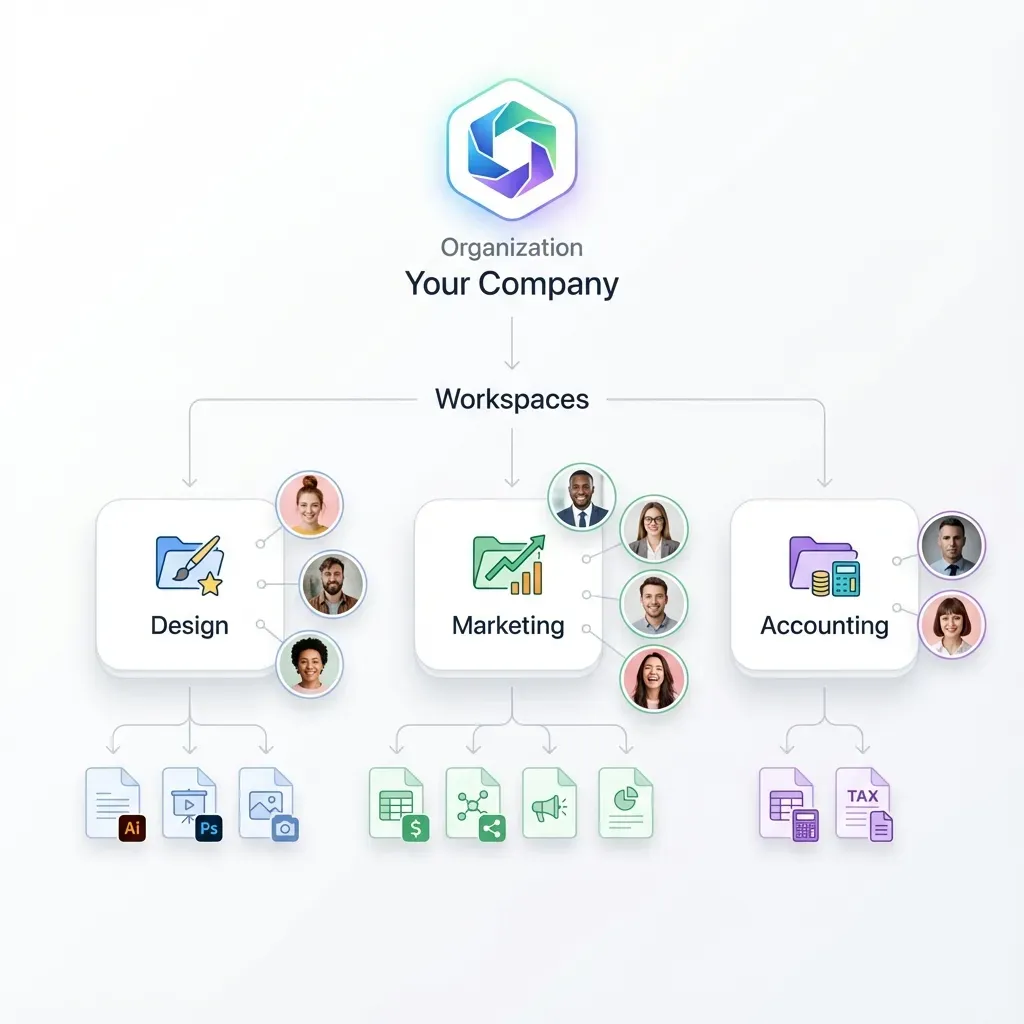
Platforms like Google Drive, Dropbox Business, and Fastio all support folder-level permissions. Fastio's granular permission model covers organizations, workspaces, folders, and individual files, which is useful when you want to share specific listing materials with a client without exposing the entire library.


Stop Losing Time to Disorganized Marketing Materials
Fastio gives your brokerage shared workspaces with granular permissions, branded client-facing shares, and generous storage. Built for real estate marketing materials workflows.
Distributing Materials to Agents and Clients
Organization is only half the problem. The other half is getting the right materials to the right people at the right time.
Internal distribution to agents
The simplest approach is a shared workspace that agents access directly. When the marketing team uploads a new template or updates brand guidelines, every agent sees it immediately. No email blast required.
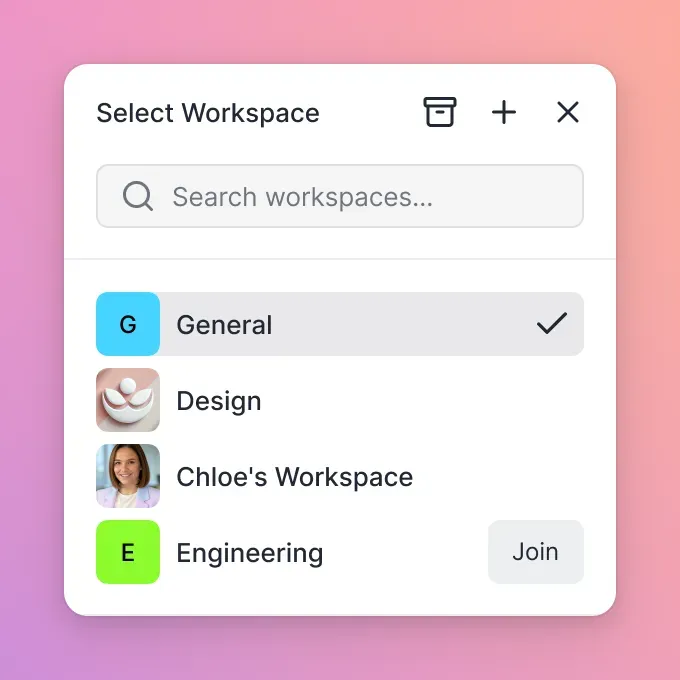
For larger brokerages with multiple offices, consider organizing workspaces by office or market area, with a central brand workspace that everyone accesses. This keeps local listing materials separate while maintaining one source of truth for templates and brand assets.
When a new listing comes in, the workflow should be straightforward: create a listing folder, upload the photography package, generate materials from templates, and notify the listing agent. The fewer steps between "photos are ready" and "agent has everything they need," the faster listings hit the market.
External sharing with clients and vendors
Sharing marketing materials outside your brokerage requires more thought. You do not want to give a seller access to your entire template library just so they can review their listing brochure.
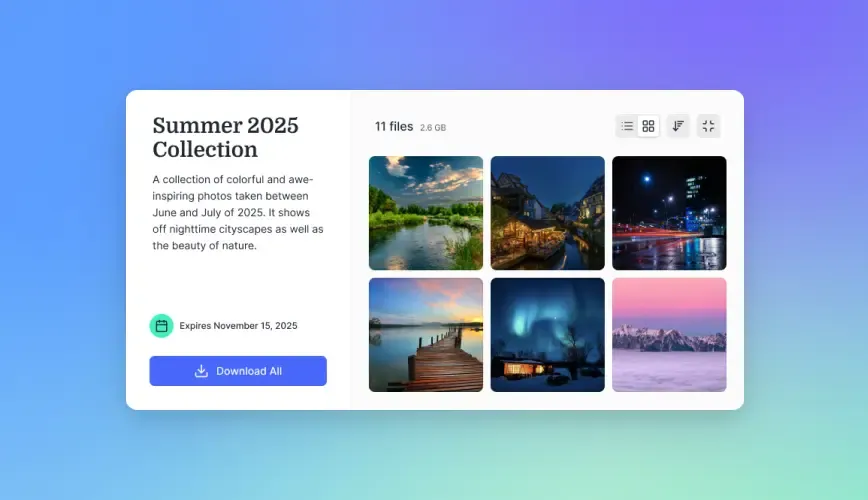
Purpose-built sharing tools solve this. Fastio's branded shares let you create a dedicated link for each listing's materials, with your brokerage's branding, download controls, and optional password protection. Sellers see a clean, professional presentation of their listing assets. You control what is included and when access expires.
For collecting materials from vendors (photographers, videographers, stagers), receive shares or upload portals let outside contributors drop files into the right folder without needing a login to your system. This eliminates the "check your email for the WeTransfer link" problem entirely.
Version control matters
When the marketing coordinator updates a flyer's price after a reduction, every agent using that flyer needs the current version. Platforms with file versioning handle this automatically. The old version is still accessible in the history, but anyone who opens or downloads the file gets the latest one.
This is particularly important for compliance. Real estate marketing materials are subject to fair housing regulations, brokerage disclosure requirements, and MLS rules. If an agent distributes an outdated flyer with incorrect pricing or missing disclosures, the liability falls on the brokerage.
Keeping Brand Consistency Across a Growing Team
Brand consistency is harder to maintain than it is to create. A two-person team can stay aligned through conversation. A fifty-agent brokerage needs systems.
Lock down the essentials
Your brand assets folder should contain everything an agent or designer needs to create on-brand materials: logo files in multiple formats (SVG, PNG, and EPS at minimum), the exact hex codes for your brand colors, approved fonts with license information, and photo style guidelines.
Make this folder read-only for everyone except the marketing team. Agents should be able to download and use these assets, but not modify or replace them.
Provide editable templates, not blank canvases
The fast way to ensure brand consistency is to make the on-brand option also the easiest option. If creating a listing flyer from your approved template takes five minutes, but designing one from scratch takes an hour, most agents will use the template.
Build templates for every common use case: new listing announcement, open house invite, price reduction, just sold celebration, market report, and buyer guide. Include placeholder text that agents can swap out, and lock the layout elements they should not change (logo placement, color scheme, font choices).
Audit regularly
Even with great systems, materials drift over time. Schedule a quarterly review of active marketing materials. Check that listing flyers have current pricing, that social templates reflect any recent brand updates, and that archived materials are not still being circulated.
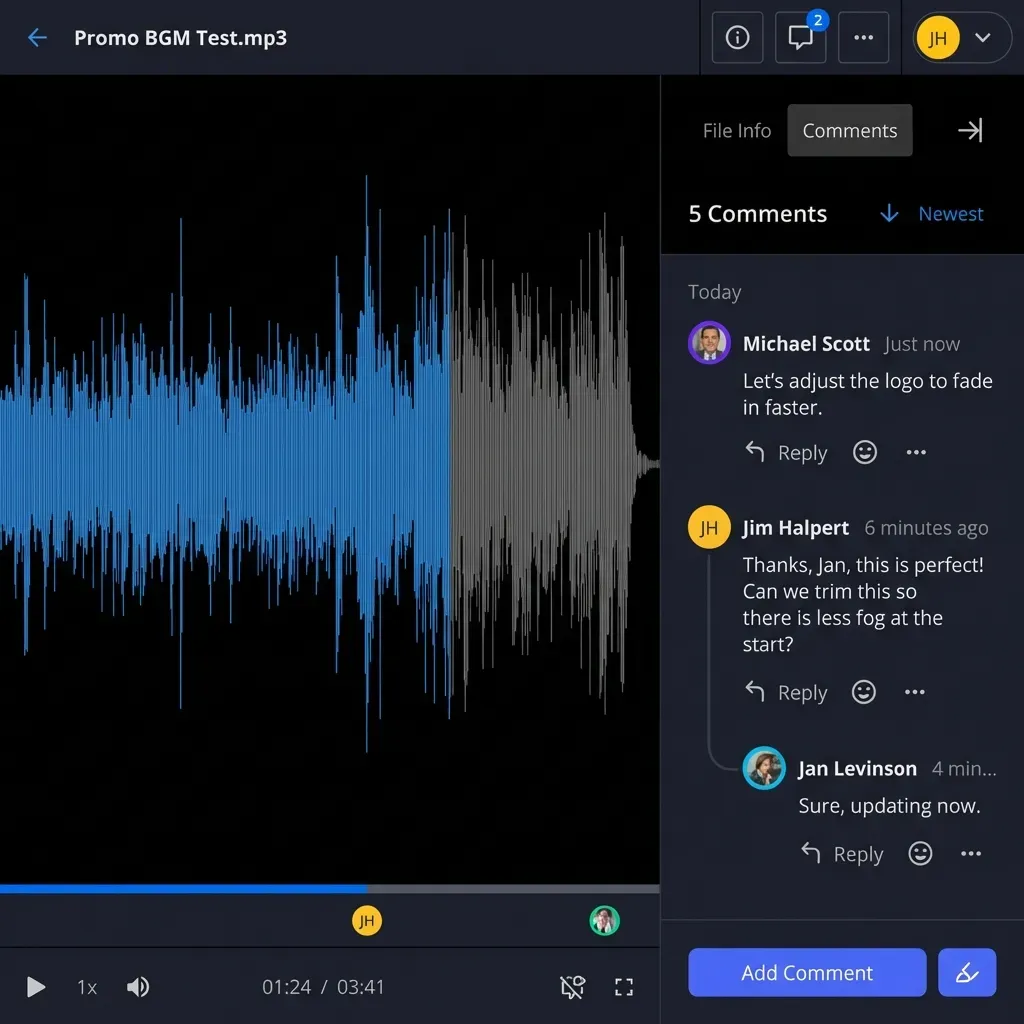
If your platform supports audit trails, use them. Fastio logs file operations, downloads, and share activity, so you can see which materials agents access most frequently and spot outdated assets that are still getting traffic.
Choosing the Right Platform for Your Materials Library
The right platform depends on your brokerage's size, budget, and technical comfort level. Here are the main options and where each fits best.
Google Drive or OneDrive work for small teams that already live in Google Workspace or Microsoft 365. The sharing is familiar, the cost is bundled with your existing subscription, and most agents already know how to use them. The downsides show up at scale: permission management gets messy with dozens of agents, branded external sharing requires workarounds, and there is no built-in version approval workflow.
Dropbox Business adds better external sharing and file request features. It handles large media files (drone footage, video walkthroughs) more gracefully than Google Drive. The Smart Sync feature keeps large libraries manageable on agents' laptops. Pricing is based on per-user monthly or annual subscriptions.
Canva for Teams is strong for template creation and editing but weaker for file storage and distribution. It is a design tool first and a file management tool second. Use it alongside a storage platform, not instead of one.
Fastio is built around shared workspaces with granular permissions, branded shares for external distribution, and file versioning. Fastio offers a 14-day Business Trial (card required; see /pricing/), which gives small to mid-size brokerages a full-featured environment to test branded client delivery and team workspaces. For teams that need to share large media files (like 4K listing videos or drone footage packages), the chunked upload support and inline previews for video, PDF, and images save time compared to email-and-download workflows. Once Intelligence is enabled for the workspace, files are indexed for search, so agents can find materials by describing what they need rather than remembering exact file names.
Brokerage-specific platforms like Xara and Inside Real Estate bundle marketing material creation with distribution. They are purpose-built for real estate but tend to be more expensive and less flexible than general workspace tools.
For most brokerages, the best setup combines a design tool (Canva or Adobe Express) for creating templates with a workspace platform (Fastio, Dropbox, or Google Drive) for organizing, versioning, and distributing the finished materials.
Sources
References used to verify factual claims in this guide.
-
Properties with professional photos sell 32% faster Listings with video receive significantly more inquiries and 73% of homeowners prefer agents who use video
-
It takes roughly 10 hours to create a full marketing suite for a single listing
Frequently Asked Questions
What marketing materials do real estate agents need?
At minimum, agents need property brochures, single-page flyers, professional listing photos, social media templates, email templates, and a presentation deck for listing appointments. Video walkthroughs and virtual tours are increasingly expected by sellers. Top producers maintain 15 to 20 reusable templates that they customize per listing.
How do you create real estate marketing materials?
Start with brand-approved templates in a design tool like Canva, Adobe Express, or your brokerage's template system. Swap in property-specific photos, details, and pricing. For photography and video, hire professionals. The creation step is usually straightforward. The harder part is organizing and distributing finished materials consistently, which is why a centralized library with version control matters more than any single design tool.
How do real estate teams share marketing collateral?
The most effective approach is a shared workspace where agents access materials directly. When the marketing team uploads new templates or listing assets, agents see them immediately. For sharing with clients and vendors, use branded share links with download controls and optional password protection. Avoid relying on email attachments, which creates versioning problems and makes it impossible to track who accessed what.
What are the best real estate marketing materials?
The highest-impact materials are professional listing photos (properties with pro photos sell 32% faster), video walkthroughs (which generate more inquiries), and well-designed brochures for open houses. Social media templates save the most time because agents reuse them for every listing. The "best" materials are the ones your team actually uses consistently, which is why ease of access matters as much as design quality.
How often should you update real estate marketing templates?
Review templates quarterly for brand accuracy and compliance. Update immediately after any brand change (new logo, color scheme, or tagline) and after regulatory changes that affect required disclosures. Listing-specific materials like flyers and brochures should be updated whenever pricing or property details change, with version control ensuring agents always access the current version.
Related Resources

Stop Losing Time to Disorganized Marketing Materials
Fastio gives your brokerage shared workspaces with granular permissions, branded client-facing shares, and generous storage. Built for real estate marketing materials workflows.