How to Build a Real Estate Listing Presentation That Wins Clients
A listing presentation is the pitch a real estate agent delivers to win the right to sell a homeowner's property. This guide covers what to include, how to structure it for maximum impact, and how digital delivery tools give you an edge over agents still relying on printed slide decks.

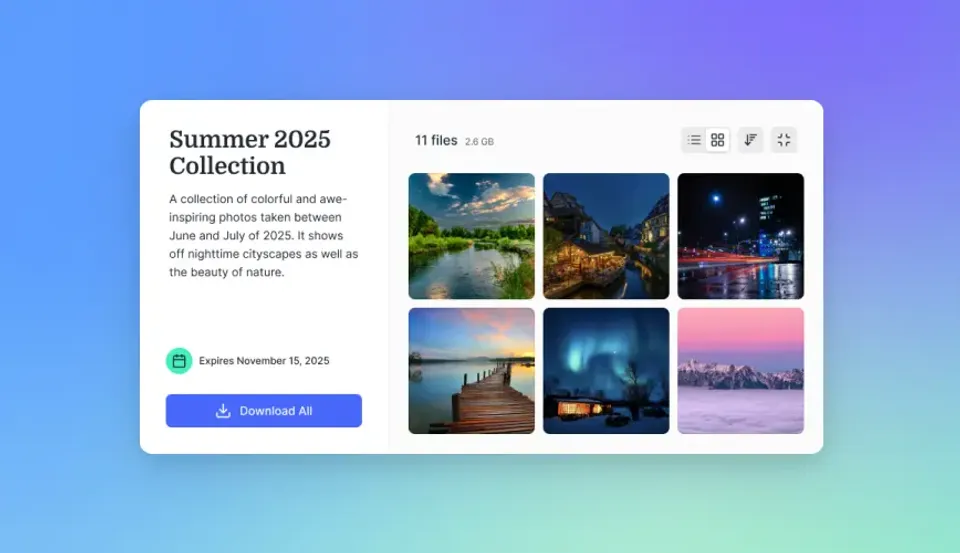
What a Listing Presentation Actually Is: real estate listing presentation
A listing presentation is a pitch that a real estate agent delivers to a homeowner to win the right to represent their property for sale. It typically combines market data, a marketing plan, and agent credentials into a single package.
Here is the important context most guides skip: according to the National Association of Realtors' 2024-2025 Profile of Home Buyers and Sellers, 81% of sellers contact only one agent before making their decision. That means the listing presentation is rarely a competitive shootout. It is your chance to convert a warm prospect who already wants to work with someone like you.
The agents who treat this as a formality lose deals. The agents who prepare a structured, data-backed, visually polished presentation close at roughly twice the rate of those who wing it. Top-performing agents report closing around 65% of listing appointments, while average agents close fewer than 30%.
The difference is preparation, structure, and delivery.
Helpful references: Fastio Workspaces, Fastio Collaboration, and Fastio AI.
Related guides
- Real Estate Document Management Guide for AgentsReal estate document management is the systematic organization, storage, and sharing of property transaction documents...
- Best Real Estate Marketing Tools for Agents and BrokeragesReal estate marketing tools help agents and brokerages create listings, distribute property content, manage client...
- How to Deliver Real Estate Drone Photography to ClientsMost real estate drone photography guides cover flight planning and camera settings but skip the hardest part: getting...
- How to Organize and Deliver Real Estate Listing PhotosGuide to real estate listing photos: Professional listing photos help homes sell faster and for more money, but the...
- How to Build a Real Estate Social Media Marketing Strategy That Generates LeadsReal estate agents who invest in social media marketing generate more qualified leads than those who rely on MLS...
- How to Create and Share Real Estate 3D Tours That Actually Drive ShowingsA real estate 3D tour is an interactive, navigable digital model of a property that lets prospective buyers explore...
More on this subject: Real Estate (21 guides)
Nine Components Every Listing Presentation Needs
The best listing presentations follow a consistent structure. Skip any of these and sellers notice the gap.
Agent introduction and track record. Start with who you are, how many homes you have sold in the area, and your average days on market. Sellers want proof you know their neighborhood.
Local market overview. Show broader market conditions: median prices, inventory levels, and whether the market favors buyers or sellers right now. This sets the stage for pricing.
Comparative market analysis (CMA). This is the analytical core. Include 3-6 comparable properties that recently sold, with price per square foot, days on market, and sale-to-list ratios. Over 85% of agents include a CMA, so skipping it signals inexperience.
Recommended pricing strategy. Present a specific price range with data to support it. Top agents present pricing early rather than saving it for the end. If sellers doubt your pricing knowledge, they disengage from everything that follows.
Marketing plan. Detail exactly how you will market the property: professional photography, 3D virtual tours, video walkthroughs, social media campaigns, email blasts, open house schedule, and MLS syndication strategy. Listings with video receive 403% more inquiries than those without.
Staging recommendations. Provide specific, actionable staging advice. Even a brief room-by-room checklist shows you have already thought about how to present the property at its best.
Timeline and process roadmap. Walk sellers through what happens after they sign: when photos are taken, when the listing goes live, how showings work, and how offers are reviewed.
Testimonials and past results. Include 3-5 recent client testimonials. If you have before/after examples of homes you marketed successfully, even better.
Net proceeds estimate. Sellers care about what they take home. Show estimated closing costs, commission, and net proceeds at your recommended price point.
Pre-Listing Packets: Set the Stage Before You Arrive
The listing presentation does not start when you walk through the door. It starts 24-48 hours earlier with a pre-listing packet.
A pre-listing packet primes the seller and establishes credibility before the face-to-face meeting. Send it as a digital link rather than a printed PDF so you can track when the seller opens it and how long they spend on each section.
What to include in your pre-listing packet:
- A brief agent bio with headshot and contact info
- Your brokerage overview (one page, not a corporate brochure)
- A market snapshot for their neighborhood
- Sample marketing materials from a recent listing
- A seller preparation checklist (what to have ready for your meeting)
- An agenda for the listing appointment itself
Sending the packet early also filters serious sellers from casual ones. If a homeowner opens and reads the packet within hours, they are engaged. If they never open it, you know to adjust your approach.
This is where digital delivery becomes a real advantage. Instead of emailing a static PDF that disappears into an inbox, use a platform that provides branded links with engagement analytics. You will know the moment the seller opens your materials, which pages they spent time on, and whether they shared it with a spouse or partner.
Tools like Fastio let you create branded share links with built-in tracking. Upload your pre-listing packet, generate a share link, and get notified when the recipient views it. The audit trail shows exactly when files were accessed, which helps you time your follow-up call perfectly.


Organize Your Listing Materials in One Place
Create branded share links for listing presentations, track when sellers open your materials, and keep every document organized by property. Start 14-day trial. Built for real estate listing presentation workflows.
Digital Delivery vs. Printed Decks
Printed listing presentations still have their place, especially for in-person meetings with older clients who prefer paper. But digital presentations offer advantages that are hard to ignore.
Why digital wins for most situations:
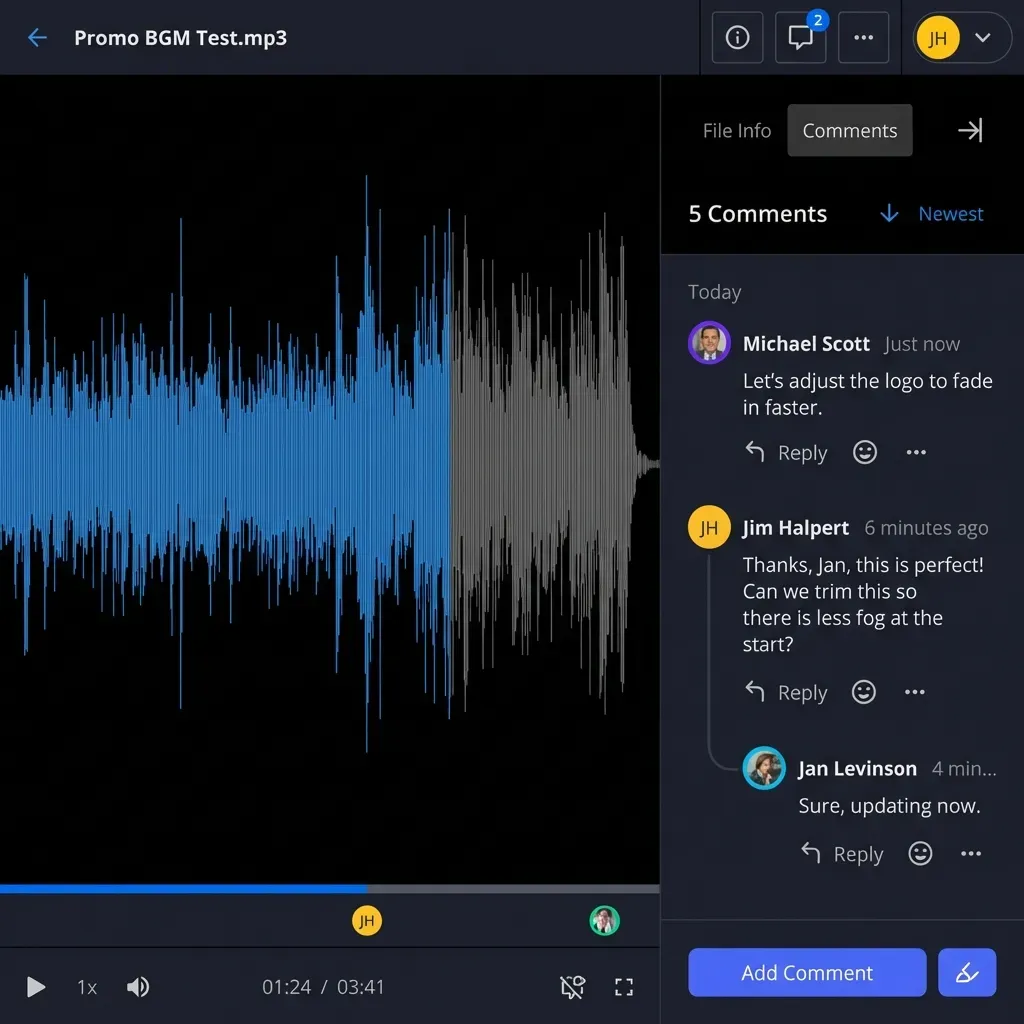
- Engagement tracking. Know when your prospect opens the presentation, which sections they read, and how long they spend on each page. This intel shapes your follow-up.
- Embedded media. Include video walkthroughs, 3D tours, and interactive maps directly in the presentation. Static PDFs cannot do this. Listings with 3D tours generate 87% more views than photo-only listings.
- Easy updates. Pricing data changes fast. With a digital presentation, you can update comps and market data right up until the meeting.
- Shareability. Sellers often need to share the presentation with a spouse, family member, or attorney. A digital link is easier to forward than a physical binder.
- Professional polish. A well-designed digital presentation signals that you are tech-savvy and will bring that same energy to marketing their home.
Popular tools for digital listing presentations:
- Highnote is purpose-built for real estate presentations with 50+ templates, drag-and-drop media embedding, and viewer analytics.
- Canva works well for designed slide decks that you export as PDFs or present as links.
- Cloud CMA and MoxiPresent are brokerage-oriented tools that integrate CMA data directly into presentation templates.
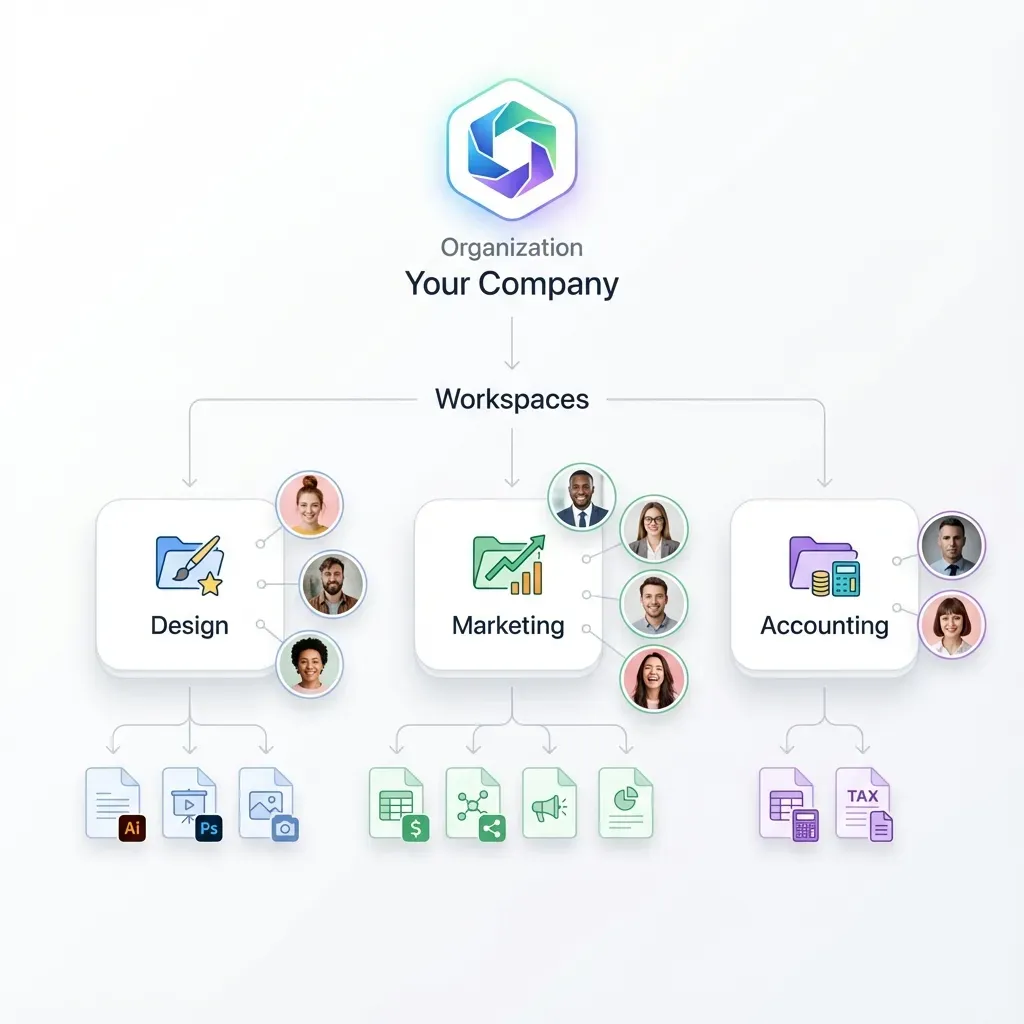
- Fastio works as a delivery and tracking layer. Upload your finished presentation (from any tool), create a branded share link, and track engagement. The workspace approach means you can organize all materials for a listing in one place: CMA, photos, marketing samples, and the presentation itself.
The best approach combines a specialized creation tool with a delivery platform that gives you analytics and branding control.
How to Deliver the Presentation
Structure matters, but delivery closes the deal. Here are the practices that separate agents who convert from agents who present.
Keep it under 25 minutes. Sellers lose focus after that. If you cannot make your case in 25 minutes, you are including too much or not editing enough.
Lead with pricing. Many agents save the CMA for the end as a big reveal. This is a mistake. If sellers spend the entire presentation wondering "but what's my home worth?", they are not absorbing your marketing plan or credentials. Address pricing in the first ten minutes, then build on that foundation.
Ask questions, do not just talk. The best listing presentations are conversations. Ask the seller about their timeline, their priorities, and their concerns. "What matters most to you about how your home is marketed?" tells you exactly where to focus your pitch.
Personalize everything. Use the property address on the cover. Include photos of the actual home (even phone photos from your initial walkthrough). Reference the specific neighborhood. Generic presentations feel generic.
Handle the commission conversation directly. Do not wait for the seller to bring it up. Explain your commission structure, what it covers, and why it represents good value. Sellers rank competence and communication above commission rate, but they want transparency.
Close with a clear next step. Do not end with "so, what do you think?" End with "I would love to get started. Here is the listing agreement, and here is what happens in the first 48 hours after you sign."
Follow-Up Strategy After the Presentation
The follow-up is where many agents fumble a presentation they actually won. Sellers rarely sign on the spot, and the hours after your meeting are critical.
Same-day follow-up. Send a written summary within 2-3 hours of the meeting. Reference specific things you discussed (this proves you listened). Include your recommended price range and a brief outline of the marketing timeline.
Digital presentation link. If you presented in person, send a digital version of the presentation as a follow-up. This gives the seller something to review and share with family members. Use a trackable link so you know when they revisit the materials.
Engagement-based timing. If you are using a platform with analytics, let the data guide your follow-up cadence. When you see the seller re-open your presentation or share it with someone new, that is your signal to reach out. A call that arrives right after someone revisits your materials feels timely, not pushy.
Address objections proactively. If you sensed hesitation during the presentation, address it directly in your follow-up. "You mentioned concerns about the timeline. Here is how I have handled similar situations..." is more effective than pretending the objection did not happen.
Use a workspace to organize everything. As the listing progresses from presentation to signed agreement to active marketing, the number of files grows fast: contracts, disclosures, photos, marketing proofs, showing feedback. Setting up a shared workspace early keeps everything in one place and signals professionalism. Fastio workspaces let you organize files by listing, control who sees what with granular permissions, and share specific folders with clients through branded portals. When files are uploaded, they are automatically indexed, so you can search across documents by meaning rather than filename.
The 48-hour rule. If you have not heard back within 48 hours, make one more direct contact. After that, shift to a longer nurture cadence. Pushing too hard after a listing presentation backfires.
Sources
References used to verify factual claims in this guide.
-
81% of sellers contact only one agent before making their decision
-
Listings with video receive 403% more inquiries
-
3D tours generate 87% more views than photo-only listings
Frequently Asked Questions
What should a listing presentation include?
A complete listing presentation includes nine components: agent introduction and track record, local market overview, comparative market analysis (CMA), pricing strategy, marketing plan, staging recommendations, timeline and process roadmap, client testimonials, and a net proceeds estimate. The CMA and marketing plan are the most critical sections, as they directly address the seller's two biggest questions: what is my home worth, and how will you sell it?
How long should a real estate listing presentation be?
Keep the core presentation under 25 minutes. Sellers lose focus after that. However, plan for the full meeting to run 45-60 minutes when you include conversation, questions, and the commission discussion. The presentation itself should be tight and visual, with detailed supporting materials available digitally for sellers to review later.
How do you win a listing presentation?
Preparation is the biggest differentiator. Send a pre-listing packet 24-48 hours before the meeting. Personalize every element with the property address and neighborhood data. Lead with pricing (do not save it for the end). Ask questions and listen. Address the commission conversation directly. Follow up the same day with a written summary that references specific points from your discussion.
What is the difference between a listing presentation and a CMA?
A CMA (comparative market analysis) is a data report that estimates a property's value based on recent comparable sales. A listing presentation is the full pitch that includes the CMA plus your marketing plan, credentials, testimonials, timeline, and net proceeds estimate. The CMA answers 'what is the home worth?' while the listing presentation answers 'why should I list with you?' Over 85% of agents include CMA data in their listing presentation, but the CMA alone is not enough to win the listing.
Should I use a digital or printed listing presentation?
Digital presentations offer clear advantages: engagement tracking, embedded video and 3D tours, easy updates, and simple sharing. However, printed materials still work well for in-person meetings with clients who prefer paper. The best approach is to present in person (printed or on a tablet) and follow up with a digital link that the seller can review and share at their own pace.
Related Resources

Organize Your Listing Materials in One Place
Create branded share links for listing presentations, track when sellers open your materials, and keep every document organized by property. Start 14-day trial. Built for real estate listing presentation workflows.