How to Build a Real Estate Content Marketing Strategy That Generates Leads
Most real estate content marketing guides list content ideas but skip the production workflow. This guide covers the full cycle, from choosing content types that match your market to building a content calendar, managing assets across your team, repurposing content across channels, and measuring what actually works.


Why Content Marketing Works for Real Estate
Real estate is a trust business. Buyers and sellers choose agents they believe understand their market, their neighborhood, and their specific situation. Content marketing builds that trust before a prospect ever picks up the phone.
The economics are compelling. Content marketing costs roughly 62% less than traditional marketing while generating about three times as many leads, according to the Content Marketing Institute. For real estate agents spending $12,000 to $15,000 a year on marketing, shifting even a portion of that budget toward content can dramatically improve lead volume without increasing spend.
The reason content works so well in real estate specifically is that the buying cycle is long. A typical home purchase takes three to six months from first search to closing. During that window, buyers consume multiple pieces of content, comparing neighborhoods, researching mortgage options, and evaluating agents. Each blog post, market report, or neighborhood guide you publish is a chance to be the agent they find during that research phase.
Organic search matters here too. Real estate blogs that include local market data pull more organic traffic than generic advice posts. A post titled "Average Home Prices in Westlake Hills, January 2026" answers a specific query that a buyer is typing into Google right now. A post titled "5 Tips for Buying a Home" competes with every national real estate site.
The agents who win at content marketing are not the ones who write the most. They are the ones who write the most specific, locally relevant content and distribute it consistently.
Helpful references: Fastio Workspaces, Fastio Collaboration, and Fastio AI.
Related guides
- How to Build a Real Estate Social Media Marketing Strategy That Generates LeadsReal estate agents who invest in social media marketing generate more qualified leads than those who rely on MLS...
- How to Build a Real Estate Brand That Wins ListingsA real estate brand is more than a logo. It's the combination of visual identity, messaging, and client experience that...
- Luxury Real Estate Marketing: How to Present High-End PropertiesLuxury real estate marketing goes beyond standard listing tactics. High-end properties need professional media...
- Best Real Estate Marketing Tools for Agents and BrokeragesReal estate marketing tools help agents and brokerages create listings, distribute property content, manage client...
- How to Build a Real Estate Listing Presentation That Wins ClientsA listing presentation is the pitch a real estate agent delivers to win the right to sell a homeowner's property. This...
- How to Create and Share Real Estate 3D Tours That Actually Drive ShowingsA real estate 3D tour is an interactive, navigable digital model of a property that lets prospective buyers explore...
More on this subject: Real Estate (21 guides)
Seven Content Types That Generate Leads for Real Estate Agents
Not all content performs equally. Here are the formats that consistently drive traffic and convert visitors into leads for real estate professionals.
Local market reports. Monthly or quarterly breakdowns of median prices, days on market, inventory levels, and price-per-square-foot trends for specific neighborhoods or ZIP codes. These attract buyers and sellers who are actively researching timing. They also earn backlinks from local news sites and community blogs.
Neighborhood guides. Detailed profiles covering schools, restaurants, commute times, parks, walkability scores, and lifestyle fit. Neighborhood guides rank well for long-tail searches like "best neighborhoods in Austin for families" and stay relevant for months with minor updates.
Property walkthrough videos. Listings with video receive 403% more inquiries than those without, according to the National Association of Realtors. A two-minute walkthrough gives buyers spatial context that photos cannot. Even a smartphone video with good lighting outperforms no video at all.
Buyer and seller guides. Step-by-step resources covering the purchase or sale process: what to expect at each stage, common pitfalls, timeline estimates, and closing cost breakdowns. These long-form guides work as lead magnets when gated behind an email form.
Client success stories. Case studies of past transactions, with the client's permission, that show how you solved a specific problem: a difficult appraisal, a competitive offer situation, or a tight closing timeline. These build credibility better than testimonials because they show your process.
Market commentary and opinion pieces. Short-form takes on interest rate changes, new construction trends, or local zoning decisions. These perform well on social media and position you as someone who follows the market closely, not just someone who lists houses.
FAQ and how-to posts. Answer the questions your clients actually ask: "How much does a home inspection cost in Denver?" or "What happens if my appraisal comes in low?" These pages capture featured snippets and People Also Ask boxes in Google search results.
The strongest content strategies combine three or four of these formats rather than focusing on just one. A neighborhood guide links naturally to a market report, which links to a buyer's guide, which links to a contact form.
Building a Content Calendar That You Can Actually Maintain
The biggest failure mode in real estate content marketing is not producing bad content. It is producing great content for three weeks and then stopping. A sustainable calendar matters more than an ambitious one.
Start with your capacity. If you are a solo agent, one piece of content per week is realistic. If you have an assistant or a small team, two to three pieces per week is achievable. Do not plan for daily publishing unless you have a dedicated marketing person.
Map content to the buying cycle. Your calendar should include content for each stage:
- Awareness stage: Neighborhood guides, market reports, lifestyle content. These attract people who are thinking about buying or selling but have not committed yet.
- Consideration stage: Buyer/seller guides, comparison posts, financing explainers. These help prospects evaluate their options and start to see you as a resource.
- Decision stage: Client success stories, agent bio content, listing presentations. These convert prospects who are ready to choose an agent.
Batch your production. Writing one blog post is hard. Writing four in a single afternoon is easier because you stay in the writing mindset. Set aside one day per month to draft the next month's content. Record multiple videos in the same session while the camera is set up and you are dressed for it.
Tie content to seasonal patterns. Real estate has predictable rhythms. Spring and early summer are peak listing seasons. Fall brings school district searches. Winter is for first-time buyer education. Plan your editorial calendar around these patterns rather than publishing randomly.
A simple quarterly plan might look like this: four market reports (one per month, skip one month), four neighborhood guides, two buyer or seller guides, and two client stories. That is 12 pieces of content in three months, roughly one per week, covering all stages of the funnel.
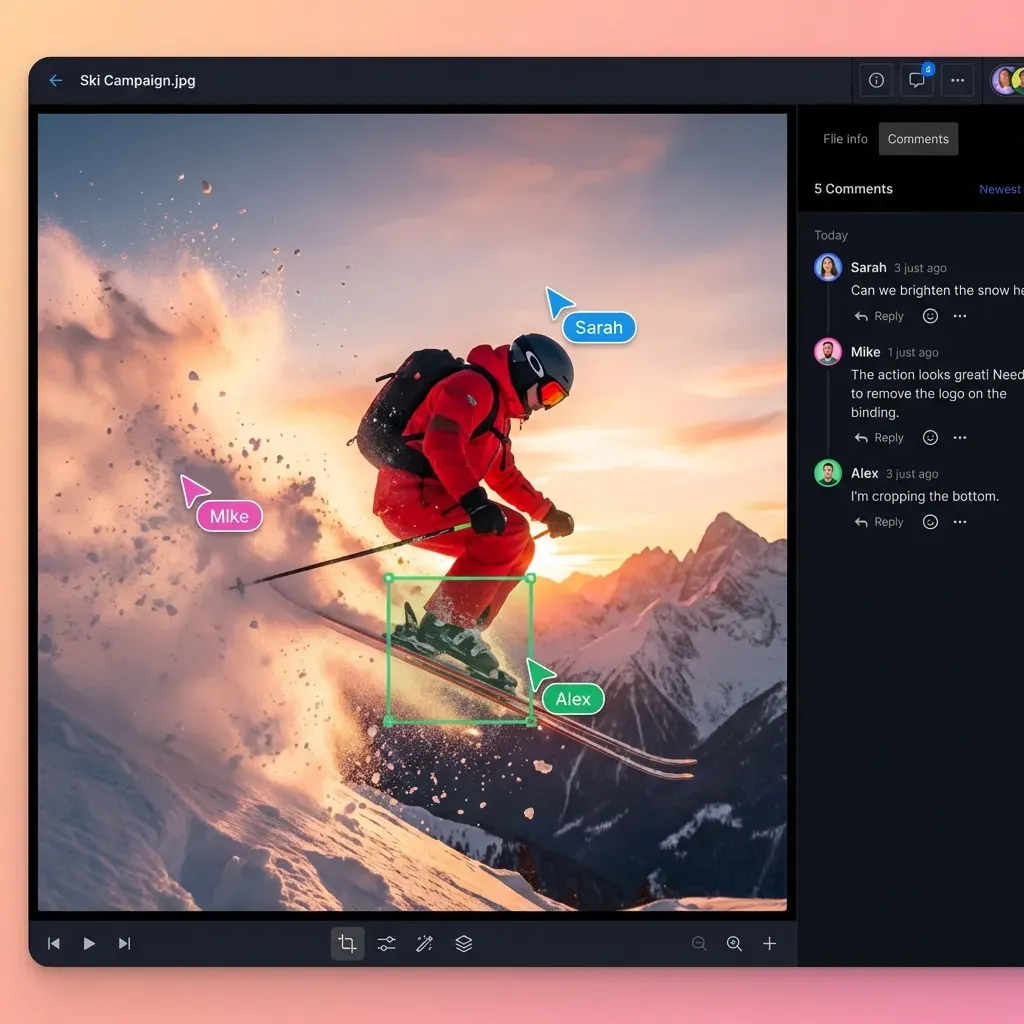


Organize Your Real Estate Content Library
Keep property photos, market reports, listing videos, and marketing materials in one workspace your whole team can access. Fastio gives you branded sharing, granular permissions, and file versioning built for real estate workflows. Built for real estate content marketing workflows.
Managing Content Assets Across Your Team
A solo agent can keep photos in a phone gallery and blog drafts in Google Docs. Once you add a second agent, an assistant, a photographer, and a videographer, asset management becomes the bottleneck.
The typical pain points are predictable. Photos from a listing shoot sit in the photographer's Dropbox. The social media templates live in Canva. Blog drafts are in someone's email. The final versions are somewhere else entirely. When an agent needs the approved marketing package for an open house on Saturday morning, nobody can find it.
Centralize your marketing library. Pick one platform where all finished assets live. Not where drafts happen, but where approved, ready-to-use content is stored and organized. Structure it by property, by content type, or by campaign, whichever matches how your team actually searches for files.
Use consistent naming conventions. A file named "IMG_4592.jpg" is useless six months later. Name files with the property address, content type, and date: "123-oak-st-exterior-front-2026-03.jpg" tells everyone exactly what it is.
Set permissions by role. Your photographer needs to upload but should not accidentally delete the wrong folder. Your agents need to download and share but should not rearrange the library structure. Granular permissions prevent the "who moved my files" conversations that waste everyone's time.
Platforms like Fastio handle this well for real estate teams. Workspaces let you organize content by property or campaign, granular permissions control who can view, edit, or share each folder, and branded shares let you deliver polished content packages to clients without giving them access to your entire library. The audit trail tracks every download and view, so you know which content your clients actually opened.
Version your content. Market reports need monthly updates. Listing flyers change when prices drop. Keep previous versions accessible but make the current version obvious. File versioning prevents the common mistake of sending a client last month's pricing.
Repurposing Content Across Channels
The agents who get the most mileage from content marketing do not create unique content for every channel. They create one strong piece and adapt it for multiple platforms.
Here is a practical repurposing workflow starting from a single neighborhood guide:
Blog post to social media. Pull three or four key facts from your neighborhood guide and turn each into a social media post with a photo. "The average home in Westlake Hills sold for $1.2M in February, up 4% from last year" works as a standalone Instagram post or LinkedIn update. Link back to the full guide.
Blog post to email newsletter. Summarize the guide in three paragraphs and send it to your email list. Include one compelling stat and a link to read the full version. Email remains one of the highest-ROI channels in real estate marketing, with returns reaching $40 for every $1 spent according to industry benchmarks.
Blog post to video. Stand in the neighborhood and record a 60-second summary of the key highlights. You already did the research for the written guide, so the video script writes itself. Post it to YouTube, Instagram Reels, and your website.
Blog post to PDF download. Reformat the guide as a branded PDF and offer it as a lead magnet. "Download our free guide to living in Westlake Hills" works as a Facebook ad, an email opt-in, or a handout at an open house.
Blog post to listing presentation. Pull the market data from your reports into your listing presentation slides. When a seller sees you presenting hyperlocal data they have not seen from other agents, it differentiates you immediately.
This approach means one afternoon of research and writing produces content for five or six channels. The key is having a system for storing and distributing these adapted assets so they do not get lost in email threads and desktop folders.
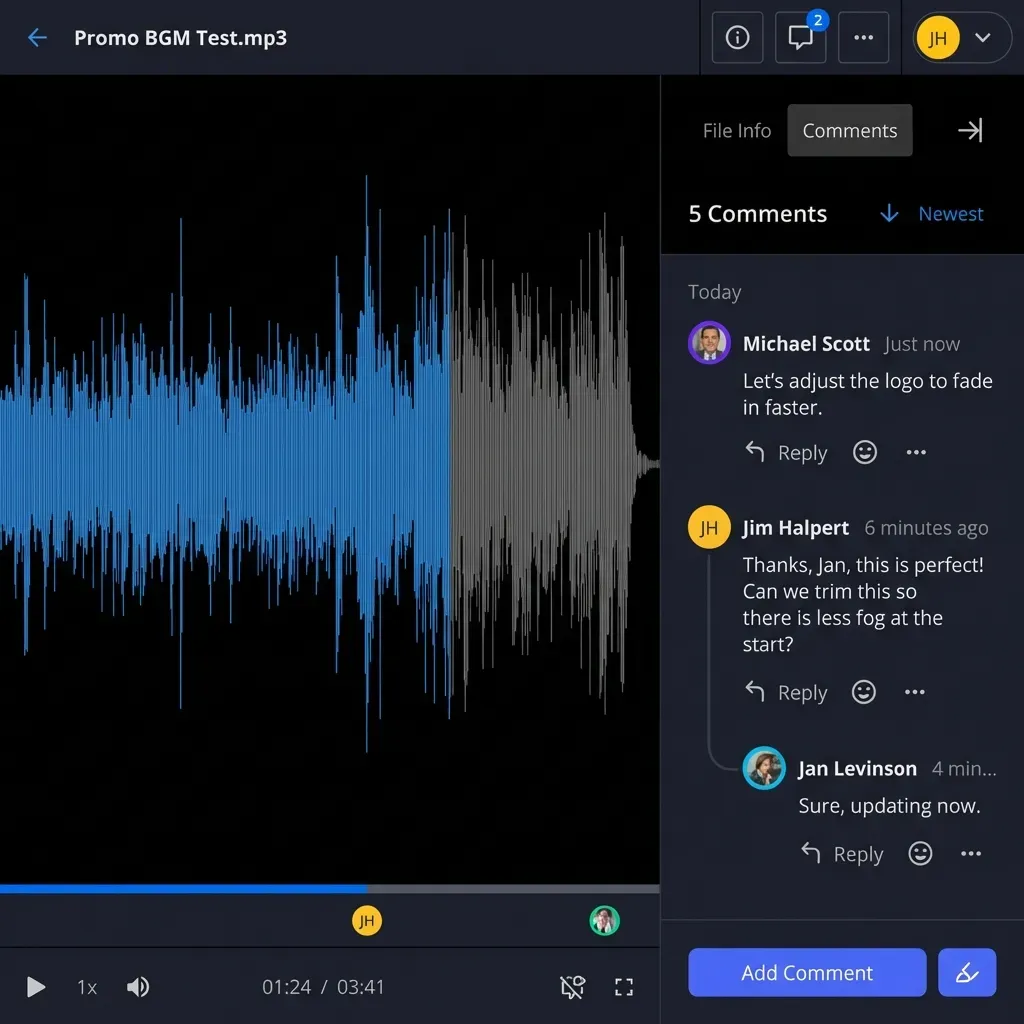
Measuring What Actually Works
Most real estate agents track vanity metrics: page views, social media followers, email open rates. These feel good but do not tell you whether your content is generating business.
Track leads, not traffic. The metric that matters is how many people contacted you because of a specific piece of content. Set up contact forms on your blog posts. Use unique phone numbers or email addresses for different content channels if you want to get precise. At minimum, ask every new lead "how did you find me?" and record the answer.
Monitor search rankings for your target keywords. If you are writing neighborhood guides, check whether they rank on the first page for searches like "homes in [neighborhood name]" or "[neighborhood] real estate market." Free tools like Google Search Console show you which queries bring visitors to your site and which pages they land on.
Measure engagement depth, not just views. A blog post that gets 200 views but 15 contact form submissions is more valuable than one that gets 2,000 views and zero leads. Time on page, scroll depth, and click-through to your contact page tell you whether visitors found the content useful.
Calculate your cost per lead by channel. If you spend 10 hours a month on content creation and generate 8 leads from organic search, your cost per lead is the value of those 10 hours. Compare that to your cost per lead from paid ads, direct mail, or portal subscriptions. Content marketing typically wins this comparison over time because the content keeps generating leads long after you publish it.
Review quarterly, not weekly. Content marketing is a compounding strategy. A blog post published in January might not rank well until April. Review your content performance on a 90-day cycle. Look at which topics drove the most leads, which formats performed best, and which channels delivered the highest quality prospects. Then adjust your calendar for the next quarter.
Keep your analytics simple. A spreadsheet tracking content published, leads generated, and deals closed from content-sourced leads gives you everything you need to make informed decisions about where to invest your time.
Sources
References used to verify factual claims in this guide.
-
Content marketing costs 62% less than traditional marketing and generates 3x more leads
-
Listings with video receive 403% more inquiries Professional photos help listings sell 32% faster
-
Email marketing delivers returns reaching $40 for every $1 spent
Frequently Asked Questions
What is content marketing in real estate?
Real estate content marketing is the practice of creating and distributing valuable, relevant content like blog posts, market reports, video tours, and neighborhood guides to attract and retain clients throughout the home buying and selling journey. Instead of interrupting prospects with ads, you provide information they are actively searching for, building trust and positioning yourself as the local expert.
How do real estate agents create content?
Most agents start with what they already know. Write about the neighborhoods you sell in, the questions your clients ask during transactions, and the market trends you track daily. Batch your production by setting aside one day per month to draft blog posts or record videos. Use a content calendar to stay consistent, and repurpose each piece across multiple channels to maximize your return on the time invested.
What type of content works best for real estate?
Local market reports and neighborhood guides consistently outperform generic advice content for real estate agents. Posts with hyperlocal data, like median prices, days on market, and inventory levels for specific neighborhoods, attract buyers and sellers who are actively researching. Video content is also highly effective, with listings featuring video receiving more inquiries than those without.
How often should a realtor publish content?
Once per week is a sustainable starting point for most solo agents. Consistency matters more than frequency. Publishing one well-researched blog post every week for a year will outperform publishing daily for a month and then stopping. If you have a team, aim for two to three pieces per week spread across different content types and funnel stages.
How long does it take for real estate content marketing to produce results?
Expect three to six months before you see meaningful organic search traffic from blog content. Individual posts may take 60 to 90 days to reach their ranking potential in Google. Social media and email content can generate faster results because you are distributing to an existing audience. The compounding effect is the real payoff. After 12 months of consistent publishing, your content library works as a lead generation engine that runs without additional spend.
Do I need to hire a writer for my real estate blog?
Not necessarily. The best real estate content comes from agents who know their market firsthand. A freelance writer can help with polish and formatting, but the market insights, transaction stories, and neighborhood knowledge need to come from you. If you do hire a writer, provide them with specific data points, client stories (with permission), and local details they cannot find online.
Related Resources

Organize Your Real Estate Content Library
Keep property photos, market reports, listing videos, and marketing materials in one workspace your whole team can access. Fastio gives you branded sharing, granular permissions, and file versioning built for real estate workflows. Built for real estate content marketing workflows.