How to Set Up a Real Estate Client Portal for Document Sharing
A real estate client portal is a secure, branded online workspace where agents share transaction documents, disclosures, and closing files with buyers and sellers. This guide walks through five steps to set one up, from choosing the right platform to organizing documents by transaction phase.


Why Real Estate Agents Need a Client Portal
Real estate transactions generate a lot of paper. Purchase agreements, seller disclosures, inspection reports, title documents, loan paperwork, HOA records. A single residential sale can involve 10 to 15 distinct document types, many with multiple revisions.
Most agents still share these documents over email. That works until a buyer can't find their inspection report three weeks later, or a seller sends back an unsigned version of the disclosure because they opened the wrong attachment. According to NAR's 2025 Profile of Home Buyers and Sellers, 96% of buyers used online resources during their home search. They expect the same digital access for their transaction documents.
A client portal solves the scatter problem. Instead of threading documents across dozens of emails, you give each client a single link where everything lives. They log in, see their documents organized by category, and download what they need. You see exactly what they've accessed.
The real advantage isn't just convenience. It's fewer "can you resend that?" emails, fewer version mix-ups, and a professional experience that sets you apart from agents still emailing PDFs.
Helpful references: Fastio Workspaces, Fastio Collaboration, and Fastio AI.
Related guides
- 8 Best Real Estate Transaction Coordinator Software Tools for Document ManagementGuide to real estate transaction coordinator software: Transaction coordinators juggle 40+ documents per deal across a...
- Real Estate Document Management Guide for AgentsReal estate document management is the systematic organization, storage, and sharing of property transaction documents...
- How to Set Up a Secure Document Portal for Your Title CompanyTitle companies handle some of the most sensitive documents in any real estate transaction, from wire instructions to...
- How to Set Up a Real Estate Data Room for Due DiligenceCommercial real estate transactions generate hundreds of documents that multiple parties need to review under tight...
- How to Create and Share Real Estate 3D Tours That Actually Drive ShowingsA real estate 3D tour is an interactive, navigable digital model of a property that lets prospective buyers explore...
- How to Deliver Real Estate Drone Photography to ClientsMost real estate drone photography guides cover flight planning and camera settings but skip the hardest part: getting...
More on this subject: Real Estate (21 guides)
What to Look For in a Real Estate Document Portal
Before picking a platform, define what you actually need. Most agents don't need a full transaction management system. They need a clean way to share documents with clients and control who sees what.
Branded experience. Your portal should look like it belongs to your brokerage, not a random file hosting service. Custom logos, colors, and a professional URL matter when clients are trusting you with the biggest purchase of their lives.
Granular permissions. Buyers and sellers in the same transaction shouldn't see each other's financial documents. You need folder-level or file-level access controls, not just one shared link for everything.
Guest access without friction. Clients shouldn't need to create accounts or install apps. A secure link with optional password protection is the right balance between security and usability.
Audit trail. You want to know when a client opened a document, what they downloaded, and whether they've reviewed the latest version. This protects you if there's ever a dispute about what was shared and when.
File format support. Real estate documents come as PDFs, Word docs, scanned images, and occasionally spreadsheets. Your portal should preview these inline so clients don't have to download everything to read it.
You don't need e-signatures built into the portal (DocuSign and dotloop handle that). You don't need a CRM. You need a secure, organized space for document delivery.
5 Steps to Set Up Your Client Portal
1. Choose Your Platform
You have three broad options:
- Purpose-built real estate tools like Dotloop, SkySlope, or Glide bundle portals with transaction management. Good if you want everything in one system, but they can be expensive and rigid.
- Generic client portal software like Clinked or SuiteDash offers branded portals across industries. Flexible, but you'll configure everything from scratch.
- Cloud workspace platforms like Fastio or ShareFile give you workspaces with built-in sharing, permissions, and audit trails. These work well if you want a branded portal without buying into a full transaction management suite.
For agents who want a standalone document portal without CRM lock-in, a workspace platform is usually the best fit. Fastio's Share feature, for example, lets you create branded Send shares with download controls, guest access, and password protection. Plans start with Starter at $9.99/mo (250 GB storage), with a 14-day Business Trial available at /pricing/.
2. Create Your Workspace Structure
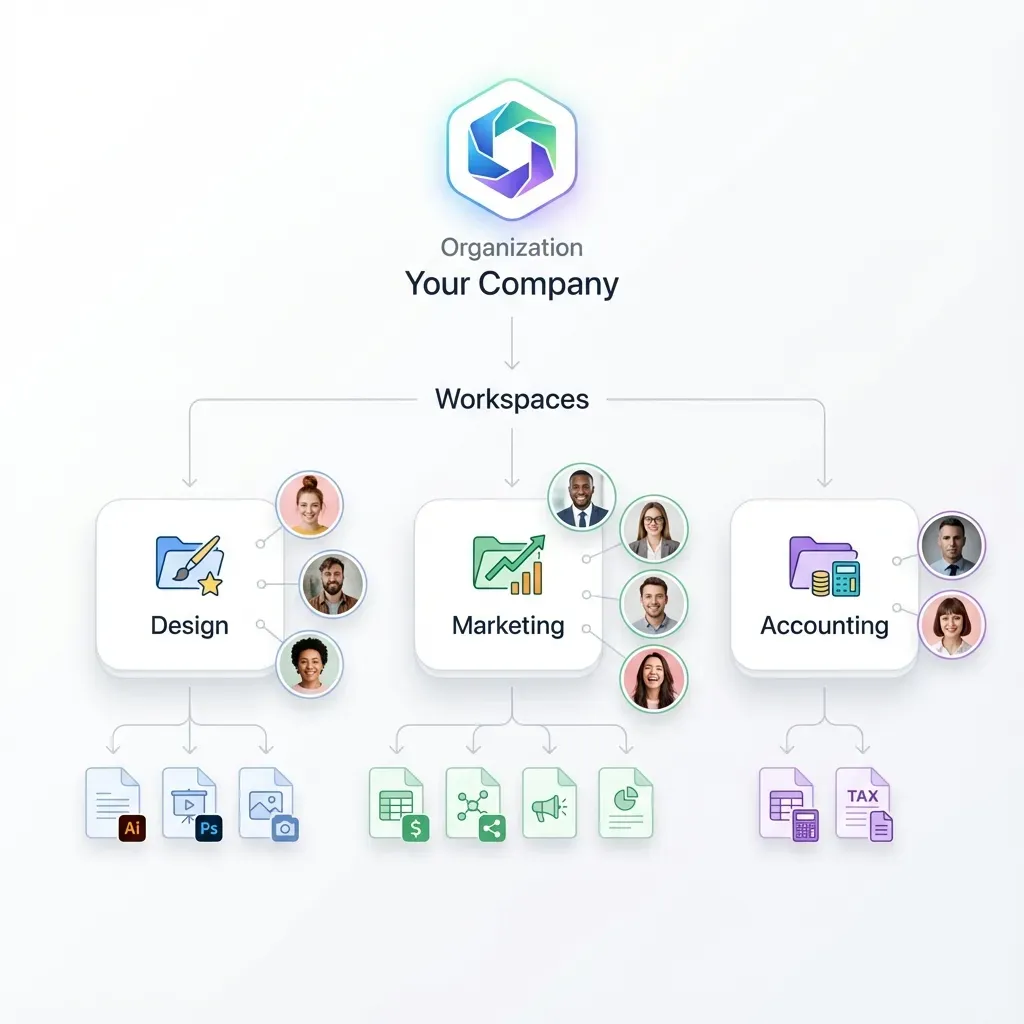
Set up a workspace for your active transactions. Inside it, create a folder structure that mirrors the transaction lifecycle:
- Pre-Contract: listing agreement, buyer agency agreement, comparative market analysis
- Under Contract: purchase agreement, earnest money receipt, seller disclosures
- Inspections: general inspection report, pest inspection, roof inspection, any specialist reports
- Title & Escrow: title search, title insurance commitment, escrow instructions
- Financing: pre-approval letter, loan estimate, appraisal report
- Closing: settlement statement, deed, final walkthrough checklist, closing instructions
This structure makes it obvious where each document belongs and helps clients find what they need without scrolling through a flat file list.
3. Set Permissions by Party
Not every party in a transaction should see everything. Set up access controls based on role:
- Buyers see purchase agreement, inspection reports, title documents, loan paperwork, and closing docs.
- Sellers see listing agreement, disclosures, purchase agreement, title documents, and closing docs.
- Neither party should see the other's financial details, agent commission agreements, or internal brokerage notes.
On platforms with granular permissions (Fastio supports org, workspace, folder, and file-level controls), you can create separate shares for each party. Each client gets their own branded link that shows only their documents.


Give your clients a better way to access their documents
Set up a branded document portal for your next transaction with Fastio's 14-day Business Trial, featuring built-in sharing and audit trails.
Organizing Documents by Transaction Phase
4. Upload and Organize Documents as They Arrive
Real estate documents don't arrive all at once. They trickle in over 30 to 60 days. Build a habit of uploading documents to the portal the same day you receive them.
Name files consistently. A pattern like 2026-03-29_Seller-Disclosure_123-Main-St.pdf is immediately scannable. Avoid generic names like Document1.pdf or scan_20260329.pdf that force clients to open every file to find what they need.
If your platform supports file versioning, use it. When a disclosure gets amended or an inspection addendum arrives, upload the new version to the same location. Fastio's workspaces track file versions automatically, so clients always see the latest copy while you retain the full history.
For agents handling multiple transactions, create one workspace per transaction rather than one giant workspace with subfolders. This keeps permissions clean and makes it easy to archive completed deals.
5. Share the Portal with Your Clients
Send your client a link to their portal early in the transaction, ideally right after going under contract. Frame it as a resource, not a chore.
A simple message works: "I've set up a secure document portal for your transaction at 123 Main Street. You'll find all your documents here as we move through the process. Here's your link."
If you're using a platform that supports Receive shares (where clients can upload back to you), include a separate upload link for documents you need from them, like pre-approval letters, proof of funds, or signed disclosures. This is cleaner than asking clients to reply to emails with attachments.
Check your audit trail weekly to see whether clients have actually accessed the portal. If a buyer hasn't opened their inspection report three days before the contingency deadline, that's a phone call worth making.
Keeping Your Portal Secure
Real estate documents contain Social Security numbers, financial statements, and legal agreements. Security isn't optional.
Password-protect shares. Even if your platform uses private links, adding a password creates a second layer. Share the password through a different channel than the link itself (text the password, email the link).
Use expiration dates. Once a transaction closes, you don't need clients to have indefinite access. Set shares to expire 30 to 90 days after closing. Archive the workspace for your records, but close the client-facing access.
Review permissions regularly. If a deal falls through, revoke access immediately. Leftover permissions on cancelled transactions are a liability.
Keep an audit trail. If a client ever claims they weren't given a disclosure, your portal's activity log shows exactly when you uploaded it and when (or whether) they opened it. On Fastio, the event system logs file operations, membership changes, and access activity for each workspace and share.
For agents in states with specific record retention requirements, check whether your platform supports long-term archival. Most cloud platforms retain files indefinitely as long as the account is active, but verify the policy for your chosen tool.
Making the Portal Part of Your Workflow
A client portal only works if you actually use it. The most common failure mode isn't choosing the wrong tool. It's setting up a portal for one transaction, then reverting to email attachments because the habit didn't stick.
Templatize your folder structure. Create a template workspace with your standard folder layout. Duplicate it for each new transaction instead of rebuilding from scratch.
Add it to your listing presentation. Mention the portal when you're pitching new clients. "You'll have a secure online portal where all your documents live" is a differentiator, especially for sellers comparing agents.
Use it for post-closing delivery. After the transaction closes, upload the final closing package to the portal and send a message letting clients know where to find their records. This is a small touch that generates referrals.
For teams with AI-enabled workspaces, there's an additional advantage: once Intelligence Mode is enabled, uploaded documents are automatically indexed. Clients or team members can search across documents by meaning, not just filename, and ask questions that get citation-backed answers. An agent could ask "What was the inspection contingency deadline?" and get the answer pulled directly from the purchase agreement.
The goal is a system where every document has one home, every client knows where to look, and you never have to dig through email to find a signed disclosure again.
Sources
References used to verify factual claims in this guide.
-
96% of buyers used online resources during their home search
Frequently Asked Questions
What is a real estate client portal?
A real estate client portal is a secure online workspace where agents share transaction documents with buyers and sellers. Instead of emailing PDFs back and forth, clients get a single link to access their purchase agreements, disclosures, inspection reports, title documents, and closing files. Most portals include features like branded presentation, access controls, and activity tracking.
How do real estate agents share documents with clients?
Most agents still use email, which scatters documents across inboxes and creates version control problems. A better approach is a client portal or branded share link where all transaction documents live in one organized location. Platforms like Dotloop, SkySlope, and Fastio offer different approaches, from full transaction management to standalone document workspaces.
What documents should be in a real estate client portal?
At minimum: the purchase agreement, seller disclosures, inspection reports, title search and insurance documents, loan estimates, and closing statements. You should also include the listing or buyer agency agreement, HOA documents (if applicable), and any addenda or amendments. Organize by transaction phase (pre-contract, under contract, inspections, title, financing, closing) so clients can find what they need.
How do you set up a secure document portal for real estate?
Choose a platform with granular permissions and audit trails. Create a workspace with folders organized by transaction phase. Set permissions so buyers and sellers only see their own documents. Share a password-protected link with each client. Upload documents as they arrive, use consistent file naming, and set expiration dates after the transaction closes.
Do I need a CRM to have a client portal?
No. Many agents assume they need a full CRM or transaction management system to offer a client portal. Standalone workspace platforms like Fastio, ShareFile, or Clinked let you create branded document portals without buying into a CRM. This is often simpler and cheaper for agents who already have a CRM and just need better document delivery.
How much does a real estate client portal cost?
Costs range from tens to several hundred dollars per month. Purpose-built real estate platforms like Dotloop and SkySlope typically start around $25 per agent. Generic workspace platforms vary. Fastio offers plans starting at $9.99/mo for 250 GB of storage on the Starter plan, with a 14-day Business Trial available at /pricing/. Enterprise transaction management systems cost more but bundle additional features.
Related Resources

Give your clients a better way to access their documents
Set up a branded document portal for your next transaction with Fastio's 14-day Business Trial, featuring built-in sharing and audit trails.