How to Build a Real Estate Brand That Wins Listings
A real estate brand is more than a logo. It's the combination of visual identity, messaging, and client experience that makes prospects choose you over the agent next door. This guide walks through building a brand from scratch, keeping it consistent at scale, and managing the operational side that most branding guides skip entirely.


What Real Estate Branding Actually Means
Real estate branding is the process of creating a distinct identity for an agent, team, or brokerage through consistent visual elements, messaging, and client experience across every touchpoint. That definition sounds clean, but the reality is messier. Your brand is what a homeowner thinks when they see your yard sign, what a buyer feels when they open your listing presentation, and whether a past client remembers your name when a friend asks for a referral.
Most branding guides start and stop with visual identity: pick colors, design a logo, choose fonts. Those matter, but they're the surface layer. The agents who build lasting brands go deeper. They define who they serve, what they stand for, and how every interaction reinforces that positioning.
According to Marq's research on brand consistency, companies that present their brand consistently across channels see revenue increases of up to 33%. In real estate, where trust is the product, that number makes intuitive sense. A buyer scrolling through listings sees dozens of agents. The one with a cohesive, professional presence across their website, social media, and marketing materials gets the call.
The challenge is that real estate branding exists at an awkward intersection. You might operate under a brokerage's umbrella brand while trying to build your own personal brand. You need to look premium but approachable. You want to stand out but not alienate the mainstream market. Getting this balance right is where strategy meets execution.
Helpful references: Fastio Workspaces, Fastio Collaboration, and Fastio AI.
Related guides
- How to Build a Real Estate Content Marketing Strategy That Generates LeadsMost real estate content marketing guides list content ideas but skip the production workflow. This guide covers the...
- How to Build a Real Estate Listing Presentation That Wins ClientsA listing presentation is the pitch a real estate agent delivers to win the right to sell a homeowner's property. This...
- How to Build a Real Estate Social Media Marketing Strategy That Generates LeadsReal estate agents who invest in social media marketing generate more qualified leads than those who rely on MLS...
- 7 Best Real Estate Transaction Coordinator Software Tools for Document ManagementGuide to real estate transaction coordinator software: Transaction coordinators juggle 40+ documents per deal across a...
- Real Estate Document Management Guide for AgentsReal estate document management is the systematic organization, storage, and sharing of property transaction documents...
- How to Create and Share Real Estate 3D Tours That Actually Drive ShowingsA real estate 3D tour is an interactive, navigable digital model of a property that lets prospective buyers explore...
More on this subject: Real Estate (21 guides)
What to check before scaling real estate branding
Skip the logo designer for now. The most expensive mistake in real estate branding is starting with visuals before you've answered three foundational questions.
Who do you serve?
"Everyone who buys or sells a home" is not a niche. The agents with the strongest brands pick a lane. First-time buyers in a specific metro area. Luxury waterfront properties. Relocating tech workers. Commercial investors. Your niche determines your messaging, your visual style, and where you spend your marketing budget.
Look at your last 20 transactions. Where did most of your commission come from? That pattern usually points to your natural niche, the one where referrals already flow.
What do you stand for?
Your brand promise is the one thing clients can expect every single time they work with you. Maybe it's radical transparency about pricing. Maybe it's a 24-hour response guarantee. Maybe it's deep neighborhood expertise backed by data, not just "I know this area."
Write it down in one sentence. If it could apply to any agent in your market, it's too generic. "I provide excellent customer service" is table stakes, not a brand differentiator.
How are you different?
Study the top five agents in your market. Visit their websites, read their bios, look at their social media. You'll notice most of them say the same things in the same way. Your brand lives in the gap between what they all promise and what you actually deliver differently.
This strategy work isn't glamorous, but it determines whether your branding investment pays off or just produces pretty collateral that doesn't convert.
Build Your Visual Identity System
With your strategy locked in, now you can design a visual system that communicates it. A real estate brand identity typically includes these core assets:
- Logo (primary version plus a simplified icon for social profiles and signage)
- Color palette (one primary color, one secondary, one accent, plus neutrals)
- Typography (one heading font, one body font)
- Photography style guidelines
- Template library (listing presentations, social media posts, email signatures, property flyers)
Logo design
Your logo will appear on yard signs viewed from 30 feet away and on business cards at arm's length. Design for both extremes. Avoid intricate details that disappear at small sizes. Test it in black and white because it will end up on faxed documents, newspaper ads, and photocopied flyers where color isn't available.
If you're working under a brokerage like Keller Williams or Coldwell Banker, check your brand compliance requirements first. Most brokerages require their logo to appear alongside yours, with specific size ratios and placement rules.
Color and typography
Choose colors that reflect your positioning. Luxury brands lean toward navy, black, gold, and muted tones. Family-oriented agents tend toward warmer colors like deep green, terracotta, or slate blue. Whatever you pick, commit to it everywhere. Consistency in color alone increases brand recognition by up to 80%, according to Marq's brand consistency research.
For fonts, readability wins over personality. Your heading font can have some character, but your body font should be clean and professional. You'll use it in contracts, emails, and small print on marketing materials.
Photography
This is where many agents underinvest. A consistent photography style, whether it's bright and airy, moody and dramatic, or warm and inviting, ties your listings and marketing together visually. Create guidelines for your photographer covering lighting, angles, editing presets, and staging standards.
What it costs
A professional branding package for a real estate agent typically runs between $2,500 and $10,000 for logo, guidelines, and core templates. Full packages that include website design, signage, and an extensive template library can reach $15,000 to $20,000. Solo agents on a tighter budget can start with a focused package covering logo, colors, fonts, and business cards for $500 to $2,000, then expand over time.


Keep Your Brand Assets Organized and Accessible
Fastio workspaces give your team one place for brand assets, listing materials, and client deliverables, with permissions that keep your brand consistent. Built for real estate branding workflows.
Create Your Brand Touchpoint Map
A brand touchpoint is any moment a prospect, client, or referral partner interacts with your brand. Most agents think about the obvious ones (website, business cards, yard signs) but miss the dozens of smaller interactions that either reinforce or dilute their brand.
Map out every touchpoint in the client journey:
Pre-contact touchpoints
- Zillow/Realtor.com agent profile
- Google Business Profile
- Social media profiles (Instagram, Facebook, LinkedIn)
- Yard signs and directional signs
- Community sponsorship materials
- Online reviews and testimonials
Initial contact touchpoints
- Website and landing pages
- Email signature and auto-responders
- Voicemail greeting
- Text message templates
- Initial consultation packet
Active client touchpoints
- Listing presentation
- Buyer consultation materials
- Property search portal
- Market analysis reports (CMAs)
- Showing feedback forms
- Transaction update emails
- Open house materials
Post-close touchpoints
- Closing gift presentation
- Review request sequence
- Anniversary and holiday mailers
- Referral program materials
- Market update newsletters
For each touchpoint, ask: does this look and feel like it came from the same brand? Most agents have a polished website but send CMAs from generic MLS templates with no branding. Or they have great social media but their listing presentations use a different color scheme. Those inconsistencies erode trust.
Branded listing presentations are worth specific attention. Research from real estate marketing firms suggests that branded presentations win up to 30% more listings than generic ones. When a seller is choosing between three agents, the one who shows up with a cohesive, professional presentation signals competence before saying a word.
Manage Brand Assets Without Losing Your Mind
Here's where most branding guides end and where real-world problems begin. You've invested in a beautiful brand. Now you need to actually use it consistently, every day, across every team member, every platform, and every client interaction.
According to DemandSage's branding research, 95% of companies create brand guidelines, but only 25-30% actually enforce them consistently. In real estate, this gap is even wider because teams are distributed, agents work independently, and marketing materials get created on the fly.
The operational problem
A typical brokerage or team deals with:
- Multiple agents who each need access to current logo files, templates, and guidelines
- Listing photos, videos, and virtual tours that need to be shared with photographers, stagers, and marketing coordinators
- Client-facing materials that need to go out branded and professional
- Version control nightmares when someone updates a template but not everyone gets the new version
- Brand assets scattered across Google Drive folders, email attachments, Dropbox links, and desktop folders
Centralize your brand asset library
The fix starts with putting all brand assets in one place with clear organization. Your brand workspace should include folders for:
- Final logo files (all formats: SVG, PNG, EPS, and both light and dark background versions)
- Brand guidelines document
- Template files organized by category (social, print, presentations, email)
- Approved photography and headshots
- Video assets (intros, outros, b-roll)
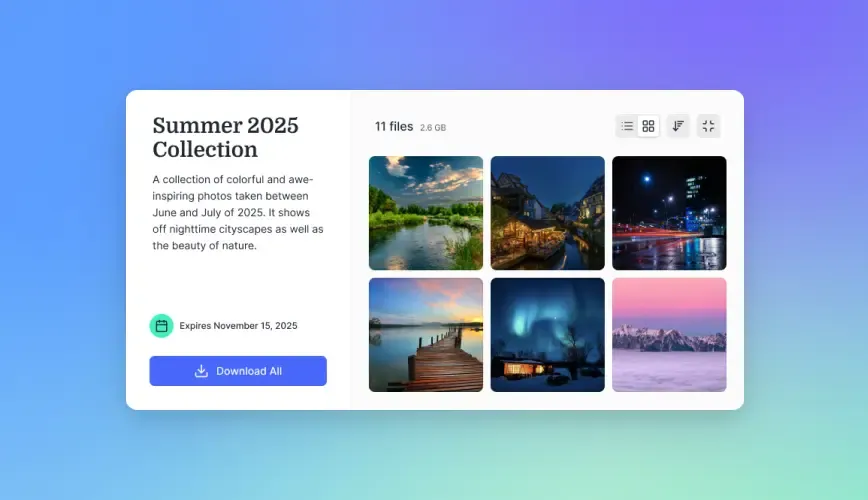
A platform like Fastio works well for this because workspaces support granular permissions. You can give agents download access to approved assets while keeping editable source files restricted to your marketing coordinator. Branded shares let you distribute materials to vendors and clients with your branding on the delivery experience itself, so even the way you share files reinforces your brand.
Version control and distribution
When you update a template or refresh your brand guidelines, everyone needs the latest version immediately. File versioning helps here. Rather than emailing updated files (and hoping everyone deletes the old ones), update the file in your central workspace. Team members always pull from the same source.
For teams that work with external vendors like photographers, printers, and web designers, shared workspaces or dedicated shares eliminate the back-and-forth of email attachments. Your photographer uploads listing photos directly, your marketing coordinator reviews and approves them, and agents can access approved images without anyone playing middleman.
Scale Your Brand Across a Team or Brokerage
Individual agent branding is one challenge. Scaling a brand across a team of 10 or a brokerage of 200 is a different problem entirely.
The franchise-vs-personal brand tension
If you run a brokerage or lead a team, you're balancing two competing needs. The brokerage brand needs consistency for market recognition and trust. Individual agents need enough personal branding to build their own reputation and client relationships. The most successful approach is a tiered system:
- Locked elements: Logo, primary colors, legal disclaimers, and brokerage name placement. These never change regardless of agent.
- Flexible elements: Secondary colors, personal headshots, individual taglines, and content topics. These let agents express personality within guardrails.
- Templated assets: Pre-built templates where agents customize text and photos but can't change fonts, colors, or layout. This is the single most effective brand consistency tool for teams.
Training and enforcement
Brand guidelines only work if people know they exist and understand why they matter. When onboarding new agents:
- Walk them through the brand guidelines in person, not just a PDF handoff
- Give them immediate access to the asset library and templates
- Show them examples of on-brand vs. off-brand materials from real situations
- Assign a point person they can ask when they're unsure
Set up a quarterly brand audit. Pull random samples of marketing materials from across the team and check for consistency. This doesn't need to be punitive. Frame it as quality assurance that helps everyone look more professional.
Technology for brand governance
The right tools make enforcement automatic rather than manual. Workspace platforms with folder-level permissions let you control who can edit templates versus who can only download them. Audit trails show you who accessed which files and when, so you can spot if someone is using outdated materials.
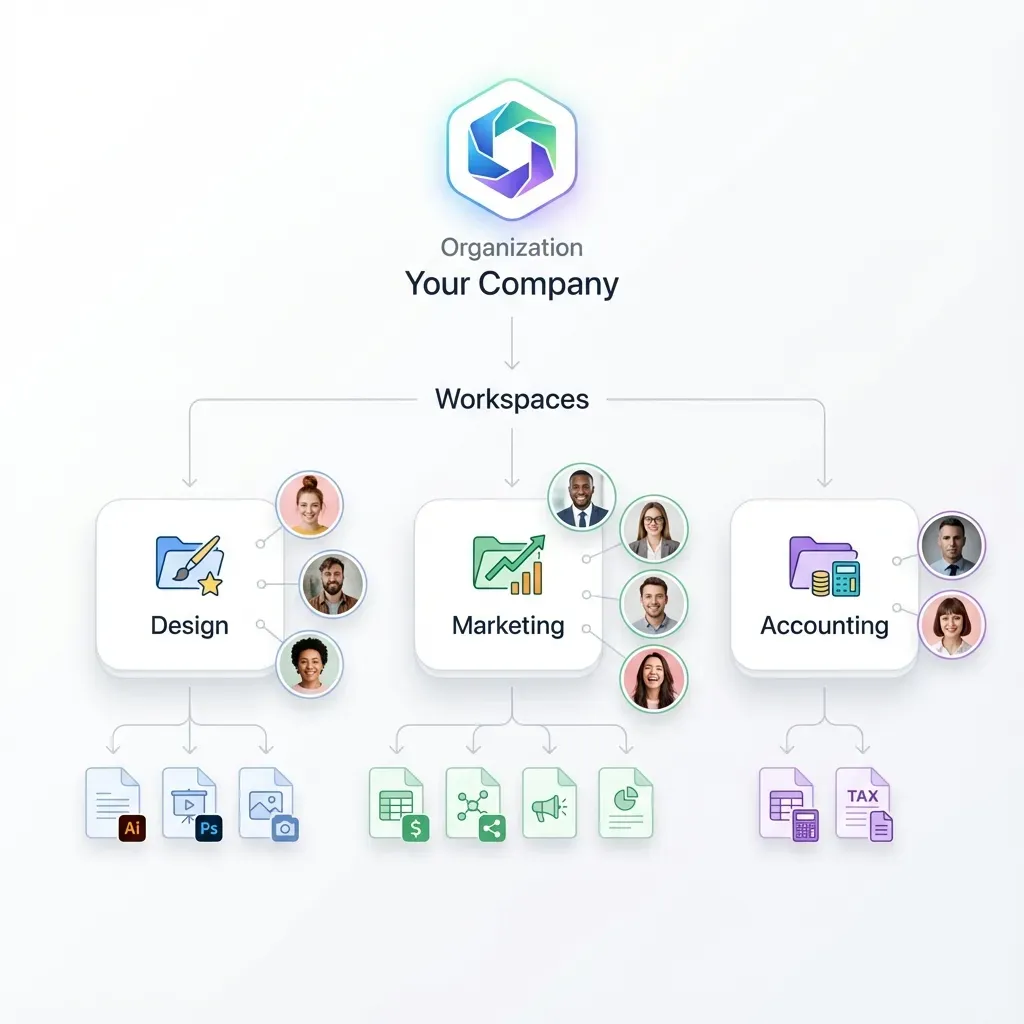
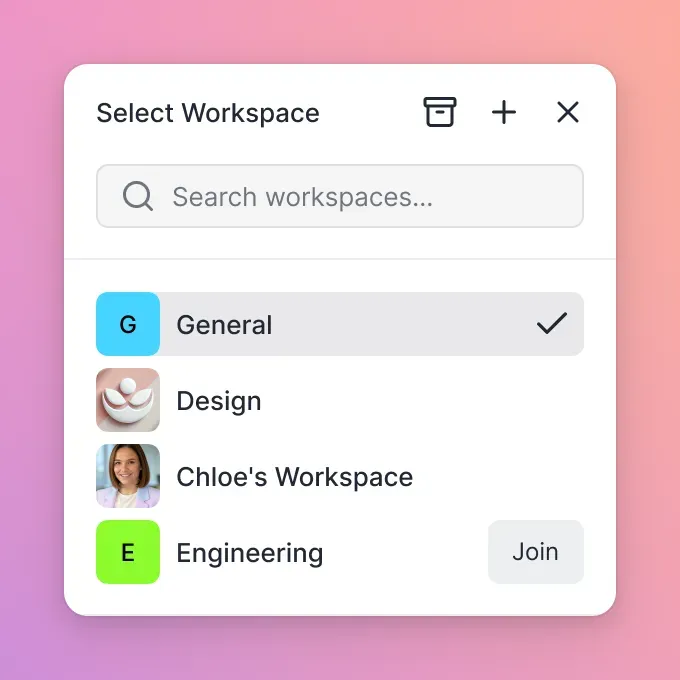
For brokerages managing large teams, Fastio's workspace structure maps naturally to this hierarchy. Create a top-level brand workspace with read-only access for most agents, a restricted folder for editable source files accessible only to your marketing team, and individual agent workspaces where they can store their personalized materials. The permission system works at the organization, workspace, folder, and file level, so you get fine-grained control without micromanaging.
Measure Whether Your Brand Is Working
Branding feels intangible, but you can measure its impact with metrics you probably already track.
Lead source attribution
Track where your leads come from and how they describe finding you. "I saw your sign" and "You came up on Google" are advertising metrics. "My friend recommended you" and "I've seen your posts on Instagram" are brand metrics. As your brand strengthens, the ratio should shift toward the latter.
Listing presentation win rate
Track how many listing presentations you give versus how many you win. A strong brand increases this ratio because sellers have already formed a positive impression before you walk in the door. If you're winning fewer than 50% of your listing presentations, your brand may not be doing enough pre-selling.
Repeat and referral percentage
The ultimate brand metric. What percentage of your business comes from past clients or their referrals? The National Association of Realtors consistently reports that referrals are the top source of business for experienced agents. A strong brand makes you memorable enough to get that referral call 18 months after closing.
Online engagement trends
Track follower growth and engagement rates on your primary social platforms. More importantly, track direct messages and comments that reference your brand specifically. "I love your market update videos" tells you your content branding is working. Generic likes are vanity metrics.
Time to close
This one is indirect but telling. Agents with strong brands often report shorter sales cycles because clients come in with higher trust. They've already done their research on you. They've already decided they want to work with you. The consultation becomes confirmation, not persuasion.
Set a baseline for each metric before you invest in branding, then measure quarterly. Branding ROI typically takes 6 to 18 months to materialize, according to Eeze Studio's research on branding returns. Don't expect overnight results, but do expect a clear upward trend if your brand execution is consistent.
Sources
References used to verify factual claims in this guide.
-
Companies that present their brand consistently across channels see revenue increases of up to 33%
-
Consistency in color alone increases brand recognition by up to 80%
-
95% of companies create brand guidelines but only 25-30% enforce them consistently
-
Branding ROI typically takes 6 to 18 months to materialize
Frequently Asked Questions
How do I brand myself as a real estate agent?
Start with strategy before design. Define your target niche, your brand promise (the one thing clients can always expect from you), and how you differ from the top agents in your market. Then build your visual identity: logo, colors, fonts, and photography style. Create templates for every client touchpoint from listing presentations to social posts. Finally, centralize your brand assets in a shared workspace so everything stays consistent and current.
What makes a strong real estate brand?
A strong real estate brand has three qualities: specificity (it's clear who you serve and what you stand for), consistency (every touchpoint from yard signs to email signatures looks and feels the same), and memorability (past clients remember you when someone asks for a referral). The visual identity matters, but the underlying strategy and the discipline to maintain consistency are what separate agents who get recognized from agents who just have a nice logo.
How much does real estate branding cost?
A focused starter package covering logo, color palette, fonts, and business cards runs $500 to $2,000. A comprehensive professional package with logo, brand guidelines, template library, and core collateral costs $2,500 to $10,000. Full packages including custom website design, signage, and extensive templates can reach $15,000 to $20,000. Beyond the initial investment, plan to spend 10-15% of your commission income on ongoing marketing to maintain brand presence.
What should a realtor's brand include?
At minimum: a professional logo with simplified icon variant, a defined color palette, typography choices, business cards, email signature template, listing presentation template, social media profile templates, and a one-page brand guidelines document. As you grow, add photography style guidelines, video intro/outro templates, branded property flyer templates, open house materials, and a post-close communication sequence. The key is making sure every piece looks like it came from the same brand.
How long does it take for real estate branding to show results?
Expect 6 to 18 months before you see measurable ROI from a branding investment. Lead source attribution shifts first, with more prospects mentioning your social media, signage, or reputation as how they found you. Listing presentation win rates and referral percentages improve over a longer horizon as your brand compounds recognition in the market. Track quarterly metrics from the start so you can measure the trend.
Should I brand myself separately from my brokerage?
Yes, within the brokerage's compliance guidelines. Your brokerage brand provides credibility and market recognition, but clients hire agents, not companies. Build your personal brand within the brokerage framework by using their required elements (logo placement, legal disclaimers) while developing your own visual style, messaging, and content presence. If you ever switch brokerages, your personal brand goes with you.
Related Resources

Keep Your Brand Assets Organized and Accessible
Fastio workspaces give your team one place for brand assets, listing materials, and client deliverables, with permissions that keep your brand consistent. Built for real estate branding workflows.