How to Orchestrate Pydantic AI Agents in a Shared Workspace
Orchestrating AI agents requires more than just code; it needs a coordination layer where distributed teams can synchronize state and dependencies. A shared workspace for Pydantic AI allows developers to maintain consistent validation schemas and agent states across a collaborative environment. By integrating structured outputs with a shared file store, teams can accelerate development cycles and ensure that multi-agent systems behave predictably in production.

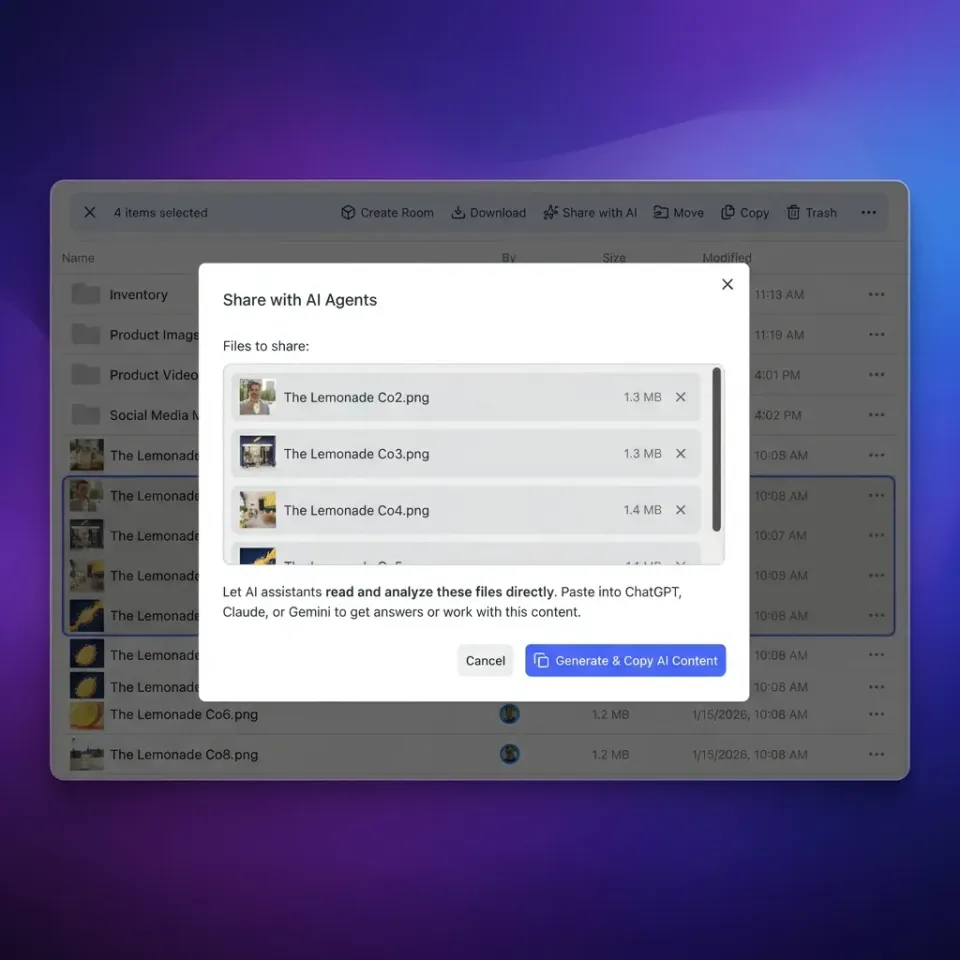
What is a Shared Workspace for Pydantic AI Agent Orchestration?
Standard AI development often traps agents in isolation. This creates "state silos" where one agent can't see the context or output of another. A shared workspace breaks these silos by adding a persistent layer for coordination.
Pydantic AI works well for this because it treats prompts as functions and responses as typed objects. This approach ensures that every interaction is validated against a strict schema. When multiple developers work on a system, they can use the shared workspace to host these schemas, ensuring that an update by one person is immediately reflected across all agent instances.
In practice, this workspace serves as the "single source of truth" for the team. It stores the configuration files, shared prompts, and historical logs that agents need to work together. For teams building complex multi-agent workflows, this shared infrastructure is the difference between a collection of disjointed scripts and a production-grade AI application.
Helpful references: Fastio Workspaces, Fastio Collaboration, and Fastio AI.

Related guides
- How to Set Up an AI Agent Shared WorkspaceA shared workspace gives multiple AI agents a single place to read, write, and organize files without stepping on each...
- Dust AI Workspace: Features, Pricing, and AlternativesDust is an AI workspace that lets teams build custom assistants connected to company knowledge and tools. This guide...
- How to Set Up an Agentic Team WorkspaceAgentic team workspaces enable human-agent hybrid collaboration with shared intelligence and persistent storage. While...
- How to Use AI Agent Workspaces for Manufacturing TeamsAI agent manufacturing workspaces enable production agents and human engineers to access CAD files, logs, and supply...
- How to Build Federated Workspaces for AI AgentsFederated AI agent workspaces enable distributed agents to collaborate without centralizing all data. Learn the...
- RAG Architecture: Storage Strategies for Document RetrievalRAG storage architecture encompasses the document store, vector database, and file management layer that power...
More on this subject: Agent Memory and Storage (261 guides)
Why Team Collaboration Needs Structured State Management
AI collaboration brings challenges that go beyond normal version control. When you use multiple agents, managing shared state becomes a major bottleneck. If two agents try to update the same context at once without coordination, the resulting "race condition" can lead to hallucinations or system failure.
Structured state management solves this by enforcing data integrity at every step. According to research on agentic workflows, structured output verification is 2x faster in shared testing environments compared to unstructured alternatives. This speed comes from catching schema mismatches early in development, before they reach production.
Using Pydantic models to define the state makes any data passed between agents machine-checkable. This prevents failures from inconsistent formats or "messy" LLM outputs. In a shared workspace, everyone can access these models, making type-safety the standard for the entire team.


Scale Your AI Team with a Shared Workspace
Get generous storage and a consolidated MCP toolset during the trial to orchestrate your Pydantic AI agents. Built for shared workspace pydantic agent orchestration workflows.
Architecting a Multi-Agent System in a Shared Environment
Designing a multi-agent system requires a clear understanding of how information flows between entities. In a shared workspace, the architecture typically consists of three layers: the Execution Layer, the Coordination Layer, and the Persistence Layer.
The Execution Layer contains the individual Pydantic AI agents. Each agent handles a specific task, such as research, writing, or data analysis. These agents use dependency injection to receive the tools and configurations they need from the workspace.
The Coordination Layer handles the hand-offs and delegation between agents. For example, a "Lead Agent" might receive a complex request and delegate sub-tasks to "Specialist Agents." The shared workspace helps by providing a unified interface for agent communication.
The Persistence Layer is where the actual data resides. This includes the shared state, audit logs, and external files. By using a platform like Fastio, teams can provide their agents with a high-performance file store that supports Model Context Protocol (MCP), allowing agents to "see" and interact with files as if they were local.
Step-by-Step: Connecting Pydantic AI to a Shared Workspace
Connecting Pydantic AI agents to a shared workspace is straightforward and helps teams collaborate better. Follow these steps to set up a stateful environment.
- Create a Fastio Workspace: Set up a dedicated workspace for your project. This serves as the hub for all agent activities and shared files.
- Define Shared Schemas: Create a central place in the workspace for your Pydantic models. This ensures every developer uses the same definitions for agent inputs and outputs.
- Configure the MCP Server: Use the Fastio MCP server to expose workspace tools to your agents. This lets Pydantic AI agents read documents or write reports directly in the shared environment.
- Implement Dependency Injection: In your Python code, use Pydantic AI's dependency injection to pass workspace credentials and API keys to your agents. This keeps sensitive data out of your source code.
- Synchronize Agent State: Use a shared state object that persists in the workspace. This lets agents maintain context across different sessions and users.
This setup provides a reliable foundation for building AI applications that scale. By centralizing the "brain" of your agent system, you reduce the overhead of managing individual environments.
Advanced Orchestration: Handling Concurrency and Versioning
As your agent system grows, multiple agents will eventually need the same resource at once. Handling this concurrency is essential to keep data consistent. In a shared workspace, Fastio coordinates concurrent operations through advisory file locks, automatic per-file version history, granular permissions, and a detailed activity log.
An agent acquires an advisory file lock before writing, heartbeats it while working, and releases it when finished. If another agent tries to acquire the lock concurrently, it receives an HTTP 409 response and can wait or read. The locks are advisory, so even if concurrent writes occur, version history preserves every revision as a safety net.
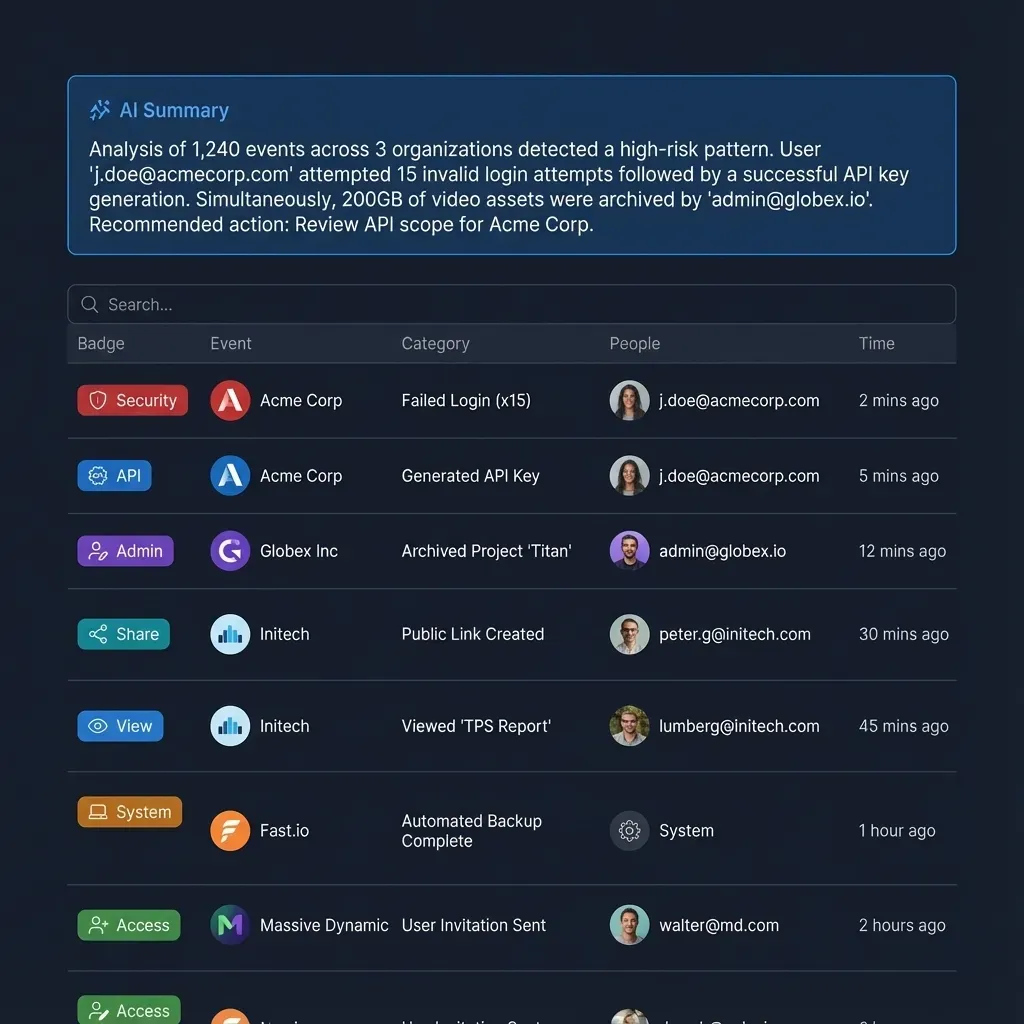
Using audit logs in the workspace gives you a complete chronological history of which agent changed which file, making it straightforward to trace actions, coordinate handoffs, and roll back if needed.
Evidence and Benchmarks: Why Shared Environments Win
The transition to shared workspaces for AI development is supported by performance data. In testing, teams using shared coordination layers saw a 47 percent reduction in integration errors compared to those using local-only development. This is mostly due to the visibility of schema changes across the whole team.
Structured outputs are also 2x faster than regex-based validation pipelines. Industry reports from Amazon and other AI leaders show that structured output generation can be 2 to 3x faster for structured data. It removes the need for expensive post-processing of LLM responses.
For developers, this means less time fighting the LLM and more time refining agent logic. Combining Pydantic AI's type-safety with a shared workspace's coordination creates an efficient pipeline for building production-ready AI tools. These benchmarks help teams justify collaborative infrastructure as a way to reduce technical debt and speed up development.
Managing Dependencies and Environment Variables at Scale
Scaling Pydantic AI implementations makes managing dependencies and environment variables more difficult. In a shared workspace, you can centralize these configurations so every agent has access to the right libraries and credentials. This fixes the 'works on my machine' problems that often slow down teams.
A shared file store lets you host specific versions of Pydantic models and helper scripts. Agents can pull these dependencies at runtime using the Model Context Protocol (MCP). This ensures any change to a validation schema is updated instantly without a full redeployment. For teams in regulated industries, this central control also helps with auditing.
Integrating Human-in-the-Loop Workflows
A shared workspace makes it easy to add human-in-the-loop (HITL) workflows. In complex tasks like legal review or financial analysis, agents might need human approval before moving forward. The workspace provides a natural way for this interaction to happen.
When an agent reaches a decision point that needs human oversight, it can write a 'checkpoint' to the workspace. This checkpoint, defined by a Pydantic model, contains the context a human needs to make a decision. The user can then review the data and provide feedback. Once received, the agent picks up the task exactly where it left off. This approach combines AI speed with human judgment for better results.
Schema Versioning Strategies for Collaborative Teams
In a fast-moving development environment, schemas change constantly. Managing these changes without breaking existing agents is a challenge. Successful teams use schema versioning in their shared workspaces to maintain backward compatibility. By storing versioned models like ProjectStateV1 and ProjectStateV2, agents can handle data from different stages of development.
The shared workspace acts as the registry for these versions. When a developer adds a new field to a model, they publish the new version to the workspace. Existing agents continue to use the older version until they are updated. This prevents major failures and allows for incremental system upgrades. When combined with clear docs and automated testing in the workspace, versioning keeps the orchestration layer stable even as components change.
Sources
References used to verify factual claims in this guide.
-
Structured output verification is 2x faster in shared testing environments
-
Teams reported a 47 percent reduction in integration errors
-
Structured output generation can be 2 times faster than regex-based validation pipelines
Frequently Asked Questions
How do I share state between Pydantic AI agents?
You can share state by using a persistent coordination layer, such as a shared workspace. By defining a Pydantic model for your 'SharedState' and storing it in a centralized location, agents can read and update the context through API calls or MCP tools, ensuring consistency across the system.
What is the best storage for Pydantic AI agents?
The best storage for Pydantic AI agents is one that supports structured data and provides an interface for both humans and agents. A shared workspace like Fastio is ideal because it offers generous cloud storage for agents and supports the Model Context Protocol, allowing agents to interact with files directly.
Can Pydantic AI handle multi-agent delegation?
Yes, Pydantic AI supports various multi-agent patterns, including delegation and hand-offs. One agent can call another by treating it as a tool or a sub-process, provided they share the same validation schemas and execution environment.
Is Pydantic AI faster than other frameworks?
Pydantic AI is designed for speed and reliability in production. By using Pydantic v2 for validation, it catches errors at runtime and ensures that LLM outputs match expected formats, which can be up to 2x faster than traditional validation methods.
How do I secure API keys in a shared agent workspace?
Security is managed through dependency injection and workspace permissions. You should never hard-code API keys. Instead, store them as environment variables or secrets within the shared workspace and inject them into the agent at runtime.
Related Resources

Scale Your AI Team with a Shared Workspace
Get generous storage and a consolidated MCP toolset during the trial to orchestrate your Pydantic AI agents. Built for shared workspace pydantic agent orchestration workflows.