How to Set Up a Private Equity Virtual Data Room
Private equity virtual data rooms protect deal documents during fundraising, buyouts, and exits. This guide covers folder structure, permission models, security practices, provider comparison, and how AI agents can automate parts of due diligence review.

Why PE Firms Need Virtual Data Rooms
PE deals involve sharing confidential financials, legal agreements, and IP portfolios with LPs, buyers, advisors, and management teams. Each group needs access to different documents at different stages. A virtual data room provides that control.
Physical data rooms required travel, limited who could review at the same time, and generated no tracking data. A VDR replaces that with an encrypted cloud workspace where permissions determine who sees what, when they can access it, and whether they can download or print. The core function is the same: provide controlled access to sensitive information for a specific purpose, then revoke that access when the purpose is complete.
US PE deal value hit $1.2 trillion in 2025, the second-highest total on record, according to PitchBook. More than 9,000 deals closed in the US alone. The documents behind those transactions, from audited financials to patent portfolios, are exactly the kind that can derail a deal if they leak. Access control is not optional at this scale.
VDRs show up at every stage of the PE lifecycle. During fundraising, LPs review track records and fund terms in read-only rooms. During buyouts, buyer teams work through thousands of diligence documents. During exits, management shares governance materials with potential acquirers. The security and permission requirements are consistent across all of them, even if the audience changes.
Beyond access control, VDRs generate engagement data. Deal teams can see which buyers are spending time in the financial model folder and which opened the teaser once and never came back. That data shapes follow-up strategy and helps identify serious bidders early.
Helpful references: Fastio Workspaces, Fastio Collaboration, and Fastio AI.
Related guides
- How to Set Up a Data Room for Private Credit TransactionsA data room for private credit is a secure virtual workspace where direct lenders and borrowers share loan...
- Best Virtual Data Room Providers for Every Deal TypeChoosing a virtual data room provider depends on what kind of deal you are running. This guide breaks down the top VDR...
- How to Build an Agentic Virtual Data Room for Due DiligenceAgentic virtual data rooms use AI agents for automated due diligence, handling document review and secure sharing. Skip...
- How to Set Up a Data Room for Renewable Energy ProjectsRenewable energy transactions involve dozens of specialized documents that generic file-sharing tools weren't built to...
- Best iDeals Virtual Data Room Alternatives for 2026iDeals is one of the most popular virtual data rooms for M&A and due diligence, but it is not the only option. This...
- How to Set Up AI Agent Due Diligence Data RoomsDue diligence data rooms with AI agents automate document reviews in secure VDRs. Manual DD takes weeks. AI agents...
More on this subject: Data Rooms and Due Diligence (53 guides)
PE VDR Feature Checklist
Not all VDRs are built for PE workflows. Some handle basic document storage but lack the permission depth or analytics that deal teams need. Use this checklist when evaluating providers.
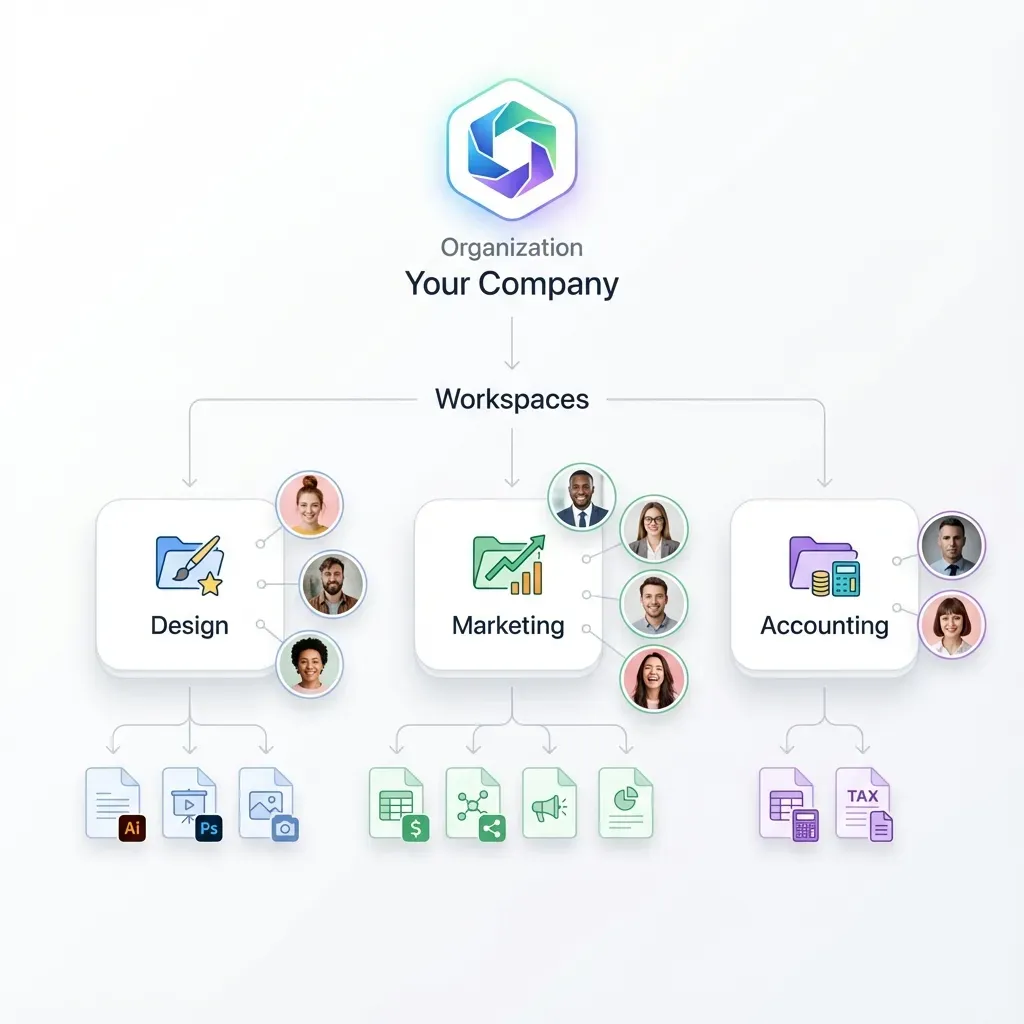
Granular permissions are the foundation. You need controls at the org, workspace, folder, and file level. An LP co-investor should see fund-level materials but not target company operating data. A buyer's outside counsel should see legal documents but not the financial model. If a provider only offers room-level permissions, it will not work for a multi-party deal.
Audit trails should cover every action: logins, document views, downloads, prints, permission changes, and failed access attempts. Exportable logs in CSV or JSON are necessary for compliance reporting and post-deal disputes about what was disclosed.
Branded portals matter for professional presentation. Fund branding on the data room signals credibility to LPs and buyers. Custom logos, backgrounds, and domain settings turn a generic file share into something that looks like your firm built it.
Link controls need to match your NDA terms. Set expiration dates based on the NDA timeline, not an arbitrary duration. Add passwords to any link going outside the deal team. Whitelist specific email domains to prevent forwarding. Revoke access immediately when a buyer drops out or an NDA expires.
Full-text search across all documents, including OCR for scanned files, lets reviewers find specific clauses or figures without opening every PDF. This is the feature that separates a VDR from a shared folder.
Bulk upload with versioning handles the reality of PE deals: thousands of documents, many updated during the diligence process. Drag-and-drop folder uploads that preserve structure save hours of manual organization. Version history prevents confusion about which draft is current.
API and webhook support connects the VDR to deal management tools. Webhooks can trigger Slack alerts when a buyer downloads the financial model or when a new document is uploaded. API access lets CRM systems pull engagement data for pipeline tracking.
Mobile access is not a nice-to-have. LPs review materials on flights. Partners check activity from their phones. If the mobile experience is broken, reviewers will request email attachments instead, which defeats the purpose of the VDR.
Fastio covers these features through its workspace and share system. Intelligence Mode adds natural language search on top: ask "what are the change-of-control provisions in the SPA?" and get an answer with citations to specific pages. Files index automatically on upload with no separate database or configuration required.
Step-by-Step PE Data Room Setup
A well-organized VDR speeds up diligence. A poorly organized one generates unnecessary Q&A requests and adds days to the timeline. Here is the process that works.
1. Define scope and phases. Match documents to deal stages. A teaser phase needs top-line financials and an executive summary. The CIM phase adds projections and market analysis. Full diligence opens up audits, contracts, IP documentation, HR records, and operational data. Closing requires signature-ready agreements. Map each document to its phase before uploading anything.
2. Build the folder structure. Number top-level folders for navigation order:
- 01-Executive-Summary
- 02-Financials
- 03-Legal
- 04-IP-Portfolio
- 05-Corporate-Governance
- 06-Operations
- 07-Human-Resources
- 08-Tax
- 09-Strategy
Add a root-level index document that explains the structure and lists key contacts for Q&A. Buyers who can find the three-year audited financials within 90 seconds will send fewer clarification requests.
3. Prepare files. Convert documents to PDF/A format for consistent rendering across devices. Run OCR on any scanned pages so they are searchable. Redact sensitive information that is not relevant to the current deal phase. Use consistent naming: "2024-Q4-Audited-Financials.pdf" is better than "final_v3_REVISED.pdf". Compress large files to keep load times reasonable.
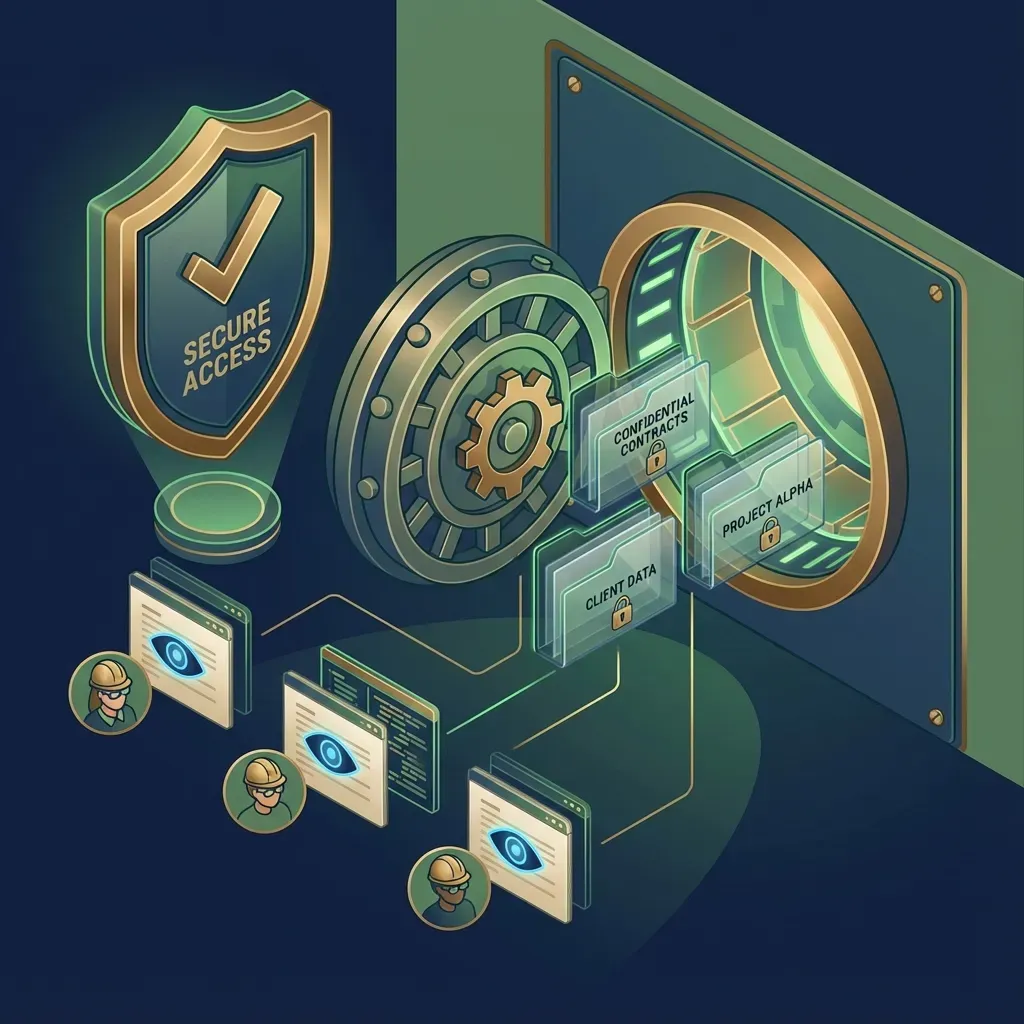
4. Configure permissions. Start with view-only for all external parties. Create permission groups that match your deal participants:
- Buyer Team: access to all diligence folders
- Buyer's Counsel: access to legal and corporate governance only
- LP Co-Investors: access to fund-level materials only
- Management Presenters: access to operations and strategy
Enable multi-factor authentication for every user. Add watermarks that overlay the viewer's name, email, and timestamp on financial documents.
5. Upload and index. Drag in the folder structure. If your VDR supports auto-indexing, enable it so documents are searchable immediately. Test a few searches to confirm OCR quality and index coverage.
6. Run a dry-access test. Before sending invitations, have an internal team member log in as each permission group. Check that the right documents are visible and the wrong ones are hidden. Test on mobile. Verify that watermarks render correctly and that download restrictions work.
7. Go live and monitor. Send branded invitations with clear instructions. Review access logs daily during active diligence. Summarize engagement weekly for the deal team: who is active, which sections are getting attention, and where buyers are stalling.
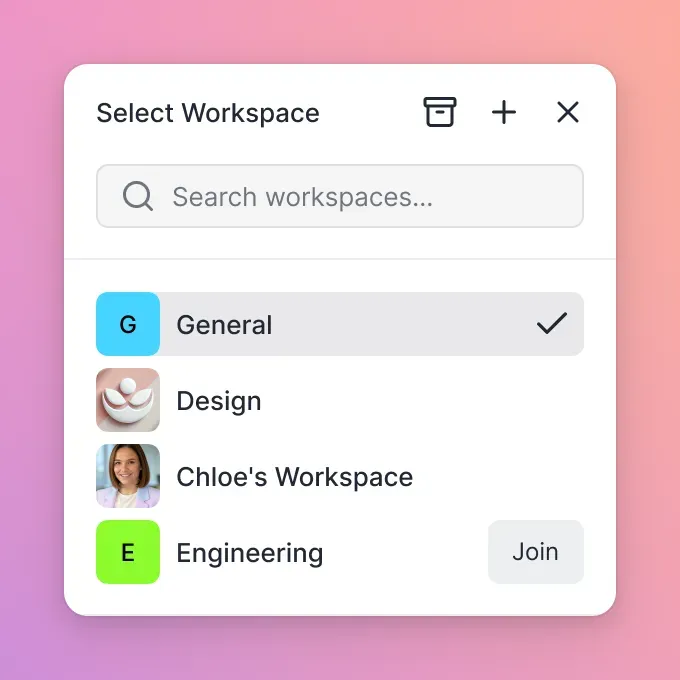
On Fastio, bulk uploads preserve folder structure automatically. The realtime activity feed and audit logs record whenever a buyer accesses the room. Once Intelligence is enabled for the workspace, files are indexed for semantic search.


Set Up Your Next Deal Room in Minutes
Fastio workspaces give PE teams granular permissions, full audit trails, and AI-powered document search on flat plans with seats included. Start with generous storage. Built for private equity virtual data room workflows.
Security Best Practices for PE Data Rooms
A breach during a live deal does not just expose documents. It can kill the transaction, alert competitors, or trigger regulatory scrutiny. Security is the reason VDRs exist in the first place.
Encryption at rest and in transit is the baseline. AES-256 for stored files and TLS for data moving between the browser and the server. Fastio provides both by default. If a provider cannot confirm their encryption standard, move on.
Multi-factor authentication for every user is non-negotiable. SSO integration for internal teams reduces password-related exposure. For external parties, enforce MFA at the room level so it cannot be bypassed.
Least-privilege permissions prevent accidental over-sharing. Buyers should see target company documents, not fund-level materials. LPs should see fund performance data, not individual portfolio company operating metrics. Set deny rules at the folder level rather than relying on individuals to stay within their lane.
Link expiration and domain whitelisting match access to NDA terms. When an NDA expires or a buyer drops out, revoke access within the hour. Do not leave stale access open because you forgot to check. Watermarks that overlay the viewer's name and timestamp on every page create a deterrent and an audit trail if documents appear somewhere they should not.
Operational security matters as much as technical controls. Train users that screenshots may be logged. Require secure devices for access. Run phishing awareness before the room goes live. An encrypted VDR does not help if an analyst forwards documents from their personal email.
Vendor due diligence for the VDR provider itself is often overlooked. Ask for uptime SLAs, incident response procedures, and data residency locations. For cross-border deals, verify that the provider's data centers comply with local data sovereignty requirements. In practice, the underlying security features matter more than any specific certification badge.
Fastio provides granular permissions at the organization, workspace, folder, and file level. Audit logs cover every action and export to CSV and JSON for compliance reporting. Access pattern monitoring can flag unusual behavior, like a buyer downloading the entire room at 2 AM, for review.
AI Agents for Automated PE Diligence Review
Due diligence on a PE deal involves reviewing hundreds or thousands of documents for specific risks, terms, and data points. Junior analysts spend days on tasks that boil down to pattern matching: find every change-of-control clause, pull EBITDA figures for the last four years, identify patent expirations. AI agents can handle these tasks faster and catch items that tired eyes miss.
The gap in most VDRs is that they treat AI as a search feature, not a workflow participant. You can search for keywords, but you cannot ask an agent to review all contracts for termination triggers and produce a flagged summary. That requires a VDR where agents have the same access controls and audit trails as human users.
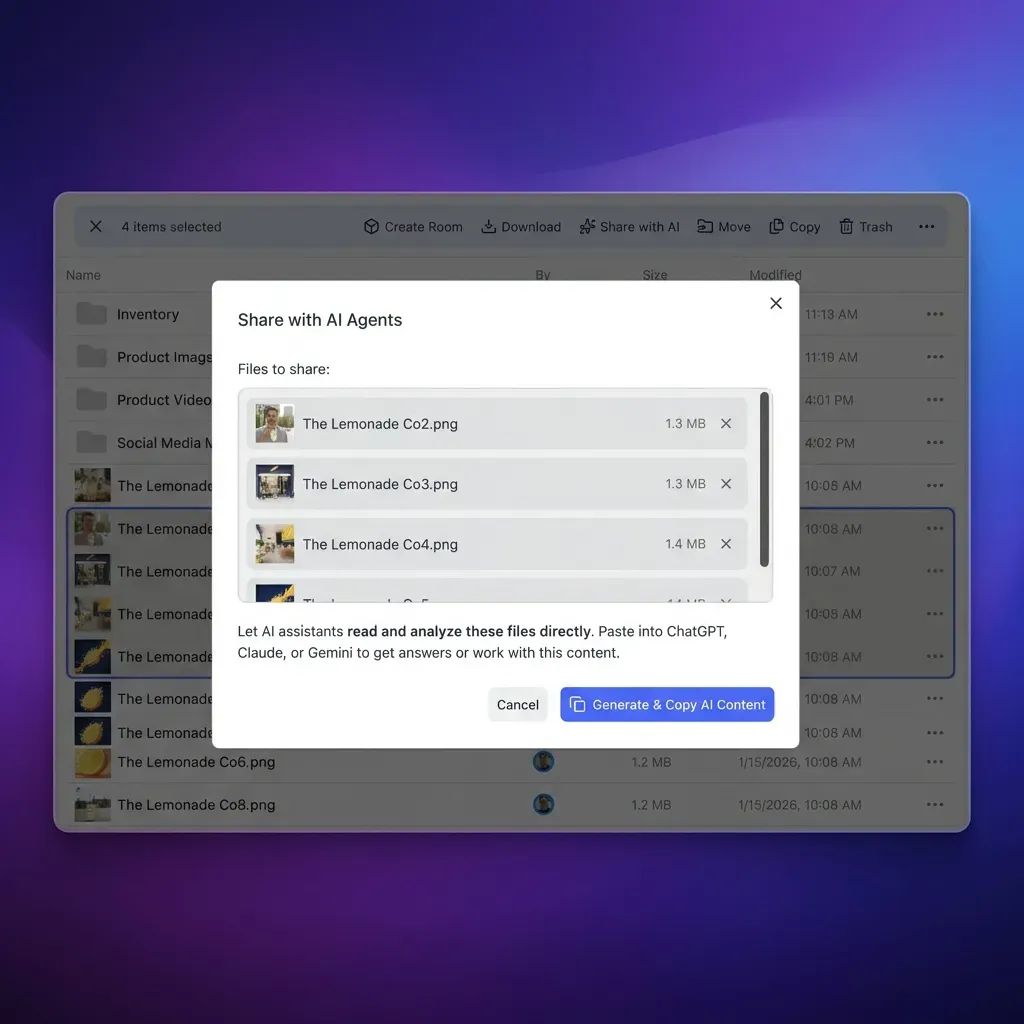
On Fastio, the setup is straightforward. Upload documents to a workspace and enable Intelligence Mode. Files index automatically for RAG queries, with no separate vector database or ingestion pipeline needed. From there, agents can handle specific review tasks:
- Financial review: "Pull EBITDA trends across the last four fiscal years and flag any year-over-year variance above 15%." The agent returns a cited report with page references.
- Legal review: "Identify all change-of-control clauses across the contract set and flag any that require third-party consent." Returns a structured list with document locations.
- IP review: "List all patents with expiration dates within the next 24 months and identify any that require assignment at close."
- Pre-upload redaction: Mask PII and sensitive terms before documents enter the room, reducing manual redaction work.
Fastio's remote MCP server gives agents programmatic access to workspaces over Streamable HTTP at https://mcp.fast.io/mcp/tools, with a consolidated MCP toolset covering workspace management, storage, and AI metadata operations. Agents can coordinate multi-step analyses: a financial review agent extracts metrics, and a legal review agent queries related disclosures.
Advisory file locks coordinate edits when multiple agents work on the same document set: an agent acquires a lock before updating a file, heartbeats it while working, and releases it when finished, while version history preserves every version. Ownership transfer lets an agent populate a data room and then hand control to a human partner through a claim link, while the activity log records who accessed and changed each file. The agent does the assembly work; the partner makes the investment decisions.
Start with a closed deal before running agents on live documents. Upload a past transaction's document set, run your review prompts, and compare the agent's output against the original diligence findings. This builds confidence in retrieval accuracy before the stakes are real.
Measuring Data Room Effectiveness
Access logs tell you more than who downloaded what. Used well, VDR analytics shape deal strategy.
Engagement scoring combines view counts, time spent per document, and pages reviewed per session. A buyer who spent 40 minutes in the financial model folder is at a different stage than one who opened the teaser and has not been back. Track engagement per bidder per day to identify who is doing serious diligence and who has gone quiet.
Document-level heatmaps show which files get the most attention. Heavy traffic on the IP portfolio from a specific buyer suggests preparing detailed patent Q&A before the next call. Low engagement with the financial model might mean the presentation needs simplifying, or that the buyer is not serious.
Drop-off analysis reveals where buyers stall. If three bidders stop reviewing after the executive summary, the summary may not be compelling enough to justify deeper diligence. If buyers consistently skip the operations section, consider whether it needs restructuring or whether the documents are hard to navigate.
Time-to-close correlation connects VDR activity to deal outcomes. Teams that track engagement daily and consolidate follow-up around active reviewers tend to close faster than teams that follow up uniformly with every bidder. Redirect Q&A effort toward buyers showing genuine interest.
Post-deal archiving preserves the complete record for audits, tax disputes, and regulatory inquiries. Export the full activity log alongside the document set. This archive becomes the definitive record of what was disclosed, to whom, and when.
Fastio provides activity dashboards and log exports for this analysis. API access lets you pull engagement data into Salesforce, HubSpot, or a custom deal tracking system. Intelligence Mode can summarize activity patterns across the room, surfacing anomalies without manual log review.
Sources
References used to verify factual claims in this guide.
-
US PE deal value hit $1.2 trillion in 2025, the second-highest total on record, with more than 9,000 deals completed
-
90% of PE firms use VDRs for due diligence
-
Enterprise VDR providers like Datasite and Intralinks average around $3,000 per month, with actual costs exceeding initial quotes by 2-10x on complex deals
-
The global virtual data room market was valued at $2.42 billion in 2024 and is projected to grow at a CAGR of 22.2% through 2030
Frequently Asked Questions
What is the best VDR for private equity?
It depends on deal volume and budget. Datasite and Intralinks are established enterprise providers with strong brand recognition, but they charge per-page or per-deal pricing that typically starts around $3,000 and scales with deal size. Firmex offers simpler pricing for mid-market deals. Fastio sells flat plans with seats included, and guests do not take a seat, which works well for deals with many external reviewers. Evaluate based on permission granularity, audit trail depth, AI capabilities, and mobile experience.
How do I set up a PE data room?
Start by mapping documents to deal phases (teaser, CIM, full diligence, closing). Build a numbered folder structure that mirrors the diligence workstream. Convert files to searchable PDF. Set up permission groups that match your deal participants, with view-only as the default. Enable MFA and watermarks. Run a dry-access test with an internal team member before sending invitations. Monitor access logs daily once the room is live.
How secure are private equity virtual data rooms?
A properly configured PE VDR uses AES-256 encryption at rest, TLS in transit, multi-factor authentication, granular folder-level permissions, dynamic watermarks, and exportable audit logs. The security depends as much on configuration as on the provider. Least-privilege permissions, link expiration matched to NDA timelines, and immediate access revocation when parties exit the deal are all operational practices that matter more than any single feature.
Can AI automate due diligence in a data room?
AI agents can handle routine review tasks like extracting financial metrics across multi-year audits, identifying change-of-control clauses in contracts, and flagging patent expirations. On Fastio, you enable Intelligence Mode on the workspace, and documents index automatically for RAG queries. Agents access the room through the MCP server with the same permission controls as human users. The agents produce cited reports that analysts can verify, cutting review time on repetitive tasks while keeping humans in the loop for judgment calls.
What should a PE data room folder structure look like?
Number your top-level folders for navigation order. A standard structure includes Executive Summary, Financials, Legal, IP Portfolio, Corporate Governance, Operations, Human Resources, Tax, and Strategy. Add subfolders within each for specific document types. Include a root-level index document that explains the structure and lists Q&A contacts. The goal is that any reviewer can find a specific document within 90 seconds of logging in.
How much does a PE virtual data room cost?
Pricing varies widely. Enterprise providers like Datasite and Intralinks typically start around $3,000 and scale upward depending on data volume, user count, and deal complexity. Per-page models can lead to cost overruns on document-heavy deals. Mid-market providers like Firmex offer simpler flat-rate pricing. Fastio uses usage-based credits without per-seat guest fees, with plans starting at Starter ($9.99/mo) and a 14-day Business Trial, which keeps costs predictable for deals with variable guest counts.
What is the difference between a VDR for exits versus buyouts?
The core features are the same, but the emphasis shifts. Exit-side VDRs prioritize buyer engagement tracking, fast access revocation when bidders drop out, and clean presentation for a competitive process. Buy-side VDRs emphasize deep search, document annotation, and integration with diligence checklists. Both need granular permissions and full audit trails, but exit rooms tend to have more external users while buy-side rooms have more internal collaboration.
Related Resources

Set Up Your Next Deal Room in Minutes
Fastio workspaces give PE teams granular permissions, full audit trails, and AI-powered document search on flat plans with seats included. Start with generous storage. Built for private equity virtual data room workflows.