How to Build a Human-in-the-Loop Review Workflow in OpenClaw
A human-in-the-loop (HITL) review workflow in OpenClaw lets an agent create an artifact, persist it to durable storage, pause at a checkpoint, and resume only after a human explicitly approves or rejects. This guide covers the pipeline architecture, OpenClaw's hook system, the Lobster workflow engine, channel-agnostic notifications, and how to wire persistent storage underneath the whole thing.


What a HITL Review Workflow Actually Does
Most agent pipelines run end-to-end without stopping. That works for low-risk tasks, but the moment an agent drafts a client email, generates a deployment diff, or produces a financial report, you want a human to sign off before the side effects fire.
A human-in-the-loop review workflow solves this by splitting the pipeline into stages with explicit checkpoints between them. The agent creates an artifact (a draft, a plan, a batch of invoices), saves it to persistent storage, and then stops. A notification goes out to whatever channel the reviewer uses. The reviewer reads the artifact, approves or rejects it, and only then does the pipeline pick back up.
The critical property is determinism. The pipeline resumes from stored state, not from the agent's memory. If the reviewer takes three hours, three days, or comes back after a server restart, the pipeline resolves the same way. This is what separates a real HITL pattern from just asking a chatbot "should I continue?"
OpenClaw supports this pattern through its hook system for event-driven automation, the Lobster workflow engine for multi-step pipelines, and gateway-level notification routing that works across Telegram, Discord, Slack, and other channels.

Related guides
- How to Build a Hermes Agent Code AI Checker WorkflowA code AI checker workflow uses Hermes Agent subagents to analyze codebase pull requests for AI generation markers and...
- How to Build a Hermes Agent AI Copy Checker WorkflowAutomated copy checking speeds up editorial review cycles by 70% while catching tone drift, AI writing patterns, and...
- How to Automate OpenClaw Workflows with Zapier MCPOpenClaw agents are good at reasoning, but they need a way to act on that reasoning across your existing tools. Zapier...
- OpenClaw Automation Recipes: Ready-to-Use Workflow TemplatesUsers who configure two or more OpenClaw workflows in their first week retain at 78%, nearly double the 41% rate for...
- How to Build Multi-Agent Workflows in OpenClawOpenClaw multi-agent workflows let multiple agents coordinate on tasks like data processing or report generation....
- How to Build RAG Pipelines with OpenClawOpenClaw RAG pipelines index documents into embeddings for semantic retrieval. This helps agents be more accurate with...
More on this subject: OpenClaw Setup and Guides (199 guides)
How the Pipeline Stages Work
The HITL pattern in OpenClaw breaks down into three stages, each with clear inputs and outputs.
Stage 1: Artifact creation and persistence. The agent generates typed output, such as a JSON document with title, content, and risk flags. This artifact gets written to a database row (or any durable store) with a unique identifier. A corresponding review record is created with fields like a review ID, a human-friendly short code, the artifact reference, and a status set to "pending." The key principle: every generated artifact is stored with a unique ID, and the pipeline always resumes by referencing that ID rather than re-deriving context.
Stage 2: Checkpoint and routing. The pipeline evaluates whether human review is needed. In OpenClaw, this can branch three ways: halt and return the review ID for human decision, delegate to a reviewer agent that auto-approves or auto-rejects based on rules, or skip review entirely for low-risk artifacts. When the mode is "human," the pipeline stops and sends a notification through the OpenClaw gateway.
Stage 3: Finalization and side effects. After the reviewer responds, the pipeline reads the artifact and the review decision from storage. It applies any final edits, persists the output, and executes side effects like publishing, deploying, or sending. Side effects only fire after the pipeline confirms the review status is "approved" in the database. This prevents unauthorized advancement, where a bug or race condition could skip the approval gate.
Each stage produces typed outputs validated at the boundary. This prevents what the OpenClaw community calls "memory drift," where an agent's context window accumulates stale or contradictory state over a long conversation.
State Machine for Reviews
Reviews follow a strict state machine: pending transitions to approved (then finalized) or pending transitions to rejected. Approval and rejection endpoints are idempotent. If a reviewer clicks "approve" twice, the second request returns a 200 OK with "already approved" and triggers no additional side effects. This matters in distributed systems where network retries or duplicate automation hooks deliveries are common.
Short codes replace long UUIDs in all human-facing messages. Reviewers type something like "a A1B2C3" to approve or "r A1B2C3 needs more detail on pricing" to reject with feedback. Short codes are easier to type on mobile and reduce errors when reviewers respond from Telegram or Discord.
OpenClaw Hooks and Notification Routing
OpenClaw's hook system is the backbone of event-driven automation in the platform. Hooks fire on lifecycle events including command events (new, reset, stop), session events (compact, patch), message events (received, transcribed, sent), and agent/gateway events (bootstrap, startup, shutdown). Hooks can be internal (triggered by gateway events) or external webhooks that call third-party HTTP endpoints.
For HITL workflows, the notification pattern works through the gateway automation hooks. Rather than embedding channel-specific logic (Discord API calls, Telegram bot messages, Slack webhooks) directly into the pipeline, the system posts to the OpenClaw gateway's wake endpoint with a payload that includes the review ID and a pending notification flag. This wakes the existing agent session that is already connected to whatever channel the reviewer uses.
The result is channel-agnostic notification delivery. The same pipeline code works whether the reviewer gets their approval prompt in a Telegram conversation, a Discord interaction, a Slack workflow, or a CLI session. The OpenClaw gateway handles delivery routing, and the pipeline core never needs to know which channel is active. This design keeps the approval logic clean and portable across deployments.
When a review notification arrives, it includes four components: an identity line with the short code, a clear statement of what approval enables, a scannable summary of the artifact (with collapsed details for lengthy content), and risk flags explaining why human review was triggered. The reviewer responds with minimal syntax, either approving or rejecting with structured feedback.

Handling Large Artifacts
When the artifact under review is a lengthy document, a PDF, or a code diff, embedding the full content in a chat message is impractical. The recommended pattern is to upload the artifact to object storage (S3, R2, GCS, or a private workspace), store the object key and metadata alongside the review ID, and include a time-limited signed URL in the notification. This keeps the review message concise while giving the reviewer full access to the artifact. Expiring URLs add an access control layer, and the pipeline can always re-fetch the artifact by review ID for auditability.
This is where a persistent storage layer like Fastio adds value. Instead of managing signed URLs and expiration logic yourself, you can upload the artifact to a Fastio workspace where it is versioned, access-controlled, and indexed once Intelligence is enabled for the workspace. The reviewer gets a direct link to the file with in-browser preview, and the full audit trail is captured in the workspace activity log. For teams already using Fastio as their agent storage layer, this keeps review artifacts in the same system as the rest of the pipeline output.


Store and Review Agent Artifacts in One Place
Fastio gives your OpenClaw agents persistent storage with granular access, audit trails, and Intelligence once enabled for the workspace.
Lobster Workflows and Structured Input
Lobster is OpenClaw's workflow engine for running multi-step tool sequences as deterministic pipelines. It adds explicit approval checkpoints and resumable state on top of OpenClaw's conversational agent model.
A key addition in Lobster is the "needs_input" status, which goes beyond simple yes/no approval gates. When a workflow step requires structured human input, it pauses with a JSON Schema definition describing what data is needed. The pause envelope includes the prompt, the schema, default values, and the resolved subject (the context shown to the reviewer). On resume, the human's response is validated against the stored schema before execution continues.
This distinction matters. Traditional HITL gates are binary: approve or reject. Lobster's input steps can ask "which environment should I deploy to?" with an enum constraint, or "what feedback do you have on this draft?" with a freeform text field. The workflow stores both what was shown to the human (the subject) and what the human answered (the response), so later steps can reference both.
Lobster also supports extended conditionals that go beyond checking approval status. Workflow steps can branch on deep field access into response objects, use equality and inequality checks, combine conditions with logical operators, and negate results. This lets you build workflows where, for example, a deployment only proceeds if the reviewer approved AND selected "prod" as the target environment.
For feedback loops, the "next" field enables non-linear execution. A review step can route back to a drafting step if the reviewer requests changes, creating a revise-review cycle that repeats until the reviewer approves. A configurable iteration limit (defaulting to 20) prevents runaway loops from badly written workflows.
Error Recovery
Lobster includes retry logic with configurable delay between attempts, plus error handling branches where a failed step can skip, halt the workflow, or jump to a named recovery step. Iteration counts and error states persist across pause/resume boundaries, so a server restart mid-workflow does not lose progress.
Choosing Where to Store Review Artifacts
The HITL pattern depends entirely on durable storage. If the artifact or review state disappears between checkpoint and approval, the pipeline breaks. You have several options for the storage layer, each with different tradeoffs.
Local database (SQLite or Postgres). The simplest option for single-server deployments. The Medium walkthrough by Zeeshan Ahmad describes a Postgres-backed approach where artifacts and review records live in dedicated tables. This works well when the pipeline and the reviewer operate in the same environment, but it requires you to manage backups, handle schema migrations, and solve the problem of giving reviewers access to artifacts stored in a database they cannot browse directly.
Object storage (S3, R2, GCS). Good for large artifacts like generated PDFs or media files. You get durability and scalability, but you need to manage access control (signed URLs, IAM policies) and build a separate system for tracking review state.
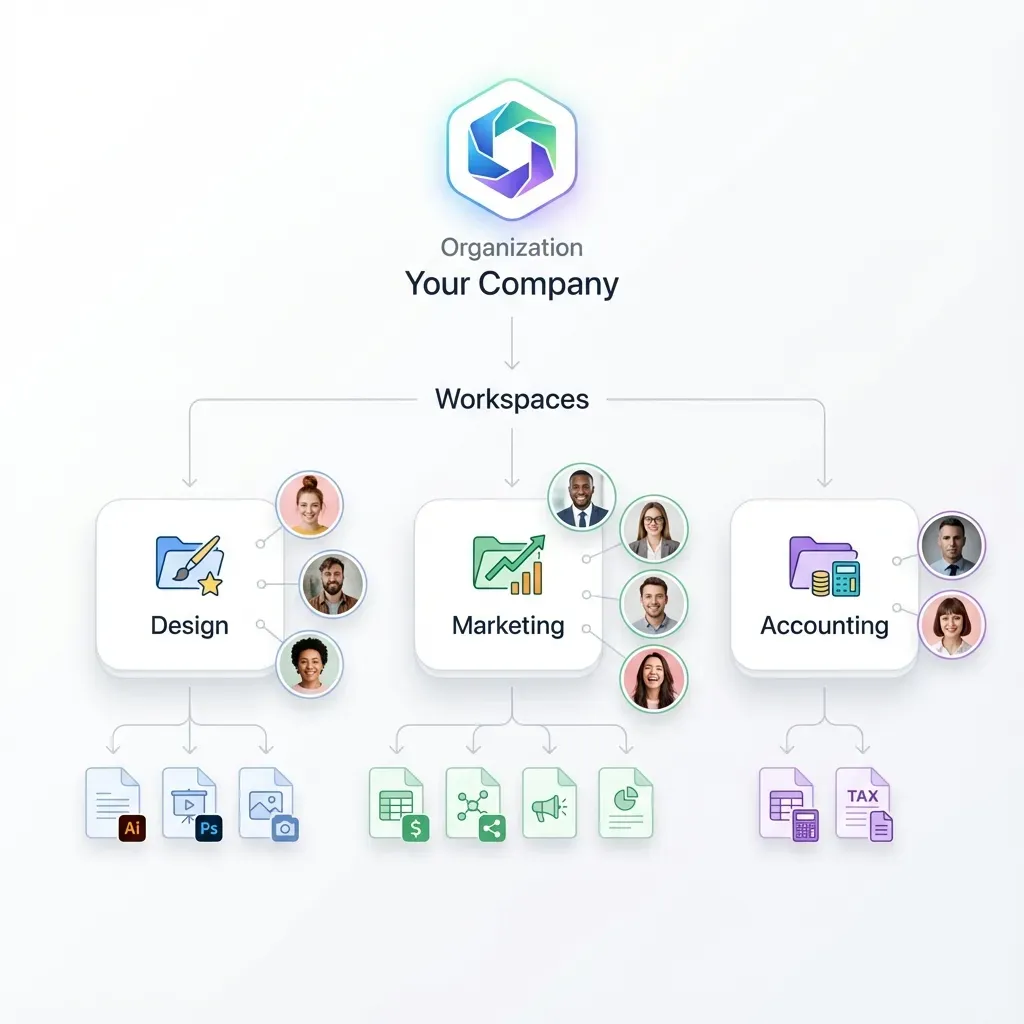
Fastio workspaces. A workspace gives you file storage with version history, granular access control, a detailed activity log, and built-in AI indexing once Intelligence is enabled in one layer. Agents upload artifacts through the Fastio MCP server or REST API. Reviewers open the workspace in their browser to preview files, leave comments anchored to pages or image regions, and track changes. Fastio's activity feed and audit trail capture human and agent actions, providing a record of who did what for the HITL pipeline. Teams can test the platform with a 14-day Business Trial before choosing a plan at /pricing/.
The practical advantage of a workspace-based approach is that it collapses file hosting, review UI, audit logging, and access control into one system. You do not need to stitch together S3 for storage, a custom dashboard for review, and a separate logging pipeline for compliance.
Putting It Together
Building a production HITL workflow in OpenClaw means connecting these pieces into a reliable system. Here is what to verify before going live.
Start with artifact persistence. Every stage in the pipeline should write its output to durable storage with a unique ID. Review records need short codes, status fields, and timestamps. If you are using Lobster, the workflow engine handles pause state and resume tokens natively. If you are building a custom pipeline, make sure your checkpoint logic is idempotent and that resume always references stored state rather than conversation memory.
Configure notifications through OpenClaw's hook system. The gateway automation hooks approach keeps your pipeline channel-agnostic. Test that notifications arrive correctly in your team's primary channel, whether that is Telegram, Discord, Slack, or another platform. Include the short code, artifact summary, risk flags, and clear response syntax in every notification.
Set up your storage layer. For Fastio, create a workspace for review artifacts, enable Intelligence for workspace indexing, and set granular reviewer permissions. Agents authenticate through the MCP server and upload artifacts directly. Reviewers access the workspace through the web interface to inspect previews and leave anchored comments. The activity log captures every upload, comment, and access event for compliance.
Handle edge cases. Add review expiration so stale approvals do not get acted on weeks later. Implement multi-reviewer quorum for high-risk artifacts, requiring two or more sign-offs before the pipeline proceeds. Make sure rejected reviews require feedback so the agent has actionable input for the next draft. Build a status check command so reviewers can query where a review stands without digging through chat history.
Finally, test the failure modes. Restart the server mid-review and confirm the pipeline resumes correctly. Send duplicate approval requests and verify idempotency. Simulate a rejected review and confirm the feedback loop routes back to the drafting stage. These are the scenarios that distinguish a demo from a production system.
Sources
References used to verify factual claims in this guide.
-
OpenClaw hooks support lifecycle events including command, session, message, and agent/gateway events
-
HITL pipeline pattern uses idempotent state machine with pending, approved, and rejected transitions
- 3 Human-in-the-loop workflows: structured input requests, conditionals, and step flow control Accessed
Lobster needs_input status enables structured human input beyond binary approval gates with JSON Schema validation
-
Approval hooks allow plugins to pause execution when sensitive actions appear in the task chain
Frequently Asked Questions
How do I add human approval to an OpenClaw pipeline?
Use OpenClaw's hook system to create a checkpoint between pipeline stages. The agent persists the artifact to durable storage with a unique review ID, then posts a notification through the gateway automation hooks. The pipeline halts until the reviewer responds with an approval or rejection keyed to that review ID. The Lobster workflow engine provides native support for this pattern with its needs_input step type and structured resume tokens.
Can OpenClaw agents wait for human review?
Yes. When the pipeline reaches a review checkpoint, the agent session stays alive while the review is pending. The agent can continue preparing other tasks in the background. When the reviewer responds, the gateway routes the decision back, and the pipeline resumes from stored state. Lobster workflows persist pause state to disk, so even a server restart does not lose progress.
How does OpenClaw handle approval notifications across channels?
OpenClaw's gateway routes notifications to whatever channel the reviewer is connected through, including Telegram, Discord, Slack, and CLI sessions. The pipeline posts to the gateway automation hooks rather than calling channel-specific APIs directly. This makes the notification logic channel-agnostic. The gateway wakes the existing agent session on the reviewer's active channel and delivers the review prompt there.
What happens if a reviewer never responds to an approval request?
Without expiration logic, the pipeline stays paused indefinitely. The recommended practice is to add an expires_at field to review records. When a review expires, the pipeline can either auto-reject and notify the submitter, or regenerate the artifact with fresh context and create a new review. This prevents stale approvals from being acted on after conditions have changed.
Can multiple reviewers approve the same artifact?
Yes. For high-risk changes, you can configure a quorum requirement (for example, two approvals needed). Each approval is stored with the reviewer's identity in a separate record, and the pipeline only proceeds when the required number of sign-offs is reached. This is useful for financial transactions, production deployments, or content that affects compliance-sensitive areas.
Related Resources

Store and Review Agent Artifacts in One Place
Fastio gives your OpenClaw agents persistent storage with granular access, audit trails, and Intelligence once enabled for the workspace.