How to Set Up OpenClaw Data Room for Multi-Agent Teams
OpenClaw data rooms offer storage that lasts for ClawHub agent teams. They work as virtual data rooms (VDRs) so multiple agents can share files safely. Locks and permissions prevent conflicts. Fastio workspaces have MCP tools and built-in RAG. This guide explains setup, collaboration, and best practices for faster agent workflows.


What Is an OpenClaw Data Room?
OpenClaw data rooms offer storage that lasts for ClawHub agent teams. They act as virtual data rooms (VDRs) where multiple agents share files safely during extended workflows.
Agents create datasets, reports, and models. These files need to last after sessions end. Temp storage like OpenAI Files API deletes them after use. Data rooms add versioning, permissions, and RAG queries. Teams can then build on past work. OpenClaw setups with dedicated rooms run multiple faster. Agents skip rebuilding storage each time.
Fastio handles this. Workspaces support org-owned files, real-time multiplayer editing, and a consolidated MCP toolset. These match all human UI actions. ClawHub skills install without extra setup for natural language control.
OpenClaw Data Room vs Traditional VDR
Competitors manage human deals but skip agent needs. Fastio data rooms link AI agents and teams.
Examples: Finance agents analyze financial datasets. Legal agents query contracts for risks. Dev agents hand off builds via transfer.
Helpful references: Fastio Workspaces, Fastio Collaboration, Fastio AI.
Related guides
- Claude Code Teams: Multi-Agent Orchestration GuideClaude Code agent teams split complex coding tasks across multiple independent AI sessions. Each teammate gets its own...
- How to Set Up Claude Flow for Multi-Agent Code OrchestrationClaude Flow passed 710,000 lifetime npm downloads by mid-2026, making it the most-installed community orchestrator for...
- How to Set Up OpenClaw Multi-Agent WorkspacesWhen multiple OpenClaw agents need to share files and state, you need shared storage, not local disks on each...
- How to Set Up OpenClaw Multi Agent WorkspacesOpenClaw agents share files, context, and tasks in Fastio multi-agent workspaces. Access consolidated MCP tools for...
- How to Set Up OpenClaw with OpenRouter Multi-Provider RoutingOpenRouter gives OpenClaw agents access to hundreds of AI models through a single API key. Instead of locking every...
- How to Set Up OpenClaw for Multiple Users on a TeamOpenClaw assumes a single trusted operator per Gateway, but 65% of its user base sits in enterprise environments where...
More on this subject: OpenClaw Setup and Guides (199 guides)
Why Fastio Workspaces for OpenClaw Data Rooms?
Fastio workspaces suit OpenClaw data rooms. They do more than basic storage. Turn on Intelligence Mode. Uploads index automatically for semantic search. Ask for "latest indemnity clause in vendor contracts" and receive cited answers.
Key features
- multiple MCP Tools: Every UI action has an agent match, from CRUD to previews. No gaps.
- File Locks and Versioning: Acquire an advisory file lease before editing so other agents wait on 409 responses; automatic version history preserves every revision as a safety net.
- Ownership Transfer: Agents build rooms and hand them to humans. Agent retains admin.
- Realtime Activity: Respond to uploads and changes via activity polling or the WebSocket events feed.
- URL Import: Bring in files from Drive/Box without downloads.
- Media Previews: HLS video, waveforms. No extra software needed.
The 14-day Business Trial (credit card required, see /pricing/) provides full access to team workspaces, file locks, and built-in RAG. Handles production pilots.
vs Commodity Storage
Agents join human workspaces smoothly. Uploads index fast. Previews work for clients.
Step-by-Step OpenClaw Data Room Setup
Getting a Fastio data room running for an OpenClaw agent team takes about 15 minutes for a basic setup. Here's the full sequence.
1. Sign Up and Authenticate
Create a Fastio account on the official 14-day Business Trial (credit card required, see /pricing/). In OpenClaw, connect to Fastio's remote MCP server at https://mcp.fast.io/mcp/tools to access the consolidated MCP toolset. Use your scoped API key as an Authorization: Bearer header to authenticate. The Business Trial handles pilot workloads with enterprise-grade storage.
2. Create the Organization and Workspace
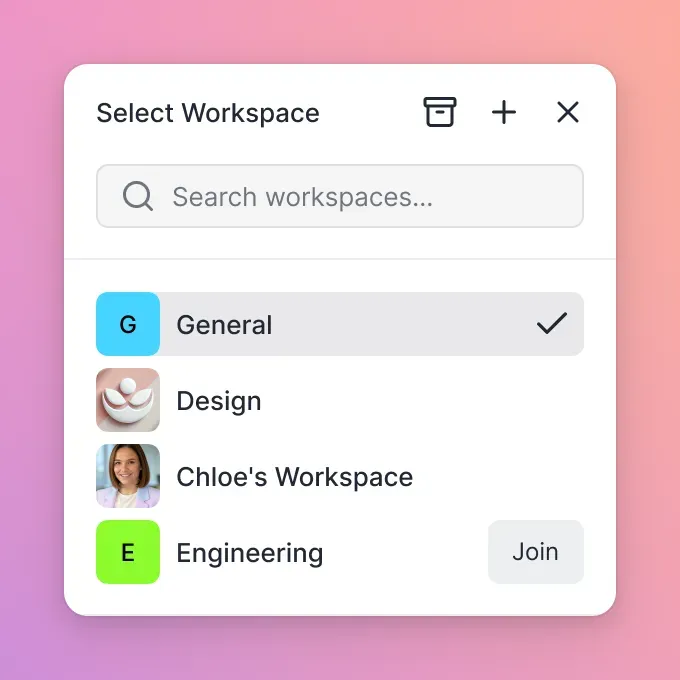
Use the create_org MCP tool to set up your firm's organization, then create_workspace with a descriptive name like "Q2-Contract-Review". Toggle Intelligence Mode on immediately so every uploaded file starts indexing for RAG queries right away. Set folder-level permissions during setup: agents get editor access, human reviewers get commenter access, and external stakeholders get view-only links.
3. Populate the Room
Use upload_file for local files or url_import to pull from Google Drive, Box, or OneDrive via OAuth without downloading locally. Legal rooms typically hold contracts, NDAs, and term sheets. Finance rooms hold models, decks, and diligence packages. Files index within seconds and become queryable.
4. Set Up File Locks and Activity Tracking
For any files multiple agents will edit (shared cost sheets, running notes), acquire an advisory file lock using the MCP storage tool (lock-acquire action) before writing and heartbeat it while working, then release it when done. Stream updates via the WebSocket events feed or poll the activity feed to trigger downstream agents when new documents arrive.
5. Run a Pilot Query Before handing the room off or scaling, test the RAG layer with a representative query: "Summarize all indemnity clauses across uploaded contracts." Verify the response cites specific filenames and page references. If citations are missing, check that Intelligence Mode is active and that files finished indexing.
6. Transfer Ownership and Document the Room
Once agents have built out the workspace structure, use transfer_ownership to hand control to the human lead while the agent retains admin rights for maintenance. Write a README inside the workspace covering the folder structure, permission model, versioning conventions, and event polling feeds. Anyone who joins later can self-orient without tracking down the person who built it. One thing that degrades RAG quality more than anything else: vague file names. "final_v3_REAL.pdf" produces worse citations than "2026-Q1-MSA-AcmeCorp.pdf". Run one workflow fully -- one deal, one campaign, one project -- before spinning up parallel rooms. Most permission errors and agent conflicts surface in the first room; better to find them there than across five rooms at once.
Frequently Asked Questions
What is the fastest way to start with this setup?
Start with one workspace and one pilot workflow, then validate permissions, upload flow, and collaboration handoffs before scaling to production.
How do teams keep files secure while collaborating?
Use role-based access, folder-level permissions, audit logs, and expiring share links so each stakeholder only sees what they need.
When should we use Fastio for this workflow?
Use Fastio when you need shared file storage, controlled access, and reliable API or MCP integrations for multi-agent or cross-team processes.
Related Resources

Ready to get started?
See how Fastio can help your team collaborate more efficiently.