How to Build Multi-Agent Workspaces for Retail Operations
Multi-agent retail workspaces synchronize AI agents across storefronts, supply chains, and backend operations. By creating a shared environment where specialized agents collaborate on files and data, retailers can improve forecast accuracy by multiple% and automate complex workflows. This guide explains how to build secure, intelligent workspaces for your retail AI fleet.
What is a Multi-Agent Retail Workspace?
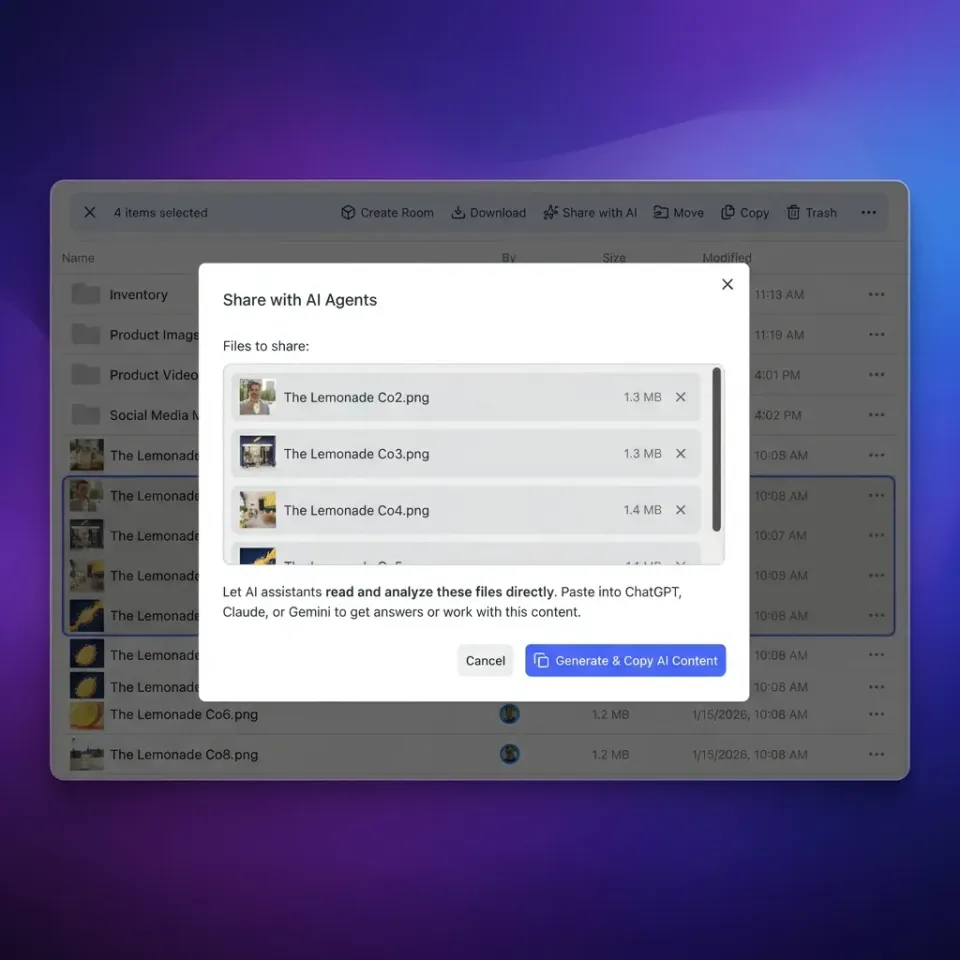
A multi-agent retail workspace is a shared digital environment where independent AI agents collaborate to manage retail operations. Unlike traditional automation where single scripts run in isolation, multi-agent systems allow specialized agents, such as inventory trackers, pricing optimizers, and customer support bots, to read from and write to the same datasets simultaneously. In these workspaces, agents coordinate their actions through shared files and event streams. For example, an inventory agent might update stock levels in a spreadsheet, triggering a pricing agent to adjust discounts in real-time based on the new supply data. This synchronization transforms static data storage into an active operational hub. According to Mordor Intelligence, the AI in retail market is projected to reach $20.multiple billion by multiple, driven by the need for this level of autonomous coordination. Retailers adopting these systems move beyond simple task automation to creating self-regulating operations that adapt to market changes instantly.
Helpful references: Fastio Workspaces, Fastio Collaboration, and Fastio AI.
Why Retailers Need Multi-Agent Collaboration
Retail operations involve complex dependencies that single AI models cannot manage effectively. A forecasting model needs data from marketing, logistics, and sales. When these functions are siloed, predictions fail. Multi-agent workspaces break down these silos by giving all agents access to a single source of truth.
Key Benefits of Multi-Agent Retail Systems:
- Improved Forecast Accuracy: By aggregating insights from multiple specialized agents, retailers can improve forecast accuracy by up to multiple%. Agents cross-reference sales trends with external factors like weather and local events.
- Real-Time Synchronization: Updates in one area (e.g., a supplier delay) typically propagate instantly to others (e.g., marketing spend adjustment), preventing wasted ad budget on out-of-stock items.
- Operational Resilience: If one agent fails or needs maintenance, others continue to function, ensuring that critical data flows remain uninterrupted.
The result is a retail operation that behaves less like a rigid hierarchy and more like a responsive ecosystem.

Core Components of an Agent Workspace
Building a successful multi-agent workspace requires specific infrastructure to support autonomous collaboration. It is not enough to give agents access to a folder; they need tools to coordinate and avoid conflicts.
Essential Infrastructure:
- Shared File Storage: A high-performance file system that serves as the memory for your agent fleet. Agents read inventory lists, write sales reports, and log actions here.
- MCP Tool Integration: Agents need standard interfaces to interact with the world. Using the Model Context Protocol (MCP), agents can trigger real-world actions like "reorder stock" or "email supplier" directly from the workspace.
- Event Webhooks: Passive file storage is insufficient for agents. The workspace must emit events when files change, waking up relevant agents to take action.
- Universal Search: With thousands of files generated, agents need semantic search to find relevant context without traversing every directory.
Fastio provides this infrastructure out of the box, offering a unified namespace where human teams and AI agents collaborate securely.


Give Your AI Agents Persistent Storage
Create a secure, intelligent workspace where your AI agents can collaborate, share context, and automate operations 24/7.
Step-by-Step: Implementing Your Retail Workspace
Setting up a multi-agent environment is straightforward when using a platform designed for agentic workflows. Follow these steps to launch your first retail agent workspace.
1. Create a Dedicated Workspace Start by establishing a secure boundary for your agents. Create a new workspace in Fastio specifically for "Retail Operations." This isolates agent activities from general corporate files while allowing controlled human access.
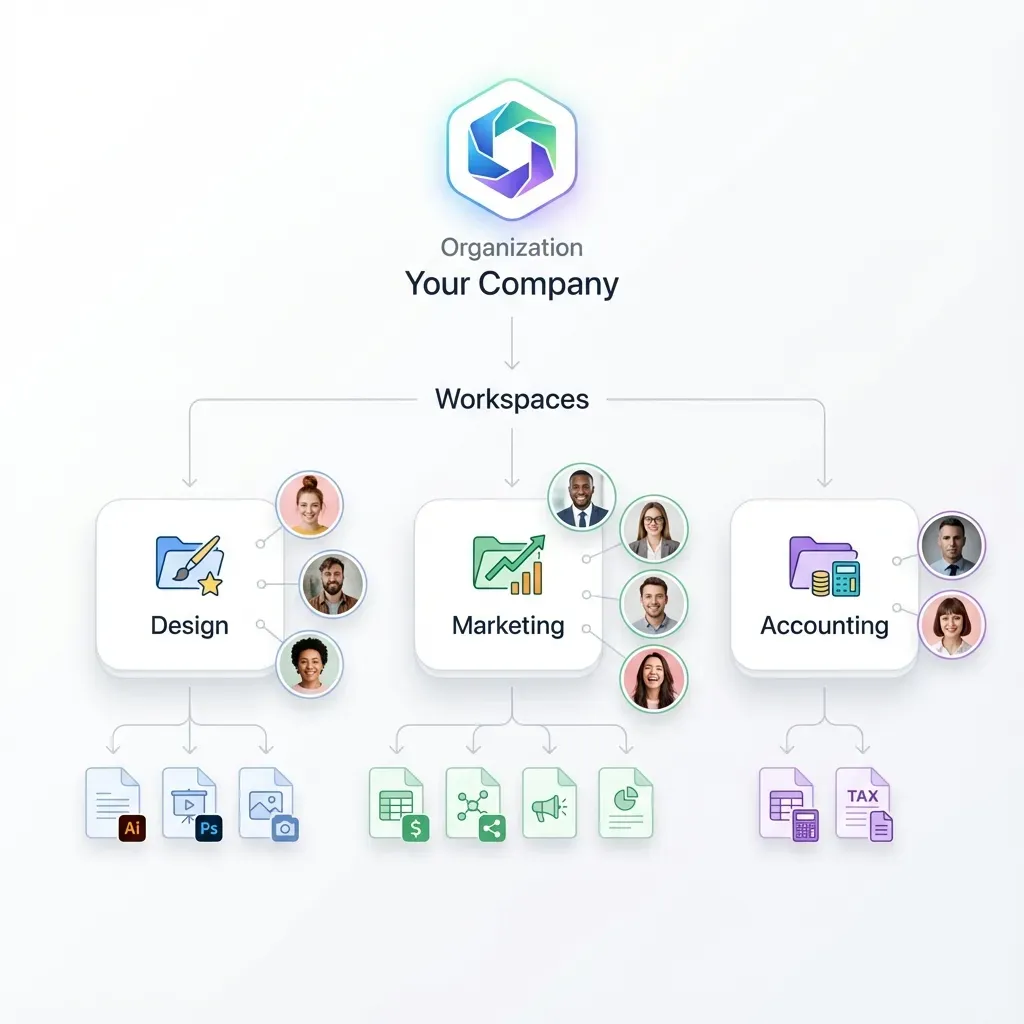
2. Configure Agent Permissions Security is critical. Assign granular permissions to each agent identity. Your "Pricing Agent" needs write access to the Pricing folder but only read access to Inventory. Use Fastio's granular access controls to enforce least privilege principles.
3. Connect via MCP
Connect your agents to the workspace using the Fastio MCP server. This exposes tools like read_file, write_file, and search_files to your agents, allowing them to interact with the file system using natural language commands.
4. Seed Data and Instructions
Upload your baseline datasets, SKU lists, historical sales CSVs, and vendor contacts. Create a system/ folder containing instruction files (markdown) for each agent, defining their roles, constraints, and operational frequency.
Handling Concurrent File Access
One of the most critical challenges in multi-agent systems is concurrency. What happens when the Sales Agent and the Restock Agent try to update the inventory.csv file at the exact same millisecond? Without management, data corruption occurs.
The Solution: File Locking To prevent race conditions, your workspace must support file locking. Before an agent edits a critical file, it acquires a lock. Other agents attempting to access the file must wait until the lock is released.
- Acquire Lock: Agent A requests a lock on
inventory.csv. - Modify: Agent A reads the file, calculates updates, and writes the new version.
- Release Lock: Agent A releases the lock, triggering a webhook.
- Notify: Agent B receives the webhook and processes the updated file.
Fastio supports standard WebDAV locking and specific MCP tools for managing these locks, ensuring data integrity even with dozens of agents operating simultaneously.
Top 3 High-Impact Retail Use Cases
While inventory forecasting is a primary driver, multi-agent workspaces unlock several other high-value workflows. By chaining specialized agents together, retailers can automate complex decision-making processes that previously required human oversight.
1. Dynamic Pricing Optimization
Static pricing rules often fail to capture real-time market nuances. A multi-agent system can continuously adjust prices based on competitor data, demand signals, and inventory levels.
- The Agents:
- Competitor Scout: Scrapes competitor sites for pricing updates and logs them to
competitor_prices.json. - Demand Analyzer: Monitors web traffic and conversion rates in real-time.
- Pricing Strategist: Reads data from the Scout and Analyzer, applies margin rules, and updates the
price_list.csv.
- Competitor Scout: Scrapes competitor sites for pricing updates and logs them to
- The Workflow: The Competitor Scout detects a price drop on a key SKU. It updates the shared file. The Pricing Strategist wakes up, calculates a competitive response that preserves margin, and pushes the new price to the e-commerce platform via an API tool.
2. Intelligent Inventory Rebalancing
For retailers with multiple physical stores and warehouses, stock imbalances are common. One store might be overstocked while another faces stockouts.
- The Agents:
- Store Monitor: One instance per location, tracking local inventory levels.
- Logistics Coordinator: Analyzing shipping costs and transfer times.
- Allocation Agent: Deciding where to move stock for maximum sell-through.
- The Workflow: Store Monitor A reports a surplus of winter coats. Store Monitor B reports a deficit. The Allocation Agent sees both reports in the shared workspace, calculates the cost of transfer versus the potential lost sale, and instructs the Logistics Coordinator to generate a transfer manifest.
3. Automated Customer Support Escalation
Tier multiple support is often automated, but complex issues get stuck. Multi-agent systems can handle tiered support by bringing in specialized "expert" agents.
- The Agents:
- Triage Bot: Classifies incoming tickets.
- Product Specialist: Has deep knowledge of technical specs (RAG over manuals).
- Refund Authority: Can approve returns up to a certain dollar value.
- The Workflow: A customer asks about a specific product compatibility. The Triage Bot identifies the query type and routes it to the Product Specialist. If the customer requests a return, the Refund Authority is pulled into the thread to validate the purchase history and approve the RMA, all within the shared support ticket file.
Security & Compliance for Retail AI
Retail operations often involve sensitive customer data (PII) and payment information (PCI). When deploying autonomous agents, security cannot be an afterthought. A multi-agent workspace must provide enterprise-grade controls to ensure data safety.
Data Isolation and Least Privilege Not every agent needs access to every file. Fastio allows you to set strict permission boundaries.
- PII Protection: Isolate customer databases in a secure folder accessible only to the Compliance Agent and Support Agent.
- Financial Data: Restrict write access to financial ledgers to the Accounting Agent only.
- Audit Trails: Every file read, write, and modification by an agent is logged. If an agent deletes a file or changes a price, the action is traceable to that specific agent identity.
Human-in-the-Loop Safeguards For high-stakes actions, such as placing bulk orders or refunding large amounts, you can implement a "proposal" workflow.
- Draft Mode: The agent creates a
draft_order.pdfinstead of sending it. - Notification: The agent notifies a human manager via Slack or email.
- Approval: The human moves the file to the
approved/folder, which triggers the Fulfillment Agent to execute the order.
This hybrid approach combines the speed of AI with the safety of human judgment, ensuring compliance without sacrificing efficiency.
Frequently Asked Questions
How do multi-agent workspaces differ from standard cloud storage?
Multi-agent workspaces are active environments designed for autonomous interaction. Unlike standard storage, they provide file locking to prevent conflicts, emit webhooks to wake agents, and offer semantic search so agents can find data by meaning rather than just filename.
Can I use my existing AI models with Fastio?
Yes. Fastio is model-agnostic. Whether you use OpenAI, Anthropic, or local LLaMA models, you can connect them to your workspace via the Model Context Protocol (MCP) or standard APIs. The workspace acts as the shared memory and coordination layer for any agent fleet.
Is it safe to let agents overwrite critical business files?
Safety is managed through permissions and versioning. You can restrict agents to specific folders or grant them 'append-only' access. Also, Fastio's built-in versioning allows you to roll back any file to a previous state instantly if an agent makes an error.
How much does a multi-agent workspace cost?
Fastio offers a free tier for agents that includes multiple of storage and multiple monthly credits. This is sufficient for testing and running small-scale multi-agent fleets. Enterprise plans are available for larger storage needs and higher API limits.
Related Resources

Give Your AI Agents Persistent Storage
Create a secure, intelligent workspace where your AI agents can collaborate, share context, and automate operations 24/7.