Multi Agent Optimization: Complete Guide 2026
How multi-agent optimization coordinates AI agents to solve complex problems using shared workspaces, version history, and RAG search.

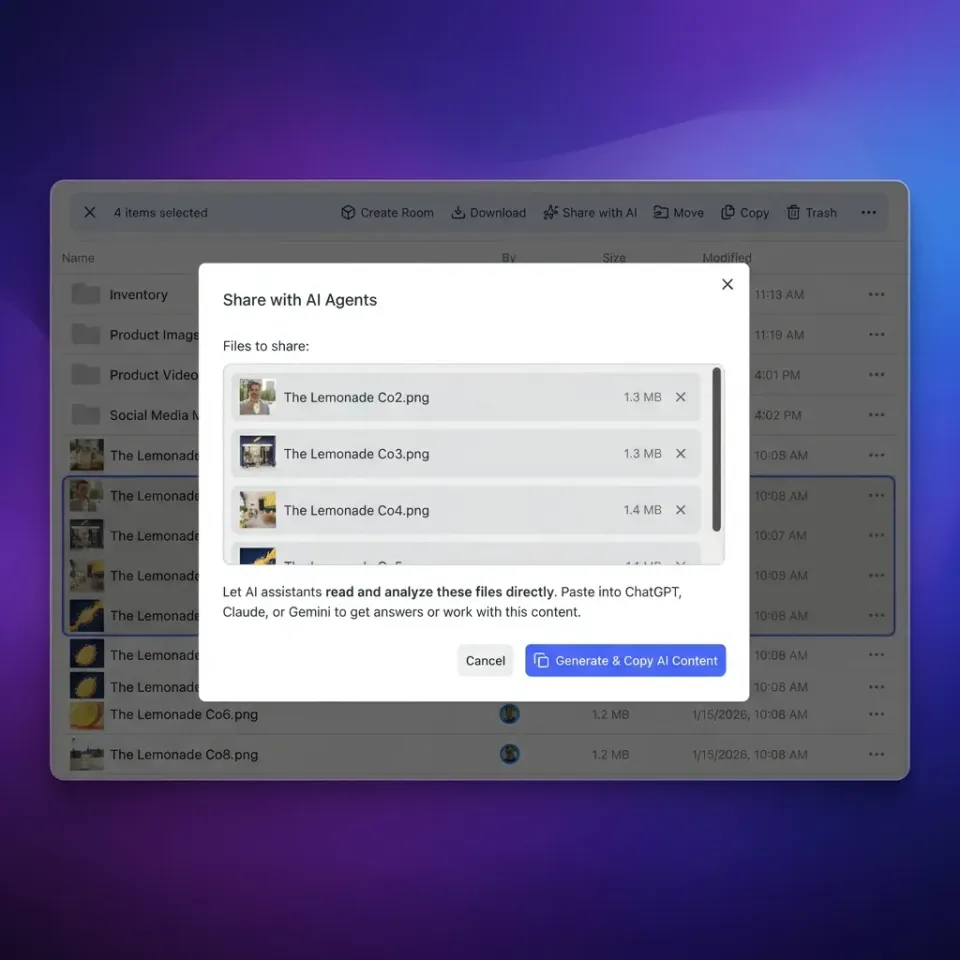
What Is Multi Agent Optimization?
Multi-agent optimization is the process where autonomous agents collaborate to optimize a shared objective function. By dividing complex problems into distributed sub-problems, agent systems achieve higher efficiency and resilience than monolithic models.
Studies show multi-agent approaches outperform single-agent methods in many cases. For example, multi-agent reinforcement learning beats individual learners in cooperative games. Shared workspaces allow agents to exchange state and verify intermediate results.
Related guides
- How to Coordinate AI Agents with Multi-Agent Orchestration PatternsMulti-agent orchestration patterns define how AI agents work together to complete tasks. This guide covers the four...
- 6 Best Debugging Tools for Multi-Agent Systems in 2026Multi-agent systems fail in ways that single-agent setups never do.
- How to Build a Multi-Agent Audio Production WorkflowMulti-agent audio workflows chain AI agents for stem generation, mixing, EQ, effects, and mastering. Fastio workspaces...
- LangGraph vs CrewAI: Which Multi-Agent Framework to Choose in 2026LangGraph and CrewAI are the two most-searched multi-agent frameworks heading into 2026. This comparison goes beyond...
- Connecting CrewAI Multi-Agent Teams to Box StorageA CrewAI Box connector enables autonomous multi-agent teams to query enterprise records without loading entire...
- How to Connect CrewAI to Dropbox: Multi-Agent Cloud Storage ArchitectureConnecting CrewAI to Dropbox provides autonomous multi-agent systems with direct, indexed access to cloud files,...
More on this subject: Multi-Agent Systems (62 guides)
Key Algorithms for Multi Agent Optimization
A comparison table of common methods:
Pick based on your needs. MARL suits learning settings; consensus works for static agreement.


Ready for Multi-Agent Optimization?
Start with Fastio's Business Trial: generous storage, a consolidated MCP toolset, and RAG. Build collaborative systems without limits.
Popular Frameworks for Multi Agent Systems
Frameworks simplify building optimized systems.
JADE supports FIPA standards for agent communication. JACK focuses on BDI models. Recent LLM-based frameworks like CAMEL enable communicative agents.
For production environments, frameworks connect directly to Fastio's remote MCP server at https://mcp.fast.io/mcp/tools using Streamable HTTP.
Practical Deployment with Shared Workspaces
In distributed optimization, agents often operate with partial views. Solutions include advisory file locks, version history, and granular permissions to coordinate access. Fastio provides advisory file locks via MCP and REST so agents can signal active writes, while automatic version history preserves every revision if concurrent updates occur and the WebSocket events feed notifies agents of changes, enabling reactive workflows without polling.
Step-by-step setup:
- Create a workspace for the optimization cluster.
- Agents join via MCP or REST API.
- Use version history and separate folders for agent outputs.
- Query shared context using Intelligence Mode RAG as needed.
- When the run completes, transfer workspace ownership to a human through a claim link.
Example MCP tool call for file read:
{"tool": "read_file", "file_id": "workspace/file.txt"}
One agent forecasts demand (RAG on docs). Others bid for deliveries (auction). Version history ensures shared data integrity.
Sources
References used to verify factual claims in this guide.
-
Multi-agent systems solve problems difficult for individual agents JADE and JACK are agent frameworks
-
CAMEL for LLM-based multi-agent
Frequently Asked Questions
What is multi agent optimization?
Multi-agent optimization is a method where multiple autonomous agents work together to find optimal solutions to complex, distributed problems, sharing information to reach global goals.
What are frameworks for multi agent optimization?
Key frameworks include classic toolkits like JADE and JACK, alongside modern LLM-based frameworks like CAMEL, CrewAI, and LangGraph.
How does Fastio coordinate shared data in multi agent systems?
Fastio coordinates shared data using advisory file locks, per-file version history, and granular permissions. Agents acquire a file lock before writing and release it when finished, while the activity log and version history ensure all updates are tracked and recoverable.
What pricing plans are available for AI agents?
Fastio offers Starter ($9.99/mo), Business ($49.99/mo), and Enterprise ($199.99/mo) plans based on usage-based credits and storage limits. Organizations can evaluate the platform with a 14-day Business Trial requiring a credit card.
How does RAG fit into multi agent optimization?
RAG provides shared context across agents. When Intelligence Mode is enabled for a workspace, agents query project documents and historical logs to inform optimization choices.
Related Resources

Ready for Multi-Agent Optimization?
Start with Fastio's Business Trial: generous storage, a consolidated MCP toolset, and RAG. Build collaborative systems without limits.