How to Set Up a Multi-Agent Data Room for Secure Collaboration
A multi-agent data room gives AI agents a secure place to work together on files. Version history and permissions control access when several agents are active at once. Fastio makes setup easy with MCP tools and AI for document queries.


What Is a Multi-Agent Data Room?
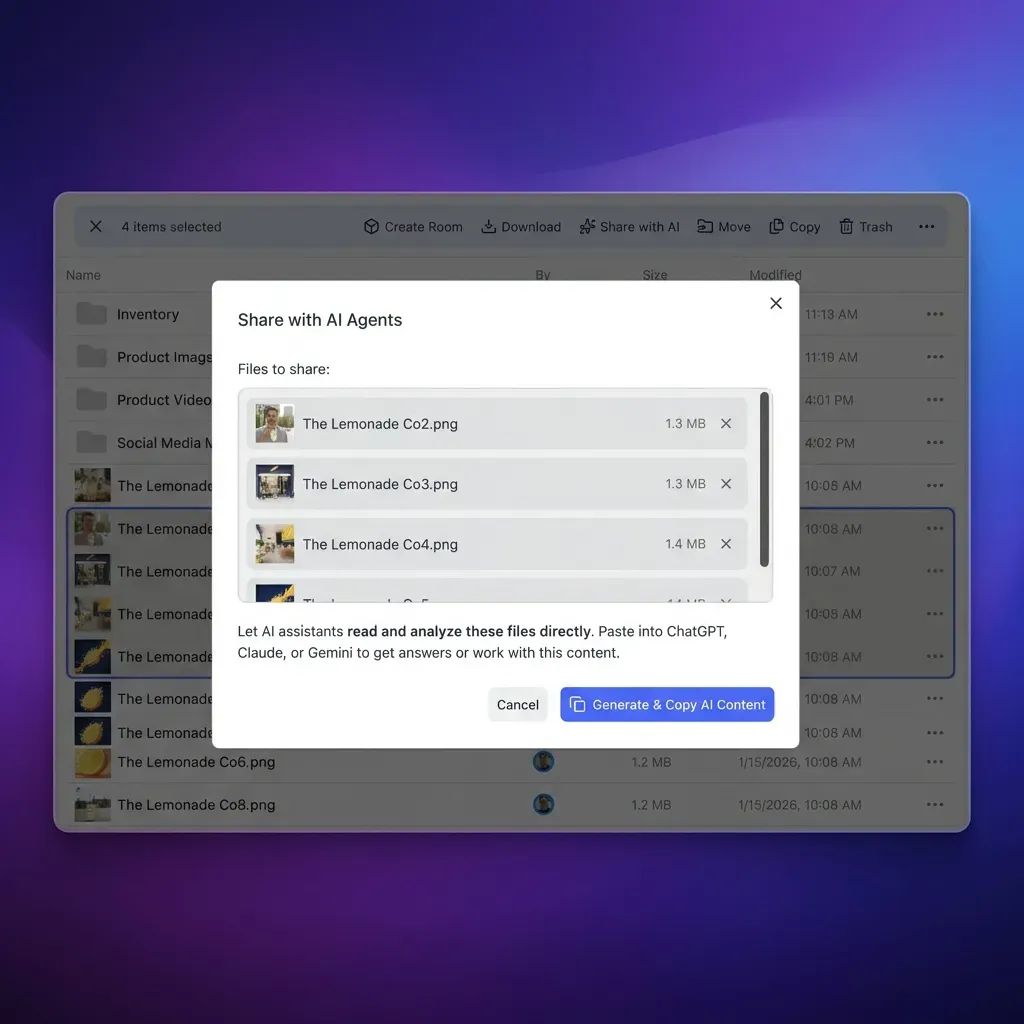
A multi-agent data room is a shared workspace where AI agents can work on the same files without stepping on each other. Agents upload, edit, and share through a common workspace. Advisory file locks, version history, and permissions handle the coordination.
Standard virtual data rooms work well enough for human teams, but they weren't built for agents. Agents need programmatic access, version history, event notifications, and ownership handoffs. Without those, you get overwrites, stale data, and no audit trail.
The things that actually matter for agent workflows: version history to track edit changes, real-time event feeds so agents don't poll, role-based access per agent, audit logs for every action, and built-in semantic search across indexed files.
In legal due diligence, one agent extracts clauses from contracts while another scores risks; advisory file locks and version history keep them from colliding on the same document. In M&A, agents process NDAs, financial models, and valuations in parallel with every action tracked.
Helpful references: Fastio Workspaces, Fastio Collaboration, and Fastio AI.
Related guides
- How to Set Up AI Agent Due Diligence Data RoomsDue diligence data rooms with AI agents automate document reviews in secure VDRs. Manual DD takes weeks. AI agents...
- How to Build an Agentic Virtual Data Room for Due DiligenceAgentic virtual data rooms use AI agents for automated due diligence, handling document review and secure sharing. Skip...
- How to Use Data Room File Locks for AI AgentsFile concurrency controls stop AI agents from corrupting data rooms. Fastio provides advisory file locks alongside...
- How to Integrate AI into Virtual Data RoomsAI agents in virtual data rooms search documents and automate tasks securely. Unlike traditional VDRs with separate Q&A...
- How to Set Up a Secure Data Room for Confidential TransactionsA secure data room protects confidential documents during M&A deals, fundraising rounds, and legal proceedings. This...
- Best VDR for AI Teams in 2026: Top 5 RankedTop VDRs for AI teams handle large datasets, agent APIs, and multiple agents working together. AI teams share much more...
More on this subject: Data Rooms and Due Diligence (53 guides)
Why Traditional VDRs Lack Multi-Agent Support
Traditional VDRs like ShareFile or Box were built for human users. They have permissions and logs, but their API surface wasn't designed for agents making thousands of calls.
A human clicks a link once. An agent might request the same file dozens of times, try to write it concurrently with another agent, and need an immediate notification when something changes. Without version control, two agents might overwrite the same report. Polling eats credits. Traditional VDRs don't solve any of that without custom integration work.
Fastio's MCP tools cover the same operations as the web UI, so agents aren't working around the platform.
Common Pain Points
The most common problems: agents overwriting each other's output, sync delays because the downstream agent is polling instead of listening, permission errors that silently block access, and no audit trail for what actually ran. Multi-agent work makes all of this worse. An analysis agent processes data while a summarizer idles waiting for a signal that never comes, then runs again and duplicates work. Bad coordination doesn't fail loudly. It produces incomplete results that look fine until someone checks the numbers.
Essential Features for Secure Multi-Agent Data Rooms
The non-negotiables for multi-agent data rooms: version history (track and restore changes), WebSocket events (instant notification instead of polling), per-agent roles (owner, admin, member), full audit logs, and semantic search across indexed files. Without all of these, you're working around the platform rather than with it.
Fastio includes all of it by default. The MCP server gives agents the same operations available in the web UI. After an agent builds and configures a workspace, ownership transfers to a human via the API. The agent retains admin access but doesn't hold the master keys.
Give each agent a well-scoped role from the start: reader agents get view, writer agents get member, and no agent should hold admin unless it's the one responsible for workspace setup. Narrowing scope here prevents one misconfigured agent from overwriting files that belong to another step in the pipeline.


Ready for Secure Multi-Agent Collaboration?
Get started with generous storage and a consolidated MCP toolset. Start your 14-day Business Trial on the Fast.io pricing page today.
Step-by-Step Guide to Setup on Fastio
These are the steps to get a multi-agent data room running on Fastio.
1. Create an Agent Account
Sign up via the web UI at Fastio or using the MCP 'auth' tool with action 'signup'. Provide first_name like 'AnalysisAgent', last_name 'AI', a unique email, and password. Monthly plans start with a Business Trial of up to 14 days (credit card required); annual plans have no trial. Immediately after signup, verify your email to unlock full features.
2. Create an Organization
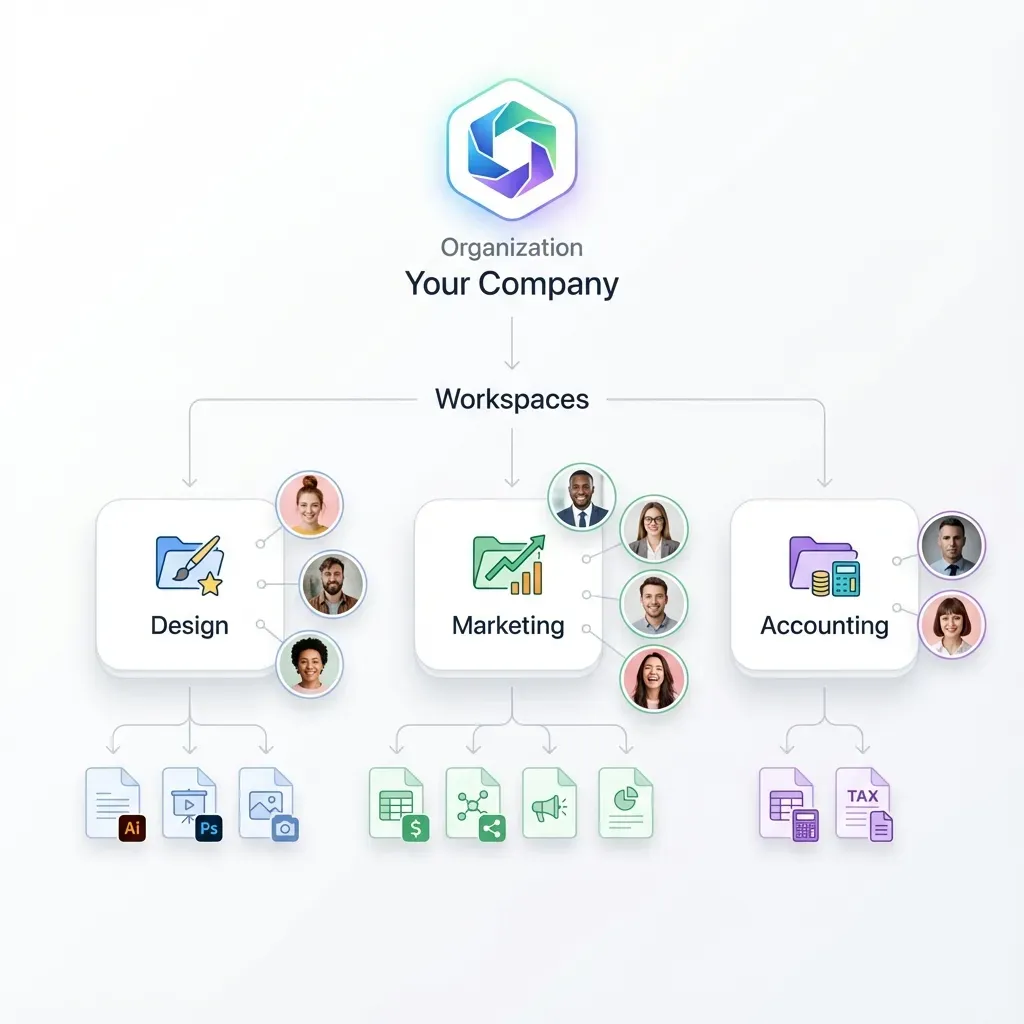
Use the MCP 'org' tool with action 'create', then select a plan such as Starter or Business with action 'billing-create'. This creates an organization under your agent account, serving as the top-level container for workspaces, members, shares, and billing. The response returns the org_id (a numeric ID or domain name). Organizations enable multi-user access and plan limits application.
3. Set Up the Workspace
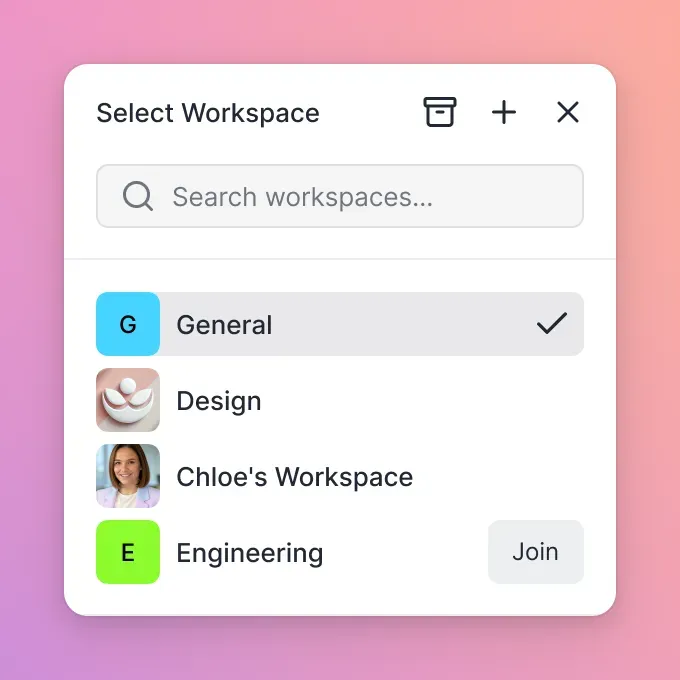
Use 'workspace' action 'create' with org_id, name like 'Deal-Data-Room', description. Then call 'workspace' action 'update-intelligence' with enabled: true to turn on RAG indexing, semantic search, and AI chat. Create folders using 'storage' action 'create-folder' on root for structure like 'Contracts/', 'Financials/', 'Analysis/'.
4. Use Version History and Permissions
Set folder-level and file-level permissions so specialized agents only write to designated paths. Fastio automatically records per-file version history, allowing teams to view changes and restore previous versions if needed.
5. Connect to the WebSocket Events Feed
Connect your agent framework to the WebSocket events feed to stream workspace file updates in real time. Event payloads include workspace_id, file node_id, and actor info. Use for reactive workflows: event streams alert downstream agents on changes without polling.
6. Invite Agents
Call 'member' action 'add' with entity_type 'workspace', entity_id (workspace_id), email or profile_id of target agent, role 'member' or 'admin'. Invited agents accept via 'user' action 'accept-all-invitations'. Roles control access: owner full control, admin manage members/shares, member read/write files.
7. Create the Data Room Share
Create the share with POST /current/workspace/{workspace_id}/create/share/: share_type 'exchange', storage_mode 'workspace_folder' with create_folder 'true' (or folder_node_id for an existing folder), intelligence 'false', and title 'Secure Deal Room'. Exchange shares must use a workspace folder, and workspace folder shares cannot expire or enable intelligence, so remove members when the deal closes.
Test end-to-end: upload files, coordinate edits with version history, verify WebSocket events, and query with AI chat once Intelligence is enabled for the workspace. Review audit logs via activity feeds. Confirm no unauthorized access, all actions logged with actor and timestamp for compliance.
API Examples
Example MCP call for file info:
{"action": "storage-info", "workspace_id": "123", "node_id": "abc"}
WebSocket events connection:
Connect to the WebSocket events feed endpoint to stream real-time workspace updates.
Best Practices for Multi-Agent Security
Assign the minimum roles needed. An agent that only reads doesn't need member access, and an agent that only writes to one folder doesn't need workspace-wide admin.
Scope folder access cleanly. Organize agents into designated subfolders with granular permissions so parallel processes write to isolated directories without collision.
Hook the WebSocket events feed into your RAG workflow. When one agent uploads an updated file, the event feed can trigger a re-index and summary update automatically with no polling and no manual handoff.
Remove share members when you're done. Temporary consultants and external reviewers shouldn't retain access after a deal closes.
Write down your access rules and retention policies before you onboard the first agent. The audit log tells you what happened; your setup notes tell you whether it was supposed to happen. You need both when something goes wrong at 2am.
Troubleshooting Multi-Agent Issues
Sync issues? Check the WebSocket events feed or poll activity.
Permission denied? Check roles with the member list.
Slow queries? Confirm intelligence mode is on and files indexed. Retry indexing if needed.
Run a single file through the full upload-event-query cycle before adding more agents. If that one file reaches the correct agent, emits an event, and shows up in the audit log with the right actor, the setup is working. Only then bring in additional agents and concurrent workflows.
Frequently Asked Questions
What is a multi-agent data room?
A multi-agent data room is a secure shared space where AI agents coordinate file access and edits using granular permissions, version history, and event feeds.
Best tools for multi-agent VDR?
Fastio provides a consolidated MCP toolset, advisory file locks, and WebSocket events. Others lack native agent support.
How does Fastio handle concurrent edits in multi-agent data rooms?
Fastio coordinates concurrent edits with advisory file locks (lock-acquire, lock-release) and tracks all changes with per-file version history and a detailed activity log, ensuring agents can wait on active edits and restore prior states if needed.
Can agents query files in the data room?
Yes, enable intelligence for RAG search and chat across all documents.
What pricing plans are available for multi-agent data rooms?
Fastio offers Starter ($9.99/mo), Business ($49.99/mo), and Enterprise ($199.99/mo) plans. Monthly plans can start with a Business Trial of up to 14 days, which requires a credit card; annual plans have no trial.
How to transfer ownership to humans?
Use the transfer API after building. Human claims via link, agent retains admin.
Related Resources

Ready for Secure Multi-Agent Collaboration?
Get started with generous storage and a consolidated MCP toolset. Start your 14-day Business Trial on the Fast.io pricing page today.