How to Migrate S3 Buckets to Fastio API
Guide to migrate buckets fast api: Migrating from S3 to Fastio allows development teams to upgrade from raw object storage to an intelligent, agent-ready workspace. This guide walks through the complete migration process including S3 audit, workspace mapping, parallel sync scripts, and checksum verification to ensure data integrity. You'll also learn strategies for avoiding downtime during the switch and how to use Fastio's multiple MCP tools for automated workflows.

Why Migrate from S3 to Fastio?
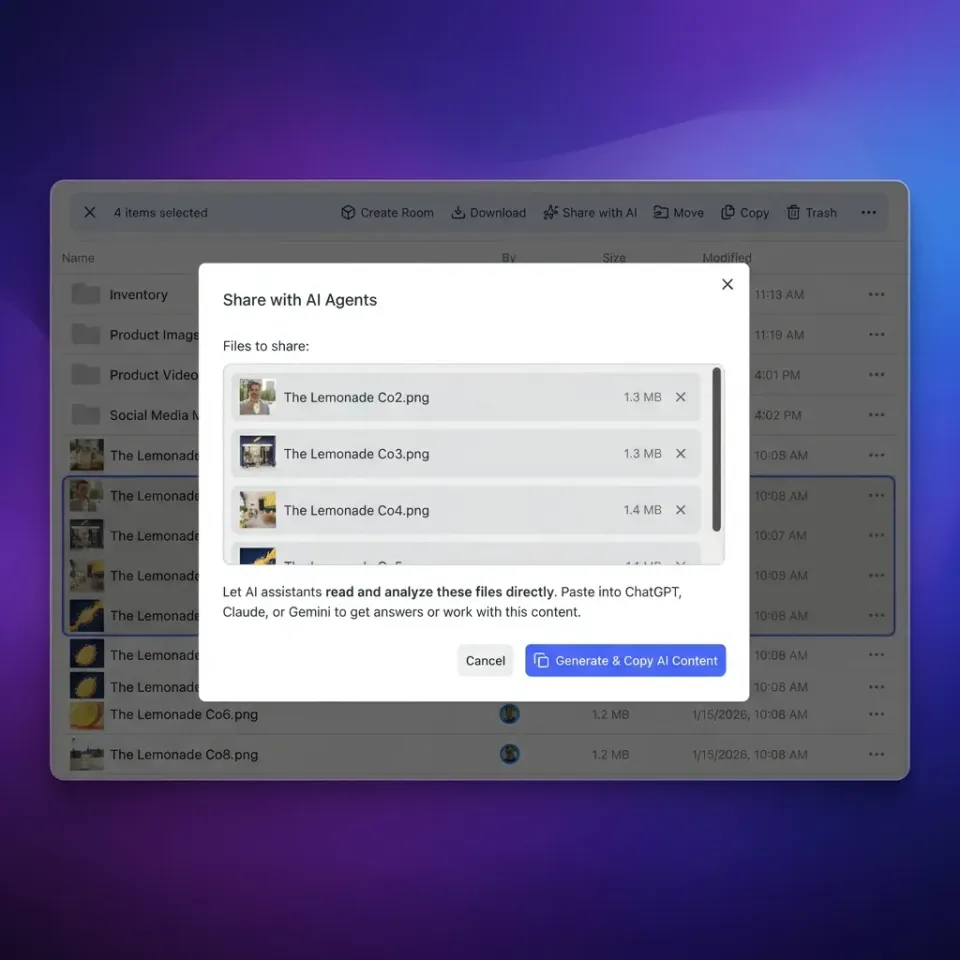
Amazon S3 provides solid object storage, but it lacks the collaborative and intelligent features that modern development teams need. Fastio adds workspace intelligence on top of storage, giving you built-in RAG, semantic search, and a consolidated MCP toolset that lets AI agents work directly in your file system.
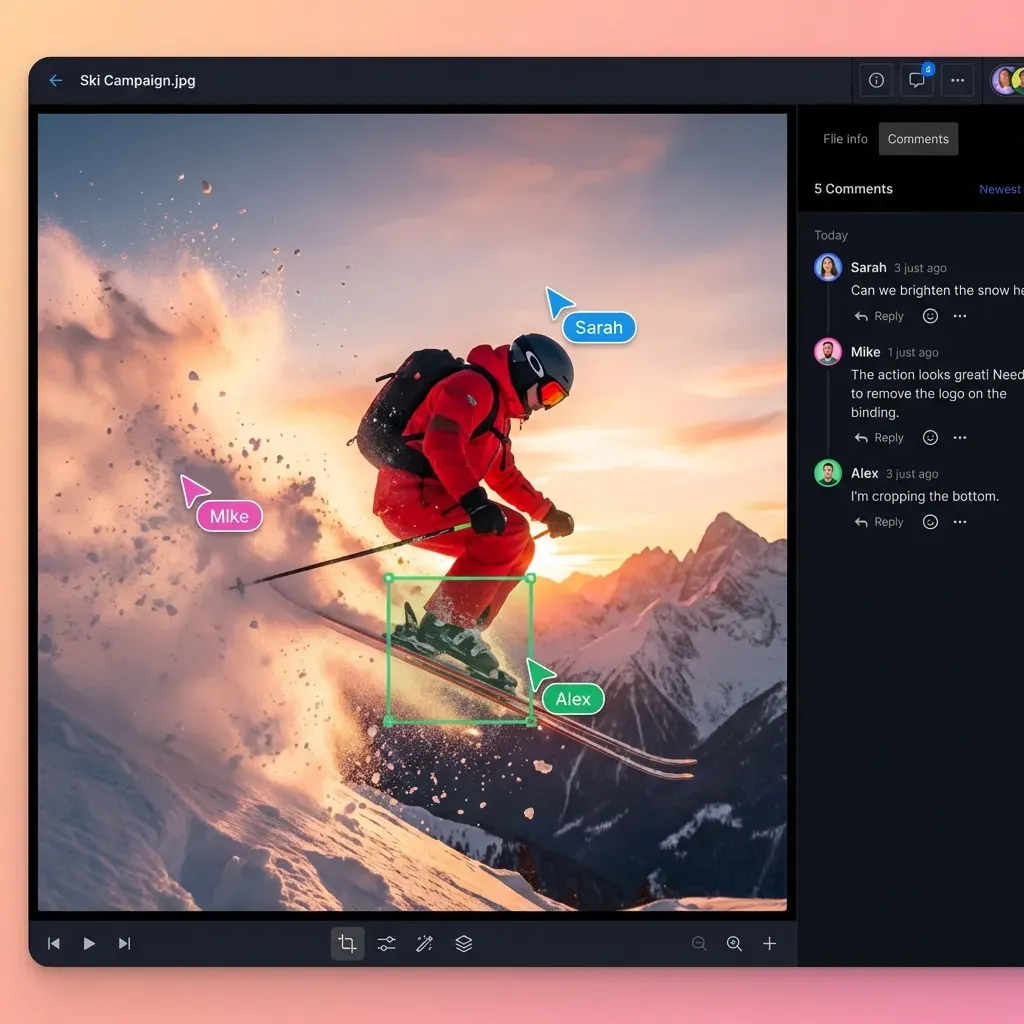
The main advantages of moving to Fastio include automatic file indexing (no setup required), native AI chat with citations, and agent-first architecture where every UI capability has a corresponding API endpoint. You also get branded sharing, data rooms, and real-time collaboration features that S3 doesn't offer.
For teams running AI agents, Fastio provides a significant advantage: agents can create workspaces, upload outputs, query documents with built-in RAG, and transfer ownership to humans when tasks complete. This workflow isn't possible with raw S3 storage.
Helpful references: Fastio Workspaces, Fastio Collaboration, and Fastio AI.
Related guides
- How to Use the Fastio API for HLS Video StreamingBuilding a video application usually requires chaining together cloud storage and separate transcoding services. The...
- Fastio API vs Google Drive API for AI AgentsWhen building autonomous systems, developers must choose the right storage layer for their AI agents. While the Google...
- How to Automate File Ownership Transfer with Fastio APIAutomating file ownership transfer with the Fastio API lets AI agents securely deliver finished assets to human clients...
- How to Connect the Fastio API to OpenAI AssistantsConnecting Fastio to OpenAI Assistants gives your agents direct access to persistent file workspaces, skipping manual...
- How to Build a Fastio API Folder StructureManually creating workspaces slows down development and client onboarding. A Fastio API folder structure creation guide...
- How to Build a Fastio API Integration With Remix ApplicationsGuide to fastio api integration with remix applications: Integrating Fastio with Remix means using server-side Action...
More on this subject: Agent Integrations and APIs (192 guides)
How to Audit Your S3 Bucket
Before migrating, you need a complete inventory of what exists in your S3 bucket. This audit forms the foundation for your migration script and helps you plan workspace mapping.
Create a script that lists all objects and captures key metadata. You'll want to capture the full object key (which maps to folder structure), file size, last modified date, and any custom metadata tags. Run this during off-peak hours to avoid performance impact on your production S3 bucket.
The audit should also identify large files that will need chunked uploads, detect any naming conflicts (S3 allows duplicate keys with different casing in some configurations), and catalog file types to plan appropriate workspace organization.

S3 Audit Script Example
import boto3
import json

s3 = boto3.client('s3')
paginator = s3.get_paginator('list_objects_v2')

objects = []
for page in paginator.paginate(Bucket='your-bucket'):
    if 'Contents' in page:
        for obj in page['Contents']:
            objects.append({
                'key': obj['Key'],
                'size': obj['Size'],
                'last_modified': obj['LastModified'].isoformat(),
                'etag': obj['ETag']
            })

with open('s3-audit.json', 'w') as f:
    json.dump(objects, f, indent=2)
This script exports your entire bucket to a JSON file that you can analyze to plan workspace mapping.
How to Map S3 Structure to Fastio Workspaces
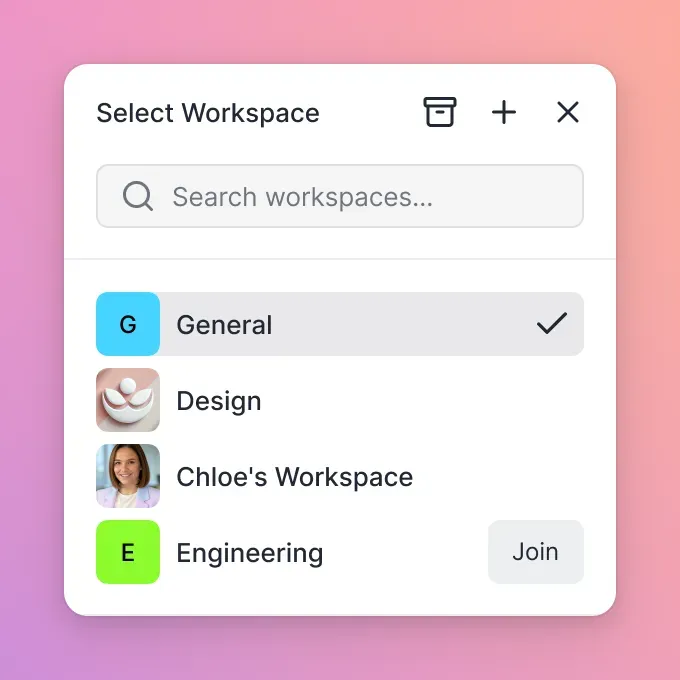
Fastio uses workspaces as the primary organizational unit, which map naturally from S3 bucket prefixes. Analyze your S3 audit data and group objects by their key prefixes. Each prefix becomes a candidate workspace in Fastio.
Consider these mapping strategies: project-based grouping (all files for a client or product in one workspace), team-based organization (files organized by department or function), or hybrid approaches that combine both. Fastio workspaces support shared team access and nested folder structures, giving you flexibility.
Create your workspace hierarchy before uploading files. Use the Fastio API to create workspaces programmatically:
Workspace Creation API Call
import requests

# Create workspace
response = requests.post(
    'https://api.fast.io/current/org/YOUR_ORG_ID/create/workspace/',
    headers={'Authorization': 'Bearer YOUR_JWT'},
    data={
        'name': 'Project Alpha Files',
        'folder_name': 'project-alpha',
        'description': 'Migration from S3 bucket project-alpha',
        'perm_join': 'Member or above',
        'perm_member_manage': 'Admin or above'
    }
)
workspace = response.json()
workspace_id = workspace['workspace']['id']


Give Your AI Agents Persistent Storage
Get generous storage and a consolidated MCP toolset for your agents. Fastio offers a 14-day Business Trial, card required; see /pricing/.
Execute the Migration Sync
With workspaces created, you can now sync files from S3 to Fastio. For small files under 4 MB, use simple single-request uploads. For larger files, Fastio supports chunked uploads, with a maximum upload size of 25 GB on Starter, 50 GB on Business and 100 GB on Enterprise, which is essential for media files and datasets.
Parallel uploads dramatically speed up migration. Run multiple upload workers concurrently, each handling different files. The Fastio API handles high-throughput transfers well, and you can tune parallelism based on your network capacity.
Here's a sync script that handles the migration:
Run a small pilot first, then expand in phases while tracking data integrity and performance baselines. This keeps migration risk low and gives teams time to adjust safely.
Migration Script with Parallel Uploads
import asyncio
import aiohttp
from concurrent.futures import ThreadPoolExecutor
import boto3

S3_BUCKET = 'your-bucket'
FASTIO_WORKSPACE_ID = 'workspace-id'
MAX_WORKERS = 10  # Parallel upload count

s3 = boto3.client('s3')

async def upload_file(session, s3_key):
    # Download from S3 to memory
    s3_obj = s3.get_object(Bucket=S3_BUCKET, Key=s3_key)
    content = s3_obj['Body'].read()

    # Upload to Fastio in one request (files under 4 MB; larger files
    # use /upload/, then /upload/{id}/chunk/ and /upload/{id}/complete/)
    url = 'https://api.fast.io/current/upload/'
    headers = {'Authorization': 'Bearer YOUR_JWT'}

    form = aiohttp.FormData()
    form.add_field('name', s3_key.split('/')[-1])
    form.add_field('size', str(len(content)))
    form.add_field('action', 'create')
    form.add_field('instance_id', FASTIO_WORKSPACE_ID)
    form.add_field('folder_id', 'root')
    form.add_field('chunk', content, filename=s3_key.split('/')[-1])
    async with session.post(url, headers=headers, data=form) as resp:
        return await resp.json()

async def migrate_all():
    # Get S3 object list
    objects = get_s3_objects()  # From audit step

    async with aiohttp.ClientSession() as session:
        tasks = [upload_file(session, obj['Key']) for obj in objects]
        results = await asyncio.gather(*tasks, return_exceptions=True)

    return results

asyncio.run(migrate_all())
Verify Data Integrity
After migration completes, verify that all files arrived correctly. The most reliable method is checksum comparison. Store MD5 or SHA256 checksums during your S3 audit, then calculate checksums on the Fastio side after upload.
Use the Fastio API to list uploaded files and compare against your audit data. Flag any missing files, size mismatches, or checksum failures. Most sync issues stem from network timeouts or rate limiting, and a second pass usually resolves them.
Here's how to verify integrity:
Run a small pilot first, then expand in phases while tracking data integrity and performance baselines. This keeps migration risk low and gives teams time to adjust safely.
Checksum Verification Script
import hashlib
import requests
import json

def calculate_md5(data):
    return hashlib.md5(data).hexdigest()

# Verify a single file (node_id is the file's Fastio ID: read
# session.new_file_id from GET /current/upload/{id}/details/?wait=60)
def verify_file(workspace_id, node_id, expected_md5):
    base = f'https://api.fast.io/current/workspace/{workspace_id}/storage/{node_id}'
    headers = {'Authorization': 'Bearer YOUR_JWT'}

# Get a short-lived read token, then download with it
    token = requests.get(f'{base}/requestread/', headers=headers).json()['token']
    response = requests.get(f'{base}/read/', params={'token': token})
    actual_md5 = calculate_md5(response.content)

    return actual_md5 == expected_md5.replace('"', '')

# Run verification on all migrated files. node_ids maps each S3 key to the
# Fastio node ID you recorded for it after its upload finished.
def verify_migration(audit_file, workspace_id, node_ids):
    with open(audit_file) as f:
        objects = json.load(f)

    failed = []
    for obj in objects:
        if not verify_file(workspace_id, node_ids[obj['key']], obj['etag']):
            failed.append(obj['key'])

    return failed
Strategies for Zero-Downtime Migration
For production systems, you need a strategy that keeps services running during the migration. The dual-write approach works well: configure your application to write to both S3 and Fastio simultaneously during the transition period.
Start by enabling dual-write for new files only. Existing files migrate in the background using your sync script. Once the historical migration completes and verification passes, switch read operations to Fastio while maintaining S3 as backup. After a stability period, decommission S3 writes.
Another approach is the read-through cache: serve reads from Fastio but proxy to S3 for any cache misses. This lets you migrate gradually while users transparently access files from both systems. Fastio's CDN-backed delivery makes this particularly effective for file-heavy applications.
Post-Migration: using Fastio Features
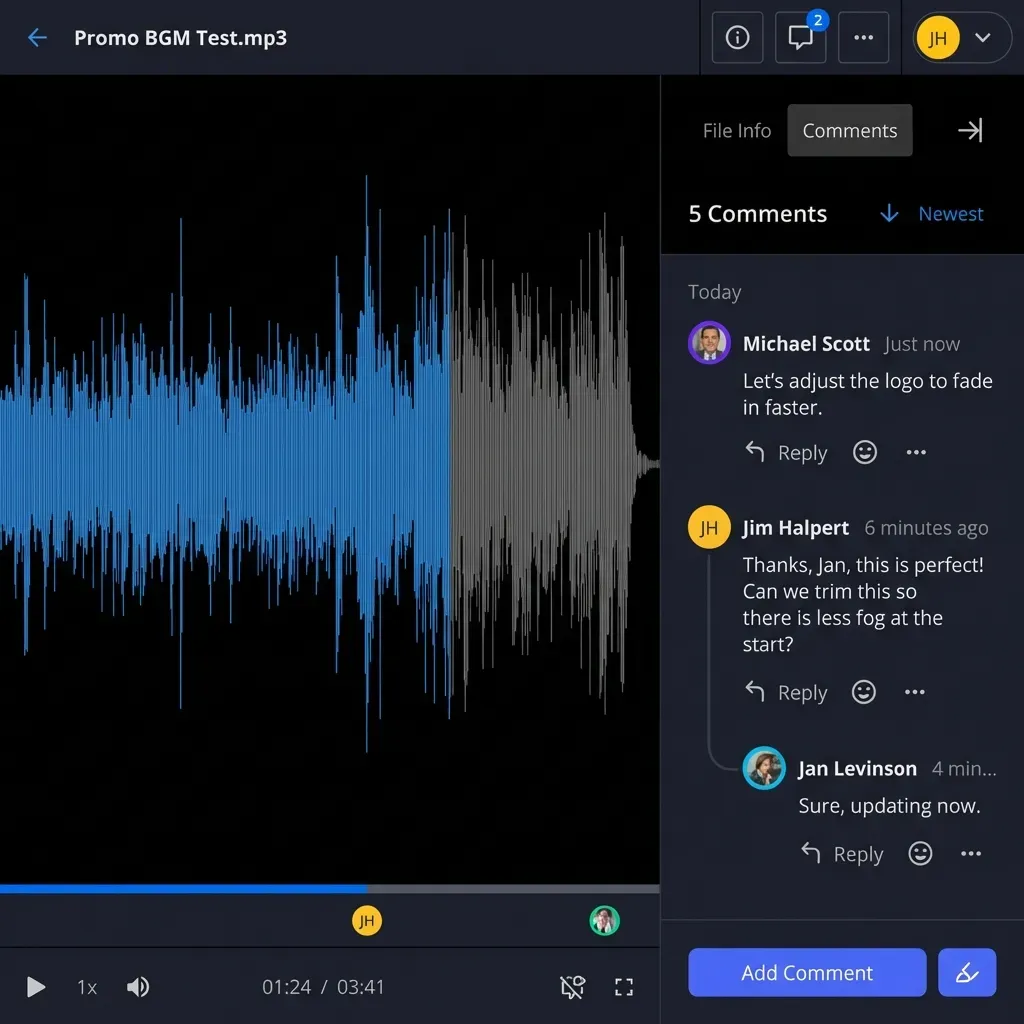
Once files are in Fastio, enable Intelligence Mode to activate built-in RAG. When enabled, workspace files are automatically indexed and become searchable by meaning, not just filename. You can ask questions like "show me the contract from Q3" and Fastio will find relevant files.
Your migrated workspaces now have access to a consolidated MCP toolset. Agents can create shares, use the WebSocket events feed or activity polling for file change notifications, and coordinate agent actions. Fastio offers a 14-day Business Trial, card required; see /pricing/.
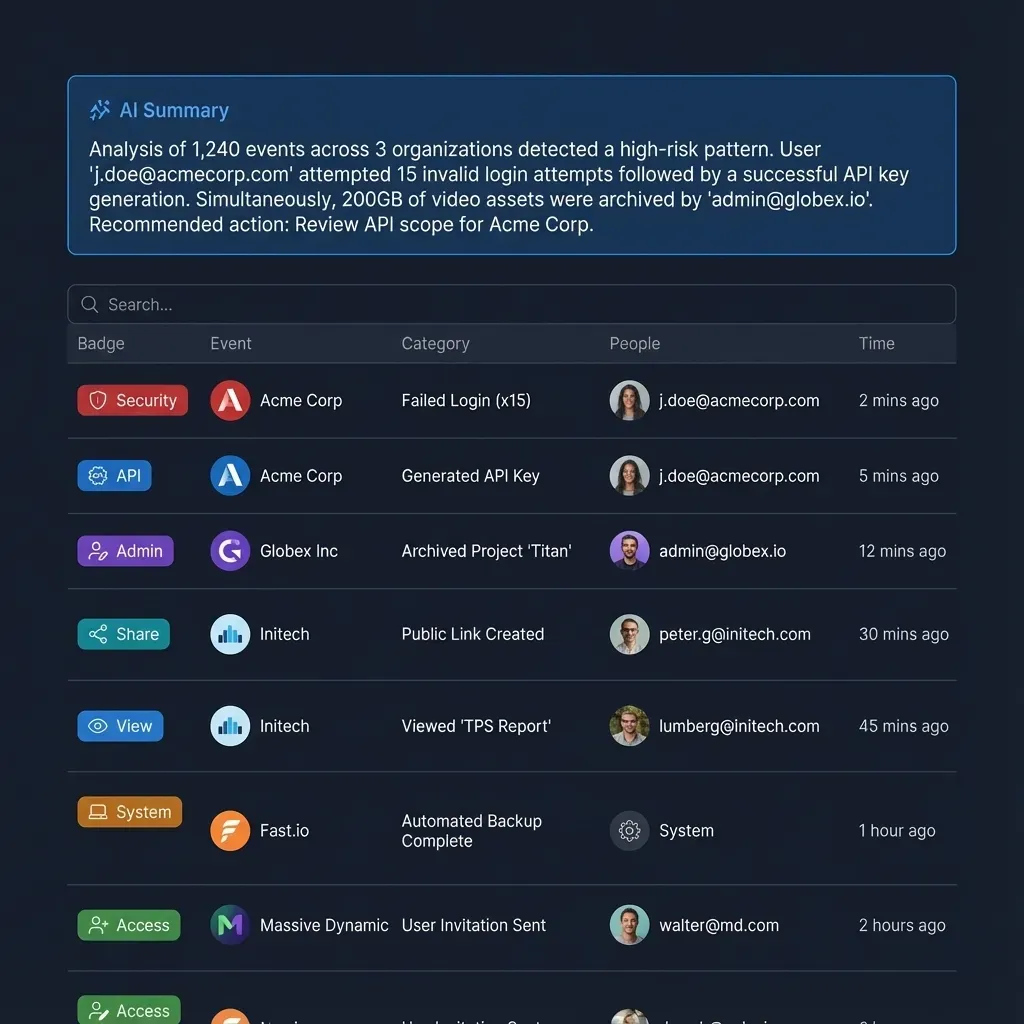
Consider monitoring the realtime activity feed or WebSocket events feed to trigger downstream actions when files arrive. For example, when an agent uploads model outputs, event notifications can alert your evaluation pipeline or trigger processing steps. This turns passive storage into an active part of your agent infrastructure.

Frequently Asked Questions
How do I migrate data from S3 to Fastio?
The migration process involves four steps: audit your S3 bucket to inventory all objects, map the bucket structure to Fastio workspaces, sync files using parallel uploads (script provided above), and verify checksums to ensure data integrity. For zero-downtime migration, use dual-write or read-through caching during the transition.
Can I import an S3 bucket into Fastio?
Fastio doesn't directly import S3 buckets, but you can migrate data programmatically using the API. Use the audit-sync-verify workflow described in this guide. For large buckets, use chunked uploads and parallel workers to speed up the process. Fastio offers a 14-day Business Trial (card required; see /pricing/) to test migration workflows.
What's the fast way to migrate large files?
Use Fastio's chunked upload API for files of 4 MB or more. Run multiple upload workers in parallel to maximize throughput. The API handles high-throughput transfers well. For large datasets, consider using the URL Import feature to pull files directly from S3 without downloading to local storage first.
Will my folder structure be preserved?
Yes, folder structure maps directly from S3 key prefixes to Fastio workspace folders. Map your S3 prefixes to workspaces during the planning phase, and the sync script preserves nested folder hierarchies within each workspace.
How do I avoid downtime during migration?
Use dual-write during migration: write new files to both S3 and Fastio, migrate historical files in the background, then switch reads to Fastio. Alternatively, use Fastio as a read-through cache that proxies to S3 for cache misses. Both approaches keep services running throughout the transition.
Related Resources

Give Your AI Agents Persistent Storage
Get generous storage and a consolidated MCP toolset for your agents. Fastio offers a 14-day Business Trial, card required; see /pricing/.