How to Build a Marketing Calendar That Keeps Campaigns on Track
Guide to marketing calendar software: Most marketing teams plan campaigns in a calendar but lose momentum when production starts. This guide covers how to build a marketing calendar that connects scheduling to the actual work of creating, reviewing, and delivering assets. You'll learn what features matter, how to structure your workflow, and where file management fits into the picture.
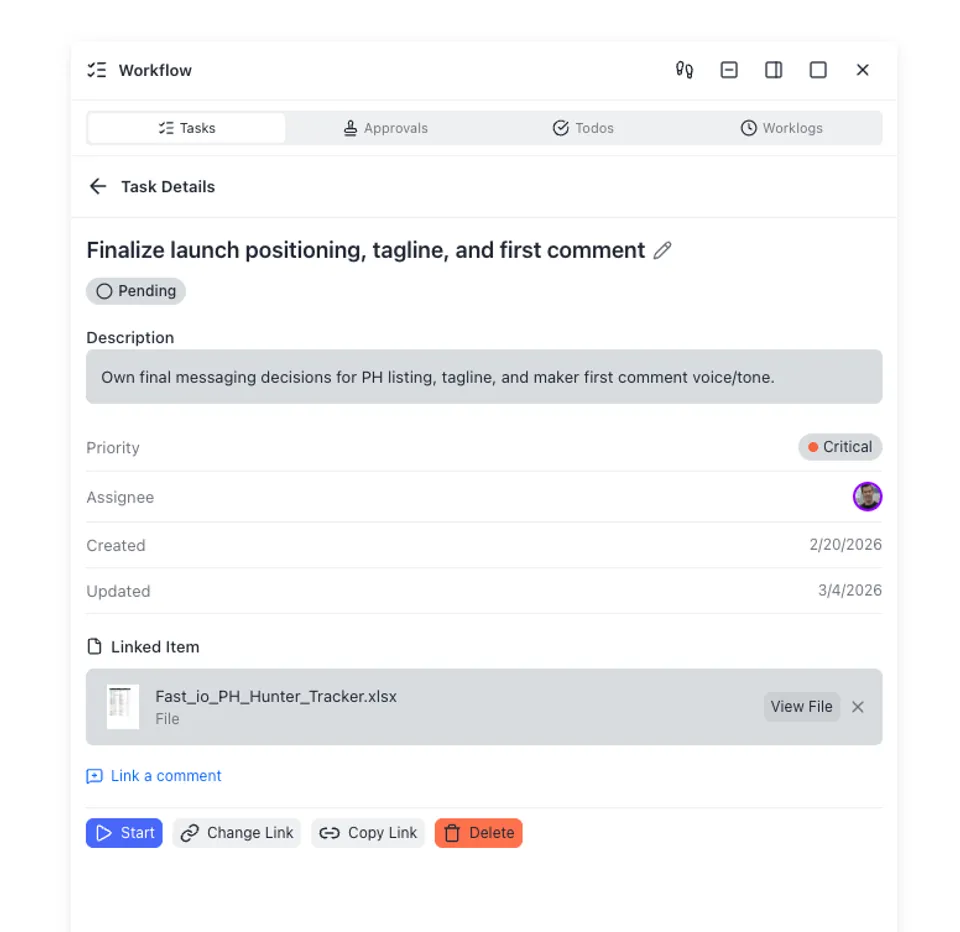
Why Most Marketing Calendars Fall Short: marketing calendar software
Marketing calendar software gives teams a visual timeline for planning campaigns, scheduling content, and coordinating asset production across channels. The problem is that most teams treat the calendar as a planning document that sits apart from the actual production work.
A 2024 Content Marketing Institute report found that 60-70% of B2B marketing content goes unused. Not because the content is bad, but because teams cannot find it, cannot access it, or produced it too late. The calendar said "launch email campaign on March 15," but the design files sat in someone's inbox, the copy went through four rounds of revisions in a Google Doc nobody could find, and the final assets never made it to the distribution team.
The gap is not in planning. It is in the connection between planning and production. Calendar tools are good at answering "what publishes when?" but they rarely answer "where are the files, who is reviewing them, and how do they reach the audience?"
This is a workflow problem, not a scheduling problem. And fixing it requires thinking about your marketing calendar as the front end of an asset production pipeline, not just a visual schedule.
Helpful references: Fastio Workspaces, Fastio Collaboration, and Fastio AI.
5 Features Every Marketing Calendar Should Have
If you are evaluating marketing calendar software, look beyond the drag-and-drop interface. These five capabilities separate calendars that ship campaigns from calendars that just display dates.
1. Multi-Channel Campaign Views
Your calendar needs to show blog posts, email sends, social posts, paid campaigns, and event deadlines on a single timeline. Without this, you end up with separate calendars per channel and no way to spot conflicts or gaps. Tools like CoSchedule and monday.com handle this well.
2. Task Dependencies and Approval Workflows
A publish date is the end of a chain. Before that date, someone needs to write copy, design visuals, get legal sign-off, and upload final assets. Your calendar should let you define these dependencies so a missed review deadline automatically flags the publish date as at risk.
3. Asset Attachment and File Management
Every calendar entry should link directly to the files it needs. Draft documents, design files, video cuts, and approved final versions all need a home that the team can reach from the calendar entry itself. This is where most tools fall short. They track the schedule but not the deliverables.
4. Filtering and Search
Once your calendar has 50+ entries across channels, you need filters by campaign, team member, status, and content type. Bonus: if your files are stored in a system with semantic search, team members can find assets by describing what they need rather than remembering exact file names.
5. Reporting on Production Velocity
You want to know not just what published, but how long it took to go from idea to live. Which campaigns hit their dates? Which ones slipped? Where are the bottlenecks? This data shapes how you plan future campaigns.
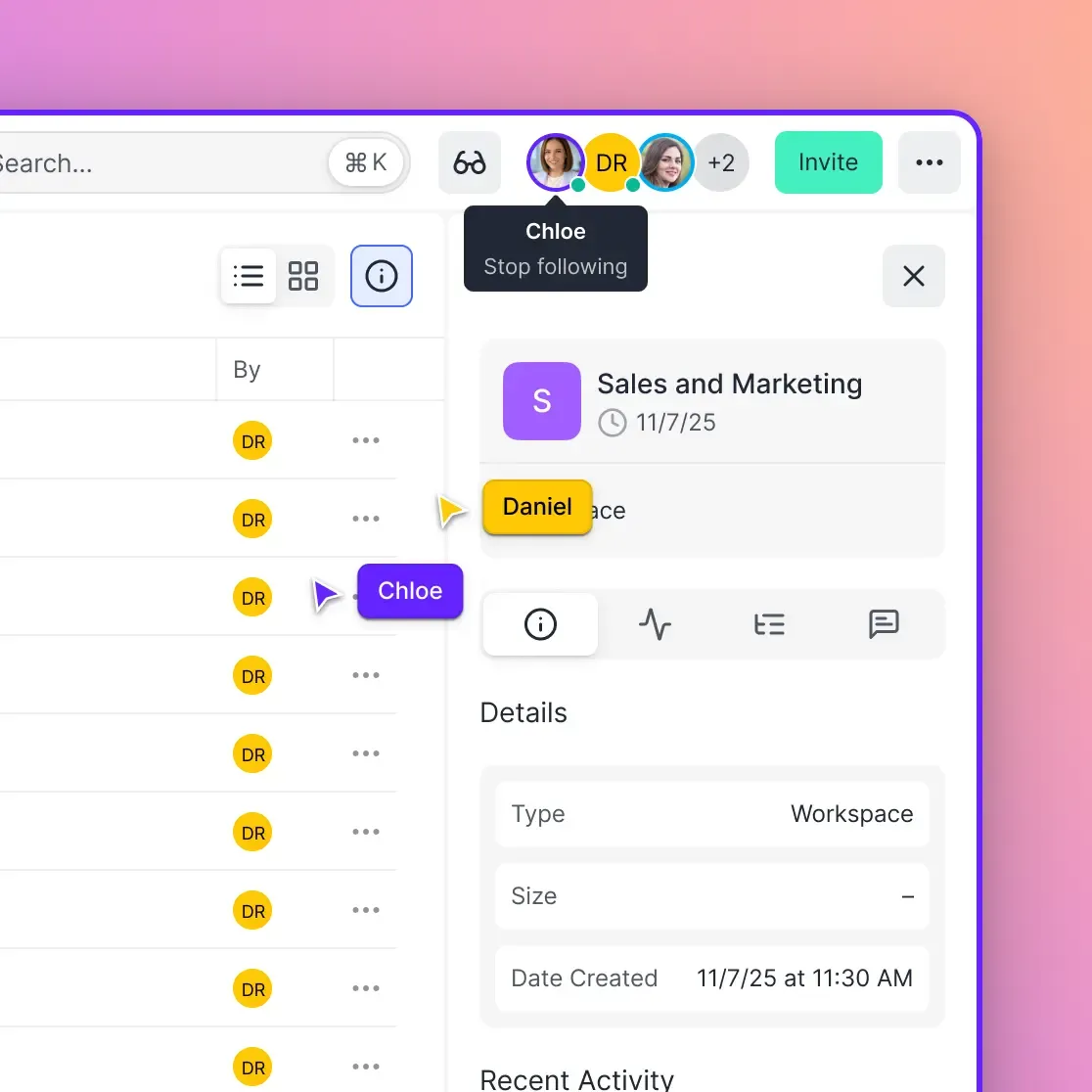
How to Structure Your Calendar Around Production Stages
The most effective marketing calendars are not organized by publish date alone. They are organized by production stage, with the publish date as the final milestone.
Here is a framework that works for teams producing 10-50 pieces of content per month:
Stage 1: Ideation (4-6 weeks before publish)
Log campaign concepts with target keywords, audience segments, and channel assignments. At this stage, each entry is just a brief and a target date. No files yet.
Stage 2: Asset Creation (3-4 weeks before publish)
Writers, designers, and video producers start work. Each calendar entry now links to working files. This is where you need a shared workspace, not scattered Google Drive folders or email attachments. Store drafts in a central location where everyone on the campaign can access them.
Stage 3: Review and Approval (1-2 weeks before publish)
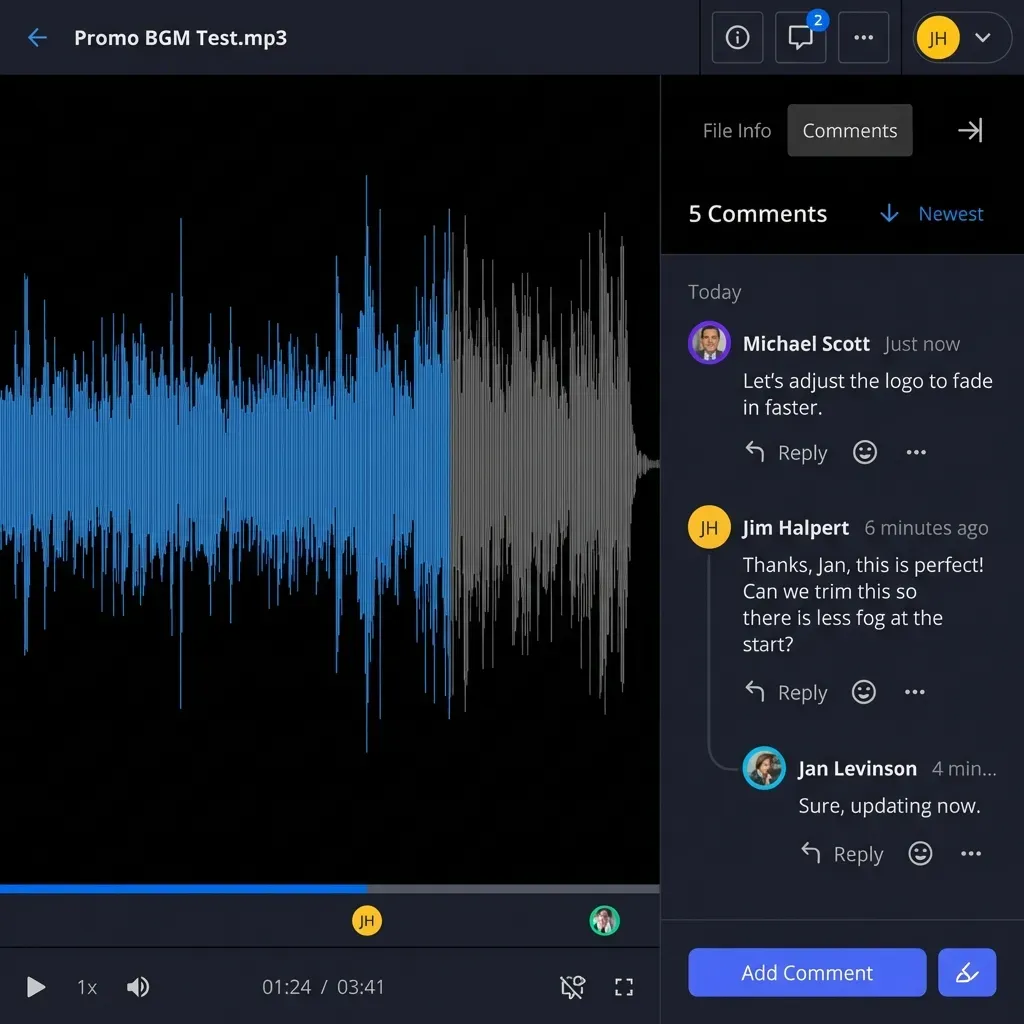
Stakeholders review drafts, leave feedback, and approve final versions. Comments anchored to specific pages, timestamps, or image regions save time compared to vague email feedback. Version control matters here. You need to know which file version was approved, not just that "the blog post is done."
Stage 4: Final Assembly and Delivery (days before publish)
Approved assets get packaged for distribution. Social images get cropped to platform specs. Email HTML gets tested. Blog posts go into the CMS. Landing page files go to the dev team. This stage is pure file logistics, and it is where campaigns most often stall.
Stage 5: Publish and Archive
Content goes live. Calendar entry updates to "published" status. All final assets get archived in a searchable library so they can be repurposed later.
Teams with structured calendars publish twice as consistently as those without, according to a 2024 CoSchedule survey. The structure is what makes the difference, not the tool alone.


Stop Losing Campaign Assets Between Planning and Publish
Fastio gives marketing teams shared workspaces with version control, branded delivery, and semantic search. 50 GB free, no credit card required. Built for marketing calendar software workflows.
Connecting Your Calendar to File Management
Here is the part most marketing calendar guides skip: what happens to the files.
Every campaign produces files. Blog post drafts, social media graphics, video cuts, email templates, landing page mockups, presentation decks. These files go through rounds of revision, need approval from multiple stakeholders, and eventually need to reach someone outside your team, whether that is a client, a partner, or a distribution platform.
Most calendar tools treat file management as an afterthought. You can attach a file to a task, but there is no version history, no structured review workflow, and no way to share approved assets with external stakeholders.
Option 1: Keep files in your PM tool. Tools like monday.com and Asana let you attach files to tasks. This works for small teams with simple campaigns, but it breaks down when you need version control, external sharing, or when file volumes grow past a few hundred.
Option 2: Use cloud storage alongside your calendar. Google Drive, Dropbox, or OneDrive as the file layer, with links in your calendar entries. Better for organization, but you still have the problem of scattered permissions, no built-in review workflow, and manual effort to share final deliverables.
Option 3: Use a workspace platform designed for asset production. This is where tools like Fastio fit. Fastio workspaces give marketing teams a shared space where files are versioned, organized, and searchable. When Intelligence is enabled, files are automatically indexed so team members can search by meaning, not just file name. Need to find "the Q2 campaign hero image with the blue gradient"? Semantic search handles that.
For the delivery stage, Fastio's branded shares let you package approved assets and send them to clients or partners without email attachments. Receive shares let external contributors upload files directly into your workspace, which is useful for collecting user-generated content or vendor deliverables.
The audit trail tracks who accessed what and when, which matters for compliance-sensitive campaigns or when you need to prove that a client approved a specific version.
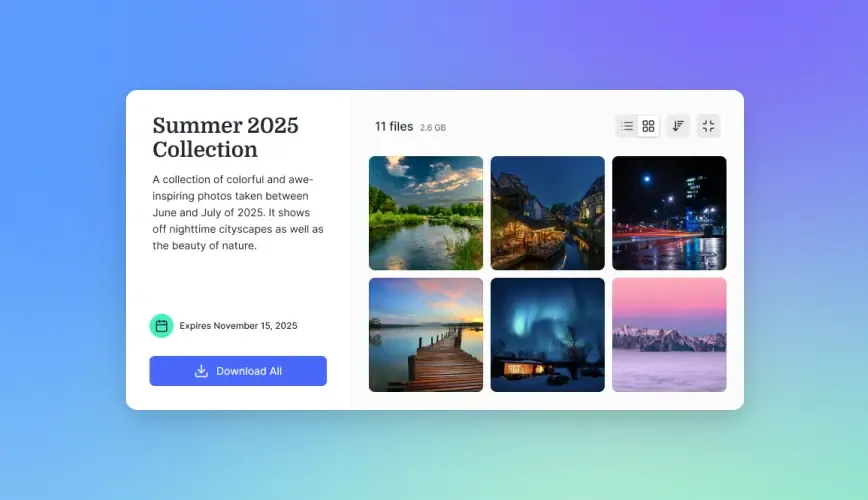
Choosing the Right Calendar Tool for Your Team
There is no single best marketing calendar tool. The right choice depends on your team size, content volume, and how much of the production pipeline you want under one roof.
For content-focused teams (under 10 people):
CoSchedule is built specifically for marketing calendars. It combines scheduling, social publishing, and a basic asset organizer in one interface. At published pricing per month, it is affordable for small teams that primarily manage blog and social content. The headline analyzer and AI assistant help with content optimization.
For larger teams needing project management:
monday.com and Asana both offer calendar views inside broader project management platforms. If your marketing calendar is one of many workflows you manage, these tools give you flexibility. monday.com starts at published pricing per month. Asana starts at $10.99 per user per month. Both handle task dependencies and approval workflows.
For teams with heavy asset production:
If your bottleneck is file management, review workflows, and external delivery rather than scheduling, pair a lightweight calendar (even a shared Google Calendar) with a dedicated workspace platform. Fastio's free plan includes 50 GB of storage, five workspaces, and branded shares, which covers the file logistics that calendar tools ignore. No credit card required.
For enterprise marketing operations:
Wrike and Opal serve large teams that need cross-functional coordination, resource management, and executive dashboards. These tools are more expensive but handle the complexity of multi-brand, multi-region campaign planning.
For budget-conscious teams:
ClickUp offers a generous free tier with calendar views, task management, and basic file attachment. It lacks the polish of dedicated marketing tools but covers the basics without per-user fees.
Building the Workflow: A Practical Example
Here is how a 15-person marketing team might connect their calendar to their asset production pipeline.
The setup:
- Calendar and task management: monday.com for campaign planning, task assignment, and deadline tracking
- File storage and delivery: Fastio workspaces for draft storage, review, version control, and client delivery
- Publishing: Native platform tools (WordPress, Mailchimp, Buffer) for final distribution
The weekly workflow:
Monday morning, the content lead reviews the calendar for the week. Three blog posts need final review. One email campaign needs design assets. A client presentation needs to go out by Thursday.
For each item, the team member opens the linked workspace in Fastio. Draft files are already there from the previous week's creation stage. Reviewers leave comments anchored to specific sections of the document. When the content lead approves, they mark the file as final.
For the client presentation, the account manager creates a branded share in Fastio and sends the link. The client downloads the approved deck, and the audit trail confirms delivery. No email attachments, no "did you get my file?" follow-ups.
On Friday, the content lead archives the week's published content and checks production velocity. Two posts shipped on time, one slipped by a day because design review took longer than expected. That feedback goes back into next month's calendar as extra buffer time for design-heavy content.
What this looks like at scale:
After three months, the team has a searchable archive of every campaign asset they have produced. When someone needs to repurpose a Q1 campaign graphic for a Q3 presentation, they search the workspace instead of digging through Slack messages and email threads. With Intelligence Mode enabled, they can even ask questions about past campaign content and get answers with citations to specific files.
This is the difference between a calendar that tracks dates and a calendar that drives production. The calendar tells you what needs to happen. The workspace makes it happen.
Frequently Asked Questions
What is the best marketing calendar tool?
It depends on your team's primary bottleneck. CoSchedule is best for content-focused teams that need scheduling and social publishing in one tool. monday.com and Asana work well for teams that want a calendar inside a broader project management platform. If your main challenge is file management and asset delivery rather than scheduling, pair a simple calendar with a workspace platform like Fastio.
How do you create a marketing calendar?
Start by listing all content types and channels you publish to. Map out your production stages from ideation through publish. Assign realistic timelines to each stage, working backward from publish dates. Then choose a tool that supports task dependencies so a slipped review deadline flags the publish date automatically. The calendar should connect to where your files actually live.
What should a marketing calendar include?
At minimum: publish dates, content type, target channel, assigned team member, and current status. Better calendars also include production stage tracking, links to draft files and approved assets, keyword targets, campaign groupings, and approval status. The more context each entry carries, the less time your team spends searching for information.
Is there a free marketing calendar tool?
Yes. ClickUp offers a free tier with calendar views and basic task management. Google Calendar works for simple scheduling. Trello's free plan includes a calendar power-up. For file storage and delivery alongside your calendar, Fastio's free plan provides 50 GB storage and branded shares with no credit card required.
How far ahead should you plan a marketing calendar?
Most teams plan 4-6 weeks ahead for production scheduling, with a looser 90-day view for campaign themes and seasonal content. Planning too far ahead leads to wasted work when priorities shift. Planning too close leads to rushed production. The sweet spot is a firm two-week production pipeline with a flexible monthly outlook.
Related Resources

Stop Losing Campaign Assets Between Planning and Publish
Fastio gives marketing teams shared workspaces with version control, branded delivery, and semantic search. 50 GB free, no credit card required. Built for marketing calendar software workflows.