How to Build Supplier Portals for Manufacturing File Exchange
Manufacturing supplier portals let companies securely share CAD drawings, BOMs, quality docs, and specs for just-in-time production. These centralized platforms replace fragmented email chains and insecure FTP servers with professional, branded workspaces that ensure version control and real-time collaboration. Email attachments lead to version mix-ups, size limits, and security risks that can halt production lines.


What Is a Manufacturing Supplier Portal?
A manufacturing supplier portal is a secure online platform designed specifically for sharing production files with vendors and contract manufacturers. It centralizes engineering specifications, CAD models, Bills of Materials (BOMs), and quality reports in one place. Suppliers log in to access their assigned folders, upload certifications, and submit test data directly to your team. Notifications are sent automatically whenever a file is added or updated, ensuring that everyone works from the most current data.
The core value of a supplier portal is version control. In manufacturing, using an outdated specification can result in a production line halting or a batch of parts being scrapped. A major supplier receiving the wrong revision of a part drawing might machine thousands of components that do not fit the final assembly, causing massive financial losses and schedule delays. Supplier portals solve this by making the current revision the only accessible version for the vendor. When your engineering team updates a drawing, the portal automatically replaces the old version or flags it as obsolete, notifying all affected suppliers in the process. This eliminates the need to check if everyone received the email with the correct attachment.
Beyond version control, these portals serve as the single source of truth for quality documentation throughout the supply chain. Production Part Approval Process (PPAP) submissions, inspection reports, and material certifications flow through the portal in a structured way. This creates a reliable, auditable trail that is essential for ISO quality certification compliance and customer audits. Buyers can verify that suppliers have uploaded their current certifications without chasing people over email or digging through messy shared drives.
Modern portals also bridge the gap between engineering and the shop floor. Fastio lets users preview complex manufacturing file types, like STEP, IGES, DXF, and PDF BOMs, right in their browser. This means a quality engineer on the supplier's shop floor can view a 3D model on a tablet to verify a dimension without needing a full CAD workstation or a SolidWorks license. This accessibility reduces manual follow-ups and keeps production moving.
Helpful references: Fastio Workspaces, Fastio Collaboration, and Fastio AI.
Related guides
- How to Set Up Supply Chain File Collaboration in ManufacturingSupply chain file collaboration in manufacturing involves sharing documents with suppliers, vendors, and teams to speed...
- How to Manage BOM Files in Manufacturing: Best PracticesManaging BOM files in manufacturing keeps bills of materials organized for accurate procurement and assembly. Errors...
- How to Share CNC Files Securely in ManufacturingSharing CNC files in manufacturing requires speed and security. Old files crash machines, causing costly downtime....
- How to Share Production Workflow Files in ManufacturingProduction workflow file sharing in manufacturing gives planners, operators, and inspectors the latest CAD drawings,...
- How to Set Up Shop Floor Document Sharing for Manufacturing EfficiencyPaper-based work instructions slow down production lines, cause version confusion, and make it hard to track who read...
- How to Securely Share Manufacturing Simulation DataManufacturing simulation data sharing lets engineers send large CFD, FEA, and process simulation results to teams or...
More on this subject: Manufacturing (15 guides)
Why Replace Email and FTP with Supplier Portals?
Email was never designed to handle the complexity of manufacturing files. Attachments often hit small size limits on most services, leading users to split files or use consumer-grade links that lack security. Files get lost in deep inboxes, and version names like "spec-v2-final-revised.docx" become a source of confusion rather than clarity. When multiple engineers email drawings back and forth, the recipient has no way to guarantee they are looking at the master version. This fragmentation leads to manufacturing mistakes that cost real money and time.
According to McKinsey & Company, 70% to 80% of B2B decision-makers now prefer digital self-service and remote human interaction over traditional face-to-face or manual methods. Suppliers prefer portals because they provide 24/7 access to information without waiting for a phone call or an email response. It allows them to manage their own data, reducing the administrative back-and-forth that slows down production cycles.
FTP is an outdated alternative that lacks modern mobile access, strong security, and visual previews. Most supplier employees are not trained to use FTP clients, making it a barrier to effective communication. When a quality issue arises on the shop floor, the person who needs the drawing is likely on a phone or tablet, not a desktop with a specialized FTP client installed. FTP provides no way to preview files before downloading, so suppliers often download massive CAD files just to check if they are the right revision.
Portals give better control through granular permissions per folder, detailed download logs, and professional branding. You can restrict a supplier to only see the folders relevant to their specific contract, preventing accidental access to competitor information. Download logs create absolute accountability. When a part arrives incorrectly machined, you can verify exactly when the supplier accessed the specification and which version they viewed.
Comparison: Email vs. FTP vs. Supplier Portals
Supplier portals match the fast pace required by modern manufacturing. Just-in-time (JIT) manufacturing depends on having accurate data available the exact moment it is needed. A portal that updates automatically beats a slow email chain every time.
Real-World Impact on Lead Times
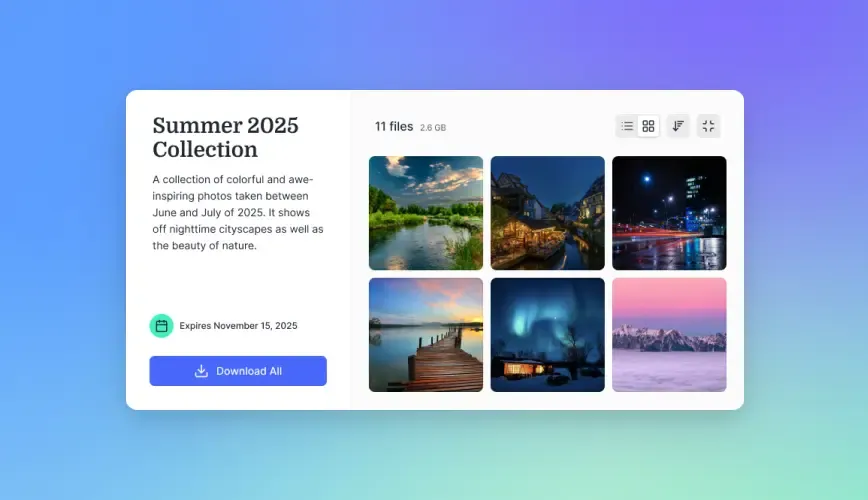
One industrial machinery firm transitioned to a centralized portal for managing their large assemblies. Their vendors were able to preview components without downloading gigabytes of data, which significantly cut their lead times. The ability to check dimensions and annotations in-browser meant suppliers could confirm requirements before committing to production, reducing rework by nearly half. This efficiency gain allowed the firm to move from design to first-article inspection 30% faster than their previous email-based process.
Key Features for Manufacturing Supplier Portals
Manufacturing portals need targeted features that handle the realities of production file exchange. Generic cloud storage often fails when faced with the unique demands of engineering data.
Large File Support and No Compression: Manufacturing CAD files are notoriously large, and multi-component assemblies can reach dozens of gigabytes. Email services block these outright, and many file-sharing platforms compress files to save space, which can damage the precision of CAD data. Fastio manages large files and streams CAD models without requiring suppliers to download the full file just to check dimensions.
Multi-Format Previews: Your suppliers should not need SolidWorks, AutoCAD, or Inventor licenses just to view drawings. A built-in viewer that renders STEP, IGES, DXF, and PDF files directly in the browser removes a significant barrier to entry. When a supplier's floor engineer can open a drawing on a tablet while standing at the machine, issues get caught before they become scrapped parts.
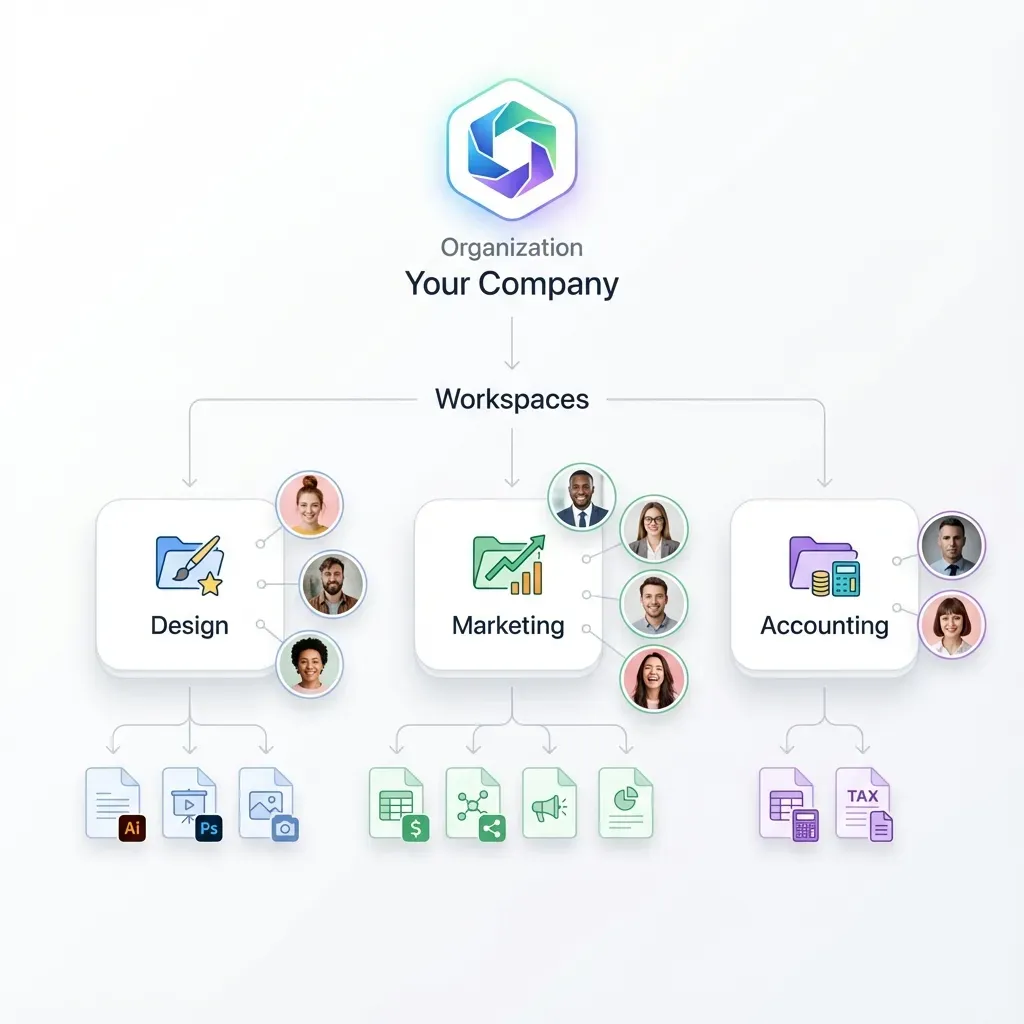
Structured Organization: Use workspaces to organize by project or program, with subfolders for Engineering Change Notices (ECNs), Production Part Approval Process (PPAP) documentation, and quality audits. A clear hierarchy lets suppliers find what they need without asking "which folder has the latest revision?" Organizing by part number and then breaking down by document type ensures the structure scales as your supplier roster grows.
Granular Permissions and Guest Access: Limit vendors to their specific files with role-based access. A supplier working on a dashboard module should not see drawings for the engine assembly. Fastio allows you to invite vendors as guests to specific folders, ensuring they only see what they need to see. This prevents information leaks and keeps each supplier focused on their specific scope of work.
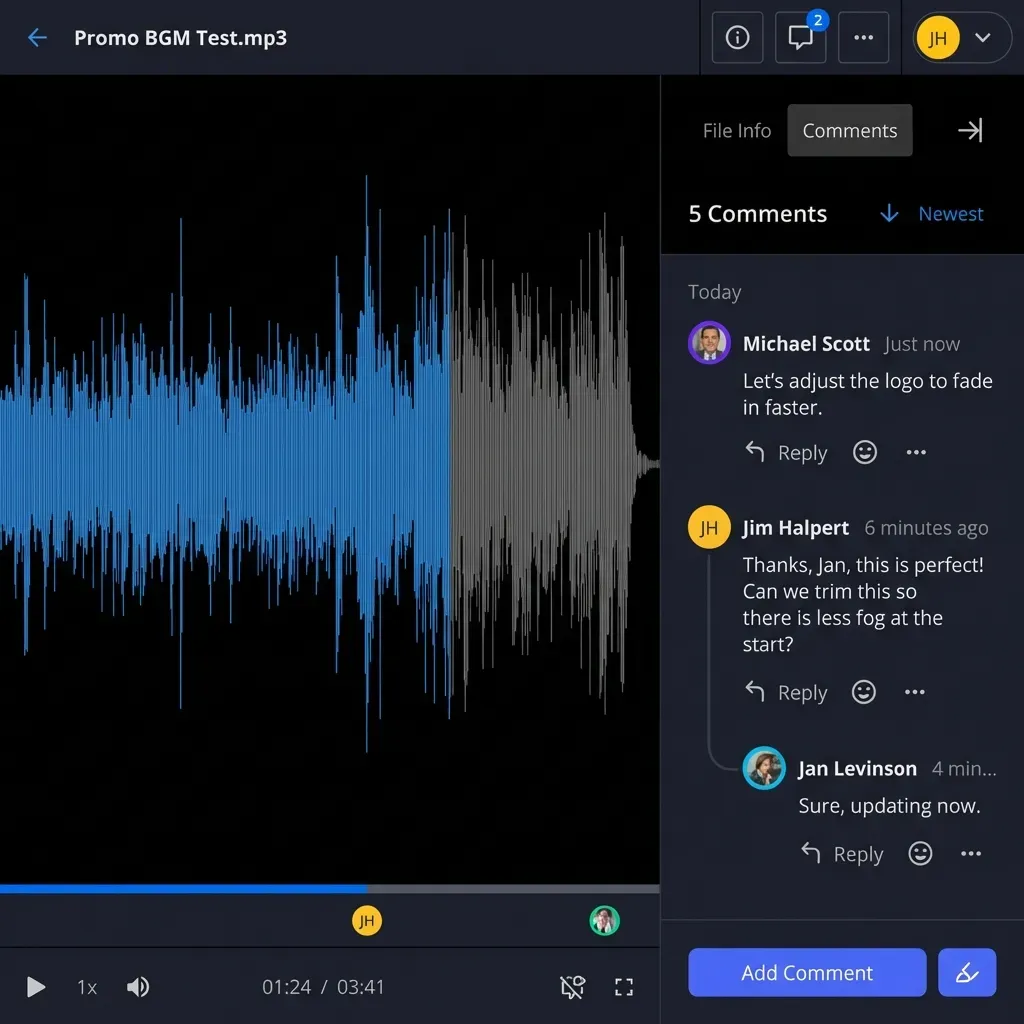
Detailed Audit Trails: Record every view, download, and upload for compliance and troubleshooting. When a quality issue surfaces, you need to prove which revision the supplier had access to and exactly when they downloaded it. This documentation is vital for internal problem-solving and customer audits. Quality management standards require documented processes, and audit trails provide the evidence of compliance.
Branded Portals for Professionalism: Add your company logo and brand colors to build trust. A polished, branded portal looks more professional than a generic cloud link. Suppliers take branded portals more seriously, and the professional appearance reinforces your position as a sophisticated, reliable buyer.
Evidence and Benchmarks: The Data-Driven Case for Portals
The shift toward digital supplier portals is not just a trend; it is backed by significant industry data that points to improved efficiency and reduced risk. Many manufacturers are currently in a transition phase, moving from manual legacy systems to automated digital hubs.
According to the Manufacturing Leadership Council, approximately 70% of manufacturers still collect data manually. This reliance on manual entry represents a massive competitive opportunity for companies that choose to digitize their supplier interactions. Manual data collection is slow, prone to human error, and lacks the real-time visibility needed for modern supply chain management.
Implementing a centralized supplier portal directly addresses the "human element" of data entry. Research from AQL Technologies shows that moving from email-based communication to a unified portal results in a 40% reduction in manual errors. By providing a standardized platform for file exchange, manufacturers eliminate the need for re-keying data from PDFs into ERP systems, which is where most errors occur.
Additional Benchmarks for Portal Implementation:
- 50% Faster Onboarding: Companies using self-service portals typically reduce the time it takes to onboard a new supplier by half.
- 40% Fewer Support Tickets: By providing a self-service dashboard for order status and file access, companies see a 40% drop in routine administrative inquiries.
- Real-Time Validation: Portals can flag errors, such as missing fields or invalid part numbers, the moment a supplier attempt to upload a file.
These metrics show that a supplier portal is a high-return investment. The cost savings from reduced scrap, fewer administrative hours, and faster time-to-market often pay for the platform within the first few months of operation.



Simplify Your Manufacturing Supply Chain
Build secure supplier portals with Fastio. Handle large CAD files, ensure version control, and reduce errors by 40%. Start your trial today.
Step-by-Step Guide to Build Your Portal
Building a professional supplier portal does not have to be a long engineering project. Using Fastio, you can set up a functional, secure portal in a single afternoon.
Portal Setup Checklist:
- Sign Up and Create an Organization: Start with a Fastio account. You can use the 14-day trial (credit card required) to test your workflow before scaling.
- Initialize Workspaces: Create a new workspace for each major project or high-volume supplier. For example, "Project X - Component Sourcing."
- Establish a Logical Folder Structure: Set up standard folders such as /Specifications, /Quality-Reports, /BOMs, and /Incoming-Submissions. Consistency across workspaces makes it easier for your team to manage multiple vendors.
- Upload Core Documentation: Drag and drop your CAD files, PDFs, and spreadsheets. Fastio handles the indexing and prepares the previews automatically.
- Configure Guest Access: Invite your suppliers as guests to their specific folders. You can set them as "Viewers" for specifications and "Contributors" for the submission folders.
- Apply Branding: Upload your company logo and set a custom background to ensure the supplier knows they are in the right place.
- Enable Advanced Tracking: Turn on activity logs to start recording downloads and views immediately.
- Set Up Notifications: Configure the workspace so your procurement and engineering teams get an alert whenever a supplier uploads new quality documentation.
- Test the Experience: View the portal through a guest link to ensure the permissions and previews work as expected.
- Scale with MCP Tools: For larger operations, use the Fastio MCP (Model Context Protocol) tools to automate workspace creation and file management directly from your internal scripts or AI agents.
Setup time is minimal. Once the first workspace is configured, you can duplicate the structure for new suppliers in seconds, making it easy to scale for hundreds of vendors.
Handling Manufacturing-Specific Files and Challenges
Manufacturing files present unique challenges that general-purpose portals often fail to address. Engineering data is heavy, complex, and highly sensitive.
Common Manufacturing File Formats Supported:
- 3D CAD Models: STEP (.stp, .step), IGES (.igs, .iges), Parasolid, and native formats from SolidWorks or Inventor.
- 2D Drawings: DXF, DWG, and multi-sheet layered PDFs.
- Production Data: CSV and Excel files for Bills of Materials (BOMs), plus specialized text formats for CNC G-code.
- Media Evidence: High-resolution inspection photos and 4K videos of first-article tests.
Edge Cases and Common Pitfalls:
Nested Archives and Large Folders: Suppliers often send or receive large ZIP archives containing hundreds of individual part files. A portal that cannot preview inside these archives forces the user to download and extract everything just to find one drawing. Fastio allows users to browse and preview files inside archives, saving time and bandwidth.
Managing Engineering Changes (ECNs): When a design changes, you need a way to ensure the supplier stops using the old version. A professional portal will allow you to "archive" old versions while keeping them for the audit trail, ensuring only the "Current" folder is visible to the shop floor.
Mobile Accessibility in the Factory: The person who catches a quality issue is often standing next to a machine on the shop floor. They may only have a smartphone or a rugged tablet. A manufacturing portal must be responsive and performant on mobile browsers. Fastio's web interface is optimized for speed, allowing users to verify a spec without walking back to a desktop computer.
Implementation Tip: If your suppliers operate in regions with poor internet connectivity, use the Fastio URL Import feature to pull large files directly from their existing cloud storage (like Google Drive or OneDrive) into your secure portal. This avoids the need for them to upload large files over a slow local connection.
Security and Intellectual Property Protection
Security is the most critical aspect of any supply chain interaction. Your manufacturing intellectual property (IP), including proprietary part designs, process trade secrets, and quality standards, is your competitive advantage.
Essential Security Best Practices:
Access Expiration: Set links to expire automatically when a project or contract ends. This prevents "orphaned" access where a former supplier still has a way to view your current engineering data.
Domain-Specific Invitations: Limit portal access to verified company email domains. For example, only allow users with @vendor-name.com email addresses to access a specific workspace. This prevents unauthorized personal email accounts from gaining access.
Disabled Downloads: For highly sensitive drawings, share them with downloads disabled, so suppliers can review a file in the browser without keeping their own copy.
Quarterly Access Reviews: Schedule regular audits of your user permissions. As people change roles or leave companies, their access should be revoked. A quarterly review ensures your permission list stays lean and secure.
Version History: Keep every revision of drawings and quality reports. When a supplier uploads a corrected file, the earlier version stays in the file's history, so quality engineers can compare revisions before the parts are allowed to ship.
Fastio provides the infrastructure for these security measures. Folder-level permissions prevent different suppliers from seeing each other's data, and detailed activity logs satisfy the security requirements of most aerospace, automotive, and medical device customers.
Integrating with the Modern Manufacturing Stack
A supplier portal should not be an isolated island of data. To maximize its value, it must integrate with your existing Enterprise Resource Planning (ERP) and Product Lifecycle Management (PLM) systems.
Modern manufacturing teams use automation to keep their portals in sync with their internal systems. For example, when a new purchase order is generated in your ERP, an automated script can create a corresponding folder in the Fastio portal and upload the necessary specs. This removes the manual step of "setting up the folder" and ensures that the supplier always has exactly what the purchase order requires.
Fastio's MCP tools allow your developers or AI agents to manage these interactions. You can build reactive workflows where an upload from a supplier triggers an update in your PLM system, marking a milestone as "Complete." This level of integration turns a simple file-sharing tool into a powerful coordination layer for your entire supply chain.
Steps for Successful Integration:
- Map Your Data Flow: Decide which system is the "source of truth" for different document types.
- Use the Events Feed: Subscribe to the workspace events feed to notify your internal systems whenever a supplier adds a file to the portal.
- Automate Folder Creation: Use the API to generate new supplier workspaces as soon as a contract is signed.
- Sync Quality Data: Automatically pull supplier-uploaded test results into your internal quality management system for analysis.
By treating the supplier portal as an integrated component of your digital factory, you reduce manual overhead and create a more responsive, transparent supply chain. This is the difference between simply "sharing files" and building a truly digital partnership with your vendors.
Sources
References used to verify factual claims in this guide.
-
70% of manufacturers still collect data manually.
-
70-80% of B2B decision-makers now prefer digital self-service.
-
Moving from email-based communication to a unified portal results in a 40% reduction in manual errors.
Frequently Asked Questions
What is a supplier portal for manufacturing files?
A supplier portal for manufacturing files is a secure, centralized platform used by companies to share CAD models, BOMs, and engineering specs with their vendors. Unlike email, it provides version control, audit logs, and high-fidelity previews for large engineering files.
How do supplier portals reduce manufacturing errors?
According to industry data, portals can reduce manual errors by up to 40%. They achieve this by ensuring suppliers only access the latest file revisions, eliminating manual data entry from PDFs, and providing real-time validation for uploaded documents.
What are the best vendor file exchange options for manufacturing?
While generic tools like Box or SharePoint exist, specialized solutions like Fastio are better for manufacturing because they handle large files without compression and provide native browser previews for CAD formats like STEP and IGES.
Can Fastio handle massive CAD assemblies?
Yes. Fastio supports large files and streams them without the destructive compression used by other services. This ensures that the precision of your CAD data is maintained throughout the supply chain.
Why is version control so important in a supplier portal?
Using the wrong revision of a drawing can lead to part scrap and production delays. A portal ensures the "current" version is the only one available, automatically notifying suppliers when an update is made and removing access to obsolete files.
Do my suppliers need a Fastio account to use the portal?
No. You can invite suppliers as guests to specific folders, allowing them to view and upload files without the friction of creating and managing a new account.
How can I protect my intellectual property in a vendor portal?
Use features like link expiration, domain-specific access restrictions, and disabled downloads. Fastio also provides detailed audit logs so you can see exactly who viewed or downloaded your sensitive files.
How long does it take to set up a manufacturing supplier portal?
With Fastio, a basic portal can be configured in a few minutes. You can create a workspace, set up a folder structure, and invite your first supplier guest using a branded link almost immediately.
What percentage of manufacturers still use manual data processes?
Research from the Manufacturing Leadership Council shows that 70% of manufacturers still enter and collect data manually, representing a significant opportunity for companies to gain a competitive edge through digitization.
Can I automate my supplier portal with my ERP system?
Yes. Using Fastio's MCP tools and API, you can automate workspace creation and file synchronization, ensuring your portal always reflects the current state of your ERP and PLM systems.
Related Resources

Simplify Your Manufacturing Supply Chain
Build secure supplier portals with Fastio. Handle large CAD files, ensure version control, and reduce errors by 40%. Start your trial today.