How to Manage Fastio File Metadata with Drizzle ORM
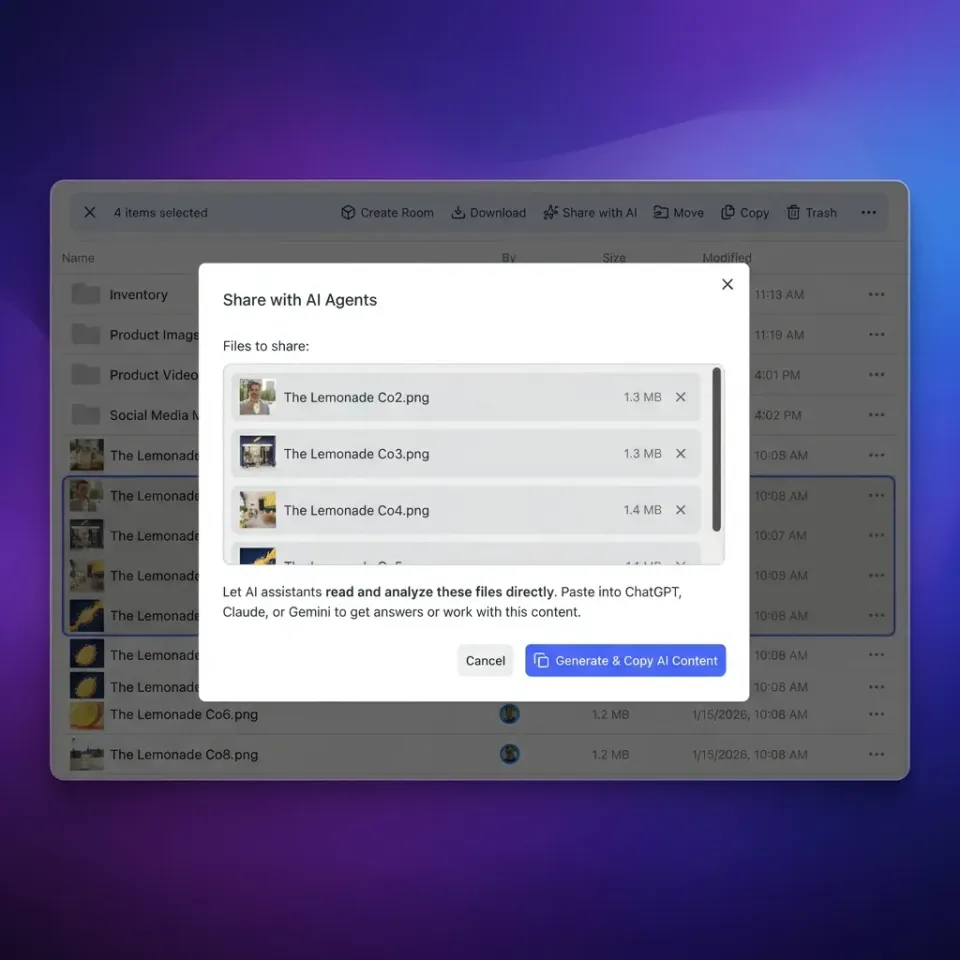
Managing Fastio file metadata with Drizzle ORM lets developers store and query agent workspace data in Postgres with full type safety. This approach syncs file details like IDs, sizes, and AI states from the Fastio API to a local database. Caching metadata reduces repeated API calls and enables complex relational queries beyond API limits.

Why Cache Fastio File Metadata Locally?
Fastio workspaces store files for agentic teams, with metadata like file IDs, names, sizes, MIME types, timestamps, and AI processing states. Querying this data directly via the API works for simple cases. But for frequent access, analytics, or joining with other data, API rate limits and latency add up.
Local caching in Postgres cuts API dependency. Drizzle ORM provides 100% TypeScript type safety for schema and queries. Developers gain relational power, like joining file metadata with user activity or custom tags.
This setup supports agent workflows. Agents upload files, metadata syncs automatically, and queries run locally for speed.
Related guides
- How to Manage Fastio File Metadata with Prisma ORMManaging Fastio file metadata with Prisma ORM involves setting up a schema matching Fastio's file and workspace IDs....
- How to Manage Custom File Metadata with Fastio APICustom file metadata in Fastio allows developers to attach application-specific key-value pairs to files to improve...
- How to Extract File Metadata with PowerShell on WindowsPowerShell ships with every Windows 10 and 11 machine, making it the fastest way to read file metadata without...
- 7 Best Free Online File Metadata ViewersA hands-on comparison of seven free browser-based metadata viewers. Each tool is tested for format support, file size...
- How to Extract File Metadata with Python LibrariesPython has more than ten mature libraries for reading metadata from files, each specialized for different formats. This...
- How to Edit and Extract XMP Metadata from Any FileXMP (Extensible Metadata Platform) is the ISO standard for embedding structured metadata in files like PDFs, images,...
More on this subject: Agent File and Document Workflows (325 guides)
Set Up Drizzle ORM with Postgres
Install Drizzle and Postgres driver:
npm install drizzle-orm pg
npm install -D drizzle-kit @types/pg
Configure drizzle.config.ts:
import type { Config } from 'drizzle-kit';

export default {
  schema: './src/schema.ts',
  out: './drizzle',
  dialect: 'postgresql',
  dbCredentials: {
    url: process.env.DATABASE_URL!,
  },
} satisfies Config;
Set DATABASE_URL in .env. Run npx drizzle-kit generate:pg and npx drizzle-kit push:pg to apply schema.


Build agent workspaces with persistent metadata?
Get generous storage and included credits. needed for agents.
Define Drizzle Schema for Fastio Files
Map Fastio storage nodes to a files table. Key fields from API: node_id (opaque string), workspace_id (profile ID), name, size_bytes, mime_type, created_at, updated_at, type ('file'), ai_state ('ready', etc.), version_id.
import { pgTable, text, bigint, timestamp, varchar, pgEnum } from 'drizzle-orm/pg-core';

const aiStateEnum = pgEnum('ai_state', ['disabled', 'pending', 'in_progress', 'ready', 'failed']);

export const files = pgTable('files', {
  id: text('node_id').primaryKey(), // Fastio opaque node ID
  workspaceId: text('workspace_id').notNull(),
  parentId: text('parent_id'), // Folder node ID
  name: varchar('name', { length: 256 }).notNull(),
  path: text('path'), // Computed full path
  sizeBytes: bigint('size_bytes', { mode: 'number' }),
  mimeType: varchar('mime_type', { length: 128 }),
  type: varchar('type', { length: 10 }).notNull().default('file'), // file/folder/note
  aiState: aiStateEnum('ai_state'),
  versionId: text('version_id'),
  createdAt: timestamp('created_at').notNull(),
  updatedAt: timestamp('updated_at').notNull(),
});

export type File = typeof files.$inferSelect;
This schema matches Fastio responses. Generate migrations with Drizzle Kit.

Fetch Metadata from Fastio API
Authenticate with API key (Bearer token). List files recursively or by cursor.
Example fetch workspace files:
async function fetchWorkspaceFiles(workspaceId: string, token: string, parentId = 'root') {
  let cursor = '';
  const allFiles: any[] = [];
  do {
    const url = `https://api.fast.io/current/workspace/${workspaceId}/storage/${parentId}/list/?page_size=500&sort_by=updated&sort_dir=desc${cursor ? `&cursor=${cursor}` : ''}`;
    const res = await fetch(url, { headers: { Authorization: `Bearer ${token}` } });
    const data = await res.json();
    if (data.result) {
      allFiles.push(...data.response.filter((item: any) => item.type === 'file'));
      cursor = data.pagination.next_cursor;
    }
  } while (cursor);
  return allFiles;
}
Handle pagination with next_cursor. Filter type === 'file'.
Sync Metadata to Drizzle with Upserts
Use Drizzle transactions for atomic upserts. Map API fields to insert.
import { db } from './db';
import { files } from './schema';
import { eq } from 'drizzle-orm';

async function syncFiles(workspaceFiles: any[]) {
  await db.transaction(async (tx) => {
    for (const file of workspaceFiles) {
      await tx.insert(files)
        .values({
          id: file.node_id.
          workspaceId: workspaceId.
          parentId: file.parent_id.
          name: file.name.
          sizeBytes: BigInt(file.size_bytes),
          mimeType: file.mime_type.
          type: file.type.
          aiState: file.ai?.state.
          versionId: file.version.
          createdAt: new Date(file.created_at),
          updatedAt: new Date(file.updated_at),
        })
        .onConflictDoUpdate({
          target: files.id.
          set: {
            parentId: file.parent_id.
            name: file.name.
            // ... other fields
            updatedAt: new Date(file.updated_at),
          },
        });
    }
  });
}
Run on a schedule or trigger from the Fastio WebSocket events feed or activity polling.
Query Cached Metadata with Drizzle
Leverage type-safe queries for analytics.
Recent ready files:
const recentReadyFiles = await db.select()
  .from(files)
  .where(and(
    eq(files.aiState, 'ready'),
    gt(files.updatedAt, new Date(Date.now() - 24*60*60*1000))
  ))
  .orderBy(desc(files.updatedAt));
Joins for folder structure or workspace stats.
This enables dashboards, agent decisions based on local data.
Sources
References used to verify factual claims in this guide.
-
Drizzle ORM provides 100% type safety for TS developers.
Frequently Asked Questions
How do I store Fastio file IDs in a database?
Use the opaque `node_id` as primary key text column. Upsert on ID to handle updates. Include `workspace_id` for multi-workspace support.
Can I use Drizzle ORM with external APIs like Fastio?
Yes, fetch API data then insert/upsert via Drizzle. Schema mirrors API response for type safety. Run syncs on schedules or via the WebSocket events feed.
What Fastio metadata fields to cache?
Core: node_id, name, size_bytes, mime_type, created_at, updated_at, ai_state, version_id, parent_id. Optional: preview_url, path.
How to handle Fastio pagination in sync?
Use cursor-based pagination with `next_cursor`. Loop until no cursor, collecting files across pages.
Does caching affect Fastio credits?
Local queries use no credits. Sync fetches consume bandwidth credits based on list response size.
Related Resources

Build agent workspaces with persistent metadata?
Get generous storage and included credits. needed for agents.