Luxury Real Estate Marketing: How to Present High-End Properties
Luxury real estate marketing goes beyond standard listing tactics. High-end properties need professional media production, curated digital experiences, and distribution strategies that match the expectations of affluent buyers. This guide covers the full marketing workflow from media creation to client delivery.

What Makes Luxury Real Estate Marketing Different
Selling a $2 million home is not the same as selling a $400,000 starter. The buyer pool is smaller, the expectations are higher, and the marketing has to reflect the property's value before a prospect ever walks through the door.
Luxury home sales (properties above $1 million) represented roughly 6% of all U.S. residential sales in 2025, according to Mordor Intelligence. That smaller buyer pool means every impression counts more. You cannot rely on MLS syndication and a few iPhone photos to move a high-end listing.
The differences show up in three areas:
- Media quality. Luxury buyers expect professional photography, aerial drone footage, cinematic video tours, and 3D walkthroughs. A National Association of Realtors study found that listings with professional photography sell 32% faster.
- Buyer behavior. Affluent buyers often begin their search online and across borders. According to Colibri Real Estate, 60% of affluent buyers now discover homes through social media. Many are relocating from other cities or countries, so the digital presentation needs to carry the full weight of a first impression.
- Transaction complexity. High-end deals involve more stakeholders: attorneys, wealth advisors, inspectors, and sometimes multiple family members. Marketing materials need to be shareable, organized, and accessible without friction.
The core idea behind luxury real estate marketing is simple: present the property at the level the buyer expects to live in it.
Helpful references: Fastio Workspaces, Fastio Collaboration, and Fastio AI.
Related guides
- How to Build a Real Estate Social Media Marketing Strategy That Generates LeadsReal estate agents who invest in social media marketing generate more qualified leads than those who rely on MLS...
- How to Create and Share Real Estate 3D Tours That Actually Drive ShowingsA real estate 3D tour is an interactive, navigable digital model of a property that lets prospective buyers explore...
- How to Deliver Real Estate Drone Photography to ClientsMost real estate drone photography guides cover flight planning and camera settings but skip the hardest part: getting...
- Best Real Estate Marketing Tools for Agents and BrokeragesReal estate marketing tools help agents and brokerages create listings, distribute property content, manage client...
- Real Estate Video Marketing: A Practical Guide for AgentsGuide to real estate video marketing: Listings with video get 403% more inquiries, yet fewer than 40% of agents use...
- AI for Real Estate Agents: Tools That Actually Save TimeReal estate agents spend roughly a quarter of their workweek on admin, from document prep to photo delivery. This guide...
More on this subject: Real Estate (21 guides)
Building a Professional Media Package
The media package is the foundation of any luxury listing campaign. Before you think about distribution channels or ad spend, the raw assets need to be right.
Professional Photography
Hire a real estate photographer who specializes in high-end properties. This is not the place to cut costs. Expect to pay $500 to $2,000 for a full shoot depending on the property size and market. The photographer should capture:
- Wide-angle shots of every room with natural and staged lighting
- Detail shots of premium finishes, fixtures, and architectural features
- Exterior shots at golden hour and twilight
- Aerial drone photography showing the property, grounds, and neighborhood context
Video Production
Video tours are no longer optional for luxury listings. A 2-3 minute cinematic walkthrough gives remote buyers a sense of flow and proportion that photos cannot convey. For properties above $5 million, consider a lifestyle video that shows the home in use: someone cooking in the kitchen, swimming in the pool, enjoying the view from the terrace.
Budget $2,000 to $10,000 for video production depending on complexity. Include aerial footage, smooth gimbal tracking shots, and professional color grading.
3D Virtual Tours
Platforms like Matterport let you create interactive 3D walkthroughs that buyers can navigate at their own pace. This is especially valuable for out-of-area buyers who want to explore the property before scheduling a physical visit. Matterport's Digital Pro package includes photography, floor plans, and a 3D tour in one shoot.
Floor Plans and Site Maps
Detailed, professionally rendered floor plans help buyers understand the layout without visiting. For estate properties, include a site map showing outbuildings, pools, gardens, and property boundaries.
The total media investment for a luxury listing typically runs $5,000 to $25,000. On a $3 million listing, that is less than 1% of the sale price.
The Digital Delivery Problem
Here is where most luxury real estate marketing guides stop: they cover the photography, staging, and maybe some social media tips. But they skip the delivery experience entirely, and that is a real gap.
A typical luxury listing generates 2-5 GB of media assets. Professional photos in RAW or high-resolution JPEG, drone footage in 4K, Matterport scans, video tours, and floor plan PDFs. Getting those assets to the right people, without compression or friction, is harder than it should be.
What Usually Goes Wrong
- Email attachments cap out at 25 MB. You cannot email a 4K video tour.
- WeTransfer and similar tools compress files and links expire. The buyer's agent downloads a degraded version, or the link dies before the client sees it.
- Google Drive and Dropbox work but look generic. A shared Google Drive folder with 47 files does not match the presentation quality of a $4 million listing.
- MLS uploads compress images and strip metadata. The photos that looked stunning on your photographer's screen arrive at the buyer's agent looking flat.
What Luxury Buyers Actually Expect
When a prospective buyer or their agent receives property materials, the experience should feel curated. That means:
- Full-resolution media with no compression
- Organized folders (Photos, Video, Floor Plans, Documents)
- A branded presentation that reflects the listing agent's professionalism
- Streaming video that plays instantly rather than requiring a download
- Access controls so confidential documents (inspection reports, disclosures) reach only qualified prospects
Setting Up Branded Client Portals
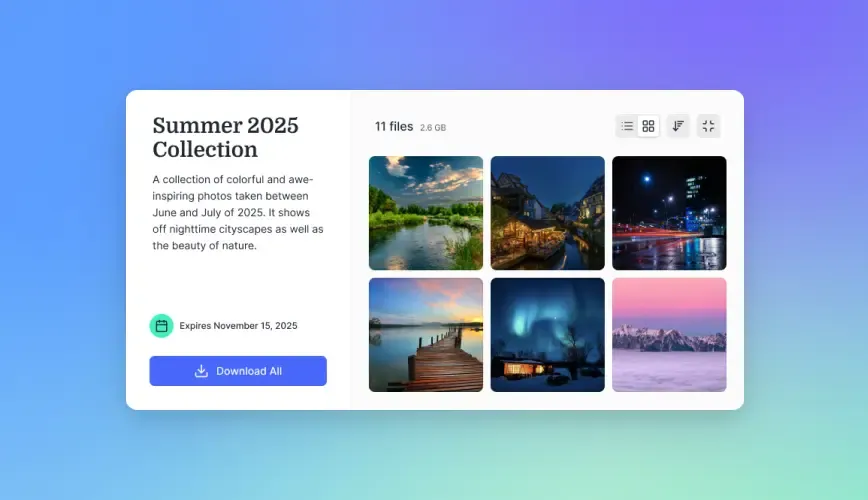
A branded client portal solves the delivery problem by giving each listing or buyer a dedicated, professional space for all property materials. Instead of sending a Dropbox link, you send a branded portal that looks like an extension of your brokerage.
Several platforms offer this capability. FileCloud and Clinked provide white-label portals with branding. SuiteDash combines client portals with CRM features. Fastio takes a workspace-based approach where you can create branded shares with full-resolution file delivery, HLS video streaming, and granular access controls.
What to Look for in a Portal
Solution - Branding. Your logo and colors. The portal should look like yours, not like a file storage app.
- Large file support. The platform should handle multi-gigabyte video files without compression. Fastio supports chunked uploads for large files and streams video through HLS, so buyers watch property tours instantly rather than downloading massive files.
- Access controls. Not every prospect should see every document. You want the ability to share marketing photos publicly while restricting inspection reports and financial disclosures to serious buyers.
- Inline previews. Buyers should be able to view photos, watch videos, and read PDFs directly in the browser without downloading anything.
- Activity tracking. Know when a prospect viewed the materials, which files they opened, and how long they spent. This is actionable intelligence for follow-up timing.
Organizing a Listing Portal
Structure the portal like a physical presentation book:
- Overview with the listing summary, price, and key features
- Photography organized by room or area
- Video Tours including the cinematic walkthrough and drone footage
- Floor Plans and Specifications with room dimensions and lot details
- Documents for disclosures, inspection reports, and HOA materials (restricted access)
- Neighborhood with local amenities, schools, and market data
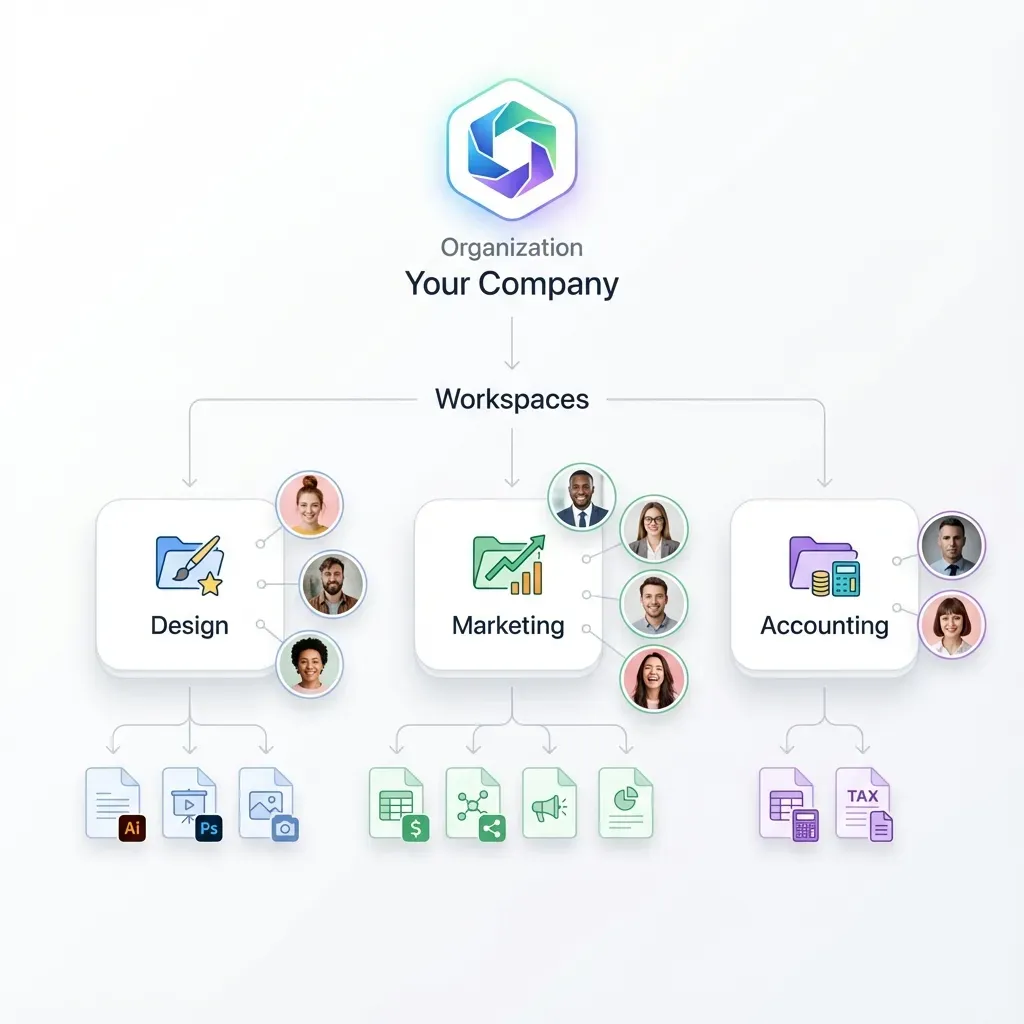
Fastio's workspace model fits this structure well. You create a workspace for the listing, organize files into folders, enable Intelligence Mode so buyers can search across all documents, and then create branded shares for different audiences. One share for public marketing materials, another restricted share for qualified buyers who need access to financials.


Build Branded Portals for Your Luxury Listings
Deliver full-resolution photography, 4K video tours, and property documents through a branded client portal. Workspaces keep listing materials organized with access controls and activity tracking. Built for luxury real estate marketing workflows.
Distribution Channels for Luxury Listings
Once your media package is ready and your delivery infrastructure is set up, you need to get the listing in front of the right buyers. Luxury distribution looks different from standard real estate marketing.
Custom Property Websites
For listings above $2 million, a standalone property website is standard practice. This is a single-page or multi-page site dedicated entirely to one listing. Include professional photos in a gallery, an embedded video tour, floor plans, neighborhood information, and a contact form. Platforms like Luxury Presence and AgentImage specialize in these.
The property website becomes the hub that all other marketing channels link back to.
Social Media Strategy
Social media is where 60% of affluent buyers discover homes, but the approach differs by platform:
- Instagram is the primary channel. Use carousel posts for photo sets, Reels for short video tours, and Stories for behind-the-scenes staging content. Instagram's visual format matches luxury property marketing naturally.
- YouTube for full-length video tours. These rank in Google search results and give remote buyers a complete walkthrough. Optimize titles for search: "Tour This $3.5M Modern Estate in Scottsdale" performs better than "New Listing Alert."
- Facebook still reaches older affluent demographics effectively. Use targeted ads with custom audiences based on income, net worth, and interests.
- TikTok is growing fast for real estate. Short, informal property tours with trending audio reach a younger luxury demographic. Millennials and Gen Z now make up 43% of high-end purchases according to the Institute for Luxury Home Marketing.
Print and Direct Marketing
Digital dominates, but print still matters in luxury. High-quality property brochures, direct mail to targeted neighborhoods, and placements in luxury lifestyle magazines (Robb Report, Architectural Digest, duPont Registry) reach buyers who respond to physical media.
Broker Networks and Private Listings
Some luxury properties never hit the public market. Private listing networks like The Agency's proprietary network, Compass Private Exclusives, and local broker-to-broker channels move high-end properties discreetly. Networking at luxury real estate events and maintaining relationships with top-producing agents in feeder markets is essential.
International Reach
For ultra-luxury properties, international marketing is standard. Portals like Mansion Global, James Edition, and LuxuryEstate.com syndicate to global audiences. If the property has appeal for international buyers, translate key materials and consider time-zone-appropriate virtual showings.
Measuring What Works
Luxury real estate marketing budgets are significant, and you need to know what is driving results. Track these metrics for every listing:
Portal and website analytics. Monitor unique visitors, time on page, file views, and video play-through rates. If buyers are watching 80% of the video tour, it is working. If they bounce after 10 seconds, the opening needs work. Platforms like Fastio provide audit trails that show exactly when prospects accessed materials and which files they viewed.
Lead source tracking. Tag every inquiry with its source: property website, Instagram, Zillow, broker referral, print ad, or portal link. After a few listings, patterns emerge. You might find that Instagram drives awareness but broker referrals close deals.
Days on market. The ultimate metric. Luxury homes averaged 75 days on market in 2025, according to Redfin data. If your listings consistently beat that benchmark, your marketing is performing. If they lag, audit each channel's contribution.
Cost per qualified showing. Divide your total marketing spend by the number of qualified in-person showings. This tells you how efficiently your marketing converts interest into real engagement.
Engagement depth. Look beyond views. How many prospects opened the floor plans? Watched the full video? Accessed the restricted documents section? Deeper engagement signals a more serious buyer.
Iterating Between Listings
After each sale, review what worked:
- Which media assets got the most engagement?
- Which distribution channel produced the buyer?
- Did the branded portal improve the presentation? Did agents comment on it?
- Where did prospects drop off?
This data compounds over time. Agents who track performance across listings develop an increasingly precise marketing playbook for their market.
Sources
References used to verify factual claims in this guide.
-
Luxury segments above $1,000,000 comprise roughly 6% of total U.S. residential sales
-
60% of affluent buyers now discover homes via social media
-
Millennials and Gen Z buyers now make up 43% of high-end purchases
-
Million-dollar homes averaged 75 days on market in 2025
Frequently Asked Questions
How do you market luxury real estate?
Start with professional media: hire a specialist photographer, produce a cinematic video tour, and create 3D virtual walkthroughs. Build a standalone property website. Distribute through Instagram, YouTube, targeted Facebook ads, print placements in luxury magazines, and broker networks. Deliver materials through a branded client portal so the presentation matches the property's value.
What makes luxury real estate marketing different from standard marketing?
Three things separate luxury from standard: media quality expectations are much higher (professional photography, drone footage, 4K video), the buyer pool is smaller and more geographically dispersed (requiring digital-first presentations), and the transaction involves more stakeholders who all need access to organized materials.
How do you attract luxury home buyers?
Focus on where affluent buyers spend time: Instagram, YouTube, and luxury lifestyle publications. Build a personal brand that signals expertise in the luxury segment. Network with wealth advisors, attorneys, and relocation specialists who refer high-net-worth clients. For international buyers, list on global portals like Mansion Global and James Edition.
What platforms do luxury real estate agents use?
Common platforms include Luxury Presence or AgentImage for property websites, Matterport for 3D tours, Instagram and YouTube for social distribution, and branded portal solutions like Fastio, FileCloud, or Clinked for secure media delivery. For CRM, Follow Up Boss and Wise Agent are popular choices.
How much should you spend on luxury real estate marketing?
A typical luxury listing marketing budget runs $5,000 to $25,000 covering professional photography, video production, 3D tours, a property website, print materials, and digital advertising. On a $3 million listing, that represents less than 1% of the sale price. The investment pays for itself through faster sales and stronger final prices.
What is the average days on market for luxury homes?
Luxury homes averaged 75 days on market in 2025, though this varies dramatically by location. Seattle luxury properties sold in as few as six days, while Miami high-end homes averaged 114 days. Effective marketing with professional media and organized digital delivery typically reduces time on market compared to listings that rely on MLS photos alone.
Related Resources

Build Branded Portals for Your Luxury Listings
Deliver full-resolution photography, 4K video tours, and property documents through a branded client portal. Workspaces keep listing materials organized with access controls and activity tracking. Built for luxury real estate marketing workflows.