How to Set Up a Legal Due Diligence Workspace
A legal due diligence workspace is a centralized digital environment where legal teams review, organize, and share documents during transactions or investigations. Setting up an effective workspace requires solid planning for security, access controls, and collaboration tools. This guide walks through establishing a workspace that supports efficient document review while maintaining the confidentiality that legal matters require.


What Is a Legal Due Diligence Workspace?
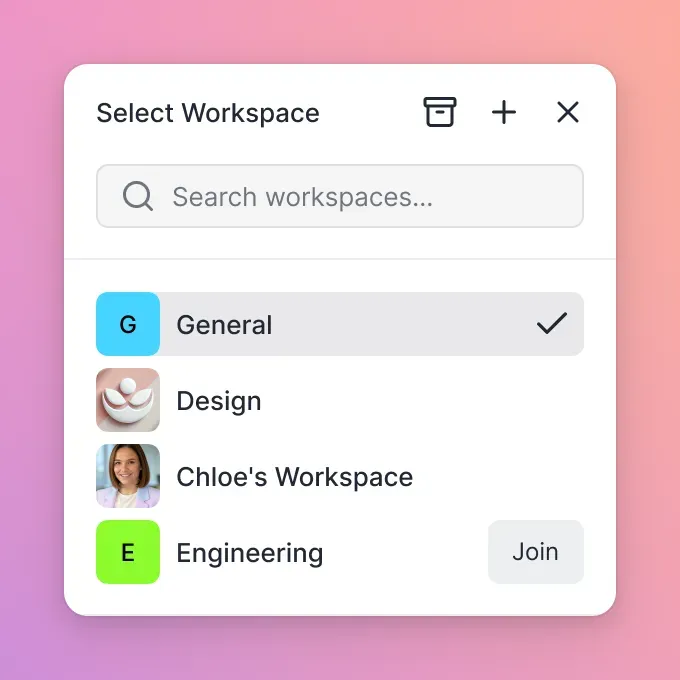
A legal due diligence workspace organizes document review and sharing during transactions, investigations, or compliance reviews. Unlike standard file folders, a due diligence workspace provides structured environments where legal teams can upload, categorize, and collaboratively examine thousands of documents while maintaining strict access controls.
Due diligence reviews now take place almost entirely digitally. Rather than physical document rooms with paper copies, legal teams use cloud-based workspaces that allow multiple reviewers to access materials simultaneously from different locations. This speeds up reviews and skips the hassle of in-person document checks.
The primary purpose of a dedicated workspace is to create a single source of truth. Everyone working on the matter sees the same documents, same version history, and same access permissions. This eliminates confusion over which documents have been reviewed and ensures that new materials are immediately available to all authorized participants.
Related guides
- Legal Transaction Management: Coordinating Corporate Deals, Closings, and Due DiligenceCorporate closings require strict coordination across outside counsels, financing partners, and corporate executives....
- How to Build a Law Firm Client PortalLaw firm client portals give clients secure access to case documents. They replace risky email attachments and personal...
- Modern Law Firm Technology: Building an AI-Ready Document HubLegacy document management was built for local servers and paper files, not for attorneys working across offices with...
- Legal Data Rooms: Secure File Disclosures, Due Diligence, and AuditsA legal data room is a controlled, access-restricted repository used by attorneys and corporate counsel to share...
- How to Set Up a Secure Legal Document Exchange PortalA step-by-step operational guide to structuring a secure portal for legal document exchange. Learn how to organize...
- OneDrive for Law Firms: Setting Up a Secure Legal WorkspaceImplementing OneDrive for law firms requires strict security configurations and standardized matter templates to...
More on this subject: Legal Teams (211 guides)
How to Structure Your Due Diligence Workspace
Before uploading any documents, take time to design your workspace structure. A clean hierarchy makes it easier for reviewers to find materials and reduces the learning curve for new team members joining mid-matter.
Start by identifying the main categories relevant to your review. For corporate transactions, common categories include corporate formation documents, financial statements, material contracts, intellectual property records, litigation history, and employment agreements. Map these categories to a folder structure that reviewers can navigate intuitively.
Consider creating separate workspaces for different purposes if your matter involves distinct phases or stakeholder groups. For example, you might maintain one workspace for the deal team working on substantive review and a separate data room for external advisors or counterparty access. This separation lets you control exactly what each group sees without complicated permission layering.
Set up naming conventions early and apply them consistently. Standardized file names that include date, document type, and version indicator make sorting and searching much easier as the document collection grows. Document your naming conventions in a readme file at the root of the workspace so everyone has reference.


Ready to speed up your legal workflows?
Fastio offers secure workspaces with granular permissions, audit logs, and collaboration tools for legal teams. Get started with the trial.
Configuring Access Controls and Security
Legal due diligence involves sensitive information that needs strict access management. Your workspace should support granular permissions so you can control exactly who can view, edit, download, or share materials.
Begin by defining your access groups. Typical structures include deal lead (full access), senior reviewers (view and comment), junior reviewers (view with tracking), and external counsel or advisors (limited view). Map each person to the appropriate access level based on their role in the matter.
Enable audit logging to track who accessed what documents and when. This serves both security purposes and helps matter managers identify bottlenecks in the review process. If a reviewer has not accessed recently uploaded materials, the activity log makes that visible.
For particularly sensitive documents, consider additional protections such as watermarking, view-only restrictions, or expiring access links. These features prevent unauthorized sharing and ensure that materials remain controlled even after they leave the workspace.
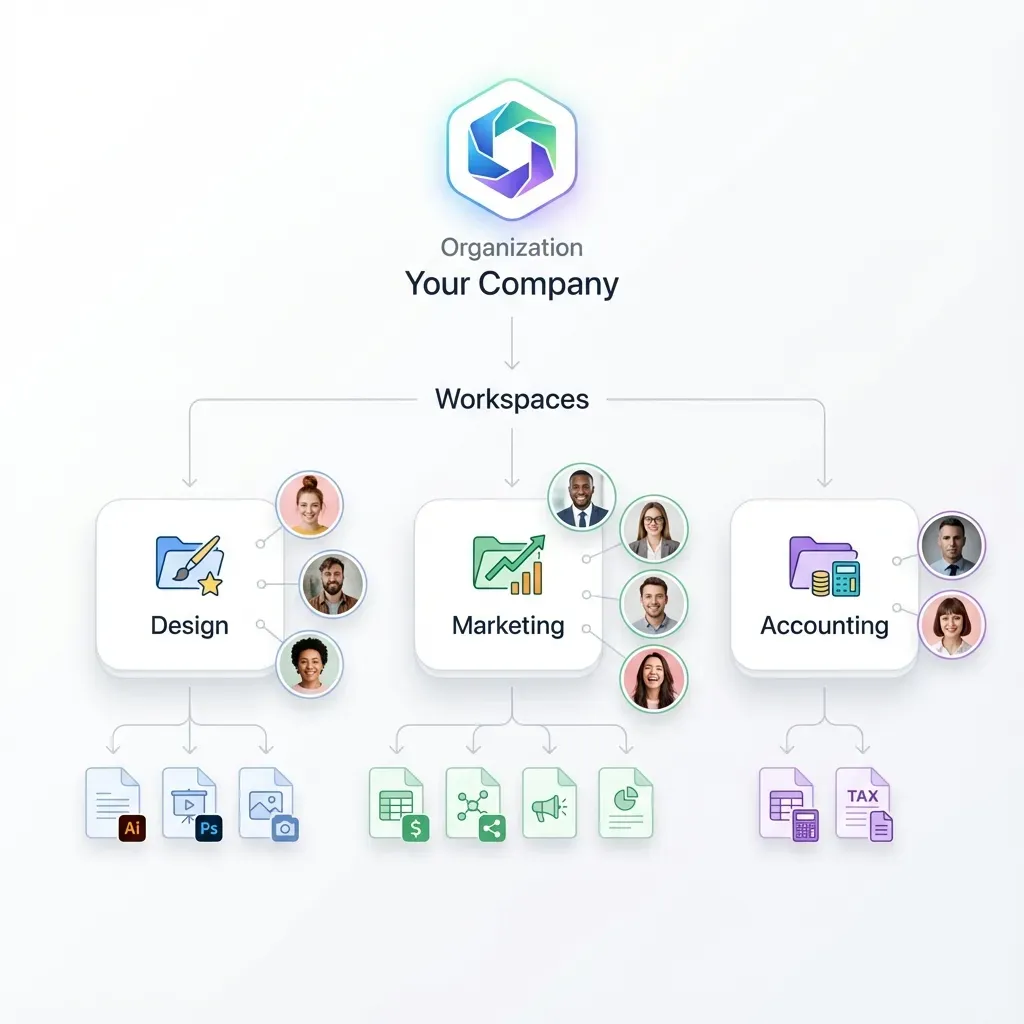
Fastio provides granular permissions at the organization, workspace, folder, and file levels, along with comprehensive audit logs that track views, downloads, and permission changes. These features support the security requirements that legal matters demand. For teams handling sensitive matters, Fastio also offers data rooms with deal intelligence and branded portals for professional external presentations.
Organizing Documents for Efficient Review
The way you organize documents directly impacts review efficiency. A well-organized workspace reduces the time reviewers spend searching for materials and ensures nothing falls through the cracks.
Upload documents in batches rather than individually to maintain chronological organization. Group materials by source, date, or category depending on what makes most sense for your matter. Create a tracking document or spreadsheet that maps your workspace folders to the document categories you are reviewing.
Use metadata and tagging where available to add searchable context. Many legal review workflows benefit from tagging documents by type, date range, counterparty, or review status. This additional context becomes valuable as the document collection grows beyond what manual navigation can efficiently support.
Plan for document additions throughout the review process. Build slack into your folder structure so new materials can be added without disrupting the existing organization. Communicate clearly with all team members about where new documents will appear and when.
Intelligence features like semantic search can help reviewers find relevant documents even when they do not remember exact file names. Rather than searching by keywords, reviewers can describe what they are looking for in natural language and receive results based on meaning rather than exact matches. Fastio workspaces include Intelligence Mode that automatically indexes files for this capability.
Enabling Collaboration Among Review Team Members
Effective due diligence requires collaboration among multiple reviewers working on the same materials. Your workspace should support real-time coordination without creating version control problems or communication gaps.
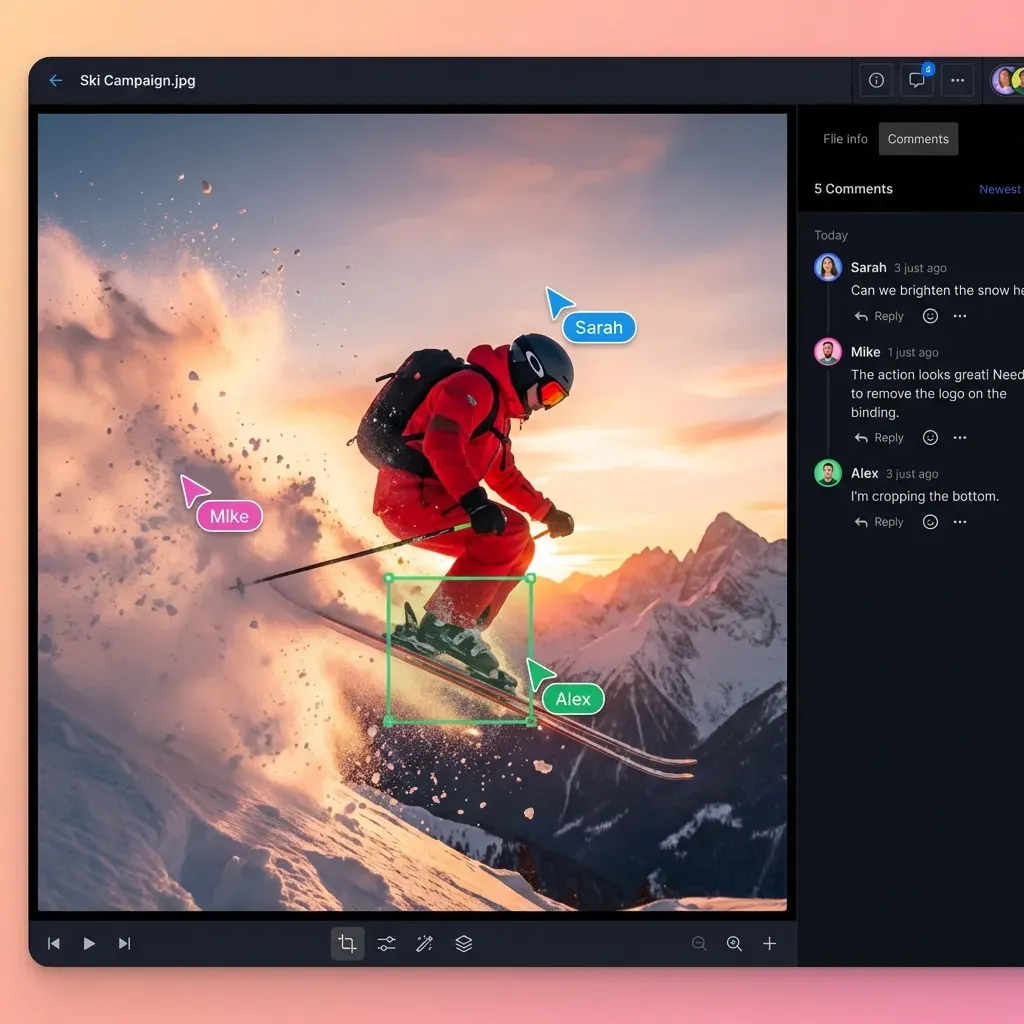
Use contextual comments to have discussions directly on documents rather than through separate communication channels. When a reviewer notes a concern on a specific contract clause, that observation stays attached to the document where it belongs. Other reviewers see the comment in context and can respond or add follow-up observations.
Implement a review status workflow so team leads can track progress across the document collection. Reviewers mark documents as reviewed, flagged for follow-up, or requiring senior review. This visibility helps matter managers allocate work efficiently and identify areas needing additional attention.
Schedule regular sync meetings to discuss findings rather than relying on asynchronous communication alone. Use the workspace to prepare for these meetings by flagging documents that warrant group discussion. Bring relevant materials up on screen during meetings so everyone references the same documents simultaneously.
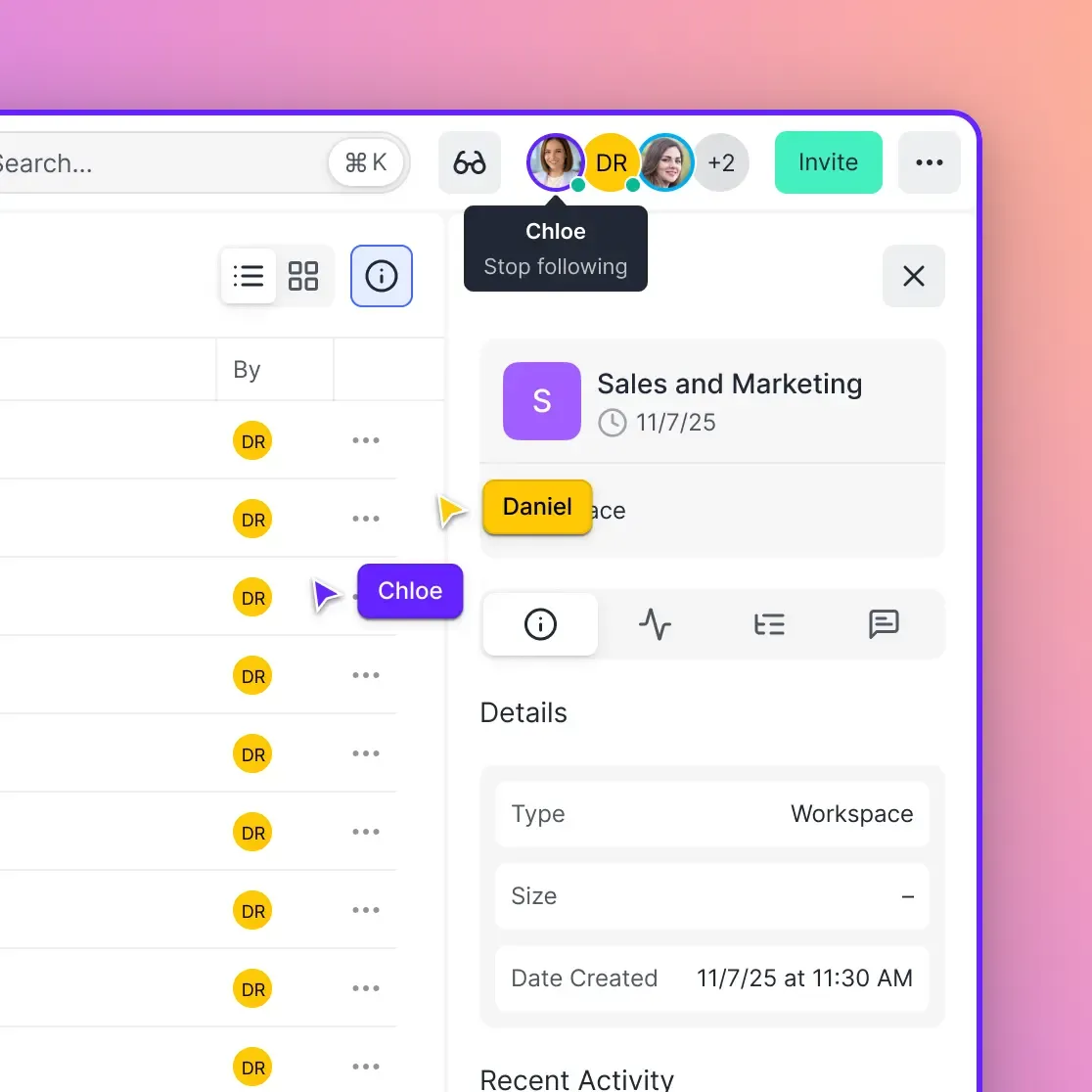
Fastio supports real-time presence indicators showing who is currently viewing a workspace, along with follow mode that lets team members sync their view to another user. These features eliminate the common frustration of wondering whether teammates are looking at the same documents. Learn more about collaboration features that Fastio provides.
Managing External Access and Data Rooms
Legal due diligence often involves external parties including opposing counsel, financial advisors, regulators, and potential buyers or investors. Managing external access needs close attention to confidentiality and procedures.
Create separate shared folders or restricted workspaces for external access rather than granting broad access to internal materials. External parties should see only what they need for their specific role in the transaction or matter.
Use branded portals when sharing with external parties to present a professional appearance and reinforce your organization's identity. A branded data room communicates professionalism and attention to detail, which matters in high-stakes transactions.
Track external engagement with your materials. Data room analytics showing which documents external parties viewed, how long they spent reviewing materials, and what they downloaded provide valuable intelligence about counterparty interest and due diligence priorities.
Be prepared to revoke access quickly if circumstances change. Fastio data rooms support one-click access revocation, allowing you to immediately cut off external access when deal terms change or parties are no longer involved.
Best Practices for Ongoing Workspace Management
A due diligence matter can last weeks or months, and workspace management practices that work initially may become inadequate as the volume of materials grows. Establish good habits from the start and adapt as needed throughout the process.
Conduct regular cleanup to remove outdated versions and consolidate redundant files. Document collections have a tendency to grow organically, and periodic pruning keeps the workspace manageable. Archive materials that are no longer actively reviewed rather than leaving them mixed with current documents.
Maintain backup copies of critical documents outside the primary workspace. While cloud storage provides redundancy, keeping independent backups of the most important materials protects against accidental deletion or permission errors.
Document your workspace setup and any deviations from standard practices. This documentation helps if team members change during the matter and provides a reference for post-matter analysis of what worked well and what could improve.
Plan for post-matter transition. Determine in advance how long materials will remain accessible after the matter closes, who will retain access, and how the workspace will be archived or deleted. Having this plan in place prevents confusion when the matter concludes.
Frequently Asked Questions
How do I set up a legal due diligence workspace?
Start by creating a dedicated workspace in your file management system, then organize folders by document category relevant to your review such as formation documents, contracts, financial records, and litigation history. Configure access controls for different team roles, enable audit logging, and establish naming conventions that all reviewers will follow.
What are the best tools for legal due diligence?
The best due diligence tools combine secure storage, granular permissions, collaboration features, and audit capabilities. Fastio provides workspaces with organization-owned files, granular permissions at file and folder levels, real-time collaboration features, comprehensive audit logs, and data rooms for external sharing. These features support the security and workflow requirements legal matters demand.
How long does typical due diligence take?
Traditional due diligence reviews typically span four to six weeks for straightforward transactions and longer for complex matters. The duration depends on the volume of documents, the complexity of the issues, and the size of the review team. Digital workspaces speed up reviews compared to physical document rooms.
What access controls should I implement for due diligence workspaces?
Implement role-based access controls with distinct levels for deal leads, senior reviewers, junior reviewers, and external advisors. Enable audit logging to track document access, and consider additional protections like watermarking or view-only restrictions for the most sensitive materials. Review access permissions regularly as team composition changes.
How do I manage external parties in a due diligence workspace?
Create separate shared folders or restricted workspaces for external access rather than granting broad internal access. Use branded data room portals for professional presentation, track external engagement with analytics, and maintain the ability to revoke access quickly. This approach keeps external interactions controlled and visible.
Can AI tools help with legal due diligence document review?
AI-powered search and summarization tools can accelerate document review by helping reviewers find relevant materials faster and understand document contents more efficiently. Semantic search allows reviewers to find documents by describing what they need rather than remembering exact keywords. Smart summaries can provide quick overviews of long documents. Fastio includes built-in intelligence features that auto-index workspace files for semantic search and AI-powered chat with citations.
Related Resources

Ready to speed up your legal workflows?
Fastio offers secure workspaces with granular permissions, audit logs, and collaboration tools for legal teams. Get started with the trial.