How to Integrate the Fastio API with n8n Workflows
Guide to integrate fast api with n8n workflows: Connect n8n workflows to Fastio's API to automate file storage and collaboration for agentic teams. n8n suits technical teams linking to Fastio's REST API via HTTP Request nodes. This guide covers authentication, node configuration and examples for uploads, activity polling and AI queries.

Why Integrate Fastio API with n8n?
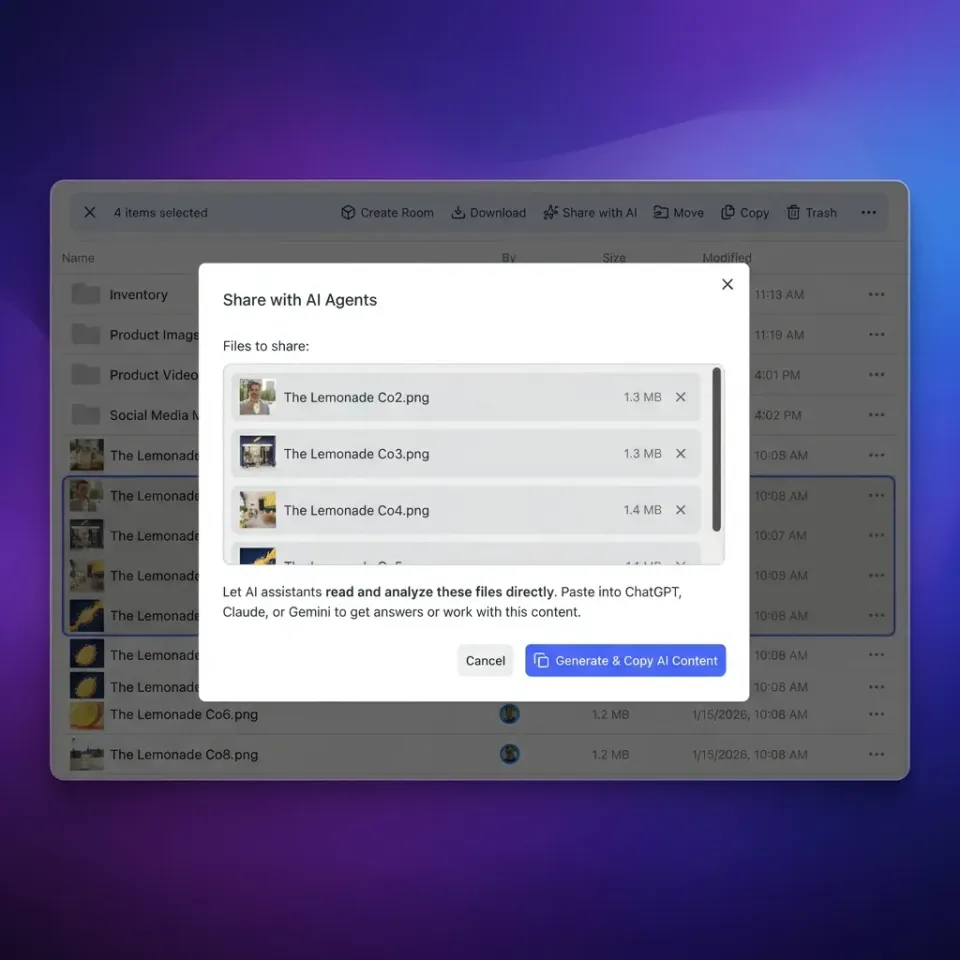
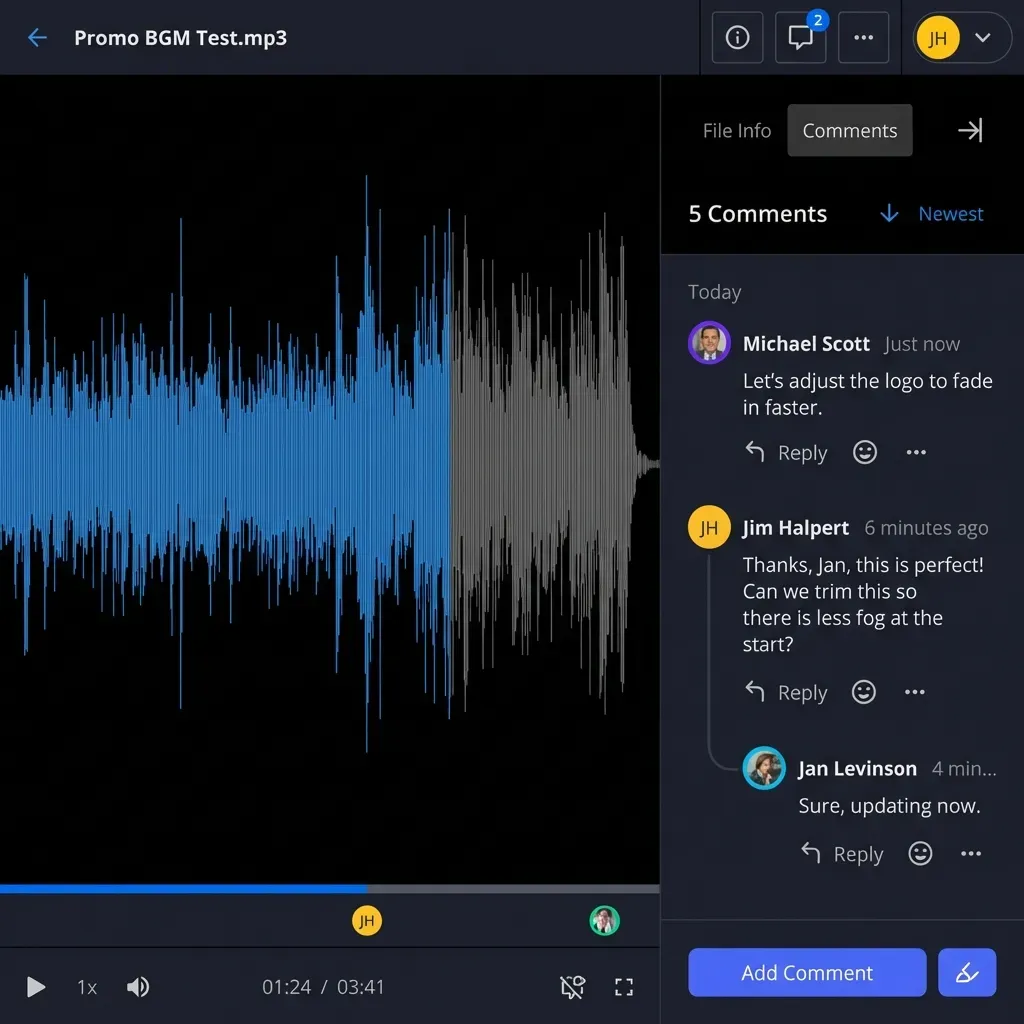
Fastio provides intelligent workspaces for agentic teams, with file versioning, semantic search, RAG-powered AI chat, and activity feeds for tracking events.
Use n8n low-code workflows to work with these features.
Common use cases:
- Automatically upload files from forms or emails to Fastio workspaces.
- Poll Fastio activity feeds to track file changes and trigger downstream actions.
- Query workspace documents with AI and summarize results.
- Build pipelines where new uploads start processing chains.
n8n has no dedicated nodes for Fastio. This guide covers the HTTP Request setups.
Helpful references: Fastio Workspaces, Fastio Collaboration, and Fastio AI.
Related guides
- How to Integrate Fastio API with CrewAI WorkflowsSet up Fastio API with CrewAI workflows to create a shared workspace for agents. They upload outputs, acquire advisory...
- How to Integrate Fastio API with LangChain ToolsConnect Fastio's API to LangChain tools. AI agents then get lasting file storage, RAG across multiple files, and...
- How to Automate Perplexity Personal Computer Workflows with n8nPerplexity Personal Computer is an always-on AI agent with access to your local files and apps. n8n is an open-source...
- Best n8n Tools for AI Agents: Top 10 Nodes for 2026n8n changed AI automation with its visual workflow builder. We rank the best nodes and integrations for building...
- How to Connect Box to n8n for AI Agent WorkflowsBuilding an n8n Box integration for AI agent workflows allows autonomous systems to query enterprise repositories...
- How to Connect Dropbox to n8n AI Agents and WorkflowsConnecting an n8n AI agent directly to Dropbox using standard node loops forces workflows to download entire binary...
More on this subject: Agent Integrations and APIs (191 guides)
What to check before scaling Integrate Fastio API with n8n workflows
- Create a Fastio account at Fastio (Business Trial includes storage and AI credits).
- Generate an API key: Log in, go to Settings > API Keys, create a new key.
- Set up an n8n instance (cloud or self-hosted).
- Know the n8n HTTP Request node and basic JSON handling.
Create Your First Workspace
Use the API to create a workspace:
curl -H "Authorization: Bearer YOUR_API_KEY" \\
     https://api.fast.io/current/org/me/workspaces/ \\
     -d "folder_name=my-n8n-workspace" \\
     -d "name=n8n Integration Test"
Note the workspace ID from the response.
Authenticate Fastio API in n8n
Fastio uses Bearer token authentication with API keys or JWTs.
Recommended: API Key (long-lived)
- In n8n, add HTTP Request node.
- Authentication: Header Auth.
- Name: Authorization
- Value: Bearer {{$node["Set API Key"].json["api_key"]}}
Alternative: JWT via Basic Auth
- HTTP Request: GET
https://api.fast.io/current/user/auth/ - Authentication: Basic Auth (email/password).
- Extract JWT from response: {{$json["auth_token"]}}
- Use in subsequent nodes.
Store API key in n8n credentials for security.



Start Automating with Fastio and n8n
Start a 14-day Business Trial with API access. Build workflows that connect Fastio to over 1,300 n8n apps with persistent storage and versioning.
Configure HTTP Request Node for Fastio
Fastio API base URL: https://api.fast.io/current/
Example: List Workspaces
- Method: GET
- URL:
/org/me/workspaces/ - Headers: Authorization (Bearer), Content-Type: application/x-www-form-urlencoded (for POST)
- Most endpoints use form-encoded bodies; comments use JSON.
Node Setup:
- Node Type: HTTP Request
- URL:
https://api.fast.io/current/{{endpoint}}(e.g.,org/me/workspaces/) - Method: GET/POST/PUT/DELETE per docs
- Authentication: Header Auth > Name:
Authorization> Value:Bearer {{api_key}} - Send Headers: Yes > Add
Content-Type: application/x-www-form-urlencoded - Send Body: Yes (POST) > Body Content Type: Form-Data or Form-UrlEncoded
- Response Format: JSON
- Ignore SSL Issues: No (production)
Test with GET /ping/ (no auth).
Example Workflow: Upload File on Webhook Trigger
Build a workflow triggered by a form submission that uploads to Fastio.
- Webhook Trigger: Listen for POST with file data.
- Set Node: Prepare form data:
parent_id=root,name={{$json.file.name}} - HTTP Request (Start Upload): POST
/upload/start/with file details (size, content_type). - Chunk Loop: For large files, chunk and upload via
/upload/chunk/. - HTTP Request (Complete): POST
/upload/complete/to finalize. - Respond to Webhook: Return share link.
For small files (< 4 MB): Direct upload via storage endpoints.
Handling Chunked Uploads
Fastio supports chunked uploads up to 25 GB on the Starter plan, 50 GB on Business and 100 GB on Enterprise. Use n8n Loop node for parallel chunks.
Example Workflow: Poll Fastio Activity Events
Fastio provides an activity feed endpoint you can poll for file events (upload, modify, access).
- Schedule Trigger: Poll Fastio at regular intervals.
- HTTP Request: GET
/workspace/{id}/activity/to fetch new events. - Switch Node: Route by event type (e.g., file uploaded).
- AI Chain: Query new file with Fastio AI endpoint.
- Email Node: Summarize and send.
Activity Endpoint: Call /workspace/{id}/activity/ or listen to the WebSocket feed.
Advanced: AI Queries and Ownership Transfer
AI Document Query:
POST /workspaces/{id}/ai/chat/ with type=chat_with_files, files_scope=nodeId:versionId.
Ownership Transfer: For agent-built workspaces, generate transfer token and email claim URL to human.
Monitor credits: GET /org/me/billing/usage/limits/credits/.
Sources
References used to verify factual claims in this guide.
-
Fastio offers a 14-day Business Trial
-
over 1,300 n8n apps
Frequently Asked Questions
Does Fastio integrate natively with n8n?
No native node, but full integration via HTTP Request node using Fastio's REST API and Bearer auth.
How to use Fastio API in n8n HTTP node?
Set URL to `https://api.fast.io/current/{endpoint}`, Header Auth Bearer token, form-urlencoded body.
How to trigger n8n workflows from Fastio events?
Use n8n Schedule trigger to poll Fastio workspace activity endpoints for events like file uploads.
What plans does Fastio offer for API integrations?
Fastio offers Starter, Business, and Enterprise plans, alongside a 14-day Business Trial requiring a credit card.
Related Resources

Start Automating with Fastio and n8n
Start a 14-day Business Trial with API access. Build workflows that connect Fastio to over 1,300 n8n apps with persistent storage and versioning.