How to Design Hybrid Human-AI Agent Workflows
Hybrid human-AI workflows integrate agent autonomy with human oversight for reliable outcomes. By keeping humans in the loop for critical decisions while automating routine tasks, teams can reduce error rates and handle edge cases that purely autonomous agents miss. This guide covers three core design patterns, implementation steps, and how to use shared workspaces to manage state between humans and agents.
What Are Hybrid Human-AI Workflows?
Hybrid human-AI workflows are systems where artificial intelligence agents and human operators collaborate to complete a process. Unlike fully autonomous automation, these workflows explicitly design points of interaction where control passes between the agent and the human. This approach balances the speed and scale of AI with the judgment, context, and ethical reasoning of humans.
In a hybrid model, the agent is not just a tool waiting for commands, nor is it a black box running in isolation. It is a collaborator that shares state, files, and objectives with human team members. This collaboration typically follows one of three patterns: the human acts as a Checker (verifying output), a Supervisor (monitoring ongoing processes), or a Driver (directing the agent's actions).
Why This Matters Now
As agents move from chat interfaces to executing complex tasks, reliability becomes the primary bottleneck. Purely autonomous agents can fail silently or hallucinate when they encounter novel data. Hybrid systems mitigate this risk by inserting human judgment at critical failure points.
Helpful references: Fastio Workspaces, Fastio Collaboration, and Fastio AI.
Core Hybrid Design Patterns
Successful hybrid workflows typically follow one of these three architectural patterns. Choosing the right one depends on your tolerance for latency and the cost of errors.
1. The Human-in-the-Loop (HITL)
In this "Checker" pattern, the agent performs a task but must receive explicit human approval before finalizing the output or taking an external action (like sending an email or deploying code).
- Best for: High-stakes actions, content moderation, financial transactions.
- Flow: Agent drafts work → Pauses for approval → Human reviews/edits → Agent executes.
- Mechanism: Blocking calls. The agent waits for a "release" signal.
2. The Human-on-the-Loop (HOTL)
In this "Supervisor" pattern, the agent operates autonomously but reports its status in real-time. The human monitors the stream of actions and can intervene to pause or redirect the agent if it deviates from the goal.
- Best for: Long-running research tasks, data migration, monitoring systems.
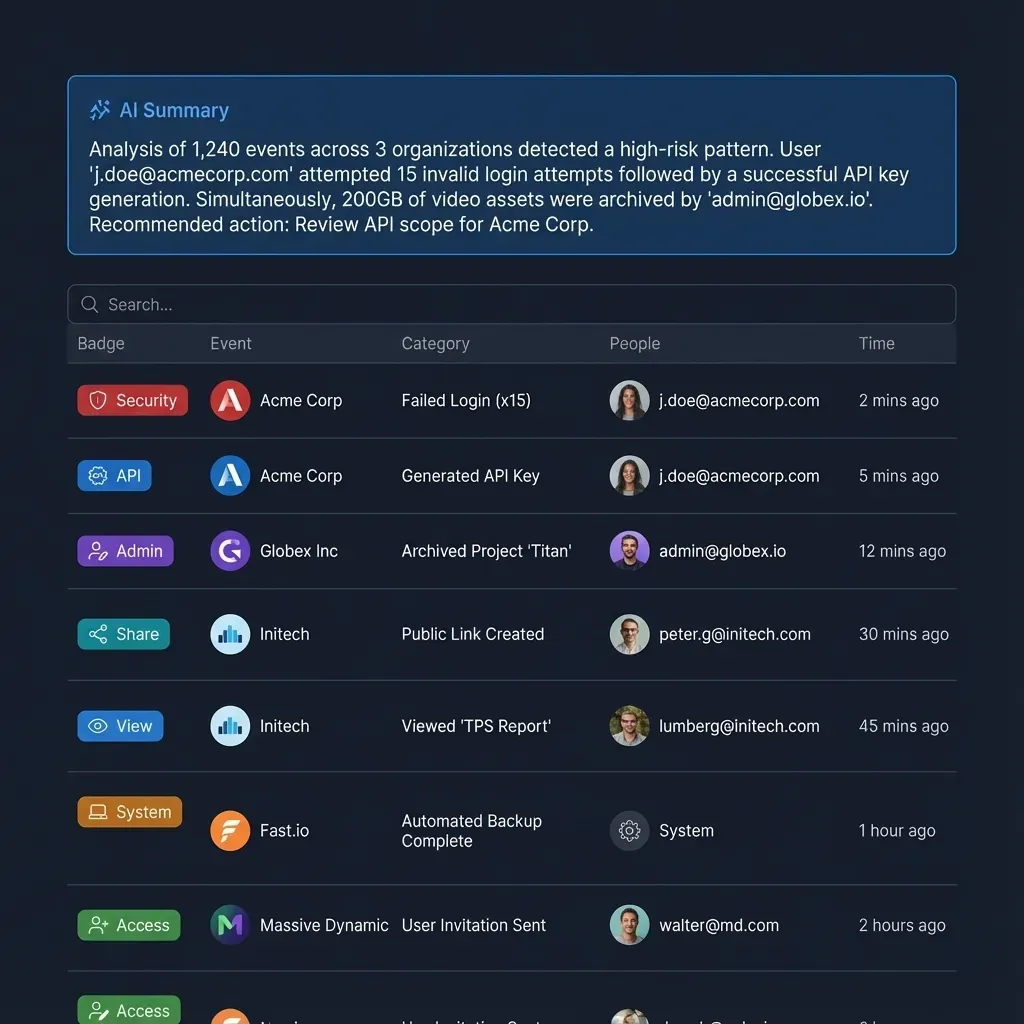
- Flow: Agent works continuously → Logs actions → Human monitors dashboard → Intervenes only on exception.
- Mechanism: Non-blocking streams. The agent proceeds unless a "halt" signal is received.
3. The Human-in-Command
In this "Driver" pattern, the human breaks a complex goal into sub-tasks and dispatches them to agents. The agents return results, and the human synthesizes them to decide the next step.
- Best for: Creative work, complex problem solving, coding.
- Flow: Human Scopes Task → Agent Executes Sub-task → Human Reviews & Refines → Next Task.
- Mechanism: Iterative loops. The human drives the state machine.
Evidence and Adoption
The shift toward hybrid systems is driven by the need for accuracy. While autonomous agents are fast, they lack the ground-truth reliability of human experts.
According to Appinventiv, integrating human feedback loops in retrieval-augmented generation (RAG) systems can reduce hallucination rates by multiple-multiple%. This massive improvement in reliability makes hybrid workflows essential for enterprise production environments where accuracy is non-negotiable.
Adoption is scaling rapidly. An Allganize survey indicates that nearly multiple% of business leaders plan to adopt AI agents within the next year. Most of these initial deployments will be hybrid, relying on human oversight to bridge the gap between prototype and production reliability.


Build Reliable Agent Workflows Today
Get a shared workspace where humans and agents collaborate on the same files. Free 50GB storage and 251 MCP tools included. Built for hybrid human agent workflows workflows.
How to Build a Hybrid Workflow (Step-by-Step)
Designing a hybrid workflow requires more than just connecting an LLM to tools. You must architect the "handshake" between human and machine.
1. Define the Handoff Point Identify the exact moment where the agent's confidence drops or the risk of error spikes. This is your "handoff node." Common examples include:
- Before sending external communications.
- When a generated file exceeds a specific size variance.
- When semantic search relevance scores fall below a threshold.
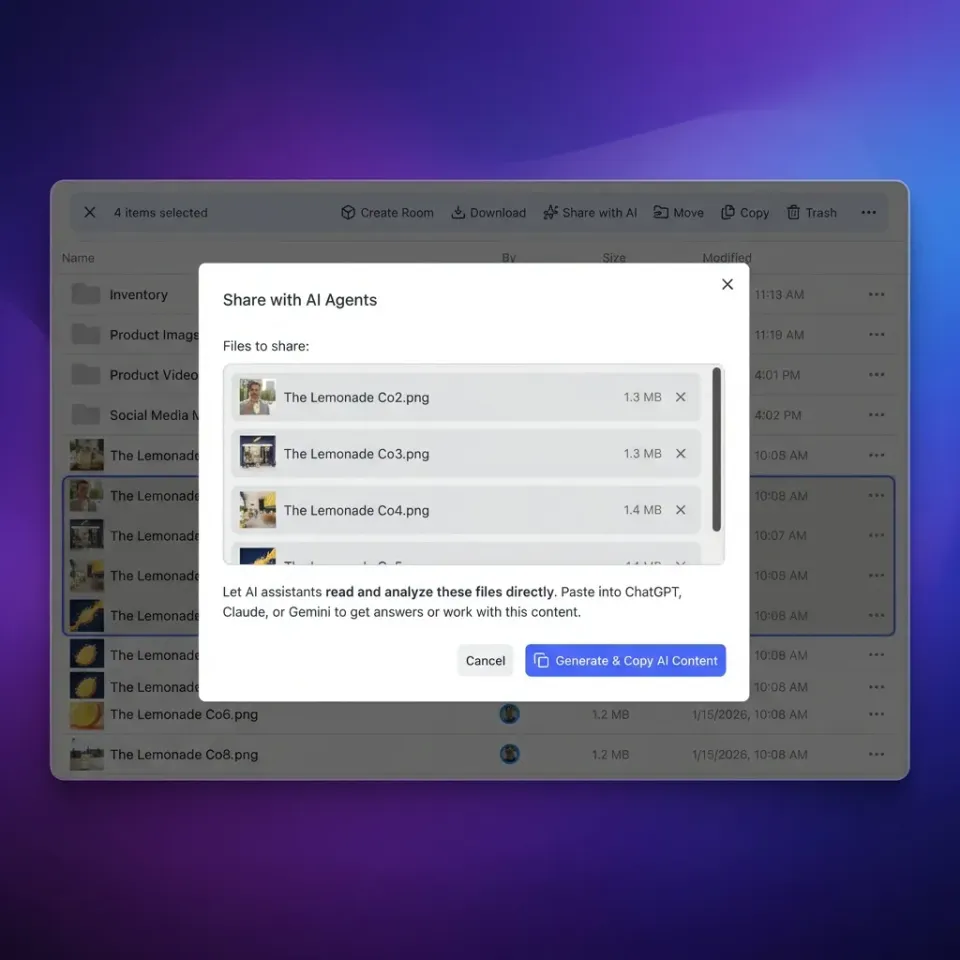
2. Establish Shared State Both the agent and the human need access to the same context. In Fastio, this is achieved through Shared Workspaces. Unlike chat interfaces where context is lost when the window closes, a shared workspace allows agents to read, write, and organize files in the same directory structure humans use.
3. Configure the Signal Mechanism How does the agent ask for help?
- Passive Signal: The agent places a file in a
/reviewfolder. - Active Signal: The agent uses an MCP tool to send a webhook or notification.
- Metadata Signal: The agent tags a file with
status: needs_review.
4. Implement the Feedback Loop When the human corrects the agent, that correction must be captured. If a human edits a draft document, the agent should be able to diff the original and the final version to update its internal context or system prompt for the next run.
Solving the Ownership Problem
A common gap in agent platforms is ownership. Who owns the work the agent creates? If an agent builds a client portal or organizes a sensitive dataset, you need to ensure that ownership can be transferred to a human administrator.
Fastio handles this through Ownership Transfer. An agent can provision a complete workspace, populate it with data, configure permissions, and then transfer full administrative ownership to a human user. This allows agents to act as "builders" or "setup wizards" that hand off a fully functional environment to a human owner, ensuring long-term control and security compliance.
Document access rules, audit trails, and retention policies before rollout so staging results are repeatable in production. This avoids late surprises and helps teams debug issues with confidence.
Technical Implementation Details
When building these workflows on Fastio, you use specific features to manage concurrency and state.
File Locks for Concurrency In a hybrid system, a human might try to edit a file while an agent is processing it. Fastio supports file locking, allowing an agent to "check out" a file, process it, and "check in" the result. This prevents race conditions where human edits are overwritten by agent automation.
MCP Tools for Agency Fastio provides multiple Model Context Protocol (MCP) tools. These tools give agents the ability to manipulate the file system with the same granularity as a human user. Agents can create directories, move files, search content, and read metadata, making them fully capable citizens of the shared workspace.
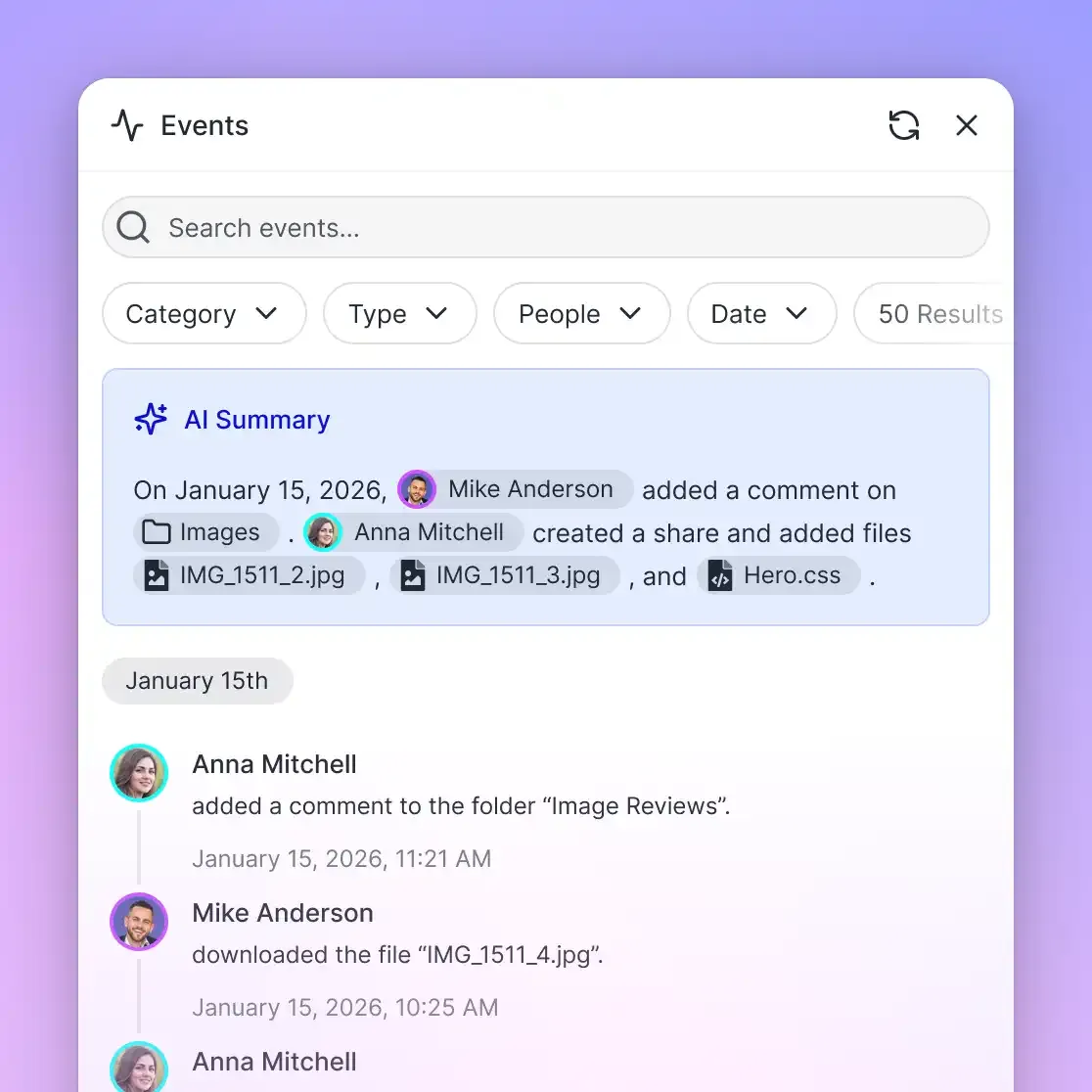
Intelligence Mode By enabling Intelligence Mode, the shared workspace becomes searchable by meaning. This allows the human to ask natural language questions about the work the agent has done ("Show me all the contracts the agent flagged as high risk") without needing to manually open every file.
Frequently Asked Questions
What is a human-in-the-loop (HITL) agent?
A human-in-the-loop (HITL) agent is an AI system designed to pause its execution at critical decision points to request human approval or input. This pattern ensures that high-stakes actions, such as sending emails or deploying code, are verified by a human expert before completion, reducing the risk of errors.
How do hybrid workflows improve AI accuracy?
Hybrid workflows improve accuracy by filtering AI output through human judgment. By having humans review uncertain or low-confidence results, the system catches hallucinations and logic errors that the AI might miss. Studies show this collaborative approach can reduce error rates by over multiple% compared to fully autonomous systems.
What is the difference between HITL and HOTL?
HITL (Human-in-the-Loop) requires a human to actively approve actions before they happen, acting as a gatekeeper. HOTL (Human-on-the-Loop) allows the system to run autonomously while a human monitors the process in real-time, intervening only if the system deviates from the expected behavior or encounters an exception.
Can agents transfer ownership of their work to humans?
Yes, on platforms like Fastio, agents can create workspaces and files and then transfer full administrative ownership to a human user. This is essential for workflows where an agent sets up a project or environment that is subsequently managed and legally owned by a human team member.
Related Resources

Build Reliable Agent Workflows Today
Get a shared workspace where humans and agents collaborate on the same files. Free 50GB storage and 251 MCP tools included. Built for hybrid human agent workflows workflows.