How to Build a Franchise Document Portal That Keeps Every Location Compliant
A franchise document portal centralizes the distribution of operations manuals, franchise disclosure documents, training materials, and compliance paperwork to franchisees across every location. This guide covers how to structure your portal, which documents to include, how to handle FDD compliance timelines, and which tools work best for multi-location franchise systems.


What Is a Franchise Document Portal?
A franchise document portal is a centralized platform where franchisors distribute operations manuals, franchise disclosure documents, training materials, and compliance paperwork to franchisees across multiple locations. Instead of emailing PDFs or mailing binders, the franchisor maintains a single source of truth that every franchisee can access.
This matters because franchise systems generate a lot of paperwork. The average franchise system manages 50 or more document types per location, from the initial FDD and franchise agreement through to ongoing training certifications, marketing guidelines, health and safety policies, and vendor contracts. Multiply that across dozens or hundreds of locations and you get a document management problem that email and shared drives can't solve.
A franchise document portal is different from generic cloud storage in a few important ways. First, it needs role-based access so franchisees only see documents relevant to their location or region. Second, it needs version control so that when you update the operations manual, every location gets the current version and nobody works from an outdated copy. Third, it needs an audit trail so you can prove which franchisees received which documents and when they accessed them.
That audit trail is especially important for regulatory compliance. Under the FTC's Franchise Rule (16 CFR Part 436), franchisors must provide a Franchise Disclosure Document containing 23 specific items to prospective franchisees at least 14 calendar days before signing any agreement. A portal with access logging makes it straightforward to demonstrate compliance with those timing requirements.
Helpful references: Fastio Workspaces, Fastio Collaboration, and Fastio AI.
Related guides
- How to Set Up an HOA Document Portal for Board Members and HomeownersAn HOA document portal is a secure online hub where homeowners associations share governing documents, meeting minutes,...
- How to Create an Upload Portal for ClientsAn upload portal is a dedicated web page where clients send files directly to your organization without needing an...
- How to Set Up a Client File Sharing Portal That Actually Gets UsedA client file sharing portal is a secure, branded digital space where businesses share files with clients, collect...
- How to Set Up a Project Delivery Portal for Client HandoffsA project delivery portal is a branded platform where agencies and service providers share final deliverables with...
- How to Send Video Without Losing QualitySending video without losing quality means transferring video files in their original format without compression that...
- 10 Best File Sharing Tools for Teams in 2026File sharing tools let teams upload, store, and share files over the internet. Remote teams share more files than...
More on this subject: File Sharing (155 guides)
Essential Documents Every Franchise Portal Should Include
Not every franchise system is identical, but most portals need to cover the same core categories. Here's what belongs in yours.
Pre-Sale Documents
- Franchise Disclosure Document (FDD) with all 23 required items
- Franchise agreement templates
- State-specific addenda (14 states require franchise registration)
- Territory maps and exclusive area definitions
- Financial performance representations (Item 19, if provided)
Operations Documents
- Master operations manual
- Standard operating procedures for daily tasks
- Brand standards guide (logos, colors, signage specifications)
- POS system setup and troubleshooting guides
- Inventory management procedures
- Vendor approved lists and ordering procedures
Training Materials
- New franchisee onboarding curriculum
- Employee training modules
- Food safety or industry-specific certifications
- Ongoing education and refresher courses
- Webinar recordings and workshop materials
Compliance and Legal
- Insurance requirements and certificates of coverage
- Health and safety inspection checklists
- Employment law compliance guides by state
- Data privacy and PCI compliance documentation
- Renewal and termination procedures
Marketing and Sales
- Approved marketing materials and templates
- Social media guidelines
- Local advertising co-op program details
- Seasonal promotion kits
- Press and media response protocols
Organizing these into clear categories with consistent naming conventions saves franchisees time and reduces support requests. A franchisee looking for the updated menu pricing guide shouldn't have to dig through 200 files to find it.
How to Structure Your Portal for Multi-Location Access
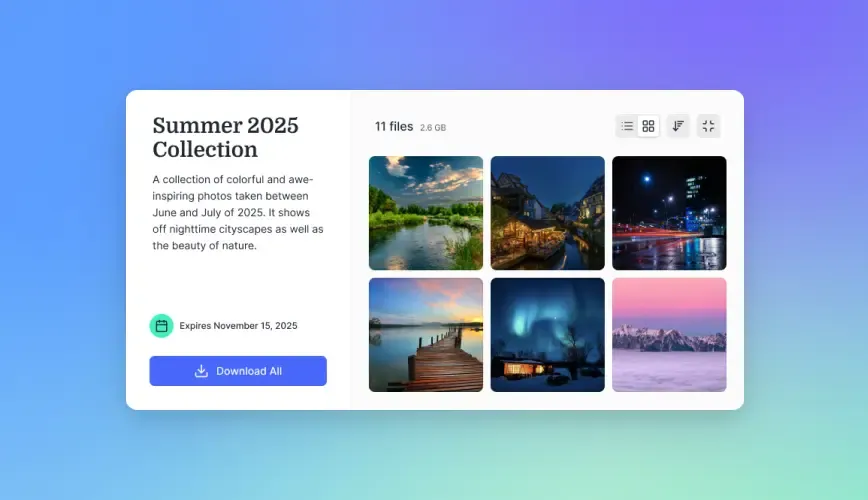
The biggest structural decision is how to organize access across locations. Franchise systems typically need three tiers of document access.
System-Wide Documents
These go to every franchisee: the operations manual, brand guidelines, system-wide policy updates, and training materials. Everyone sees the same version. When you publish an update, it's immediately available to all locations.
Regional Documents
State-specific compliance requirements, regional marketing programs, and territory-specific vendor lists. A franchisee in California needs different employment law documentation than one in Texas. Your portal should let you target documents to specific regions without creating separate portals for each state.
Location-Specific Documents
Individual franchise agreements, territory maps, site-specific permits, local inspection reports, and performance data. These should only be visible to the franchisee who owns that location and to corporate staff who manage the relationship.
Setting Up Permissions
The permission structure should mirror your franchise hierarchy. Corporate administrators see everything. Regional managers see their region plus system-wide content. Individual franchisees see system-wide content plus their location-specific documents.
Platforms with granular folder-level permissions make this straightforward. On Fastio, for example, you can set permissions at the organization, workspace, folder, and file level, so a single workspace can serve your entire franchise system with different access levels for different roles. Franchisees access their documents through branded portals without needing to navigate the full workspace.
If you're running a smaller franchise system (under 20 locations), a single workspace with well-organized folders may be enough. Larger systems often benefit from one workspace per region, with a central workspace for system-wide documents.



Organize Your Franchise Documents in One Place
Set up a branded franchise portal with version control, granular permissions, and full audit trails. Start a 14-day Business Trial. Built for franchise document portal workflows.
Managing FDD Compliance and Distribution Timelines
The Franchise Disclosure Document is the most compliance-sensitive document in your portal. The FTC requires franchisors to deliver the FDD at least 14 calendar days before a prospective franchisee signs a binding agreement or makes any payment. Some states impose even longer waiting periods, with Illinois and Iowa requiring additional time.
Getting this wrong carries real consequences. Non-compliance can lead to legal action from franchisees, state enforcement actions, and rescission rights that let franchisees unwind the entire deal and recover their investment.
Annual FDD Updates
Franchisors must update their FDD within 120 days of their fiscal year end. That means every year you need to revise financial statements, update litigation disclosures, refresh the franchisee list, and file amended registrations in registration states. Your portal needs to handle this annual cycle cleanly.
Here's what that looks like in practice:
- Upload the updated FDD as a new version, not a replacement. Keep prior year versions accessible for reference and legal purposes.
- Notify all active franchisees that an updated FDD is available. The portal should log when each franchisee was notified and when they first accessed the document.
- For prospective franchisees in the sales pipeline, switch them to the new FDD immediately. The 14-day clock resets with the new version.
- Archive state-specific receipts and acknowledgments. Several states require signed receipts confirming the franchisee received the FDD.
Tracking Delivery and Access
Your portal's audit trail is your proof of compliance. For every FDD delivery, you should be able to show when the document was made available, when the recipient first opened it, and how much time elapsed before they signed anything. This isn't just good practice. It's your defense if a franchisee later claims they didn't receive adequate disclosure.
Fastio's audit trails log every file access with timestamps, which gives franchise legal teams a clear record of who accessed which version of the FDD and when. Combined with branded portal access, franchisees can review their FDD through a professional, password-protected interface rather than digging through email attachments.
Choosing the Right Platform for Your Franchise Portal
You have several options, ranging from franchise-specific software to general-purpose document platforms. The right choice depends on your franchise system's size, budget, and technical requirements.
Franchise Management Platforms
Tools like FranConnect and Naranga (now part of Franworth) offer franchise-specific features including FDD tracking, royalty management, and CRM functionality alongside document storage. These are comprehensive but expensive, often running $500 or more per month, and they bundle document management with features you may not need yet.
Enterprise Document Management
SharePoint, Box, and Egnyte offer strong permission controls and version management. They work well for large franchise systems with IT teams that can configure and maintain them. The downside is complexity: setting up the permission structure for a multi-location franchise requires significant admin work, and per-seat pricing can get expensive as your franchisee count grows.
Cloud Workspace Platforms
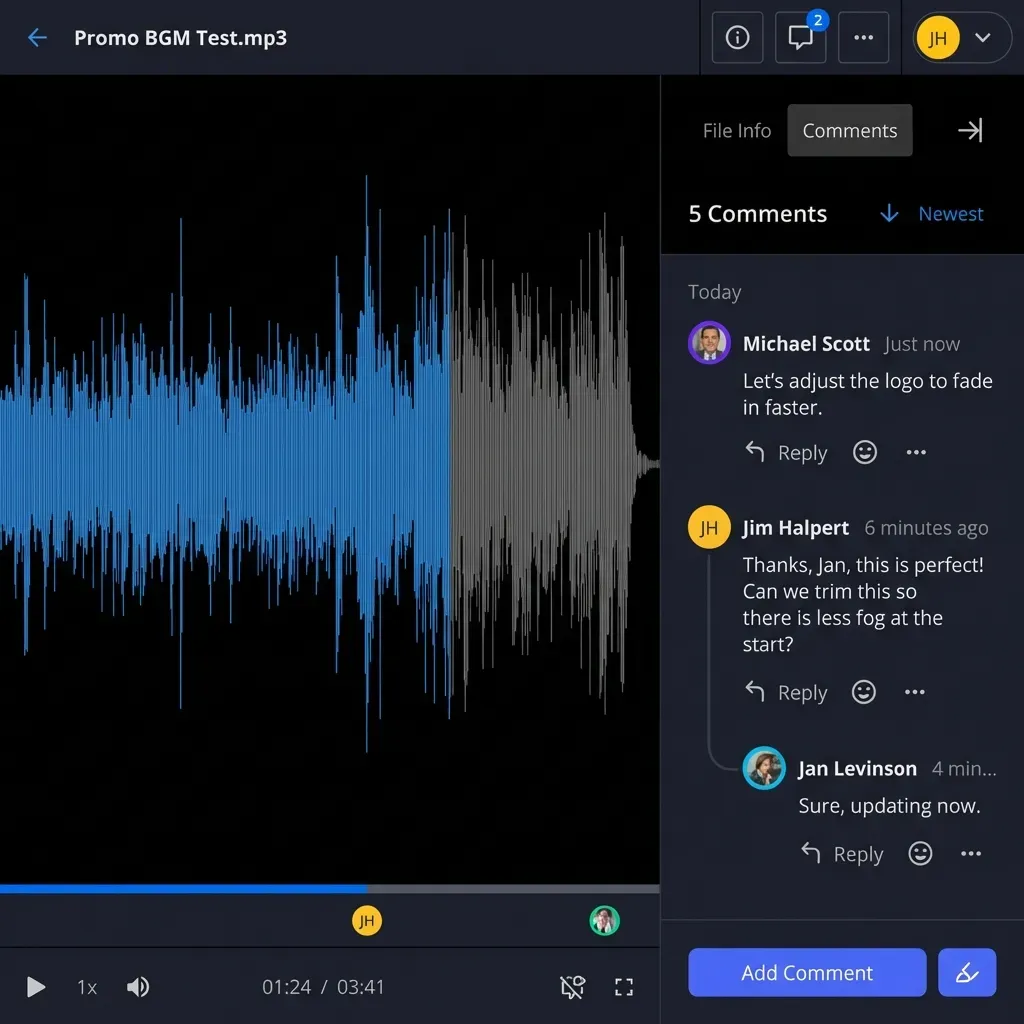
Fastio sits in this category. You get workspaces with granular permissions, branded content portals, version history, and audit trails. The advantage for franchise systems is the portal functionality: franchisees access their documents through a branded interface with your logo and colors, without needing a full platform account. Fastio offers a 14-day Business Trial (card required; see /pricing/), which makes it practical to pilot before committing to Starter ($9.99/mo), Business ($49.99/mo), or Enterprise ($199.99/mo).
Intelligence Mode adds another layer. Once enabled, files are automatically indexed for semantic search and AI-powered Q&A. A franchisee can ask "What are the insurance requirements for my location?" and get an answer with citations pointing to the specific section of the operations manual instead of searching through folders manually.
What to Evaluate
When comparing options, focus on these criteria:
- Permission granularity: Can you control access at the folder level, or only at the workspace level?
- Version control: Does the platform track document versions and let you restore previous ones?
- Audit trails: Can you export access logs showing who viewed which document and when?
- Portal branding: Can franchisees access documents through a branded interface?
- Scalability: How does pricing change as you add more franchisee locations?
- Search: Can franchisees find documents by content, not just filename?
Setting Up Your Franchise Portal Step by Step
Here's a practical setup process that works whether you're starting from scratch or migrating from email and shared drives.
Step 1: Audit Your Existing Documents
Before you build anything, inventory what you have. Pull together every document you currently distribute to franchisees: the FDD, franchise agreements, operations manual, training materials, marketing kits, compliance checklists, and anything else. Note which documents are current, which need updating, and which are obsolete.
Most franchise systems discover they have multiple versions of the same document floating around. The operations manual on the shared drive is from 2024, the one emailed last month has different pricing, and nobody's sure which is correct. The audit fixes this by establishing a single current version of each document.
Step 2: Define Your Folder Structure
Map your documents to the access tiers described earlier: system-wide, regional, and location-specific. Create a naming convention that's intuitive. Something like:
/System-Wide/Operations/for the master operations manual/System-Wide/Training/for onboarding and education materials/System-Wide/Marketing/for approved marketing assets/Regional/California/for state-specific compliance docs/Locations/Unit-1234/for individual franchise documents
Step 3: Set Up Permissions and Roles
Create user groups that match your franchise hierarchy. At minimum, you need corporate admin, regional manager, and franchisee roles. Assign folder-level permissions so each role only sees relevant content. Test the permissions by logging in as each role type and verifying the correct documents are visible.
Step 4: Migrate and Organize
Upload your documents in batches, starting with the most frequently accessed materials. If you're moving from another cloud platform, tools like Fastio's cloud import can pull files directly from Google Drive, Dropbox, OneDrive, or Box without downloading them locally first.
Step 5: Notify and Train
Send franchisees their portal access credentials with a brief orientation guide. Keep it simple: here's the link, here's how to find your documents, here's who to contact if something's missing. The portal should be intuitive enough that a detailed training session isn't necessary, but a short walkthrough video helps with adoption.
Step 6: Establish Update Procedures
Document your process for publishing updates. Who uploads new versions? Who approves changes before they go live? How are franchisees notified when something changes? Building these procedures now prevents confusion when you need to push an urgent policy update to 200 locations at once.
Sources
References used to verify factual claims in this guide.
-
The FTC requires franchisors to provide a Franchise Disclosure Document containing 23 specific items at least 14 calendar days before signing
-
16 CFR Part 436 establishes disclosure requirements and prohibitions concerning franchising
-
Franchisors must update their FDD within 120 days after fiscal year end
Frequently Asked Questions
What documents does a franchise portal need?
At minimum, a franchise portal should include the Franchise Disclosure Document (FDD), franchise agreements, the operations manual, brand standards guides, training materials, compliance checklists, marketing templates, and vendor-approved lists. Most franchise systems manage 50 or more document types per location when you factor in state-specific addenda, inspection records, and insurance certificates.
How do franchisors share documents with franchisees?
Franchisors can deliver documents by mail, email, or through an electronic portal. The FTC allows electronic delivery of the FDD as long as the franchisee can access and save the document. A dedicated portal is the most practical approach for ongoing document distribution because it provides version control, access tracking, and a consistent place for franchisees to find current materials.
What is a franchise disclosure document?
A Franchise Disclosure Document (FDD) is a legal document that franchisors must provide to prospective franchisees at least 14 calendar days before signing any agreement or making any payment. Required by the FTC under 16 CFR Part 436, it contains 23 specific items covering the franchisor's background, litigation history, fees, obligations, financial performance data, and a list of current and former franchisees.
How do you manage franchise compliance documents?
Use a centralized portal with version control, access logging, and automated notifications. Upload each document version separately so you maintain a history. Log when each franchisee accesses compliance-critical documents like the FDD. Set reminders for annual FDD updates (due within 120 days of fiscal year end) and for state registration renewals. Export audit trails regularly so you have proof of compliance if questions arise.
How often does a franchise disclosure document need to be updated?
Franchisors must update their FDD within 120 days after the end of their fiscal year. Beyond the annual update, material changes during the year, such as new litigation, changes in fees, or updates to the franchise agreement, may require interim amendments depending on state law.
Can franchisees access the portal without creating an account?
Some portal platforms support guest access with password-protected links. Fastio's content portals, for instance, let franchisees view documents through a branded interface without creating a full account. This reduces friction for new franchisees who need to review their FDD during the pre-sale process.
Related Resources

Organize Your Franchise Documents in One Place
Set up a branded franchise portal with version control, granular permissions, and full audit trails. Start a 14-day Business Trial. Built for franchise document portal workflows.