How to Integrate the Fastio Python SDK with AI Agents
Integrating the Fastio Python SDK with AI agents allows LLMs to autonomously read, write, and search persistent workspaces using native Python tool calling. While building agents, developers often struggle to provide persistent file storage that LLMs can actually understand. This guide explains how to connect your Python agents to Fastio, properly format endpoint responses for LLM consumption, and use built-in workspace intelligence.

How to implement Fastio Python SDK agent integration reliably
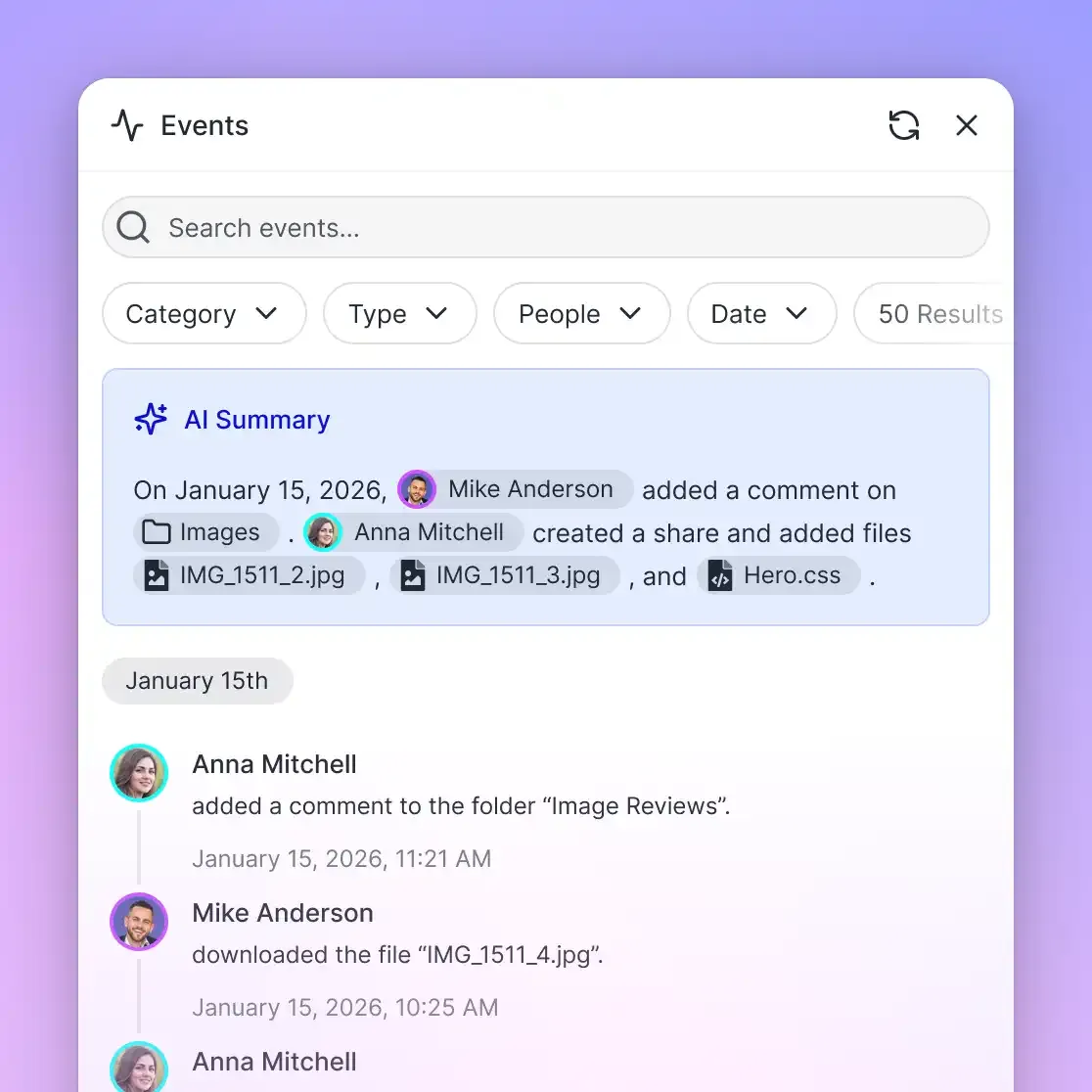
Connecting the Fastio Python SDK to AI agents lets LLMs read, write, and search workspaces autonomously. You need a place where agent output becomes team output, but traditional cloud storage often fails with autonomous systems. Fastio acts as an intelligent workspace. After uploading a file, the platform indexes the content automatically.
According to the Stack Overflow Developer Survey, Python is the primary language for over 80% of custom AI agent development. Developers choose Python for its orchestration frameworks like LangChain, LangGraph, and AutoGen. Combining these tools with the Fastio Python SDK creates a strong environment for autonomous data processors. Agents can build workspaces, add generated research, and transfer ownership to human clients without friction.
The free agent tier is a great starting point for testing file storage. It includes multiple of persistent storage and multiple monthly credits with no credit card required. This lets you test multi-agent file sharing, webhook notifications, and search before upgrading.
Helpful references: Fastio Workspaces, Fastio Collaboration, and Fastio AI.
What to check before scaling Fastio Python SDK agent integration
Most SDK docs skip how to format endpoint responses for LLMs. When an agent calls an API to list files, a huge JSON blob of metadata usually confuses the model. Language models process text sequentially and work better with clean, human-readable formats.
Your Python tools should parse the SDK response instead of returning raw API data. Extract the needed fields, format them into a string, and return that to the agent. If an agent asks for directory contents, a bulleted list of file names and sizes works better than an array of nested JSON objects.
This method saves token context and lowers hallucination risks. When agents get a clear summary of their environment, they plan their next steps more accurately. Translating raw machine data into semantic context solves the main challenge of giving AI agents file access.
Fastio Python SDK Setup and Authentication
You need to set up the Fastio Python SDK before writing agent tools. The SDK manages authentication, retries, and rate limits in the background. It installs quickly via pip.
Install the package in your virtual environment first. You also need a Fastio API key from your developer dashboard. Keep this key safe in your environment variables.
### Install the SDK using pip
### pip install fastio-sdk

import os
from fastio import FastIOClient

### Initialize the client using an environment variable
api_key = os.getenv("FASTIO_API_KEY")
client = FastIOClient(api_key=api_key)
The initialized client connects to workspaces, files, and users while enforcing strict permission boundaries. Agents only see the files and workspaces you explicitly share with them. This approach keeps your system secure by default.
Building the Tool: File Uploads for Agents
Giving a Python AI agent file access requires wrapping Fastio SDK methods in a tool decorator. Below is a @tool decorated Python function that uploads a file. This setup fits well with frameworks like LangChain or LangGraph.
The function accepts a local file path and a target workspace ID. It uploads the file and then returns a natural language string confirming the result.
from langchain_core.tools import tool
from fastio import FastIOClient
import os

client = FastIOClient(api_key=os.getenv("FASTIO_API_KEY"))

@tool
def upload_file_to_workspace(file_path: str, workspace_id: str) -> str:
    """Uploads a local file to a specified Fastio workspace.
    Use this tool when you need to save a generated document or asset.
    """
    try:
        if not os.path.exists(file_path):
            return f"Error: The file {file_path} does not exist."

        with open(file_path, "rb") as file_stream:
            response = client.files.upload(
                workspace_id=workspace_id,
                file=file_stream,
                filename=os.path.basename(file_path)
            )

        file_id = response.get("id")
        return f"Success: Uploaded {file_path} to workspace {workspace_id}. The new file ID is {file_id}."
    except Exception as e:
        return f"Failed to upload file. The error was: {str(e)}"
The return values are explicit strings. This gives the LLM direct proof of success or a clear error message. If the file is missing, the agent finds out immediately and can try another path instead of failing.


Give Your AI Agents Persistent Storage
Get 50GB of free storage and 251 MCP tools today. No credit card required. Built for fast python sdk agent integration workflows.
Deploying 251 Tools with MCP and OpenClaw
Custom Python tools work well for specific behaviors, but sometimes your agent needs access to the whole platform. Fastio supports the Model Context Protocol (MCP) and provides multiple MCP tools via Streamable HTTP and SSE. Every UI capability has a matching agent tool ready to use.
OpenClaw users get an even faster integration. Running clawhub install dbalve/fast-io installs multiple optimized tools with zero configuration. It activates natural language file management right away.
The official MCP server handles the heavy lifting so you do not have to write manual wrappers. Agents can list workspaces, generate share links, and check document metadata instantly. Durable Objects maintain the session state securely so long-running tasks keep their context.
Built-in RAG and Intelligence Mode
Standard cloud storage makes you build your own Retrieval-Augmented Generation (RAG) pipelines. You have to extract text, chunk it, generate embeddings, and store everything in a separate vector database. Fastio takes a different approach.
Turning on Intelligence Mode in a workspace automatically indexes files as they upload. You do not need a separate vector DB. The workspace handles the intelligence layer. Agents can query the workspace directly and ask natural language questions about the files inside.
The API returns answers alongside precise citations. This saves developers from tedious infrastructure work and lets them focus on agent behavior. When an agent queries the workspace, the response includes the specific document IDs and snippets used to build the answer. This creates clear accountability for the generated text.

Handling Concurrency: File Locks and Rate Limits
Multi-agent systems often run into race conditions. Data corruption happens if two agents try editing the same file at once. Fastio offers native file locks to stop this.
A Python agent should acquire a lock before starting a complex write operation. After finishing the task, the agent releases the lock. This enforces sequence control across concurrent environments.
@tool
def lock_and_update_file(file_id: str, new_content: str) -> str:
    """Locks a file, updates its content, and then releases the lock."""
    client.files.lock(file_id=file_id)
    try:
        ### Perform the update
        client.files.update(file_id=file_id, content=new_content)
        return "File updated successfully."
    finally:
        client.files.unlock(file_id=file_id)
Rate limits are another factor to keep in mind. The Fastio APIs enforce standard limits to maintain stability. The Python SDK automatically handles exponential backoff for multiple Too Many Requests errors. Even with this protection, you should tell your agents to use webhooks instead of polling. Webhooks support reactive workflows by notifying your system only when a file changes.
Frequently Asked Questions
How to use Fastio in Python?
Install the Fastio Python SDK via pip and initialize the client using your API key. You can then use the client object to interact with workspaces, upload files, and manage user permissions. Wrapping these API calls in functions lets you easily expose them to AI orchestration frameworks.
How do I give my Python AI agent file access?
You give your Python AI agent file access by defining Python functions that call the Fastio SDK, and wrapping them with tool decorators from your chosen framework like LangChain. Ensure that these functions return formatted string text instead of raw JSON so the LLM understands the result of its actions.
Do I need a separate vector database for search?
No, you do not need a separate vector database. By enabling Intelligence Mode on a Fastio workspace, uploaded files are automatically indexed. Your agents can perform semantic searches and retrieve answers with citations directly through the API.
Is there a free tier for AI agents?
Yes, Fastio offers a generous free agent tier. You receive multiple of persistent storage, a multiple maximum file size limit, and multiple monthly API credits. There is no credit card required to start, making it ideal for testing new agent architectures.
How do agents handle concurrent file edits?
Agents should use the native file locking tools provided by the Fastio SDK. By acquiring a lock before modifying a file and releasing it afterward, you prevent data corruption in multi-agent environments.
Related Resources

Give Your AI Agents Persistent Storage
Get 50GB of free storage and 251 MCP tools today. No credit card required. Built for fast python sdk agent integration workflows.