How to Enable DevOps Incident Response Collaboration
DevOps incident response collaboration provides shared access to logs and playbooks during outages. With incidents often involving multiple teams from development, operations, and security, coordinated access to critical files cuts resolution time. Fastio workspaces enable real-time presence, contextual comments, advisory file locks, and file version history to streamline incident management without version conflicts.

What Is DevOps Incident Response Collaboration?
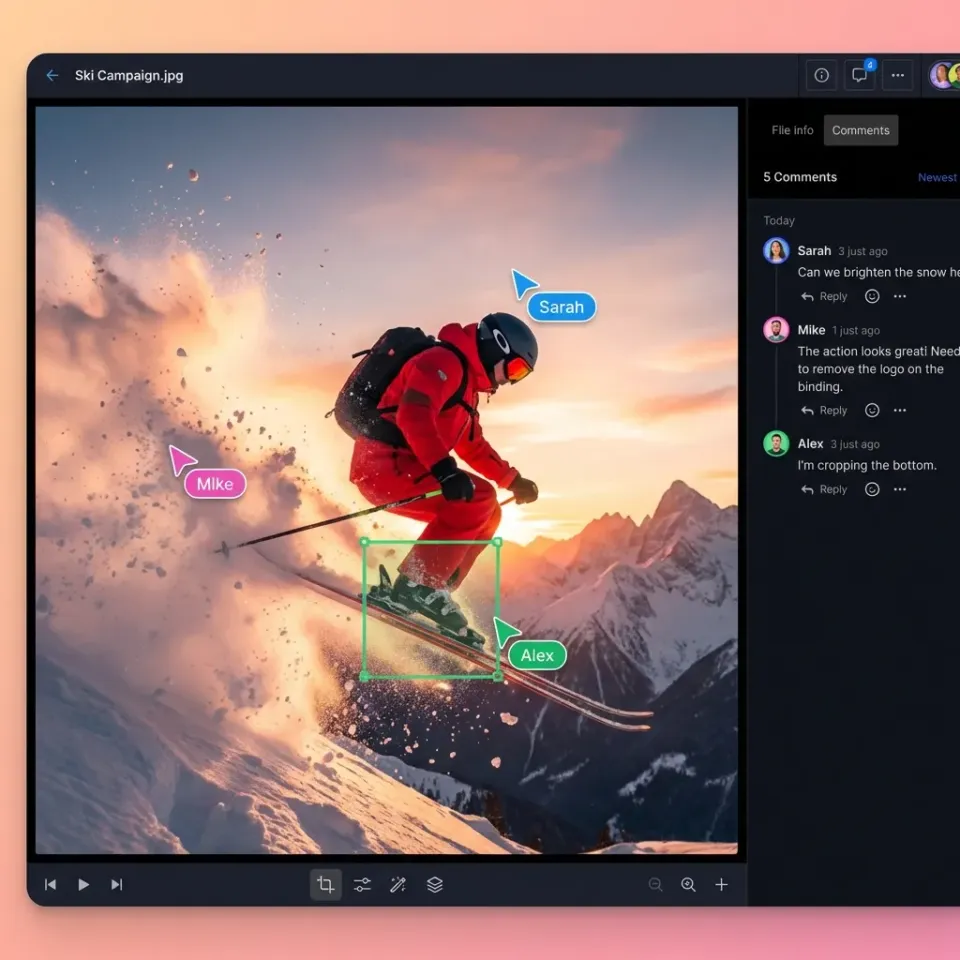
DevOps incident response collaboration is the practice of multiple teams accessing and editing shared resources like error logs, runbooks, and postmortem documents during an outage.
Traditional tools like email chains or chat logs scatter information, leading to delays. A dedicated incident management workspace centralizes logs, allows concurrent viewing, and tracks changes.
This approach ensures developers, ops engineers, and stakeholders stay aligned without "which version is current?" confusion.
Related guides
- How to Set Up DaVinci Resolve Collaboration for Your TeamDaVinci Resolve collaboration enables multiple editors, colorists, and audio engineers to work on the same project...
- How to Collaborate on Blender Projects with Remote TeamsBlender collaboration is the practice of multiple artists working together on 3D projects, sharing .blend files,...
- How to Organize Video Files for Faster Editing and Easier CollaborationVideo file organization is a systematic approach to naming, foldering, and tagging video assets so they can be quickly...
- Best WeVideo Alternatives for Video Editing and CollaborationA WeVideo alternative is a cloud-based video editing or collaboration platform that offers different features, pricing,...
- 9 Best Async Collaboration Tools for Remote Teams in 2026Async collaboration tools let teams work together without requiring everyone to be online at the same time. This guide...
- Best Client Collaboration Software for Agencies and TeamsClient collaboration software helps agencies manage review cycles, collect structured feedback, and run approval...
More on this subject: Team Collaboration (125 guides)
Why Collaboration Matters in Incident Response
Incidents rarely stay within one team. Developers fix code issues while ops handle infrastructure, and security reviews impacts.
Industry reports indicate elite DevOps teams achieve mean time to resolution (MTTR) under one hour through better collaboration practices.
Teams without centralized workspaces spend extra time chasing files, increasing downtime costs. Shared access with presence indicators speeds triage and resolution.
Key Metrics Impacted
- MTTR: Reduced by focusing efforts on verified logs.
- MTTD (Time to Detect): Activity feeds highlight new uploads.
- Postmortem Quality: Threaded comments capture decisions.
Core Components of an Effective Incident Workspace
Start with a shared space for core assets: application logs, infrastructure diagrams, standard operating procedures (SOPs), and chat transcripts.
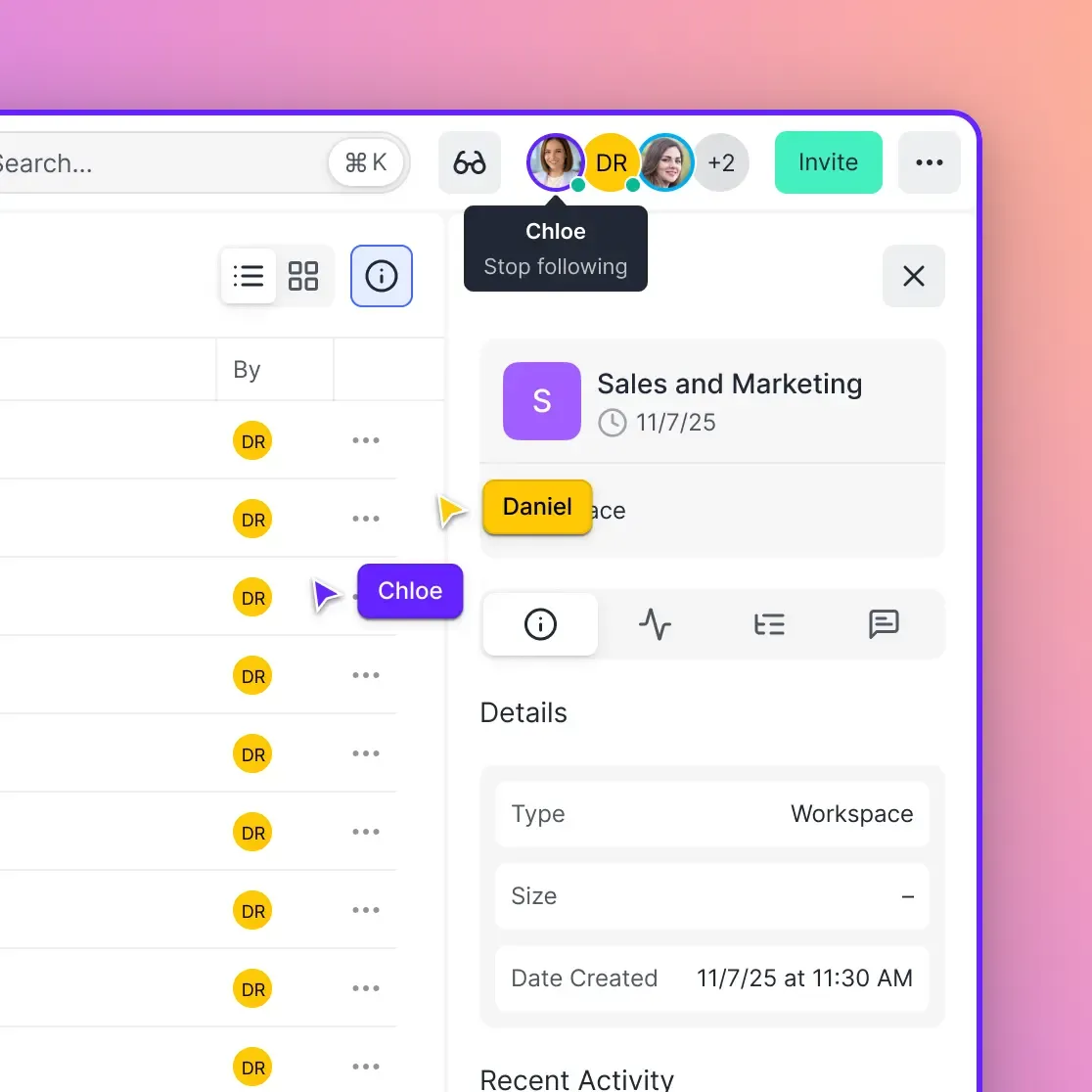
Real-time presence shows who is viewing files, follow mode syncs views for pair triage, and contextual comments pin notes to specific log lines.
Fastio's advisory file locks, version history, and granular permissions coordinate updates on active playbooks, backed by full audit logs and version restore.

Setting Up Your Incident Response Workspace
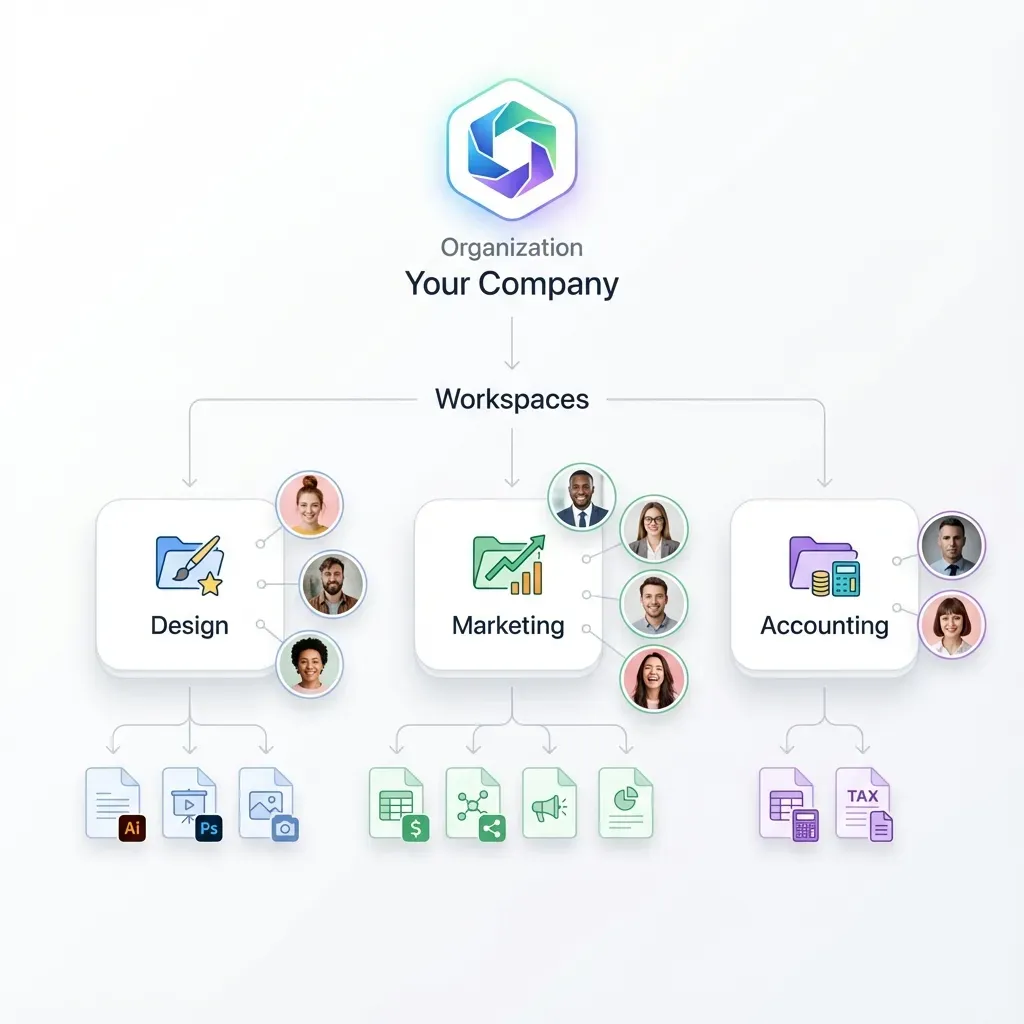
Create a Dedicated Workspace: Name it "Incident-[ID]" for the current outage.
Upload Core Files: Add logs (zipped for large sizes), runbooks (Markdown/PDF), and diagrams (PNG/SVG).
Invite Teams: Add devs, ops, security with granular roles: view-only for execs, edit for engineers.
Enable Key Features: Turn on real-time presence and comments. Review version history and comments for active playbooks.
Monitor Activity: Use audit logs to track views, downloads, and changes.
Fastio supports shared workspaces and guests, with seats included in every plan.


Streamline Your Next Incident
Set up collaborative workspaces with real-time presence, contextual comments, and version history.
Incident Response Checklist
Use this step-by-step checklist during outages:
- Alert Acknowledged: Assign incident commander.
- Logs Centralized: Upload to workspace (use URL import for cloud logs).
- Teams Notified: Invite team members via email and share links.
- Triage Session: Real-time follow mode review.
- Actions Assigned: Comment threads record owners and next steps.
- Resolution Tested: Track playbook updates with version history.
- Postmortem: Archive workspace, summarize findings.
Pin this checklist as a Markdown file in every incident workspace.
Best Practices for DevOps Teams
Define roles upfront: incident commander coordinates, engineers edit files.
Use external shares for stakeholder updates without full access.
Integrate AI agents for log analysis: invite via MCP tools for automated summaries.
Review audit trails post-incident to refine processes.
Sources
References used to verify factual claims in this guide.
-
elite DevOps teams achieve MTTR under one hour
Frequently Asked Questions
What are the best DevOps incident tools?
Core tools include alerting (PagerDuty), ticketing (Jira), and shared workspaces like Fastio for files. Combine chat for discussion with persistent storage for logs.
How does collaborative incident response work?
Teams share a workspace during outage. Real-time presence shows activity, comments anchor feedback, version history avoids accidental overwrites, and audit logs record actions.
What is an incident management workspace?
A centralized hub for incident artifacts: logs, playbooks, diagrams. Supports concurrent access, version history, and activity tracking.
How to reduce MTTR in DevOps?
Centralize resources, enable real-time collab, assign clear roles. Workspaces with presence, comments, and version tracking cut coordination time significantly.
Can AI agents join incident response?
Yes, add AI agents to workspaces for log parsing or playbook suggestions via MCP tools.
Related Resources

Streamline Your Next Incident
Set up collaborative workspaces with real-time presence, contextual comments, and version history.