How to Set Up a Data Room for Renewable Energy Projects
Renewable energy transactions involve dozens of specialized documents that generic file-sharing tools weren't built to handle. This guide walks through how to structure a data room for solar, wind, and clean energy projects, covering every document category from site assessments to tax equity models, so investors and offtakers can complete due diligence without chasing down missing files.

Why Renewable Energy Projects Need a Dedicated Data Room
Global renewable energy investment hit $807 billion in 2024, according to the International Renewable Energy Agency (IRENA). Every dollar of that investment required due diligence, and due diligence requires documents. A lot of them.
A utility-scale solar project typically involves 50 or more documents spanning permitting, environmental review, financial modeling, and grid interconnection. Wind farms add geotechnical reports, turbine supply agreements, and noise studies. Battery storage projects layer in capacity degradation curves and dispatch models. Each document type has a different owner, update cycle, and confidentiality level.
Generic cloud storage can hold all of these files. But holding files and running a due diligence process are different problems. Investors need to know which documents are final, who accessed what, and whether anything changed after they reviewed it. Project sponsors need to control access at the folder level, track engagement, and respond to document requests without email chains.
A renewable energy data room is a secure virtual workspace built around this workflow. It organizes project documents into a structure that matches how investors, lenders, and offtakers actually conduct due diligence, with permissions, audit trails, and version control built in.
Helpful references: Fastio Workspaces, Fastio Collaboration, and Fastio AI.
Related guides
- How to Set Up a Data Room for Private Credit TransactionsA data room for private credit is a secure virtual workspace where direct lenders and borrowers share loan...
- Best Virtual Data Room Providers for Every Deal TypeChoosing a virtual data room provider depends on what kind of deal you are running. This guide breaks down the top VDR...
- Best Data Room Software for Secure Document SharingData room software provides secure, permission-controlled workspaces for sharing confidential documents during M&A,...
- What Is a Data Room? A Plain-English Guide for 2026A data room is a secure space where confidential documents are stored and shared with authorized parties during...
- How to Set Up a Private Placement Data RoomA private placement data room is a secure virtual workspace where issuers share private placement memorandums,...
- How to Set Up AI Agent Due Diligence Data RoomsDue diligence data rooms with AI agents automate document reviews in secure VDRs. Manual DD takes weeks. AI agents...
More on this subject: Data Rooms and Due Diligence (53 guides)
Essential Document Categories for a Renewable Energy Data Room
The folder structure of your data room should mirror the due diligence process. Here are the eight core categories that solar, wind, and clean energy projects typically need.
1. Site Assessment and Resource Data
- Solar resource assessments (TMY data, GHI/DNI measurements)
- Wind resource reports (met tower data, energy yield estimates)
- Geotechnical surveys and soil reports
- Topographic surveys and ALTA maps
- Phase I and Phase II environmental site assessments
2. Permitting and Regulatory
- Conditional use permits and zoning approvals
- Building permits and construction permits
- FAA determinations (for wind projects near airports)
- State energy facility siting permits
- SHPO (State Historic Preservation Office) clearances
- Local government resolutions and public hearing records
3. Environmental Compliance
- NEPA documentation (Environmental Assessments or Environmental Impact Statements)
- Endangered species surveys and biological opinions
- Wetland delineations and Clean Water Act permits
- Stormwater pollution prevention plans
- Cultural resource surveys
- Noise and shadow flicker studies (wind projects)
4. Power Purchase Agreements and Offtake
- Executed PPAs with utility or corporate buyers
- Term sheets and LOIs for pending offtake agreements
- Renewable Energy Certificate (REC) agreements
- Capacity and ancillary services agreements
- Hedge or financial settlement agreements
5. Interconnection and Grid
- Interconnection application and queue position confirmation
- Feasibility, system impact, and facilities studies
- Generator Interconnection Agreement (GIA)
- Network upgrade cost estimates and cost allocation letters
- Curtailment risk analysis and historical congestion data
- Transmission service agreements
6. Financial Models and Projections
- Base case financial model (unlocked Excel)
- Tax equity partnership flip model
- ITC/PTC eligibility analysis and prevailing wage documentation
- Pro forma cash flow projections
- Sensitivity analyses (weather, curtailment, price scenarios)
- Appraisal reports and independent engineer (IE) reports
7. EPC and Equipment Contracts
- Engineering, Procurement, and Construction (EPC) agreement
- Equipment supply agreements (panels, inverters, turbines)
- Warranty documentation and performance guarantees
- Operations and Maintenance (O&M) agreements
- Balance of System (BOS) contracts
8. Insurance and Land Control
- Builder's risk and commercial general liability policies
- Title commitments and title insurance
- Land leases, easements, and access agreements
- Property tax exemption applications
- Estoppel certificates from landowners
Setting Up Your Data Room Step by Step
Getting the structure right from the start saves weeks during due diligence. Here's how to build a data room that works for both your team and your investors.
Start with site control documents. Land leases, title reports, and survey maps form the foundation. If there are title defects or access issues, investors will flag them immediately. Upload final executed versions, not drafts, and label each file with the parcel number or site name.
Build the interconnection folder next. This is where deals stall most often. If power cannot reach the grid, the project has a fatal flaw. Include your queue position confirmation, all completed study reports, and the GIA if executed. Flag any pending network upgrade cost estimates with expected completion dates.
Organize PPAs by counterparty. If you have multiple offtake agreements, create subfolders for each buyer. Include the executed agreement, any amendments, and credit support documentation. Investors will want to assess counterparty credit risk, so include audited financials or credit ratings where available.
Upload the financial model last. The model ties everything together, so it should reflect the final versions of all other documents. Include an unlocked version so investors can run their own scenarios. Add a separate summary sheet that calls out key assumptions: capacity factor, degradation rate, discount rate, and PPA price escalation.
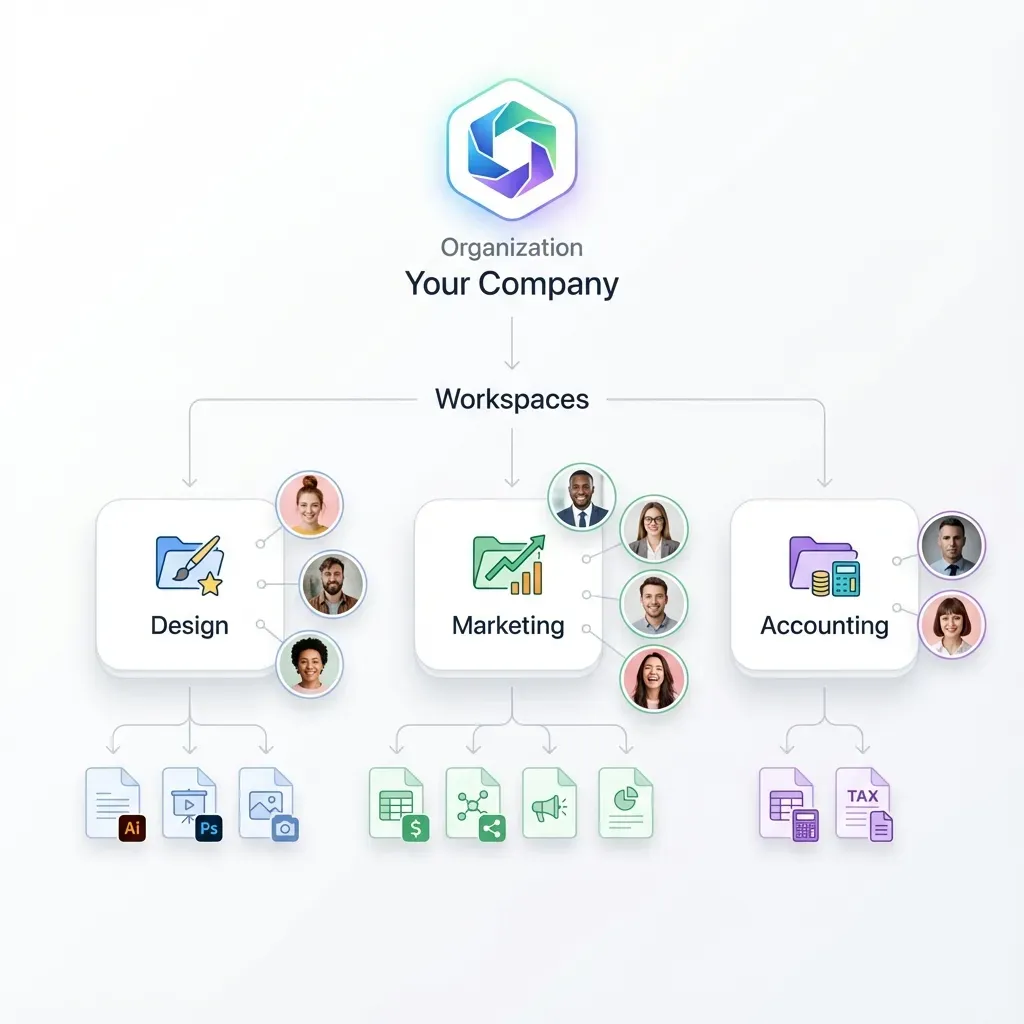
Set permissions by stakeholder group. Legal counsel needs access to land documents and contracts. Technical advisors need site assessments and interconnection studies. Financial analysts need models and PPAs. Not everyone needs access to everything. Set folder-level permissions so each party sees only what's relevant to their review.
Enable version tracking. Due diligence documents get updated. PPAs get amended. Financial models get revised after site visits. Your data room should track every version so investors can see what changed and when, without confusion about which document is current.


Organize Your Renewable Energy Due Diligence
Set up a secure data room with granular permissions, audit trails, and AI-powered document search. Start with generous storage. Built for data room renewable energy workflows.
How Investors Use Renewable Energy Data Rooms
Understanding how the other side uses your data room helps you set it up more effectively.
Tax equity investors focus on ITC/PTC eligibility first. They want prevailing wage compliance documentation, domestic content certifications, and the tax opinion letter. They'll spend the most time in your financial model, stress-testing assumptions around production estimates, curtailment, and merchant tail risk after the PPA expires.
Project finance lenders prioritize cash flow certainty. They dig into the PPA terms, looking at price escalators, curtailment provisions, force majeure language, and termination triggers. The interconnection agreement matters almost as much as the PPA, because delivery risk directly affects debt service coverage ratios.
Strategic acquirers in renewable energy M&A look at the full picture. They're evaluating development stage, construction risk, equipment procurement status, and post-COD operating performance. According to Enverus, the due diligence checklist for renewable M&A spans seven categories covering everything from source screening to competitive positioning.
Offtakers and utilities reviewing a project before signing a PPA want site control confirmation, interconnection certainty, and independent resource assessments. They may also request environmental compliance documentation to satisfy their own ESG reporting requirements.
Each of these stakeholders has different access needs. A well-structured data room lets you grant the right level of access to each group without duplicating files or maintaining separate document sets.
Common Data Room Mistakes in Renewable Energy Deals
After working through dozens of clean energy transactions, certain patterns emerge in how data rooms go wrong.
Uploading draft documents alongside finals. When a folder contains both "PPA_draft_v3.docx" and "PPA_executed_final.pdf," investors waste time figuring out which is current. Remove drafts before granting access, or use a naming convention that makes status obvious.
Missing interconnection updates. Interconnection studies progress through multiple phases: feasibility, system impact, facilities study, and finally the GIA. Projects often upload the initial feasibility study but forget to add later phases. Since interconnection is the most common deal-breaker in renewable energy transactions, this gap creates immediate red flags.
No index or checklist. A data room with 200 files and no guide is a maze. Create a document index that maps each file to the relevant due diligence category. Include document dates, version numbers, and status (draft, final, superseded). This index should be the first thing investors see when they log in.
Flat folder structure. Dumping everything into one folder forces investors to scroll through hundreds of files. Use the eight-category structure described above, with subfolders for multi-site portfolios. If your project spans three counties, each county's permitting documents should be in their own subfolder.
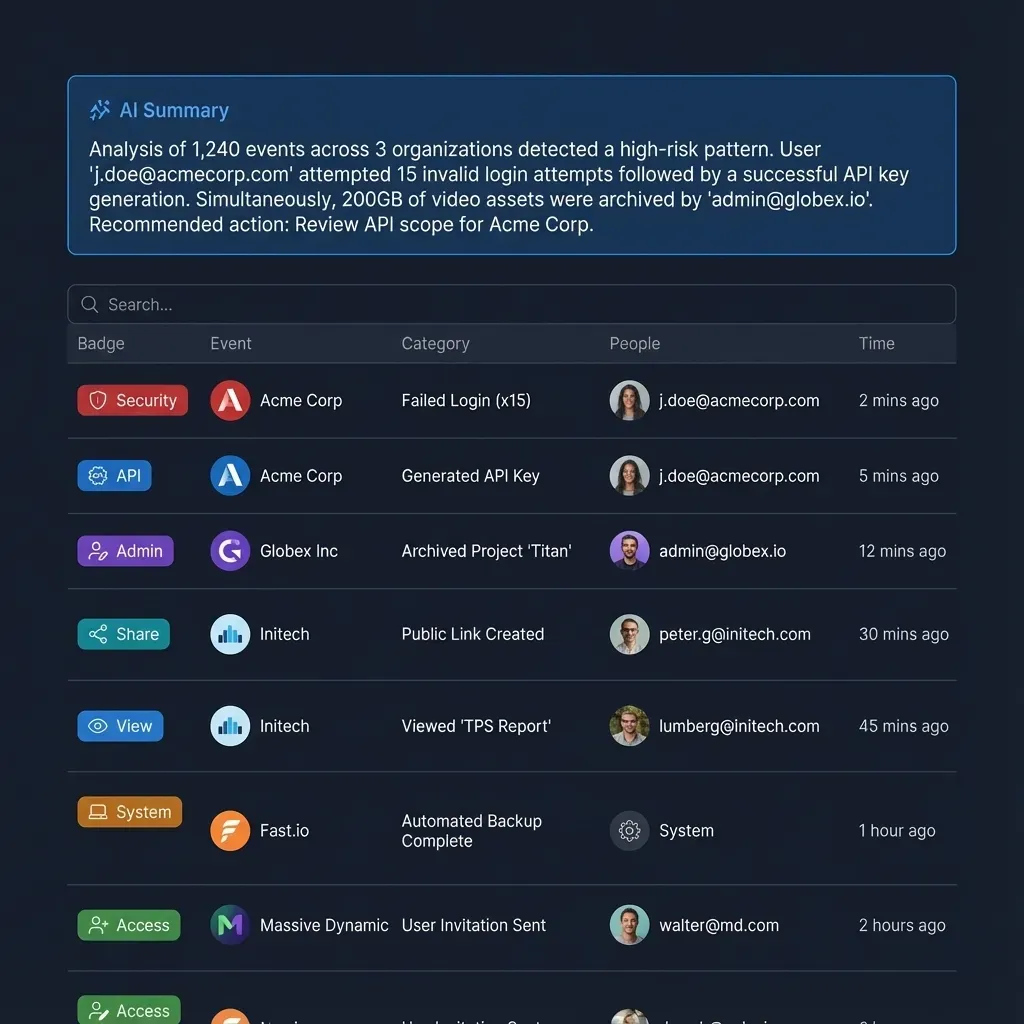
Ignoring access analytics. If an investor spent three hours in the financial model folder but never opened the environmental section, that tells you something about their priorities and potential concerns. Data room analytics help you anticipate questions and prepare for follow-up calls.
Late additions without notification. Adding 30 documents to the data room the night before a deadline, with no summary of what changed, creates confusion. Notify stakeholders when new documents are added and provide a brief description of each addition.
Choosing a Data Room Platform for Clean Energy Projects
Renewable energy data rooms have specific requirements that not every platform handles well.
Granular permissions matter. You need folder-level and file-level access controls, not just all-or-nothing sharing. Different investor groups should see different document sets from the same data room, without maintaining duplicate copies.
Audit trails are non-negotiable. Lenders and tax equity investors expect a record of who accessed which documents and when. This isn't just a nice-to-have. It becomes part of the closing documentation and may be referenced in representations and warranties.
Version control should be automatic. When someone uploads a revised financial model, the previous version should be preserved and accessible, not overwritten. Investors reviewing the data room a week later should be able to see what changed.
Large file support is essential. Geotechnical surveys, drone imagery, and ALTA maps can be hundreds of megabytes each. Your platform should handle large uploads without file size caps that force you to split documents.
Several platforms serve this market. Firmex and DealRoom offer data room features tailored to M&A transactions. Intralinks and Datasite serve institutional finance. For teams that also need built-in document intelligence, Fastio provides workspaces with granular permissions, audit trails, and file versioning, along with an AI layer (called Ripley) that can answer questions about uploaded documents with citations once Intelligence is enabled for the workspace. Its content portal feature lets you create branded, password-protected access points for each investor group, with analytics showing who viewed which documents. Fastio offers a 14-day Business Trial (card required; see /pricing/).
The right choice depends on your transaction volume and workflow. For a single project raise, a platform with strong permissions, versioning, and audit logs covers the basics. For a portfolio with ongoing M&A activity, you'll want analytics and automation features that scale across multiple deals.

Sources
References used to verify factual claims in this guide.
-
Global renewable energy investment hit $807 billion in 2024
-
Due diligence checklist for renewable M&A spans seven categories
-
Five core pillars of clean energy due diligence framework
Frequently Asked Questions
What documents are needed for renewable energy project financing?
At minimum, you'll need site control documents (leases, title reports), resource assessments, interconnection studies and queue confirmation, the executed PPA, environmental compliance documentation, an independent engineer report, the financial model with tax equity structure, EPC and equipment contracts, and insurance certificates. The exact requirements vary by financing structure, but most lenders and tax equity investors work from a standardized checklist covering these eight categories.
How do you set up a data room for a solar project?
Start by creating folders for each due diligence category: site assessment, permitting, environmental, PPA/offtake, interconnection, financial model, EPC contracts, and insurance/land control. Upload final executed documents only, removing any drafts. Set folder-level permissions so each stakeholder group (legal counsel, technical advisors, financial analysts) sees only relevant sections. Create a document index as the landing page, and enable version tracking so updates are logged automatically.
What is due diligence for renewable energy projects?
Due diligence for renewable energy projects is the process investors and lenders use to verify that a solar, wind, or storage project is technically viable, legally sound, and financially attractive before committing capital. It typically covers five areas: land and title review, technical assessment (resource data, equipment, design), financial analysis (PPA terms, tax equity structure, cash flows), permitting and regulatory compliance, and interconnection feasibility. The process usually takes 30 to 90 days for a project finance transaction.
How many documents does a typical renewable energy data room contain?
A utility-scale solar or wind project typically requires 50 or more distinct documents across permitting, environmental, financial, and technical categories. Portfolio transactions with multiple project sites can involve several hundred documents. The count varies based on project size, jurisdiction, and financing structure, but the eight core document categories remain consistent regardless of scale.
What is a power purchase agreement in renewable energy?
A power purchase agreement (PPA) is a long-term contract between a renewable energy project and a buyer (utility, corporation, or government entity) that specifies the price, volume, and duration for electricity purchases. PPAs typically run 10 to 25 years and provide the revenue certainty that lenders require for project financing. The PPA is usually the single most important document in a renewable energy data room because it determines the project's bankability.
Related Resources

Organize Your Renewable Energy Due Diligence
Set up a secure data room with granular permissions, audit trails, and AI-powered document search. Start with generous storage. Built for data room renewable energy workflows.