How to Manage the Full Content Lifecycle from Creation to Retirement
Guide to content lifecycle management: Most content teams are good at publishing. Where things fall apart is everything that happens after: tracking what needs updating, deciding what to archive, and keeping a growing library from turning into dead weight. This guide walks through every stage of the content lifecycle and gives you practical systems for the stages that most guides skip.


What Content Lifecycle Management Actually Means
Content lifecycle management is the practice of governing content through every stage: ideation, creation, review, publication, distribution, performance analysis, updating, and eventual archival or retirement. It sounds straightforward, but most organizations only manage the first half well.
Here is the problem. According to SiriusDecisions (now Forrester), 60 to 70 percent of B2B content goes unused after publication. It sits on internal portals, buried in CMS drafts, or live on the website pulling in zero traffic. The content was created, published, and then forgotten.
Content lifecycle management exists to prevent that waste. It treats content as an asset with a lifespan, not a task that ends at "publish." Every piece gets created with intent, monitored for performance, refreshed when it goes stale, and retired when it no longer serves a purpose.
The difference between content management and content lifecycle management is scope. Content management handles the mechanics: storing files, controlling access, publishing to channels. Content lifecycle management adds the strategic layer on top, answering questions like "when should we update this?" and "when should we take it down?"
Helpful references: Fastio Workspaces, Fastio Collaboration, and Fastio AI.
Related guides
- How to Set Up a Content Marketing Platform for Your TeamA content marketing platform is an integrated workspace where teams create, store, collaborate on, and distribute...
- How to Build a Content Production Workflow That ScalesMost content workflow guides stay abstract. This one walks through the actual steps to build a repeatable production...
- How to Build a Sales Enablement Platform That Actually Gets UsedMost sales enablement platforms collect dust. Reps ignore them because content is hard to find, the interface adds...
- How to Manage Marketing Assets with AI AgentsMarketing teams use AI agents in intelligent workspaces to store, version, and share AI-generated files securely. These...
- How to Manage Cross-Channel Campaign FilesCross-channel campaign file management keeps assets consistent across email, social media, web, and print. Teams often...
- How to Manage Marketing Campaigns with the Right Software StackMarketing campaign management software helps teams plan, execute, and measure campaigns by coordinating tasks, assets,...
More on this subject: Creative and Marketing Teams (27 guides)
The Eight Stages of Content Lifecycle Management
Different models use five to seven stages. The version below uses eight because it separates review from creation and archival from analysis, which matters for assigning ownership.
1. Ideation and Planning
Every piece of content starts with a question: what does our audience need to know? Ideation combines keyword research, audience feedback, competitive analysis, and editorial judgment. The output is a brief or content plan that includes the target keyword, audience segment, content format, and success metrics.
Good planning also means checking what you already have. Before creating a new article on "content audit checklist," search your existing library. You might have a post from 2023 that covers the same ground and just needs a refresh.
2. Creation and Production
This is the stage most teams know best: writing, designing, recording, or building the content. The key lifecycle consideration here is version control. When three people contribute to a draft, you need to know who changed what and when.
Store working drafts in a shared workspace where contributors can access the latest version without emailing files back and forth. Tools like Google Docs, Notion, or a cloud workspace like Fastio handle this, though each has tradeoffs in formatting, access control, and file type support.
3. Review and Approval
Review is where content gets fact-checked, edited for style, and signed off by stakeholders. For regulated industries (finance, healthcare, legal), this stage includes compliance review.
The common mistake is treating review as informal. Without a defined approval workflow, content stalls in inboxes or goes live without proper review. Set clear roles: who reviews for accuracy, who reviews for brand voice, and who gives final approval.
4. Organization and Metadata
Before publishing, tag and categorize content properly. This sounds tedious, but it is the foundation of every future audit. If your content is not tagged by topic, format, audience, and date, you cannot efficiently find stale pieces later.
A consistent taxonomy matters more than a sophisticated one. Use clear categories, apply them consistently, and store content in a workspace structure that mirrors your taxonomy. Folder hierarchies, metadata tags, or both, just pick a system and stick with it.
5. Publication and Distribution
Publishing is the act of making content live. Distribution is getting it in front of the right people through the right channels: organic search, email, social media, paid promotion, or syndication.
The lifecycle consideration here is tracking. Record when and where each piece was published. This metadata drives your future review schedule. If you published a "best tools for 2025" article in January 2025, you know it needs an update by Q4 2025 at the latest.
6. Performance Measurement
Measure what matters for the content type. Blog posts get measured on organic traffic, time on page, and conversions. Sales enablement content gets measured on usage rate and deal influence. Video gets measured on views, completion rate, and engagement.
Set performance baselines within the first 30 to 90 days. Content that underperforms its baseline within three months is a candidate for optimization or retirement. Content that overperforms is a candidate for expansion into related topics.
7. Updating and Optimization
This is the stage most teams skip, and it is arguably the most valuable. HubSpot's historical optimization project showed that refreshing old blog posts increased organic search views by an average of 106 percent and tripled monthly leads from those posts. They scaled this to updating two to three posts per week.
Updates range from light (fixing broken links, updating screenshots, changing a date) to heavy (rewriting sections, adding new data, restructuring for a different search intent). The key is having a system that flags content for review on a schedule, rather than waiting until someone notices a problem.
8. Archival and Retirement
Every piece of content has a natural lifespan. Event recaps expire after the event. Product comparisons go stale when products change. Industry data becomes outdated as new research replaces it.
Retirement does not always mean deletion. You have three options:
- Update: The topic is still relevant, but the content is outdated. Rewrite and republish.
- Archive: The content has historical or internal value but should not rank in search. Remove from public-facing pages, keep in your internal library.
- Delete: The content is redundant, irrelevant, or so outdated that updating is not worth the effort. Set up a 301 redirect to the most relevant remaining page.
Building a Review Schedule That Works
The most common question about post-publication management is "how often should we review content?" The answer depends on your volume and industry, but here is a framework that works for most teams.
Quarterly Quick Scans
Every quarter, pull a report of your top 20 pages by traffic. Check for:
- Broken links or outdated references
- Accuracy of any statistics or data points
- Changes in the competitive landscape that affect your recommendations
- Pages that dropped in traffic since last quarter
This is a 30-minute scan, not a deep audit. The goal is catching obvious problems before they compound.
Biannual Content Reviews
Every six months, review all content published more than a year ago. Score each piece on three dimensions:
- Relevance: Is the topic still important to your audience?
- Accuracy: Are all claims, data points, and recommendations current?
- Performance: Is the page generating meaningful traffic or conversions?
Content that scores low on all three is a retirement candidate. Content that scores high on relevance but low on accuracy is an update candidate.
Annual Comprehensive Audits
Once a year, audit your entire content library. Build a complete inventory: every URL, its publish date, last update date, traffic, and content category. Then assign each piece an action: keep, update, consolidate, archive, or delete.
Annual audits are the most time-consuming but also the most impactful. They are where you catch content cannibalization (multiple pages competing for the same keyword), identify consolidation opportunities, and clean up accumulated dead weight.


Organize Your Content Library in One Workspace
Fastio gives you shared workspaces with file versioning, audit trails, and granular permissions. Track your content lifecycle from draft to archive with generous storage. Built for content lifecycle management workflows.
Setting Up Workspaces for Content Lifecycle Management
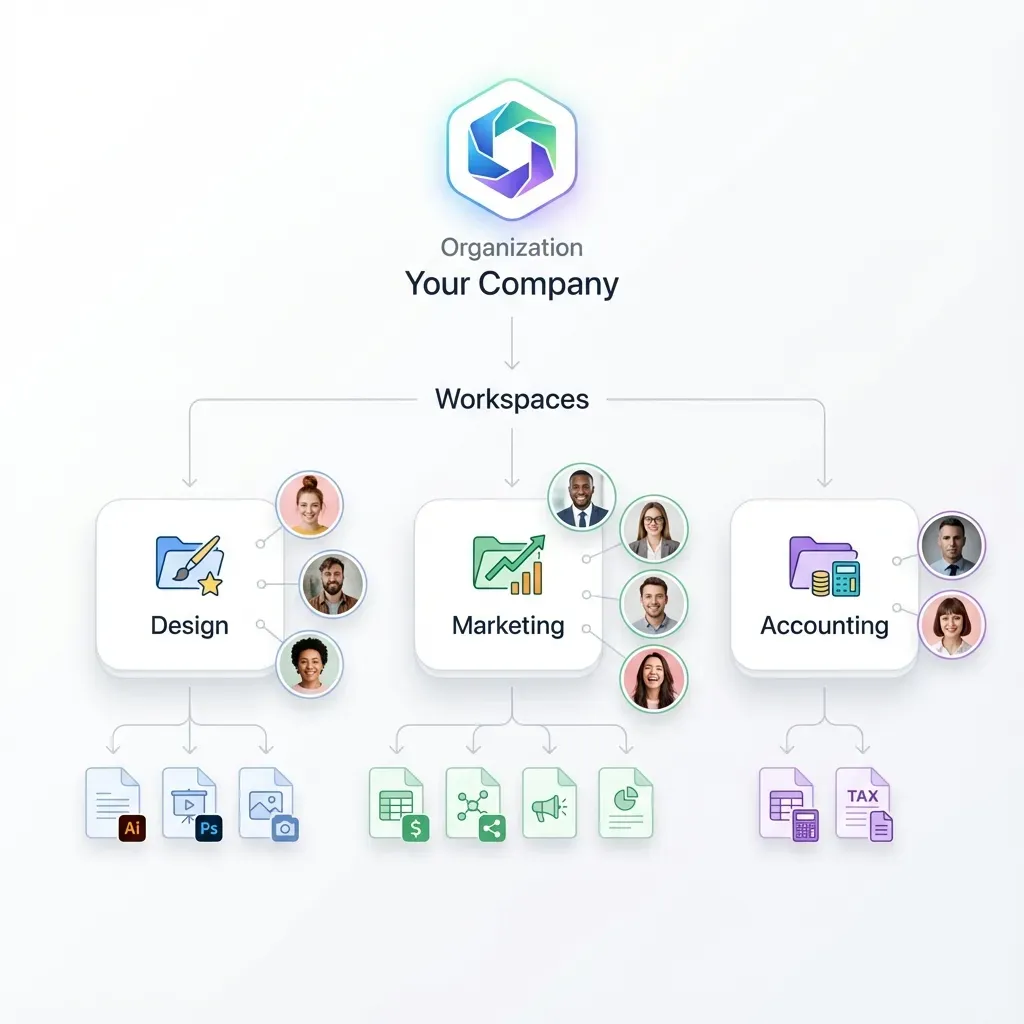
Your workspace structure should reflect your content lifecycle stages. When everything lives in a flat folder called "Content" or scattered across personal drives, audits become archaeological expeditions.
Workspace Organization by Lifecycle Stage
One practical approach is organizing content by status rather than just by topic. Create workspace areas for:
- Drafts: Content in creation or review
- Active: Published content currently being promoted or maintained
- Under Review: Content flagged for scheduled review
- Archived: Content removed from publication but preserved for reference
This structure gives you an instant view of your content pipeline. When a piece moves from Active to Under Review, that triggers the review process. When it moves from Under Review to Archived, you know to set up redirects.
Version Control and Audit Trails
Content goes through many hands over its lifespan. Writers create drafts, editors revise them, stakeholders request changes, and someone eventually updates the piece six months later. Without version history, you lose context on why changes were made.
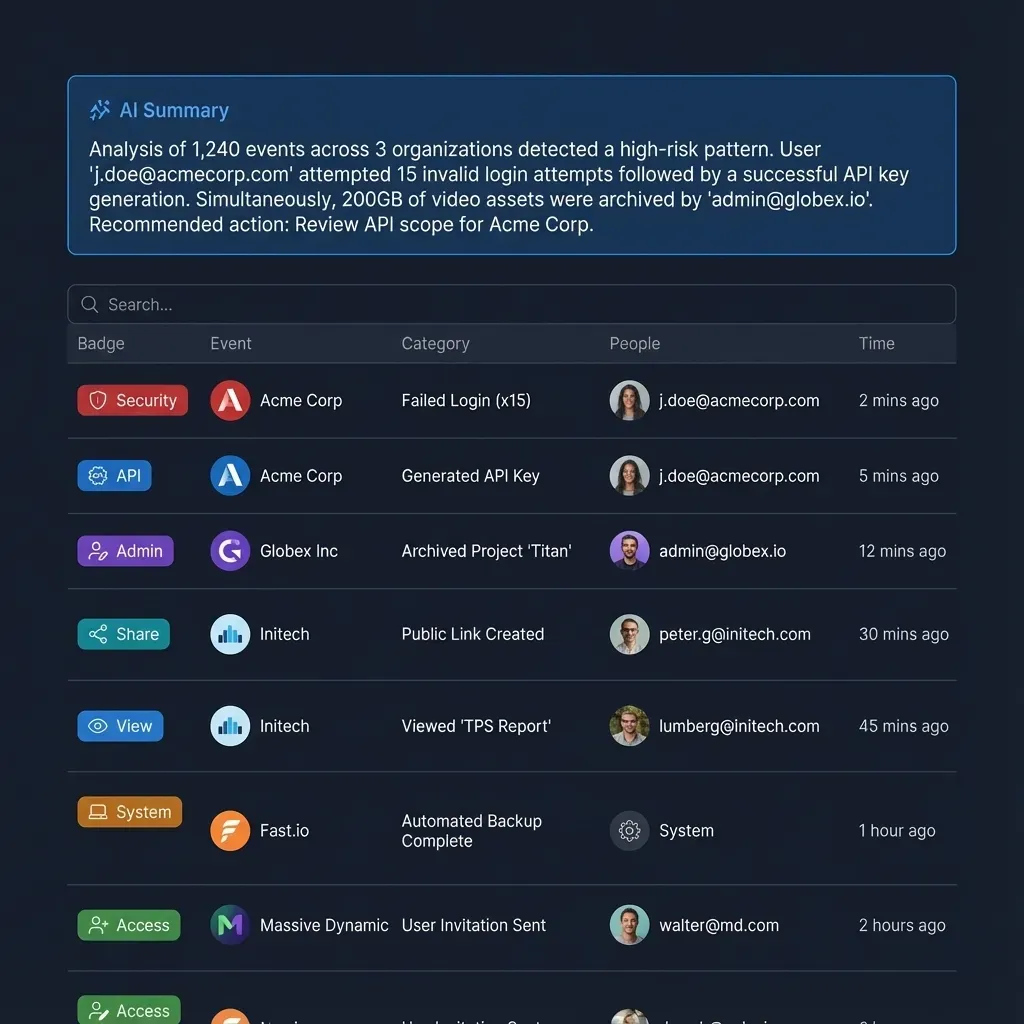
Cloud workspaces with built-in versioning solve this. Fastio, for instance, provides file versioning and audit trails that track every change across a workspace. When you need to understand why a section was rewritten or who changed a claim, the history is there. Google Drive and Box offer similar versioning, though their audit depth varies by plan tier.
Permissions for Different Lifecycle Stages
Not everyone needs access to everything. Writers need access to drafts and active content. Reviewers need access to content under review. Executives might only need access to performance reports.
Granular permissions at the folder or workspace level prevent accidental edits to published content while keeping collaboration open during the creation phase. Fastio supports permissions at the organization, workspace, folder, and file level, which maps well to lifecycle stage boundaries.
Running a Content Audit: Step by Step
If you have never run a content audit, the first one is the hardest. Here is a practical process.
Step 1: Build Your Content Inventory
Crawl your site to get every URL. Tools like Screaming Frog (free for up to 500 URLs) or Sitebulb handle this well. For each URL, record:
- Page title and URL
- Publish date and last modified date
- Word count
- Content category or topic cluster
- Target keyword (if applicable)
Step 2: Pull Performance Data
Connect your inventory to analytics data. For each page, pull:
- Organic traffic (last 90 days)
- Total traffic (last 90 days)
- Bounce rate or engagement rate
- Conversions or goal completions
- Current search rankings for target keywords
Google Analytics and Google Search Console provide most of this. Export to a spreadsheet and merge with your inventory.
Step 3: Score and Categorize
Score each piece on a simple scale. A three-point scale works well:
- Green: Performing well, content is current, no action needed
- Yellow: Underperforming or partially outdated, needs review or update
- Red: Not performing, outdated, or redundant, candidate for retirement
Step 4: Assign Actions
For each piece, assign one of five actions:
- Keep: No changes needed
- Update: Refresh data, rewrite sections, improve SEO
- Consolidate: Merge with another piece on the same topic
- Archive: Remove from public site, preserve internally
- Delete: Remove entirely, set up 301 redirect
Step 5: Prioritize by Impact
You cannot fix everything at once. Prioritize updates that will have the highest impact: pages with decent traffic but outdated content, pages ranking on page two that could reach page one with a refresh, and pages with high conversion potential but poor engagement.
Step 6: Track and Execute
Turn your audit findings into a project plan with owners, deadlines, and status tracking. A shared workspace works well here: store the audit spreadsheet with its owners and deadlines, and track progress in one place. Fastio's workspace structure with shared files and activity tracking makes this straightforward, though project management tools like Asana or Monday.com also work if your team already uses them.
When to Retire Content and How to Do It Right
Content retirement is the least discussed lifecycle stage, partly because it feels counterintuitive. You spent time and money creating that content, so removing it feels wasteful. But keeping low-quality or outdated content live can actively hurt your site.
Signs Content Needs Retirement
Watch for these signals:
- Zero organic traffic for 12+ months: If search engines are not sending anyone to the page, it is not serving an SEO purpose.
- Factually outdated with no update path: Some content references events, products, or data that no longer exist. If updating would mean rewriting from scratch, retirement is more efficient.
- Cannibalization: Two or more pages target the same keyword and split your ranking authority. Consolidate them into one stronger piece.
- Brand misalignment: Your messaging, positioning, or product has evolved. Old content that contradicts current positioning confuses visitors.
- Compliance risk: Content that references old policies, discontinued features, or outdated legal information creates liability.
The Retirement Process
Retiring content is not just hitting "delete." Follow this process:
- Check backlinks: Use Ahrefs, Moz, or Search Console to see if other sites link to the page. If they do, a redirect preserves that link equity.
- Set up 301 redirects: Point the old URL to the most relevant active page. This passes search authority and prevents 404 errors for visitors.
- Update internal links: Search your site for any pages that link to the retired content. Update those links to point to the redirect target.
- Archive if valuable: If the content has internal reference value (historical data, past campaign details, competitive research), move it to an internal archive rather than deleting it entirely.
- Document the decision: Record why the content was retired. This prevents someone from recreating the same content six months later without understanding why it was removed.
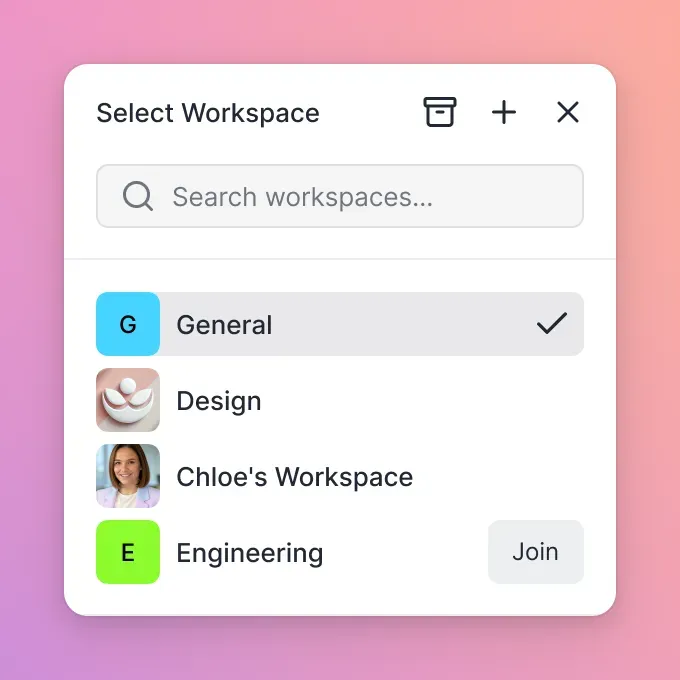
Store archived content in a dedicated workspace with clear labeling. In Fastio, you could create an "Archived Content" workspace with restricted permissions so only content strategists can access it. Similar setups work in Google Drive shared drives or Box folders with limited access.
Sources
References used to verify factual claims in this guide.
-
60 to 70 percent of B2B content goes unused after publication
-
Refreshing old blog posts increased organic search views by an average of 106 percent
Frequently Asked Questions
What are the stages of content lifecycle management?
The core stages are ideation, creation, review, organization, publication, distribution, performance measurement, updating, and archival or retirement. Most models use five to eight stages depending on how they group these activities. The critical distinction is that a complete lifecycle model includes post-publication stages like scheduled reviews and retirement, not just the path to publishing.
How do you manage content lifecycle?
Start by documenting every piece of content you have and its current status. Set up a review schedule (quarterly quick scans, biannual reviews, annual comprehensive audits). Organize your workspace by lifecycle stage so you can see what is active, under review, or archived. Assign clear ownership for each stage, and track content age and performance metrics to trigger reviews automatically.
What is the difference between content management and content lifecycle management?
Content management handles the mechanics of storing, organizing, and publishing content. Content lifecycle management adds the strategic layer: deciding when content should be created, when it needs updating, and when it should be retired. A CMS manages files. Content lifecycle management governs the decisions around those files across their entire lifespan.
When should you retire content?
Retire content when it has received zero organic traffic for 12 or more months, when it is factually outdated beyond reasonable updating, when it cannibalizes another page targeting the same keyword, or when it contradicts your current brand positioning. Always set up 301 redirects to preserve link equity and prevent 404 errors.
How often should you audit your content?
Run quarterly quick scans of your top-performing pages to catch obvious issues. Do biannual reviews of all content older than one year. Conduct a comprehensive annual audit of your entire content library. High-volume publishers in fast-changing industries (tech, finance) may need more frequent reviews.
Related Resources

Organize Your Content Library in One Workspace
Fastio gives you shared workspaces with file versioning, audit trails, and granular permissions. Track your content lifecycle from draft to archive with generous storage. Built for content lifecycle management workflows.