How to Share Construction Daily Logs Efficiently
Construction daily logs sharing keeps subs, owners, and inspectors up to date on site progress. Traditional PDF emails create version confusion and miss real-time updates, but live collaborative workspaces deliver always-current access to logs, attached photos, weather notes, and crew reports. This guide explains common challenges with old methods, highlights benefits of digital workspaces, and provides a complete step-by-step setup using Fastio for construction teams.


What are construction daily logs?
A construction daily log is the official record of what happened on a jobsite that day. A foreman or superintendent fills it out at end-of-shift, typically with input from crew leads. The fields that matter: date, weather (temperature, precipitation, wind if it affected work), crew count by trade, work completed, materials received, visitors on site, equipment used, safety incidents, and any delays with the reason.
According to Procore, "Daily reports in the construction industry are an integral part of the daily workflow on a jobsite." That's a polite way of saying: if you don't have them, you're exposed. Accurate logs justify time extension requests, support change orders, and defend against backcharges. In a dispute, they show exactly what happened and when, which is often the difference between winning and losing a claim.
Here's what a real entry looks like: "8 carpenters framing east abutment, pour scheduled for 2pm delayed 3 hours by rain, 14 tons rebar arrived at 4pm but staging area flooded, crew overtime $2,400." Without that level of detail, the owner can deny the delay claim and you're left arguing from memory.
Good templates cover six areas: general info, work activities, materials and equipment, inspections, safety, and notes. Keeping those sections consistent across projects makes logs searchable and comparable, which matters when you're pulling data for a claim six months later.
See also: Fastio Workspaces, Fastio Collaboration, Construction solutions.

Related guides
- How to Share As-Built Drawings for Construction Closeout**As-built drawings file sharing** helps with construction closeout. These drawings show final built conditions,...
- How to Share Construction Progress Photos with Your TeamProgress photos keep everyone aligned on what happened on site. This guide walks through a practical workflow for...
- How to Use Construction Photo Sharing Sites for Site ProgressConstruction photo sharing sites let field teams document site progress with timestamps and geotags. Field teams upload...
- How to Choose the Best Construction CAD File Sharing SolutionsGuide to construction cad file sharing: Construction teams share .dwg and .dxf files with general contractors, subs,...
- How to Improve Construction RFI File Sharing and CollaborationConstruction RFI file sharing centralizes attachments for inquiries and responses. Large commercial projects generate...
- How to Set Up a Construction Subcontractor File PortalConstruction subcontractor file portals simplify document sharing between general contractors (GCs) and subs. They...
More on this subject: Construction (16 guides)
What goes wrong with emailed PDFs
Most crews still share logs by emailing PDFs or dumping files into a shared drive. Both work fine until they don't, and they tend to stop working at the worst possible moment.
The version problem hits first. A sub gets a PDF log, annotates it, and emails it back. Now there are two versions. Another sub does the same. By week three, nobody knows which file is authoritative, and the trail of annotated attachments is impossible to reconstruct.
Field access is the second failure point. Subs wait hours or a full day for emailed logs. In fast-moving phases like structural framing or MEP rough-in, that lag means people are making decisions without current information.
Handwritten notes compound everything. They get lost, transcribed wrong, or skipped when a foreman is busy. According to Procore, "Digital reporting solutions reduce the risk of data loss and errors associated with manual entry." In practice, that means a missed weather note that later becomes the crux of a delay dispute.
One real example: on a mid-rise office build, an electrical sub argued they weren't responsible for a delay because the log they had didn't include a rain note. The GC had the correct log, but it took half a day to prove it: tracking down the right email version, comparing timestamps, getting the super involved. The project slipped a day over a record-keeping problem that a shared workspace would have prevented.
Why live workspaces work better for daily logs
The core advantage of a shared workspace is that there's one version of the log, and everyone with access sees it the moment it's uploaded. No resends, no attachments, no "did you get my email?"
Foremen upload from the field on their phones. Subs can add comments or photos in real time. Owners review the day's log and leave a question on a specific entry without switching to email. The superintendent checks the activity feed before the morning meeting to see what came in overnight.
A few things make this work in practice for construction:
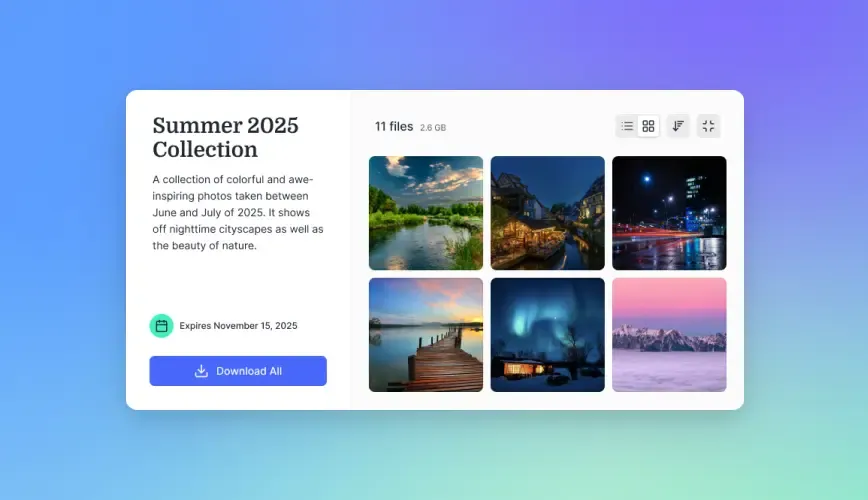
Unlimited guest access matters when you have rotating subcontractors who don't have accounts on your platform. Folder-level permissions let the electrical sub see the electrical logs without seeing the plumbing sub's RFIs. Audit trails capture every view and download, so if someone claims they didn't see a revised log, the record says otherwise.
Mobile upload is non-negotiable. The foreman isn't at a desk. Offline queuing helps on sites with spotty connectivity: photos and files sync when signal returns.
A practical folder structure: a "Site Logs" folder with dated subfolders (2026-03-15/, 2026-03-16/, etc.), a separate "Photos" folder with the same date structure, and an "RFIs" folder at the root. The foreman uploads the day's PDF log and photos to the right date folder. The electrical sub comments "Conduit run on grid C complete" directly on the log. The owner searches "delays last week" using Intelligence Mode and gets a summary with citations.


Get Started with Fastio
Unlimited guests, real-time updates, and audit logs. Start a 14-day trial.
Step-by-step: setting up daily log sharing in Fastio
Initial setup takes about 20 minutes. Daily use is a few minutes per upload.
Start a 14-day Fastio trial (credit card required). Create a workspace named for the project, e.g., "River St Bridge - Logs."
Build the folder structure before anyone uploads. Create Logs/, Photos/, and RFIs/ at the root. Inside Logs/ and Photos/, add a subfolder for each date as the project runs (or pre-create a month at a time).
Upload a daily-log-template.pdf to the workspace root so foremen always have the right format available.
Invite internal team members by email with full edit access. For external parties (subs, owners, inspectors), use Share Link on the relevant folder. Links work without accounts; set them to expire weekly.
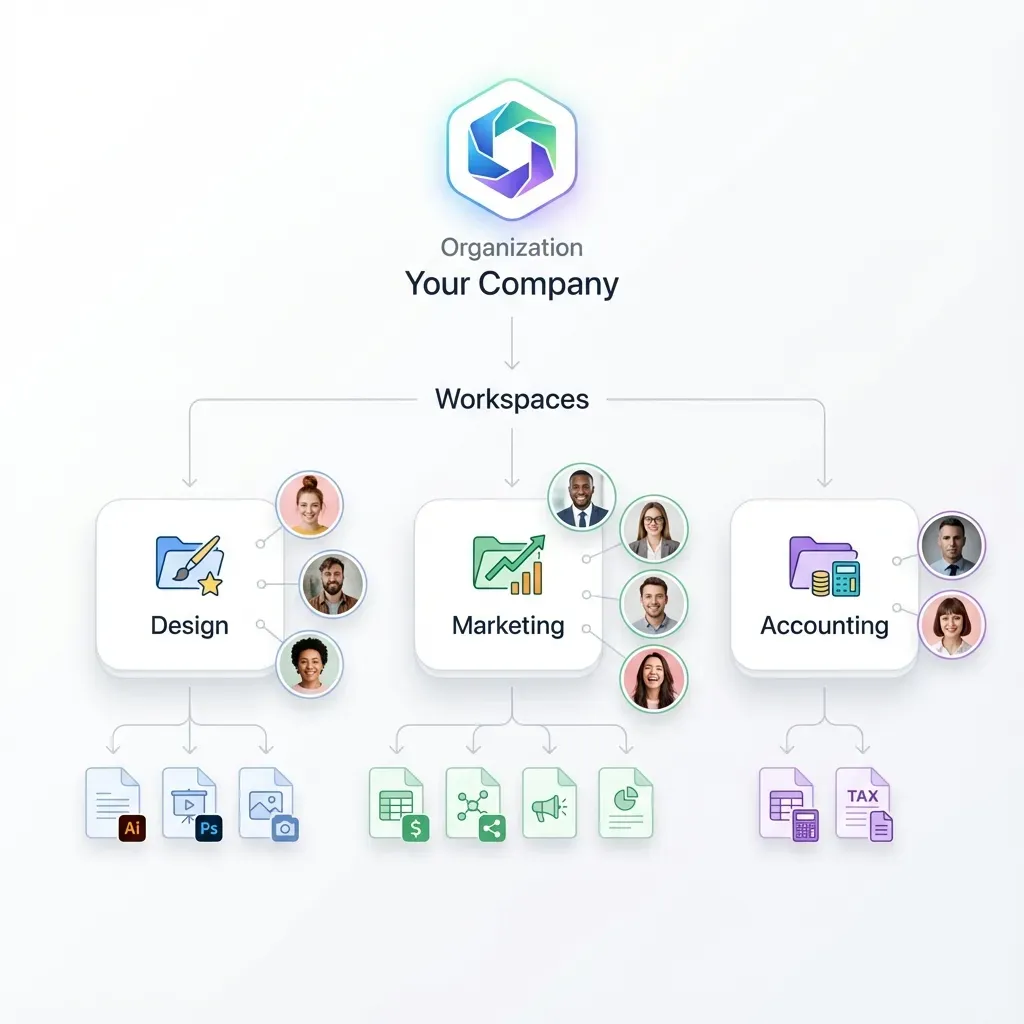
Assign permissions by role: superintendent gets admin, foremen get edit, subs get comment access on their trade folder, owners and inspectors get view-only.
For the owner portal, use Share > Portal mode: add the project logo and set a password. The owner gets a clean URL they can bookmark for the duration of the project.
The activity feed shows who viewed or downloaded what and when. Export it as CSV for dispute records or billing documentation.
Intelligence Mode (optional) indexes log content and photos. You can then search "any delays involving electrical last month" and get a cited answer drawn from the actual files.
The same activity is available to your other tools as an events feed over WebSocket or long-poll, so a connected project management tool can learn when new logs are uploaded and keep your schedule current.
Advanced features worth knowing
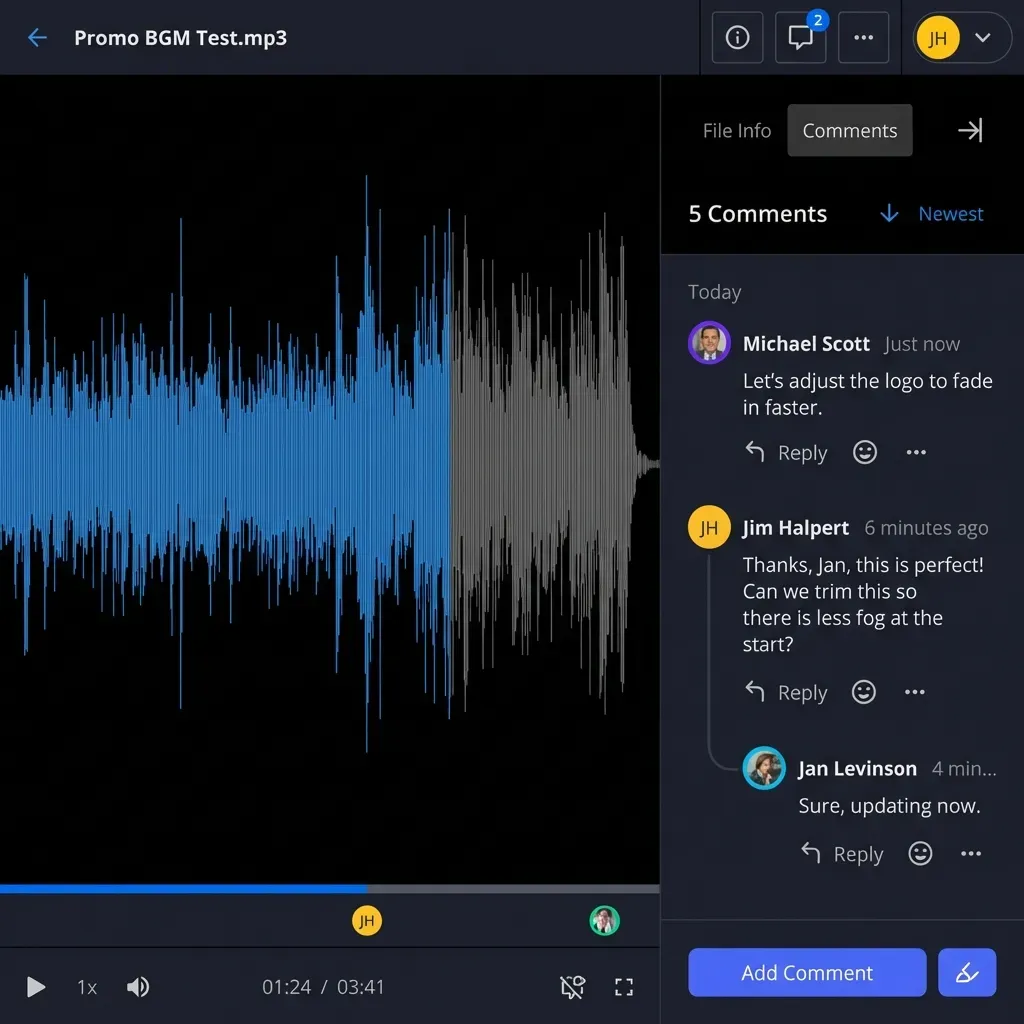
Pinned comments on PDF pages and photo regions are more useful than they sound. A sub can flag "crack visible here" on the exact spot in a pour photo, and that comment stays anchored to that location in the file. Reviewing it three months later, you can see exactly what was flagged and when.
Live presence (avatars showing who's currently viewing) and follow mode (syncing two viewers to the same page) make remote walkthroughs practical. A superintendent in the office can walk an owner through yesterday's log in real time without a screen share call.
Branded portals give the owner-facing view a professional look (your logo, your domain) and track views so you know they've actually looked at the log you sent.
Version history and full rollback cover the case where someone overwrites a finalized log. It's rare, but it happens, and having the history removes the argument.
One thing to know about guest access: guests can view, comment, and download, but they can't create new folders. If you need a sub to organize their own uploads, give them a full member seat for that project rather than a guest link.
If links expire and a sub loses access mid-project, regenerating takes about 10 seconds. Worth keeping one person responsible for link management so it doesn't fall through the cracks.
What actually works in practice
Standardize the template before the first log goes in. If foremen are filling out different fields, the logs become incomparable, which undermines the whole point of having them.
Train two people per site on mobile upload, not just one. When the lead foreman is out, someone else needs to know the routine.
Check audit logs weekly, not just when a dispute comes up. Catching an expired link or an access problem proactively takes five minutes; catching it during a claim takes hours.
Archive completed projects to a separate workspace rather than deleting them. Disputes and warranty claims can surface 12–18 months after project close.
On a 200-unit residential project in Phoenix, the superintendent piloted digital daily logs for six weeks before rolling out to the full portfolio. The constraint: foremen needed a one-page template pre-loaded in the workspace so they didn't improvise fields, which caused inconsistent data in the first week. After standardizing the template and training two crew leads on mobile upload, log review time dropped from 45 minutes per day (chasing email attachments) to under 10 minutes. That single site's data justified the rollout across three additional projects the following quarter.
Sources
References used to verify factual claims in this guide.
-
Daily reports in the construction industry are an integral part of the daily workflow on a jobsite. Digital reporting solutions reduce the risk of data loss and errors associated with manual entry.
Frequently Asked Questions
What is a construction daily log template?
A template lists standard fields: date, weather, crew count. activities, materials, delays, safety notes, photos. Use digital tools to fill and share instantly.
How do I share daily logs with subcontractors?
Use guest links in workspaces. Subs access without accounts, add comments, view real-time. Set permissions to prevent edits if needed.
Are construction daily logs legally required?
Not federally, but most contracts and states require them for disputes. They prove progress and delays.
What software is best for digital daily logs?
Look for mobile upload, guest sharing, and collaboration features. Fastio supports sharing without accounts for recipients.
How to handle photos in daily logs?
Upload directly to dated folders. Use previews for quick review. comments for feedback.
Related Resources

Get Started with Fastio
Unlimited guests, real-time updates, and audit logs. Start a 14-day trial.