How to Set Up a Client Portal for Your Therapy Practice
A client portal for therapists is a secure online space where practitioners share intake forms, session notes, and treatment plans with clients. This guide covers the features that matter, how EHR-bundled portals compare to standalone file-sharing tools, and how to set up a portal without replacing your existing practice management software.


What Is a Client Portal for Therapists?
A client portal is a private, web-based space where therapists and clients exchange documents, complete intake paperwork, and access shared resources without relying on email. Clients log in, see what their therapist has shared, upload anything requested, and download materials prepared for them.
For therapy practices, the volume of sensitive paperwork is constant. Intake forms, informed consent documents, treatment plans, insurance authorization letters, safety plans, progress questionnaires like the PHQ-9 or GAD-7. Every new client generates a stack of documents before their first session even starts.
The traditional approach is email, or worse, paper forms filled out in the waiting room ten minutes before the appointment. Both create problems. Email sends protected health information through channels that weren't designed for it. Paper forms slow down the clinical workflow and create filing backlogs that pile up between sessions.
A portal gives each client a single place to go. They complete intake paperwork on their own time, review documents their therapist has shared, and upload anything requested. The therapist sees a clear view of what's been completed and what's still outstanding, so the first session can focus on clinical work instead of administrative catch-up.
Over 60% of therapy practices now offer some form of digital client communication, according to industry surveys from the American Psychological Association. That number has grown steadily since the telehealth expansion of 2020, when practices that had never considered digital tools were forced to adopt them quickly.
Helpful references: Fastio Workspaces, Fastio Collaboration, and Fastio AI.
Related guides
- How to Set Up a White Label Client Portal for Your BusinessA white label client portal is a fully brandable workspace where agencies and service businesses share files, collect...
- How to Set Up a Client Portal for Your Photography BusinessA client portal for photographers is a branded hub where you manage the full client experience, from contracts and shot...
- How to Set Up a HubSpot Client Portal (And When You Need More)HubSpot's customer portal gives clients a branded interface to track support tickets, but it was never designed for...
- How to Set Up a Client Collaboration PortalA client collaboration portal is a dedicated online space where you share files, collect feedback, and manage projects...
- Best Free Client Portal Tools in 2026Most free client portal lists skip the fine print. This guide compares seven free client portal tools with their actual...
- How to Build a Salesforce Client Portal (And What It Actually Costs)Salesforce Experience Cloud lets you build branded customer portals for case management, knowledge bases, and partner...
More on this subject: Team Collaboration (125 guides)
Why Email and Paper Forms Fall Short
Most solo practitioners start with email because every client already has it. You send a PDF, the client prints it, fills it out by hand, scans it (if they have a scanner), and emails it back. Some clients just take a photo with their phone and text it. The result is a mix of file formats, incomplete forms, and documents scattered across multiple email threads.
No version control. When you update your intake form or informed consent document, you need every client to complete the new version. With email, there's no way to ensure a client isn't filling out an outdated form you sent them six months ago.
Missing documents delay treatment. A client who hasn't completed their intake questionnaire before the first session means you spend 15 minutes of billable time on paperwork instead of clinical assessment. For a practice seeing 25 clients per week, that's over six hours of lost clinical time monthly.
Security gaps are real. Email attachments containing diagnoses, treatment histories, and insurance information sit unencrypted in inboxes. Clients forward messages accidentally. Therapists who share a practice email address may see documents meant for another provider. None of this is acceptable when you're handling mental health records.
No audit trail. If a client disputes what information was shared with them, or an insurance company asks for documentation of your intake process, email threads don't provide a reliable record. You need timestamped logs showing when documents were shared, accessed, and completed.
Client friction compounds over time. Clients don't want to search their inbox for a safety plan their therapist shared three months ago. They want one place where everything lives, organized and accessible when they need it, especially during moments of crisis when quick access to resources matters most.

Features That Matter for Therapy Practices
Not every client portal is designed with therapy workflows in mind. Here's what to prioritize, ranked by how directly it affects your clinical practice.
Secure document exchange with access controls
The non-negotiable baseline. Clients upload completed forms and download documents you've shared, all through encrypted connections. You need granular permissions so that couples in therapy can each have private document folders alongside shared ones, and so that minors' records are only visible to authorized guardians.
Intake form management
The highest-impact feature for reducing administrative burden. You create a set of required documents (intake questionnaire, informed consent, privacy practices notice, insurance information, emergency contact form), and the portal shows each new client exactly what's pending. Good portals let you build custom forms or upload your existing PDFs for completion and e-signature.
Branded experience
Your portal should look like your practice, not like a generic file sharing tool. Custom logo, colors, and a clean interface that feels professional and calming. This matters in therapy more than most fields. Clients interacting with a branded, polished portal feel the same care and intentionality they experience in your office. A generic-looking tool undermines that.
Document organization by client
Each client should have their own folder structure. Intake documents, treatment plans, worksheets, and session resources should be organized so both you and the client can find what they need without scrolling through a flat file list. For group practices, each therapist needs visibility only into their own clients' documents.
Audit trails
Every document share, upload, download, and view should be logged with timestamps. This protects your practice in disputes, supports documentation requirements for insurance, and gives you a clear record of what information was provided to clients and when.
Mobile-friendly access
Clients will access their portal from their phone. If the upload experience isn't clean on mobile, they'll default to texting you photos of forms, which puts you right back where you started. Make sure any portal you choose works well on small screens.


Simplify document sharing with your therapy clients
Set up a branded, password-protected client portal with 250 GB of storage or more and no clinical software to replace. Built for therapy practices.
EHR-Bundled Portals vs. Standalone File-Sharing Tools
This is the decision that most "best client portal for therapists" articles gloss over because they're reviewing EHR platforms.
EHR-bundled portals from platforms like SimplePractice, TherapyNotes, and TheraNest include client portals as part of a larger practice management suite. SimplePractice plans start at $49/month depending on tier. TherapyNotes also starts at $49/month. These portals handle scheduling, billing, clinical notes, telehealth, and document exchange in one system.
The appeal is clear: everything in one place, one vendor, one login. But the trade-off is significant. If you already use a scheduling tool you like, or you've built your billing workflow around a specific clearinghouse, replacing everything to get a client portal means months of migration and retraining.
Standalone file-sharing portals like Fastio, ShareFile, and Citrix handle the document exchange piece without touching your clinical workflow. You keep your EHR for notes and billing, your scheduling tool for appointments, and use the portal purely for secure document sharing with clients.
This approach works well for several scenarios:
- Solo practitioners who want a simple, branded way to exchange documents without paying for a full EHR
- Group practices where different therapists use different EHR systems but need a unified client-facing portal
- Practices that primarily need secure document delivery for worksheets, resources, and treatment materials rather than full intake management
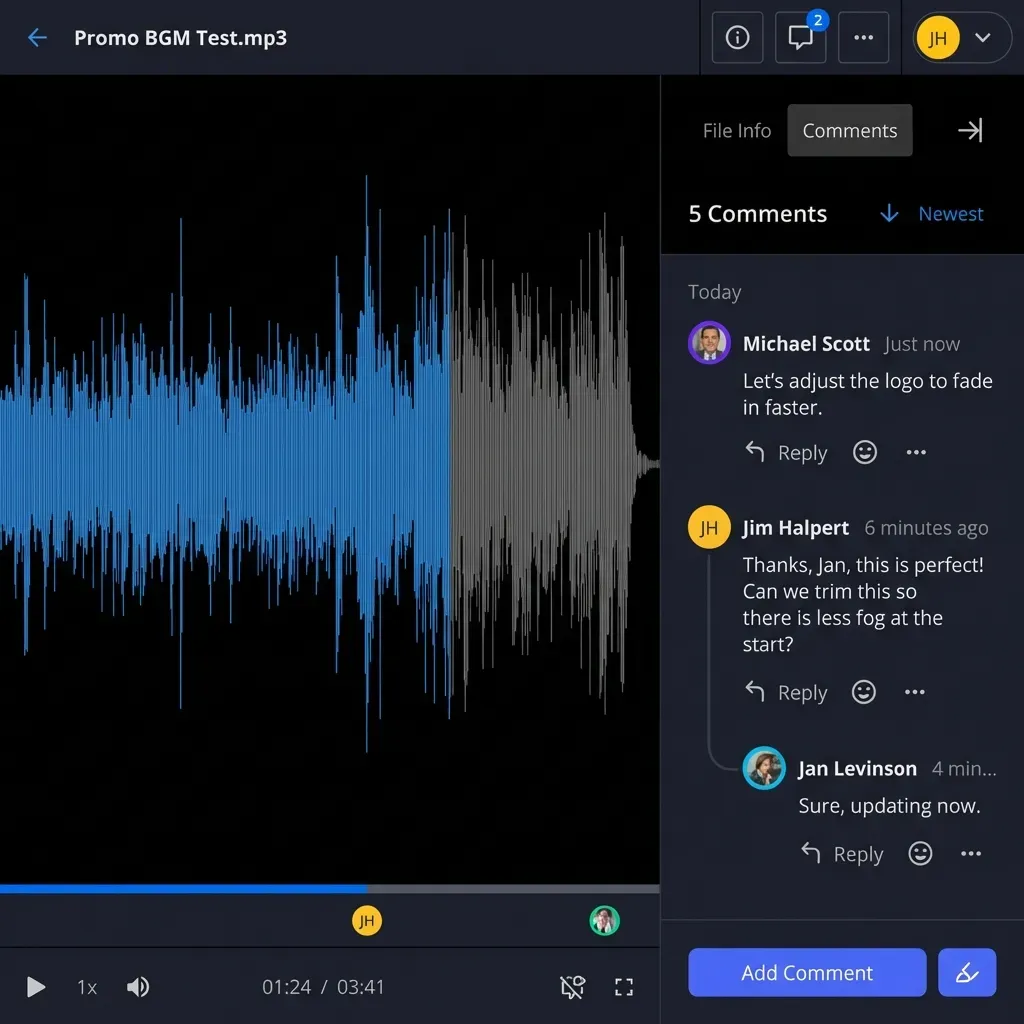
- Therapists who want to share large media files (guided meditation recordings, psychoeducation videos) that EHR portals typically can't handle
The standalone approach also tends to cost less. Fastio offers a 14-day Business Trial (card required; see /pricing/) with branded content portals and password protection, giving practices a dedicated environment to evaluate secure document sharing.
Setting Up a Standalone Client Portal
If you decide a standalone portal fits your practice better than an EHR-bundled option, here's a practical walkthrough. This example uses Fastio, but the general steps apply to any standalone file-sharing portal.
Step 1: Create your workspace structure
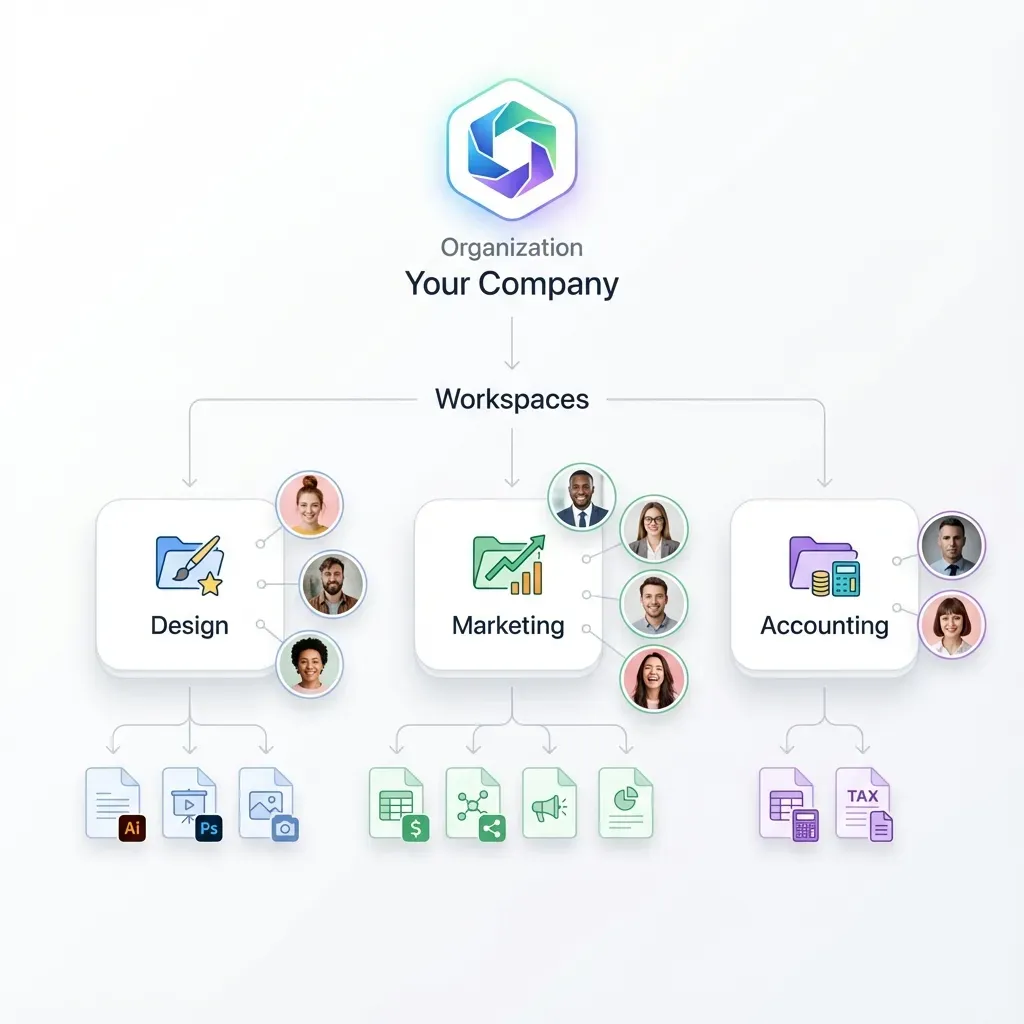
Set up a workspace for your practice. Inside it, create a folder for each client. Within each client folder, create subfolders for document categories: Intake, Treatment Plans, Worksheets, and Session Resources. This structure keeps everything findable as your practice grows.
Step 2: Build your portal
Create a branded share (what Fastio calls a Content Portal) for each client. Add your practice logo, choose colors that match your branding, and set a password. Each client gets a unique link and password to access only their documents. They never see another client's files.
Step 3: Upload your standard documents
Add your intake packet to a template folder: informed consent, privacy practices notice, intake questionnaire, insurance verification form, and any practice-specific documents. When you onboard a new client, copy these into their portal before their first session.
Step 4: Share the portal link
Send each new client their portal link and password during scheduling. Include brief instructions: "You'll find your intake paperwork at this link. Please complete and upload the signed forms before your first appointment." Most clients figure out the interface without additional guidance.
Step 5: Use receive shares for document collection
For collecting signed forms back from clients, set up a receive share. This gives clients an upload-only link where they can submit completed documents without being able to see or download other files in the workspace. It's a cleaner workflow than asking clients to navigate folder structures.
Step 6: Enable intelligence for searchability
If your portal tool supports it, turn on document indexing. Fastio's Intelligence feature auto-indexes uploaded files for search and AI-powered Q&A once enabled on a workspace, which means you can search across all client documents by content rather than filename. When you need to find every client who completed a specific assessment, a semantic search gets you there in seconds instead of opening folders one by one.
Practical Tips for Client Adoption
The best portal in the world doesn't help if clients don't use it. Adoption is the biggest challenge for therapy practices, because your client population spans every level of technical comfort.
Introduce the portal during scheduling, not intake. When a new client books their first appointment, send the portal link immediately with their intake paperwork. This gives them days to complete forms at their own pace rather than rushing through them in the waiting room.
Keep instructions simple. "Click this link, enter this password, download the forms, fill them out, and upload them back." That's the entire instruction set. Don't send a multi-page guide. If clients need help, walk them through it during a brief phone call.
Offer a paper backup for clients who need it. Some clients, particularly older adults or those experiencing acute mental health crises, may not be able to use a digital portal. Have paper versions of every form available in your office. Don't make the portal mandatory if it creates a barrier to care.
Share ongoing resources through the portal, not email. After sessions, upload relevant worksheets, psychoeducation handouts, or recommended reading lists to the client's portal. This trains clients to check their portal regularly and establishes it as the single source of truth for everything you share with them.
Use the portal for between-session assignments. If you assign mood tracking worksheets or thought records, put blank templates in the portal and ask clients to upload completed ones before the next session. This creates a natural rhythm of portal use that keeps clients engaged with the tool.
Monitor engagement quietly. Most portals show you when clients access their documents. If a client hasn't logged in to view their safety plan or hasn't completed intake forms, you know to follow up. This is more reliable than asking "Did you get my email?" at the start of a session.
Privacy Considerations for Mental Health Documents
Therapy documents require more careful handling than most professional file-sharing scenarios. Mental health records carry unique legal protections under federal and state law, and client expectations around confidentiality are foundational to the therapeutic relationship.
Understand what you're sharing digitally. Not every document belongs in a client portal. Progress notes with clinical observations, session recordings, and detailed diagnostic assessments may need to stay within your EHR system where access is tightly controlled. Portals work best for administrative documents (intake forms, consent documents, billing statements) and client-facing resources (worksheets, psychoeducation materials, treatment plan summaries written for the client).
Set document expiration where appropriate. Time-limited sharing is useful for documents that should only be accessible temporarily, such as a referral letter or an insurance pre-authorization form. Auto-expiring access links prevent documents from sitting in a portal indefinitely after they've served their purpose.
Review your state's telehealth and electronic communication regulations. Requirements vary . Some states have specific rules about how therapists can communicate electronically with clients, including what disclosures are required before using a client portal. Check with your state licensing board or a healthcare attorney if you're unsure.
Get informed consent for portal use. Add a section to your informed consent document that explains what the portal is, what types of information will be shared through it, and what the client's responsibilities are for maintaining the security of their login credentials. This protects both you and the client.
Use granular permissions for shared cases. In couples therapy, family therapy, or cases involving minors with divorced parents, you need fine-grained control over who sees what. A portal that only offers "share everything" or "share nothing" won't work for these situations. Look for folder-level or file-level permission controls that let you share a treatment plan summary with both parents while keeping individual session resources private.
Fastio's granular permissions system works at the organization, workspace, folder, and individual file level, which gives you the flexibility to handle complex sharing scenarios without creating workarounds.
Sources
References used to verify factual claims in this guide.
-
Over 60% of therapy practices now offer some form of digital client communication
-
Secure document exchange reduces administrative time by up to 30%
Frequently Asked Questions
What is the best client portal for therapists?
It depends on your existing setup. If you want everything in one platform, SimplePractice and TherapyNotes bundle portals with EHR, scheduling, and billing (starting at $49/month). If you already have an EHR and just need secure document sharing, standalone tools like Fastio (starting at $9.99/month with a 14-day Business Trial, card required) or ShareFile give you branded portals without replacing your clinical software.
How do therapists share documents securely with clients?
The most common methods are EHR-integrated client portals, standalone file-sharing portals with password protection, and encrypted email services. Client portals are the most practical option because they provide a persistent, organized space where clients can access documents anytime, rather than searching through email threads for attachments.
Do therapists need a client portal?
Not strictly, but practices without portals spend more time on administrative tasks like chasing intake forms and managing document exchange through email. Secure document exchange through portals reduces administrative time by up to 30%, and clients increasingly expect digital access to their healthcare documents.
Can I use a client portal alongside my existing EHR?
Yes. Standalone portals like Fastio handle document sharing independently from your EHR. You keep your clinical notes, billing, and scheduling in your existing system and use the portal for client-facing document exchange, worksheets, and resource sharing.
How do I get clients to actually use the portal?
Introduce it during scheduling, not at the first appointment. Send the portal link with intake paperwork immediately after booking so clients have time to complete forms before their session. Share ongoing resources through the portal instead of email, and use it for between-session assignments to build a regular habit of checking it.
What documents should I share through a client portal vs. keep in my EHR?
Use the portal for administrative and client-facing documents like intake forms, consent documents, worksheets, psychoeducation handouts, treatment plan summaries, and billing statements. Keep detailed clinical notes, diagnostic assessments, and session recordings within your EHR system where access controls are designed for clinical documentation.
Related Resources

Simplify document sharing with your therapy clients
Set up a branded, password-protected client portal with 250 GB of storage or more and no clinical software to replace. Built for therapy practices.