How to Set Up a Client Intake Portal That Collects Documents, Not Just Form Fields
A client intake portal is a branded online workspace where professional service firms collect documents, signed agreements, and client information before formally beginning an engagement. This guide covers the difference between simple intake forms and full document collection portals, walks through setting one up step by step, and compares the tools that handle both sides of the intake process.


Why Intake Forms Aren't Enough
Most search results for "client intake" point you to form builders like Typeform, JotForm, or Google Forms. These tools collect text answers well. Name, email, phone number, business description, project goals. But professional services intake involves more than filling out a questionnaire.
An accounting firm needs last year's tax returns, payroll records, and signed engagement letters. A law firm needs contracts, evidence files, and identification documents. A marketing agency needs brand guidelines, logo files, and existing campaign assets. None of that fits into a form field.
The gap between "intake form" and "intake portal" is the difference between collecting answers and collecting everything. A form captures structured data. A portal handles the unstructured part: file uploads, document organization, version tracking, and secure access controls that keep sensitive client materials protected.
According to research compiled by UserGuiding, 66% of companies report a 50% reduction in time spent on onboarding after automating the process. But automation only works when the system can handle the full scope of what needs to be collected, not just the text portions.
Manual intake processes are also where things fall apart most often. When firms rely on email to collect documents, files get lost in threads, arrive in the wrong format, or never arrive at all. The follow-up cycle of "did you send that?" and "can you resend?" eats hours and delays the start of billable work.
Helpful references: Fastio Workspaces, Fastio Collaboration, and Fastio AI.
Related guides
- How to Set Up a White Label Client Portal for Your BusinessA white label client portal is a fully brandable workspace where agencies and service businesses share files, collect...
- How to Set Up a Client Portal for Your Photography BusinessA client portal for photographers is a branded hub where you manage the full client experience, from contracts and shot...
- How to Set Up a HubSpot Client Portal (And When You Need More)HubSpot's customer portal gives clients a branded interface to track support tickets, but it was never designed for...
- How to Set Up a Tax Preparation Client PortalA tax preparation client portal is a secure online workspace where tax preparers collect documents, share returns for...
- How to Set Up a Client Collaboration PortalA client collaboration portal is a dedicated online space where you share files, collect feedback, and manage projects...
- How to Set Up a Client Portal for Financial AdvisorsFinancial advisors juggle hundreds of client households, each needing secure access to statements, planning documents,...
More on this subject: Team Collaboration (125 guides)
What a Client Intake Portal Actually Needs
A client intake portal sits between a basic form builder and a full project management platform. It handles the collection phase of onboarding, the period between signing a client and starting work. Here's what separates a functional intake portal from a dressed-up form:
Secure file upload and organization. Clients need to upload PDFs, images, spreadsheets, and sometimes large media files. The portal should accept common formats, organize uploads into folders or categories, and handle files larger than a typical email attachment allows.
Branded experience. The portal should carry your firm's logo, colors, and identity. First impressions set the tone for the engagement, and a branded portal signals professionalism. Clients should feel like they're interacting with your firm, not a third-party tool.
Access controls and permissions. Not every team member needs to see every intake document. Role-based access lets you control who views, downloads, or manages uploaded materials. Guest access lets clients submit files without creating a full account.
Document versioning. Clients sometimes upload the wrong file and need to replace it. Version history prevents confusion about which document is current and keeps a record of what was submitted when.
Status tracking. Both your team and the client should know what's been submitted and what's still outstanding. A checklist or progress indicator reduces the back-and-forth emails asking about missing items.
Audit trail. For regulated industries like legal, financial services, and healthcare, you need a record of who uploaded what, when they uploaded it, and who accessed it afterward. This matters for compliance and for resolving disputes about document delivery.
Step-by-Step: Setting Up Your Intake Portal
Setting up a client intake portal doesn't require custom development. Most firms can have a working portal running within a few hours using existing tools. Here's the process from start to finish.
1. Map Your Document Requirements
Before choosing a tool, list everything you collect from a typical new client. Group items into categories:
- Identity and verification: Government ID, business registration, tax ID numbers
- Engagement documents: Signed contracts, engagement letters, terms of service
- Project materials: Brand assets, existing files, reference documents, prior work
- Financial records: Bank statements, tax returns, invoices, payroll data
- Compliance documents: Insurance certificates, licenses, regulatory filings
Be specific. "Send us your documents" leads to incomplete submissions. "Upload your 2025 tax return, W-9, and signed engagement letter" gets results.
2. Choose Your Portal Tool
You have three broad categories of tools. Pick based on what dominates your intake:
Form-first tools (Typeform, JotForm, Cognito Forms) work when intake is mostly structured data with a few file attachments. They're simple to set up but limited for heavy document collection.
Document collection tools (FileRequest Pro, Clustdoc, Pipefile) specialize in receiving files from clients. They handle uploads, organization, and deadline tracking, but may lack broader collaboration features.
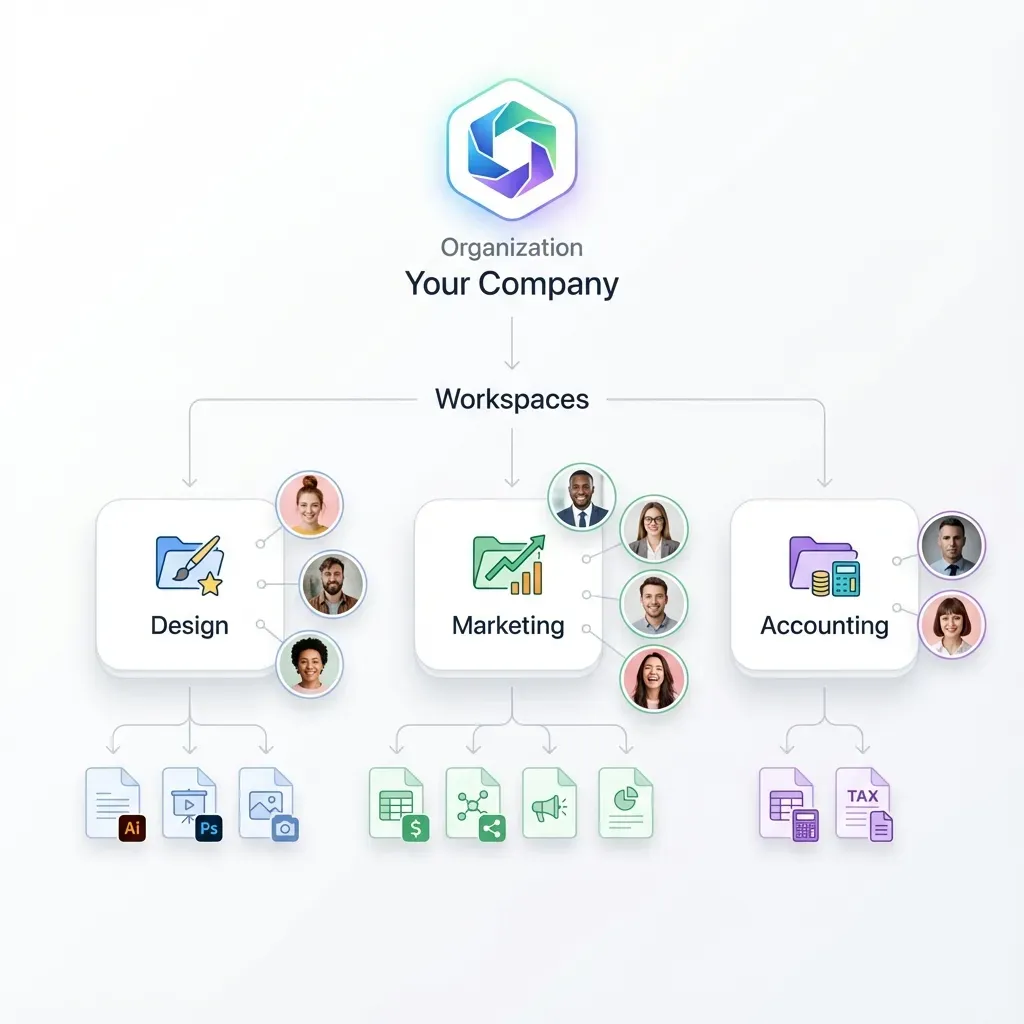
Workspace platforms (Fastio, SharePoint, Moxo) give you a persistent space where clients upload files, your team organizes them, and the workspace continues to serve the engagement after intake is complete. These are the best fit when intake involves many files and when you want the collected documents to live in the same system you use for ongoing work.
3. Structure Your Workspace
Create a folder structure that mirrors your intake checklist. For an accounting firm, that might look like:
New Client Intake/
├── Engagement Letter (signed)/
├── Tax Returns (prior 2 years)/
├── Payroll Records/
├── Bank Statements/
└── Business Registration/
Label folders so clients know exactly where each document belongs. If your tool supports it, add descriptions or instructions to each folder.
4. Configure Access and Branding
Set up the portal with your firm's branding: logo, color scheme, and a welcome message that explains what the client needs to do. On Fastio, Receive shares let you create branded collection points where clients upload files directly to designated folders. You can add custom logos, colors, and background images, and control whether guests need a password or just a link.
Configure permissions so clients can upload to their designated folders but can't access other clients' materials. Your internal team should have broader access to review and organize submissions.
5. Send the Intake Link
Share the portal link with your new client immediately after they sign. Include a brief message that explains:
- What they need to upload
- Where to put each document
- The deadline for completing intake
- Who to contact if they have questions
Keep this message short. The portal itself should make the process self-explanatory.
6. Monitor and Follow Up
Check submission progress regularly. Most portal tools show which items have been uploaded and which are still missing. Follow up on outstanding items before the deadline, not after.
On Fastio, activity events let you track uploads as they happen, so you know the moment a client submits a document without checking manually.


Start Collecting Client Documents Today
Set up a branded intake portal with generous storage. Clients upload directly to organized folders, no account required on their end. Built for client intake portal workflows.
Comparing Intake Portal Approaches
There's no single right answer for every firm. The best tool depends on your intake volume, the types of documents you collect, and how much you want to spend.
Email and shared drives. The lowest-tech approach. You create a Google Drive or Dropbox folder, share the link, and ask clients to upload. It works for small firms with low volume, but it falls apart quickly. There's no structure, no audit trail, and no way to enforce what gets uploaded where. Clients often dump everything into one folder or forget to upload entirely.
Dedicated intake platforms. Tools like Clustdoc and Lawmatics (for legal) are purpose-built for intake workflows. They combine forms, file collection, e-signatures, and progress tracking. The downside is specialization: once intake is done, you usually need to move files into a different system for ongoing work.
General-purpose workspace platforms. Fastio, SharePoint, and similar tools give you a workspace that serves intake and continues through the engagement. You set up a Receive share for collection, organize files into folders, and keep working in the same space after intake closes. Fastio offers a 14-day Business Trial (card required; see /pricing/) with branded content portals and guest access, which covers intake evaluation for small to mid-size firms.
Industry-specific practice management. Clio (legal), PracticePanther (legal), and SimplePractice (healthcare) bake intake into broader practice management suites. If you already use one of these tools for case management, using their intake features keeps everything in one system. But if you don't, adopting a full practice management platform just for intake is overkill.
The decision usually comes down to this: if your intake is mostly forms with a few file uploads, a dedicated intake tool covers it. If your intake is document-heavy and you want the files to stay where they are after collection, a workspace platform is the better fit.
Making Intake Faster with Templates and Automation
Once you've run intake for a dozen clients, patterns emerge. The same document categories, the same folder structures, the same welcome messages. Templates turn that repetition into consistency.
Create a reusable folder template. Build your standard intake folder structure once and duplicate it for each new client. This ensures every engagement starts with the same organized layout and nothing gets missed.
Write standardized intake instructions. Draft a clear, tested set of instructions that you send with every intake link. Include common file format requirements (PDF preferred over screenshots, for example) and size guidelines. Update this template when clients consistently ask the same questions.
Set deadline reminders. Most firms give clients 5 to 10 business days to complete intake. Tools with notification features can send automated reminders when deadlines approach. If your portal doesn't support automated reminders, add calendar reminders for your team to follow up manually.
Use checklists for internal review. After a client finishes uploading, your team needs to verify that everything is present and in the right format. A simple checklist, kept as a note inside your workspace, prevents files from slipping through without review.
Research from OnRamp found that onboarding templates improve effectiveness by 20% and reduce the installation period by 49%. Those numbers apply to client intake too: a standardized process catches missing documents earlier and gets engagements started faster.
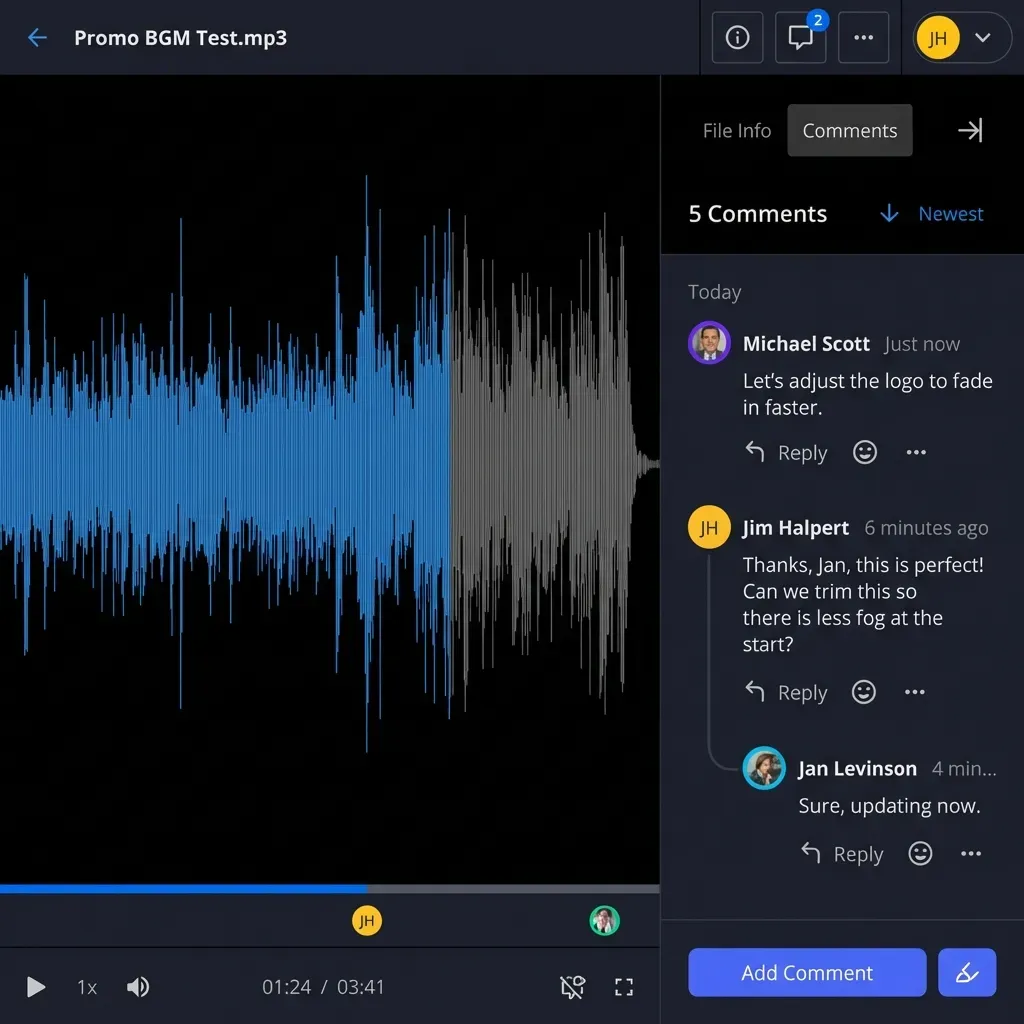
On Fastio, you can pair document collection with Intelligence Mode. Once enabled on a workspace, uploaded files are automatically indexed for semantic search. That means after intake is complete, your team can ask questions about the collected documents, like "What's the client's tax ID number?" or "When does the existing contract expire?", and get answers with citations pointing to the specific file and page. It turns a static document collection into a searchable knowledge base for the engagement.
Security and Compliance Considerations
Client intake documents are sensitive by definition. Tax returns, identification documents, financial records, legal agreements. The portal you choose needs to protect this material appropriately.
Encryption. Files should be encrypted in transit (TLS/HTTPS) and at rest. This is table stakes for any modern platform, but verify it rather than assuming it.
Access controls. Limit who can view intake documents. Not everyone in your firm needs access to every client's financial records. Role-based permissions let you restrict access to the team members assigned to each engagement.
Guest access without account creation. Clients shouldn't need to create an account on your platform just to upload files. The best intake portals support link-based or password-protected guest access that lets clients submit documents with minimal friction. Fastio supports guest access for Receive shares, so clients can upload without signing up.
Audit logging. Keep records of who uploaded what, when, and who accessed it. This matters for regulated industries, but it's good practice for everyone. If a client claims they sent a document and your team says they didn't, the audit log resolves it.
Retention and deletion. Have a policy for how long you keep intake documents and how you dispose of them when an engagement ends. Some industries have specific retention requirements. Your portal should make it easy to archive or delete client materials when the time comes.
Password protection. For particularly sensitive engagements, adding a password to the intake portal adds another layer of protection beyond the access link. Fastio Receive shares support password protection alongside link-based access.
One thing to be honest about: if your firm operates in a regulated industry that requires specific compliance certifications like strict security requirements or enterprise security standards, verify that your chosen tool holds those certifications. Not every platform does, and "has security features" is not the same as "is certified compliant."
Sources
References used to verify factual claims in this guide.
-
66% of companies report 50% time reduction post-onboarding automation
-
Onboarding templates improve effectiveness by 20% and reduce the installation period by 49%
Frequently Asked Questions
What is a client intake portal?
A client intake portal is a branded online workspace where professional service firms collect documents, signed agreements, and client information before formally beginning an engagement. Unlike a simple intake form that captures text responses, a portal handles file uploads, document organization, version tracking, and secure access controls for sensitive materials.
How do you collect documents from new clients?
The most reliable method is a dedicated upload portal with a clear folder structure and specific instructions for each required document. Share the portal link with the client right after signing, list exactly what's needed, set a deadline, and follow up on missing items before the deadline passes. Avoid relying on email, which leads to lost files and scattered threads.
What should a client intake portal include?
At minimum, a client intake portal needs secure file upload capability, a folder structure that maps to your document requirements, branded presentation, access controls so clients only see their own materials, and an audit trail that logs who uploaded what and when. Status tracking and automated reminders help reduce follow-up work.
How long should clients have to complete intake?
Most professional service firms give clients 5 to 10 business days to complete document submission through an intake portal. Shorter deadlines work for simple engagements with few required documents. Longer timelines may be necessary when clients need to gather records from third parties like banks or prior service providers.
Can I test client intake before subscribing?
Yes. Many platforms offer trials to test document collection. Fastio offers a 14-day Business Trial (card required; see /pricing/) that includes branded portals and guest access, covering intake evaluation for small to mid-size firms. Google Drive and Dropbox also work for basic collection, though they lack built-in structure and audit trails.
What's the difference between a client intake form and a client intake portal?
An intake form collects structured text data, like names, contact information, and questionnaire responses. An intake portal handles both structured data and unstructured document collection, including file uploads, version tracking, folder organization, and access controls. If your intake involves more than a few file attachments, you need a portal, not just a form.
Related Resources

Start Collecting Client Documents Today
Set up a branded intake portal with generous storage. Clients upload directly to organized folders, no account required on their end. Built for client intake portal workflows.