How to Choose Board Portal Software for Your Organization
Board portal software replaces email attachments and shared drives with a secure, purpose-built platform for board meetings, document distribution, and governance workflows. This guide covers what to look for, how vendors compare on security and pricing, and how to run a selection process that gets directors to actually use the tool.

What Board Portal Software Does
Board portal software is a secure digital platform that enables boards of directors to access meeting materials, vote on resolutions, and collaborate on governance documents. It replaces the patchwork of emailed PDFs, shared Google Drive folders, and printed board books that most organizations default to when they haven't invested in purpose-built governance tooling. The core functionality is straightforward: document management for board packs and agendas, electronic voting on resolutions, meeting scheduling, action item tracking, and audit trails that record every view, download, and approval. What separates board portals from general-purpose file sharing is that they're designed around the governance meeting cycle. They understand board books, committee structures, and the security requirements that come with directors accessing material non-public information. The board portal market has grown steadily as organizations move away from paper-based governance. 1 billion to $3.3 billion depending on how broadly they define "board portal," with compound annual growth rates between 10% and 12%. Cloud deployment now accounts for over 55% of installations, up from roughly a third five years ago. 92% of Fortune 500 companies use some form of board portal, but adoption drops off sharply in the mid-market and nonprofit sectors. Many smaller organizations still manage board materials through email or consumer cloud storage, which creates both security gaps and operational friction that compounds over time.
Helpful references: Fastio Workspaces, Fastio Collaboration, and Fastio AI.
Related guides
- How to Evaluate Diligent Board Portal Before You BuyDiligent is the largest board portal vendor globally, serving over 700,000 board members across more than 25,000...
- How to Evaluate Board Governance Software for Your OrganizationBoard governance software helps organizations enforce corporate governance policies by tracking director terms,...
- How to Choose Board Meeting Software That Directors Will Actually UseBoard meeting software handles the full meeting lifecycle, from building agendas and distributing board packs to...
- How to Choose a Board Portal for Your NonprofitGuide to board portal nonprofits: Nonprofit boards need the same secure document access, meeting management, and...
- How to Choose Board Management Software That Actually Gets UsedBoard management software centralizes meeting preparation, document distribution, voting, and governance records in one...
- How to Build and Distribute Digital Board BooksBoard book software helps organizations compile, format, and securely distribute the document packages that board...
More on this subject: Data Rooms and Due Diligence (53 guides)
Must-Have Features in Board Portal Software
Not every board portal feature matters equally. Some are table stakes, others are differentiators, and a few are marketing fluff that boards rarely use in practice. Here's what to prioritize.
Document Management and Board Book Builder
This is the core of any board portal. You need drag-and-drop agenda creation, automatic page numbering, version control with clear change tracking, and the ability to compile multiple documents into a single board book that directors can navigate with a table of contents. Test how the vendor handles last-minute document updates: can you swap out a page in an already-published board pack without breaking bookmarks or annotations?
Security and Access Controls
Board materials frequently contain financial projections, M&A discussions, compensation data, and strategic plans. 2 or 1. Granular permissions should operate at the document level, not just the folder level. A compensation committee chair shouldn't automatically see audit committee materials.
Electronic Voting and E-Signatures
Formal resolutions need a proper vote with a timestamped audit trail. The best platforms support both synchronous voting during meetings and asynchronous written consent between meetings. E-signature integration (native or through DocuSign) saves time on consent resolutions and committee approvals.
Annotation and Collaboration Tools
Directors prepare differently. Some highlight and annotate directly on documents. Others take separate notes. A good board portal lets directors annotate PDFs without modifying the original, share notes with other board members selectively, and carry annotations forward when document versions update.
Mobile and Offline Access
Board members travel frequently and prepare for meetings in airports, hotels, and cars. Native iOS and Android apps with offline document access are no longer optional. Test the offline experience specifically: can directors download an entire board pack on WiFi and read it on a plane?
Audit Trail
Every governance platform claims audit trails, but the detail varies. Look for timestamped logs that capture who viewed which document, when, for how long, whether they downloaded or printed it, and what annotations they made. These logs should be tamper-proof and exportable for compliance purposes.
How Board Portal Pricing Works
Board portal pricing is notoriously opaque. Most enterprise vendors require a sales conversation before sharing numbers, which makes comparison shopping difficult. Here's what the landscape actually looks like.
Enterprise Tier ($15,000 to $100,000+ per year)
Diligent, the market leader with over 700,000 directors across 25,000 organizations, sits at the top of this range. Pricing is quote-based and typically scales with the number of entities, boards, and directors. Organizations at this tier get dedicated support, advanced compliance certifications (enterprise security standards, security requirements), and governance analytics.
Mid-Market Tier ($6,000 and up)
OnBoard targets this segment with a cleaner interface and faster onboarding than the enterprise incumbents. BoardEffect (now part of the OnBoard family after acquisition by Passageways) offers similar functionality with nonprofit-specific pricing.
Small Organization Tier ($1,000 and up)
Boardable is the most transparent option here, with entry-level tiers for basic functionality and scaling options for advanced features. These platforms prioritize ease of use over governance depth, making them a good fit for organizations with straightforward meeting cycles.
What Drives Cost Up
Several factors push pricing higher than the base quote: the number of subsidiary boards or committees, data residency requirements (hosting in specific geographic regions), single sign-on integration, custom branding, and advanced analytics. Some vendors also charge separately for training and onboarding, which can add thousands to the first-year cost.
The Hidden Cost: Director Adoption
The most expensive board portal is the one directors refuse to use. If the interface is confusing or the mobile app is clunky, board members will forward documents to personal email, which defeats the security purpose entirely. Factor in the vendor's director adoption rates and training resources when comparing pricing. A cheaper tool that directors actually use beats an expensive one they work around.



Secure Document Sharing for Your Board
Fastio workspaces give your board granular permissions, audit trails, and AI-powered document search. generous storage. Built for board portal software workflows.
Security Requirements for Board Portals
Board portal security requirements are higher than typical SaaS because the data is unusually sensitive. A leaked board pack can trigger SEC investigations, tank stock prices, or derail M&A negotiations. Here's what matters.
Encryption Standards
Ask specifically about encryption key management: does the vendor hold the keys, or can your organization bring its own? Customer-managed keys add complexity but give you more control.
Multi-Factor Authentication
MFA should be mandatory, not optional. Enterprise deployments should support hardware security keys (FIDO2/WebAuthn) in addition to TOTP authenticator apps. SMS-based MFA is better than nothing but vulnerable to SIM swapping attacks, which is a real risk when targeting board-level individuals.
Remote Device Management
When a director loses a laptop or phone, you need to wipe board documents from that device without waiting for IT to retrieve it physically. The best platforms let administrators remotely revoke access and delete cached documents from specific devices within minutes.
Data Residency
Boards of European organizations, government agencies, and regulated financial institutions often need data stored in specific geographic regions. Ask vendors about their data center locations and whether they can guarantee that board documents stay within a specific jurisdiction. This requirement is becoming more common as data sovereignty regulations expand globally.
Compliance Certifications
Enterprise security standards is the standard expectation for any board portal handling sensitive data. Public companies with international directors may need security requirements. Healthcare organizations should look for strict security requirements. Financial institutions may require additional certifications depending on their regulatory environment. Ask for the most recent audit report, not just a checkmark on the vendor's website.
Zero-Trust Architecture
Some newer platforms market zero-knowledge or zero-trust security models where even the vendor cannot access your documents. This is a meaningful differentiator if your threat model includes vendor-side breaches or government data requests. Ask vendors specifically what they can and cannot access on their own infrastructure.
Enterprise Boards vs. Nonprofit Boards
The board portal market splits into two distinct buying patterns with different priorities, budgets, and adoption challenges.
Enterprise and Public Company Boards
The stakes for every document are high, and procurement runs through formal IT evaluation with security questionnaires, master service agreements, and data processing addendums. Enterprise boards need: D&O questionnaire management, compensation committee workflows, ESG reporting, subsidiary board management, and integration with existing governance infrastructure.
Nonprofit and Association Boards
Nonprofit boards are fundamentally different. Committees multiply: fundraising, programs, finance, governance, development. The organization's IT support may be one person or nobody at all. For nonprofits, the top priorities are: affordable pricing, simple onboarding that a non-technical volunteer can complete in minutes, reliable mobile access, and basic voting and document sharing. BoardEffect and Boardable have built their businesses around nonprofit-specific features and pricing. Diligent and OnBoard serve the enterprise segment more effectively. Choosing a tool built for the wrong audience creates friction that no amount of customization can fix.
Where General-Purpose Platforms Fit
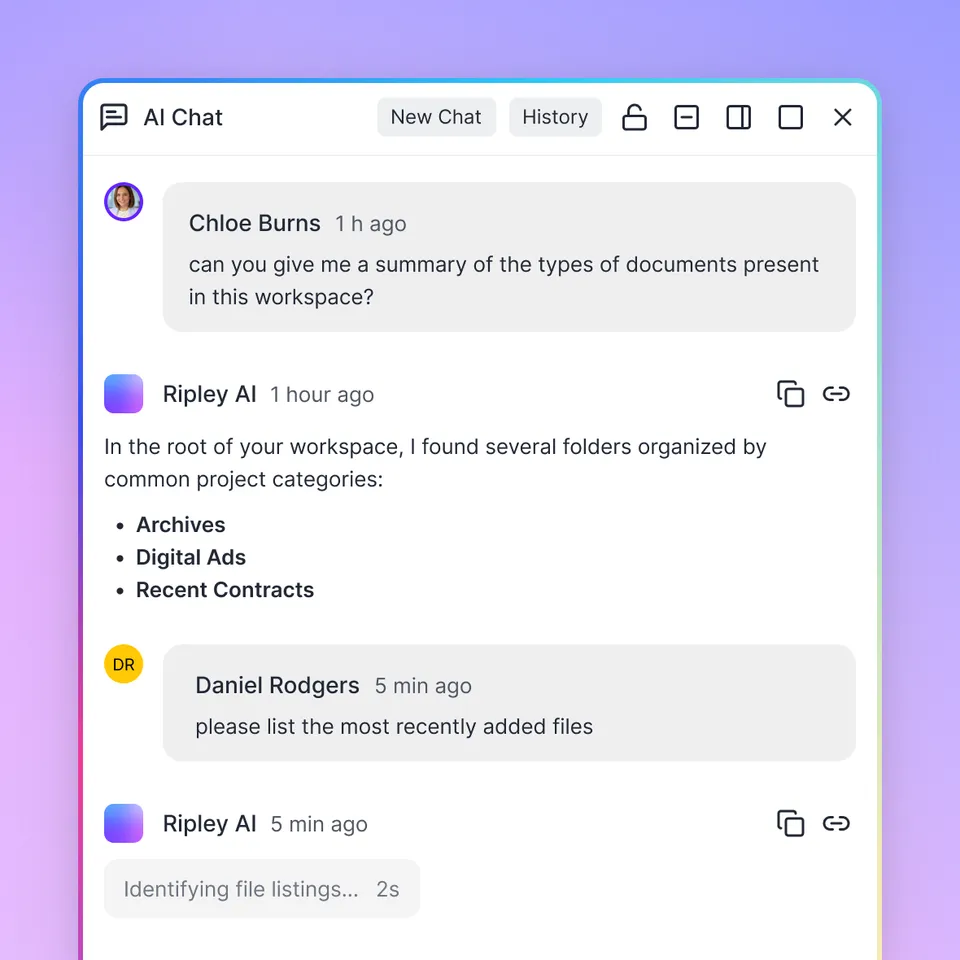
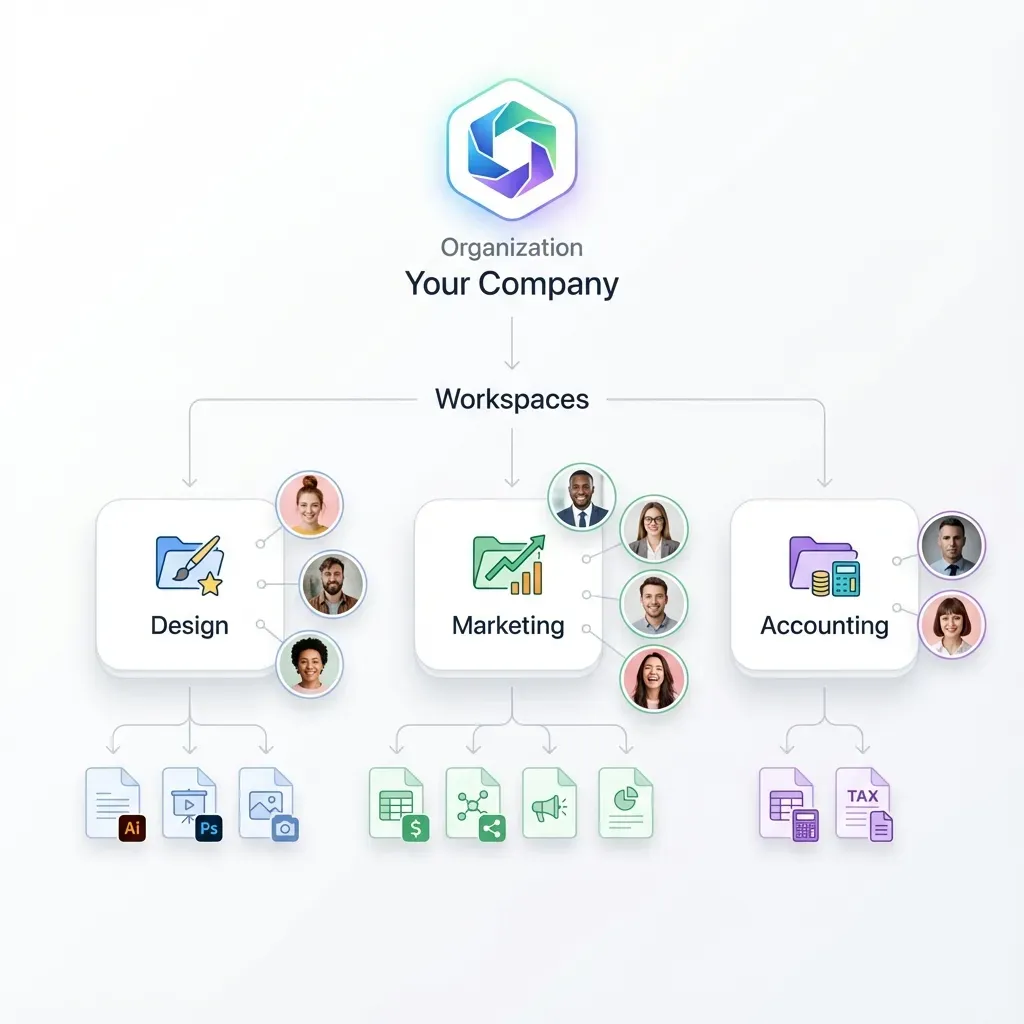
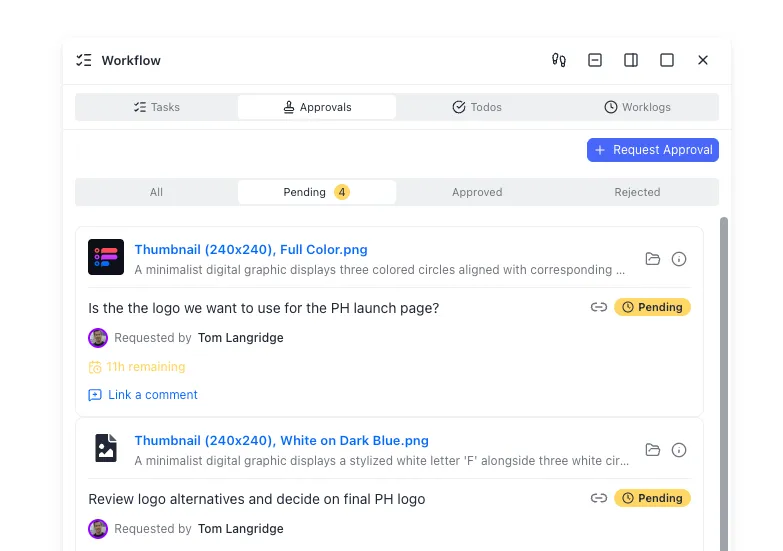
Some organizations, especially those with simpler governance structures, find that general-purpose workspace platforms meet their needs without the cost of dedicated board portal software. Platforms like Fastio offer granular permissions, audit trails, branded portals, and document collaboration features that cover many board portal use cases. When intelligence features are enabled, uploaded documents are automatically indexed for search and AI-powered Q&A, so directors can ask questions about board materials and get answers with citations to specific pages. This approach works best for organizations that need secure document sharing and basic governance workflows without the full committee management and compliance certification stack that enterprise board portals provide.
Running a Board Portal Selection Process
Most board portal purchases go wrong in the evaluation phase, not the implementation.
Step 1: Document Your Governance Workflow
Before talking to vendors, map how your board currently operates. How many boards and committees do you have? How often do they meet? How are materials distributed today? What's the typical board pack size? Who assembles the agenda? What voting happens between meetings? This baseline tells you which features you'll actually use versus which ones sound good in a demo.
Step 2: Define Your Non-Negotiables
Separate requirements into three tiers. Must-haves are features that are absolute blockers (probably security, mobile access, and basic document management). Should-haves improve the experience but aren't dealbreakers (annotations, calendar integration, AI summaries). Nice-to-haves are features you'd use eventually but don't need at launch (board evaluations, entity management, ESG reporting).
Step 3: Shortlist 3 to 4 Vendors
Match vendors to your organization's size and type. Request demos from vendors that serve your segment and ask specifically about customers similar to your organization.
Step 4: Run a Director Pilot
This is the step most organizations skip, and it's the one that prevents adoption failures. Ask them to complete realistic tasks: find the agenda for the next meeting, annotate a document, cast a vote, access materials on their phone. Collect structured feedback on ease of use, not just feature completeness.
Step 5: Negotiate on Total Cost
Get pricing that includes implementation, training, ongoing support, and any per-entity or per-committee charges. Ask about multi-year discounts. Confirm what happens to your data if you switch vendors. Understand the renewal terms before signing. Board portal vendors know switching costs are high once directors are trained, so the initial contract is your best negotiating use.
Step 6: Plan the Rollout
Phase the rollout by committee if you have multiple boards. Start with the group that's most open to change, get them comfortable, then expand. Assign a governance administrator who owns the platform day-to-day. Schedule a "how to use the board portal" session before the first meeting, not after.
Sources
References used to verify factual claims in this guide.
-
The board portal market was estimated at $1.1 billion in 2024 Cloud deployment accounts for over 55% of board portal installations
-
Diligent serves over 700,000 directors across 25,000 organizations
Frequently Asked Questions
What is a board portal?
A board portal is secure software that gives boards of directors a private digital workspace for accessing meeting materials, voting on resolutions, tracking action items, and communicating between meetings. It replaces emailed PDFs and paper board books with a centralized platform that includes audit trails, role-based permissions, and mobile access.
How much does board portal software cost?
Pricing varies widely by segment. Small organization platforms like Boardable offer entry-level tiers with transparent per-user billing. Implementation fees, training, and add-ons like data residency or SSO integration can increase the total cost.
What is the most popular board portal software?
Diligent is the largest vendor by market share, serving over 700,000 directors across 25,000 organizations including many Fortune 500 companies. OnBoard and BoardEffect are popular in the mid-market and nonprofit sectors respectively. Boardable has gained traction among smaller organizations due to its transparent pricing and simpler interface.
Do nonprofits need board portal software?
Nonprofits with active boards benefit from board portal software, but the requirements differ from corporate boards. Platforms like BoardEffect and Boardable offer nonprofit-specific pricing and simplified interfaces. Organizations with smaller or less active boards may find that general-purpose workspace platforms with granular permissions and audit trails meet their needs at lower cost.
Can general-purpose platforms replace board portal software?
For organizations with straightforward governance needs, general-purpose workspace platforms with strong security, granular permissions, audit trails, and document collaboration can handle many board portal functions. They work best for boards that primarily need secure document sharing and basic voting without the full suite of committee management, D&O questionnaires, and compliance certification features that dedicated board portals provide.
What security features should a board portal have?
Enterprise boards should also evaluate data residency options, customer-managed encryption keys, hardware security key support, and compliance certifications like enterprise security standards and security requirements.
How long does it take to implement board portal software?
Implementation timelines range from one week for small organizations using self-serve platforms to three months or more for enterprise deployments with SSO integration, data migration, custom branding, and director training. The biggest variable is usually director adoption, not technical setup. Plan for at least one full board meeting cycle to get directors comfortable with the new platform.
Related Resources

Secure Document Sharing for Your Board
Fastio workspaces give your board granular permissions, audit trails, and AI-powered document search. generous storage. Built for board portal software workflows.