How to Set Up a Bankruptcy Data Room for Creditors and Bidders
A bankruptcy data room is a secure virtual workspace used to share financial records, asset inventories, and legal filings with creditors, bidders, and court-appointed parties during bankruptcy proceedings. This guide covers the document checklist, folder structure, permission tiers, and workflows needed for Chapter 7, Chapter 11, and Section 363 asset sales.


What Makes Bankruptcy Data Rooms Different
A bankruptcy data room is a secure virtual workspace where debtors, creditor committees, potential asset buyers, and court-appointed parties review financial records during bankruptcy proceedings. If you have used data rooms for M&A transactions, the bankruptcy version handles a fundamentally different set of pressures.
M&A data rooms serve two parties working toward a shared goal: closing a deal. Bankruptcy data rooms serve parties with competing interests. Secured creditors want maximum recovery on their claims. Unsecured creditor committees fight for whatever is left. Asset bidders need enough information to price their offers without seeing what competitors plan to bid. The debtor-in-possession is trying to satisfy court reporting deadlines while keeping the business running.
Three factors set bankruptcy data rooms apart from standard deal rooms:
- Court-mandated disclosure timelines. Bankruptcy courts require monthly operating reports, creditor matrices, and schedules of assets and liabilities on fixed deadlines. Missing a filing date can result in case dismissal or conversion to Chapter 7 liquidation.
- Layered access across competing stakeholders. A typical Chapter 11 case involves the debtor, official committees of unsecured creditors, secured lender groups, financial advisors to each party, restructuring counsel, and sometimes a court-appointed trustee or examiner. Each group needs different document access, and information shared with one group may be restricted from another.
- Dual-track proceedings. Many Chapter 11 cases run a reorganization plan and a Section 363 asset sale process simultaneously. The data room needs to support both tracks with separate access controls and document sets.
Commercial Chapter 11 filings reached 7,940 in calendar year 2025, according to Epiq Global, continuing a steady upward trend. That volume translates to thousands of creditor committees, advisory teams, and bidder groups that need organized access to case documents.
Helpful references: Fastio Workspaces, Fastio Collaboration, and Fastio AI.
Related guides
- How to Set Up a Private Placement Data RoomA private placement data room is a secure virtual workspace where issuers share private placement memorandums,...
- How to Set Up a Data Room for InvestorsAn investor data room is a secure online workspace where founders organize financial statements, cap tables, legal...
- How to Set Up a Debt Financing Data Room for Lender Due DiligenceA debt financing data room is a secure virtual workspace where borrowers share financial statements, credit agreements,...
- How to Set Up a Litigation Data Room for Case Document ManagementA litigation data room gives legal teams a secure workspace to organize discovery materials, manage privilege logs, and...
- How to Set Up a Secure Data Room for Confidential TransactionsA secure data room protects confidential documents during M&A deals, fundraising rounds, and legal proceedings. This...
- Best Virtual Data Room Providers for Every Deal TypeChoosing a virtual data room provider depends on what kind of deal you are running. This guide breaks down the top VDR...
More on this subject: Data Rooms and Due Diligence (53 guides)
Documents That Go in a Bankruptcy Data Room
The document set for a bankruptcy data room is broader than a standard due diligence checklist. Beyond corporate records and financials, you need court filings, creditor communications, and materials specific to the type of bankruptcy proceeding.
Here is a working checklist organized by category:
Corporate and governance records
- Articles of incorporation, bylaws, operating agreements
- Board minutes and resolutions authorizing the filing
- Organizational charts showing subsidiaries and affiliates
- List of officers, directors, and authorized signatories
Financial documents
- Audited and unaudited financial statements (3 years minimum)
- Monthly operating reports filed with the court
- Cash flow projections and 13-week cash forecasts
- Bank statements and cash management system documentation
- Tax returns (federal, state, local) for the prior 3 years
- Accounts receivable and accounts payable aging reports
Schedules and statements
- Schedule A/B (property of the estate)
- Schedule D (secured claims)
- Schedule E/F (unsecured priority and nonpriority claims)
- Schedule G (executory contracts and unexpired leases)
- Schedule H (codebtors)
- Statement of Financial Affairs (SOFA)
- Creditor matrix with names, addresses, and claim amounts
Court filings and orders
- Voluntary petition and all first-day motions
- Cash collateral and DIP financing orders
- Bar date notices and proof of claim forms
- Disclosure statement and plan of reorganization (if filed)
- Key court orders (stay relief, assumption/rejection of contracts)
Contracts and obligations
- Material contracts, customer agreements, and vendor terms
- Real property and equipment leases
- Employment agreements and severance obligations
- Insurance policies (D&O, general liability, property)
- Intellectual property registrations and license agreements
Section 363 sale materials (if applicable)
- Bidding procedures motion and order
- Asset purchase agreement (stalking horse, if any)
- Marketing materials and teaser documents
- Environmental and regulatory compliance records
- Title documents and lien searches for real property
Not every case needs every document. A Chapter 7 liquidation focuses on asset inventories and claim schedules. A Chapter 11 reorganization adds operating reports and plan documents. A Section 363 sale adds bidder-specific due diligence materials. Build your index around the proceeding type, then expand as the case evolves.
Folder Structure for a Bankruptcy Data Room
A clear folder structure saves time for every party reviewing documents. Bankruptcy cases generate hundreds of filings over months or years, so the initial structure needs to handle growth without constant reorganization.
Start with top-level folders organized by document category, not by stakeholder group. Stakeholder access is handled through permissions, not folder placement. This keeps the structure clean and avoids duplicating documents across multiple folders.
Here is a recommended structure:
Top-level folders
- 1.0 Corporate Records (governance docs, org charts, authorized signatories)
- 2.0 Financial Statements (audited financials, projections, tax returns)
- 3.0 Monthly Operating Reports (subfolders by month: 3.01 January, 3.02 February, etc.)
- 4.0 Schedules and Statements (all bankruptcy schedules, SOFA, creditor matrix)
- 5.0 Court Filings (petition, motions, orders, organized chronologically)
- 6.0 Contracts and Leases (material contracts, real property leases, IP licenses)
- 7.0 Claims (proofs of claim, objections, claims register)
- 8.0 Plan and Disclosure (disclosure statement, plan drafts, voting records)
- 9.0 363 Sale (bidding procedures, APA, due diligence materials for bidders)
- 10.0 Insurance (D&O policies, general liability, property insurance)
Numbering and naming conventions
Number every folder and subfolder. When creditor counsel references "document 3.04.12" in a hearing, everyone knows exactly where to find it. Use descriptive names after the number: "5.03 Cash Collateral Order" is better than "5.03 Order."
Date-stamp documents that get updated regularly. Monthly operating reports, cash flow projections, and claims registers should include the reporting period in the filename: "MOR-2026-03.pdf" rather than "Monthly Operating Report.pdf."
Keeping the structure current
Assign one person to manage the data room index. This is typically a paralegal or junior associate at debtor's counsel. They handle uploads, maintain the folder structure, and update the master index document that maps every file to its folder location. Without a single point of control, documents end up in wrong folders or get uploaded in duplicate.
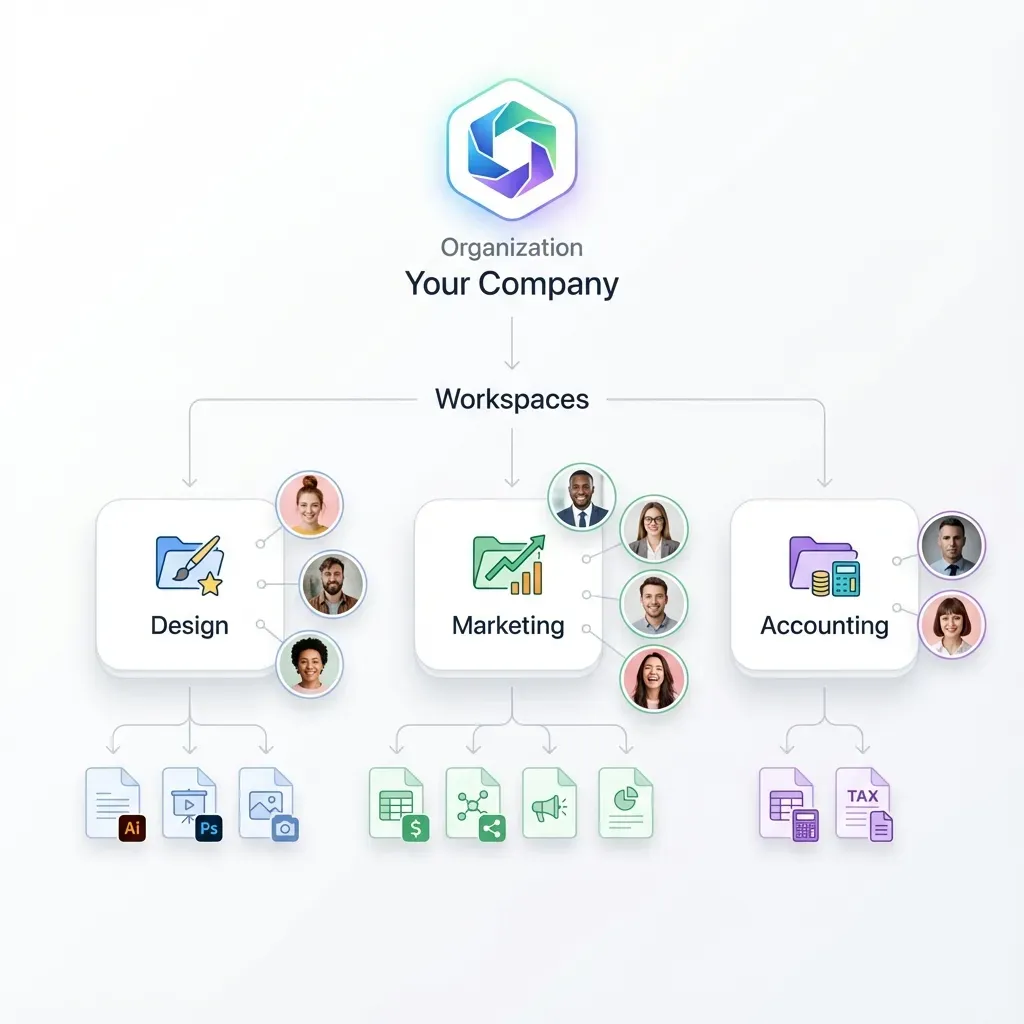
Fastio workspaces support this structure with nested folders, file versioning, and granular permissions at each level. When the monthly operating report gets updated, the previous version stays accessible in the version history rather than cluttering the folder with multiple copies.


Organize Your Bankruptcy Case Documents in One Workspace
Set up a secure data room with granular permissions, audit trails, and AI-powered document search. generous storage. Built for bankruptcy data room workflows.
Setting Up Access Controls for Each Stakeholder Group
Access control is where bankruptcy data rooms get complicated. Unlike M&A, where you have a buy side and a sell side, bankruptcy involves multiple parties with conflicting interests who each need different levels of access to the same document set.
Here are the typical permission tiers for a Chapter 11 data room:
Debtor-in-possession (full access)
The debtor's team, including management, restructuring counsel, and financial advisors, needs full read/write access. They upload documents, respond to information requests, and manage the data room structure. In practice, write access should be limited to the data room administrator and a small team, even within the debtor group.
Official Committee of Unsecured Creditors (broad read access)
The UCC and its advisors typically get read access to most financial and operational documents. They may be restricted from certain confidential commercial information, trade secrets, or documents subject to attorney-client privilege. The UCC's financial advisor often needs access to detailed financial models and projections that other creditors do not see.
Secured lender group (targeted access)
Secured creditors and their advisors need access to documents related to their collateral, cash collateral budgets, and DIP financing terms. They may not need access to operational details unrelated to their security interest, though this varies by case and negotiation.
Potential bidders (Section 363 sale access)
Bidders get access to the 363 Sale folder and selected financial and operational documents. Access is typically gated behind a confidentiality agreement (NDA). Bidders should not see other bidders' identities, bid amounts, or communications with the debtor about deal terms. Create a separate "clean room" folder for each qualified bidder if needed.
Court and U.S. Trustee (public filings access)
Court filings are public record, but the data room may contain draft filings or privileged communications. Provide the court and U.S. Trustee with access to final filed documents and required reports.
Fastio handles this with permission controls at the organization, workspace, folder, and individual file level. You can set up separate workspaces for each stakeholder group, or use folder-level permissions within a single workspace. Audit trails track who accessed which documents and when, which matters when privilege disputes arise or when the court questions whether proper disclosure was made.
For bidder access during a Section 363 sale, Fastio's branded share feature lets you create separate, password-protected portals for each qualified bidder. Each portal shows only the documents that bidder is authorized to see, with download controls and access expiration dates.

Step-by-Step Setup for a Chapter 11 Data Room
Here is a practical walkthrough for getting a bankruptcy data room operational. Most Chapter 11 cases need the data room ready within the first week of filing, so speed matters.
Step 1: Choose your platform and set up the workspace
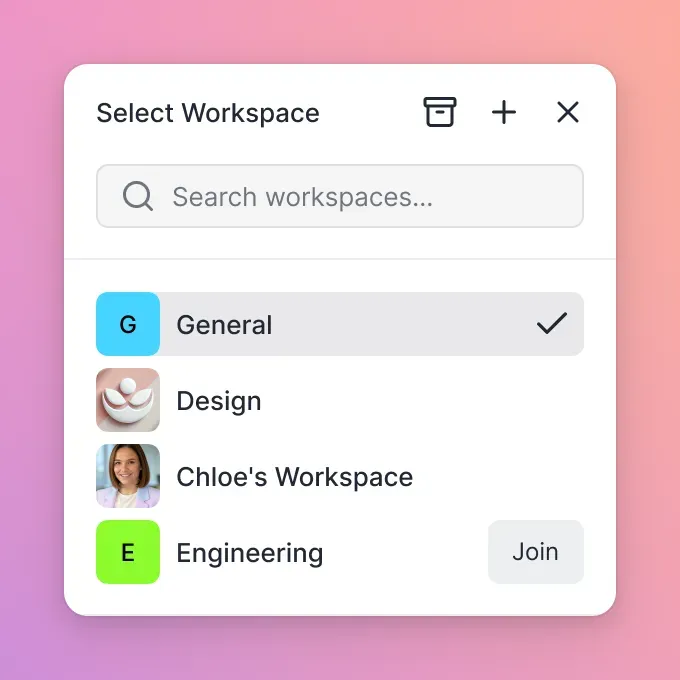
Pick a virtual data room provider that supports granular permissions, audit trails, and large document volumes. Create a primary workspace for the case. Name it with the case number and debtor name for easy identification: "In re Acme Corp, Case No. 26-12345."
Step 2: Build the folder structure
Create the top-level folders from the structure outlined above. Only build subfolders as you have documents to populate them. Empty folders create confusion about whether documents are missing or have not been uploaded yet.
Step 3: Upload the initial document set
Start with the documents filed on the petition date: the voluntary petition, first-day declarations, schedules (if filed simultaneously), and any emergency motions. Then add corporate records, recent financial statements, and material contracts. Prioritize documents that the creditor committee and secured lenders will request first.
Step 4: Set up permission groups
Create permission groups for each stakeholder category: debtor team, UCC and advisors, secured lender group, potential bidders, and court/trustee. Assign folder-level permissions to each group. Test access by logging in as a member of each group to verify they see only what they should.
Step 5: Distribute access credentials
Send login credentials to each authorized party with a brief guide explaining the folder structure, naming conventions, and how to request additional documents. Include the data room administrator's contact information for technical issues.
Step 6: Establish an update cadence
Set a schedule for regular uploads. Monthly operating reports go up within days of court filing. New motions and orders get uploaded within 24 hours. Financial projections and plan-related documents go up as they become available. Send notification emails when significant documents are added.
Step 7: Maintain the index and audit trail
Keep the master index document current. Review the audit trail weekly to confirm that access patterns match expectations. If a bidder who dropped out of the process is still accessing documents, revoke their credentials promptly.
One time-saver: if the debtor's existing documents are scattered across Google Drive, Dropbox, or other cloud storage, Fastio's cloud import feature can pull files directly without downloading and re-uploading. The original folder structure is preserved during import, which reduces the manual work of reorganizing documents.
Managing Ongoing Access and Common Pitfalls
Setting up the data room is the easy part. Keeping it organized and secure over the life of a bankruptcy case, which can run 12 to 24 months for a complex Chapter 11, is where most teams run into problems.
Privilege and confidentiality disputes. Documents uploaded to a data room can become the subject of discovery disputes. If privileged materials are accidentally shared with an adverse party, the privilege may be waived. Before uploading, run every batch through a privilege review. Mark privileged documents and restrict them to appropriate permission groups. If an inadvertent disclosure happens, act immediately: document the error, notify the receiving party, and seek a court order if necessary.
Stale documents. Financial projections and cash flow forecasts become outdated quickly in a bankruptcy case. Label time-sensitive documents with their effective date and replace them on a fixed schedule. Do not delete old versions. Creditors and courts may need to compare earlier projections to actual results. Version history in your data room platform handles this without folder clutter.
Bidder management during Section 363 sales. The auction process requires careful control of bidder access. Each qualified bidder should have access only to the due diligence materials specified in the bidding procedures order. Track which documents each bidder has reviewed, because this affects their ability to claim due diligence defenses later. When a bidder is eliminated or withdraws, revoke their access within hours, not days.
Creditor committee turnover. Committee members and their advisors change during a case. When a new member joins or an advisor is replaced, update permissions immediately. When someone leaves, revoke access on the same day. Delayed permission updates are a common security gap in long-running cases.
Document volume growth. A complex Chapter 11 case can generate thousands of documents. If your data room does not handle search well, parties waste hours looking for specific filings. Fastio's Intelligence feature indexes uploaded documents automatically, so creditor counsel can search across the entire document set by keyword or ask questions about specific filings using the built-in AI chat. This is particularly useful when a creditor committee advisor needs to quickly find all references to a specific contract or creditor across hundreds of filings.
Integration with PACER and court filing systems. Bankruptcy courts use PACER (Public Access to Court Electronic Records) for official filings. Your data room supplements PACER by providing organized access to non-public documents, work product, and materials that are not part of the court docket. Keep the data room and PACER filings cross-referenced so parties can easily move between the two systems.
Sources
References used to verify factual claims in this guide.
-
Commercial Chapter 11 filings reached 7,940 in calendar year 2025
-
Total bankruptcy filings in Calendar Year 2025 were 565,759, an eleven percent increase from 2024
Frequently Asked Questions
What documents go in a bankruptcy data room?
A bankruptcy data room typically contains corporate governance records, audited financial statements, monthly operating reports, bankruptcy schedules (A/B through H), the Statement of Financial Affairs, court filings and orders, material contracts, real property leases, insurance policies, and the creditor matrix. For Section 363 asset sales, you also include bidding procedures, the asset purchase agreement, and due diligence materials for potential buyers.
Do creditors get access to a data room?
Yes. In a Chapter 11 case, the official committee of unsecured creditors and its advisors typically receive broad read access to financial and operational documents. Secured creditors get access to documents related to their collateral and DIP financing. Access is permission-controlled so each creditor group sees only the documents relevant to their role in the case.
How do you set up a data room for Chapter 11?
Start by creating a workspace with a folder structure organized by document category (corporate records, financials, court filings, contracts, claims, plan documents). Upload the petition-day filings first, then add financial statements and material contracts. Set up permission groups for each stakeholder (debtor team, creditor committees, secured lenders, bidders). Distribute credentials with a guide to the folder structure, and establish a regular upload schedule for monthly operating reports and new filings.
How long should a bankruptcy data room stay active?
Keep the data room active through the entire case and for at least 90 days after the plan becomes effective or the case is closed. Some parties may need continued access during the plan implementation phase, and post-confirmation disputes can require reference to case documents. Secured creditors whose liens survive the plan may need ongoing access to collateral-related documents.
What is the difference between a bankruptcy data room and an M&A data room?
Bankruptcy data rooms serve multiple parties with competing interests (secured creditors, unsecured committees, bidders, the court), while M&A data rooms typically serve two sides working toward a deal. Bankruptcy rooms also require court-mandated disclosure schedules, support for dual-track proceedings (reorganization and asset sales), and more complex permission tiers. The document set is broader, including bankruptcy schedules, monthly operating reports, and claims registers that do not exist in standard M&A transactions.
Can bidders in a Section 363 sale access the full data room?
Bidders typically receive access only to a curated set of due diligence materials specified in the court-approved bidding procedures. They sign a confidentiality agreement before gaining access and should not see other bidders' identities or bid amounts. Most data room administrators create separate access portals or permission groups for each qualified bidder to prevent information leakage.
Related Resources

Organize Your Bankruptcy Case Documents in One Workspace
Set up a secure data room with granular permissions, audit trails, and AI-powered document search. generous storage. Built for bankruptcy data room workflows.