How to Use AI Agents for Logistics Optimization
AI agents in logistics automate routing, tracking, and inventory management in real-time. Companies use them to reduce costs, predict demand, and improve delivery times. This how-to guide explains use cases, benefits, step-by-step implementation, and how shared workspaces enable multi-agent teams to collaborate on complex supply chain tasks. Logistics operations face delays, stockouts, and rising costs.

What Are AI Agents in Logistics?
AI agents in logistics are autonomous software programs that handle tasks like route planning and inventory checks. They use machine learning to analyze data from sensors, GPS, and ERP systems. Unlike traditional software, agents act independently and learn from outcomes.
A single agent might optimize truck routes based on traffic. In practice, logistics needs groups of agents working together. One forecasts demand, another manages warehouse stock, and a third coordinates deliveries. Shared data access keeps them aligned.
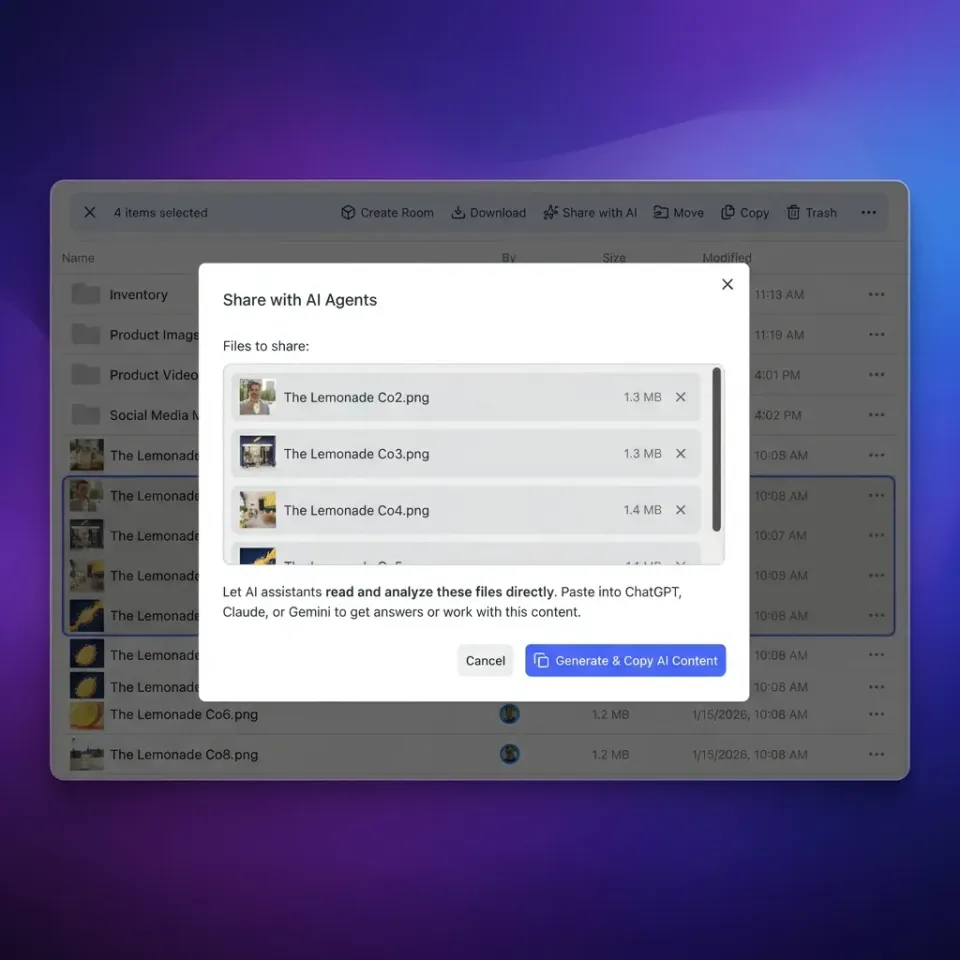
Fastio workspaces let agents store shipment manifests and inventory spreadsheets. Once Intelligence is enabled for the workspace, built-in RAG queries let agents ask questions across files with citations.
Helpful references: Fastio Workspaces, Fastio Collaboration, and Fastio AI.
Related guides
- How to Optimize Token Costs for AI AgentsRunning autonomous AI agents gets expensive. Production sessions can cost $10-100+ if you aren't careful.
- How to Integrate Keycloak with AI AgentsSecuring AI agents requires more than just API keys. As agent fleets grow, managing individual access becomes a complex...
- Autonomous AI Agent Tools: Essential Software for Building AI AgentsAutonomous AI agent tools are software platforms that enable developers to build, deploy, and manage self-directed AI...
- How to Build AI Agents for Batch ProcessingBatch processing lets AI agents handle repetitive work across thousands of files without you having to watch over them....
- How to Use AI Agents for Quality ControlAI agents handle quality control by automating inspections with computer vision and anomaly detection. They check...
- How to Use Cloudflare Durable Objects for AI AgentsCloudflare Durable Objects provide globally distributed, stateful compute instances that AI agents can use for session...
More on this subject: AI Agents: General Guides (190 guides)
Key Use Cases for AI Agents in Logistics
AI agents excel in repetitive, data-heavy tasks. Here are common applications.
Dynamic Route Optimization
Agents adjust delivery routes in real time using traffic, weather, and vehicle status. This cuts fuel use and speeds deliveries.
Inventory Management
Predictive agents forecast stock needs from sales data and trends. They reorder automatically to avoid shortages.
Fleet Maintenance
Agents monitor vehicle sensors for issues. They schedule repairs before breakdowns happen.
Demand Forecasting
Agents analyze historical sales, market events, and weather to predict orders. Accurate forecasts reduce overstock.
Supplier Coordination
Multi-agent systems negotiate with vendors. One agent checks prices, another terms, and they settle deals.
These cases show agents handling end-to-end logistics.



Build Agentic Logistics Workflows Today
Fastio gives teams shared workspaces, a consolidated MCP toolset, and searchable file context to run logistics workflows with reliable agent collaboration.
Benefits and Evidence from Real Deployments
AI agents deliver measurable gains. Teams report faster decisions and lower costs.
Cost savings come from optimized resources. McKinsey notes AI adds value across supply chains by automating planning.
Multi-agent setups amplify results. Agents share insights via the activity feed and file updates, preventing silos.
In Fastio workspaces, agents use a consolidated MCP toolset for file operations. Once Intelligence is enabled for the workspace, logistics docs are indexed for quick queries.
Step-by-Step Guide to Implementing AI Agents
Start small, then scale. Follow these steps.
Step 1: Collect Data
Gather shipment logs, GPS tracks, and sales records. Use Fastio URL import to pull from suppliers without local downloads.
Step 2: Design Agents
Build specialized agents and connect them to Fastio via the remote MCP server or REST API.
Step 3: Set Up Workspaces
Create Fastio workspaces for data sharing. Enable Intelligence for RAG search once files are uploaded.
Step 4: Integrate Tools
Connect to the remote MCP server at https://mcp.fast.io/mcp/tools (Streamable HTTP).
Step 5: Add Coordination
Acquire advisory file locks before updating route manifests or inventory tables so peer agents wait, and use activity polling or WebSocket events to trigger downstream actions.
Step 6: Test and Iterate
Run pilots on one route. Monitor with audit logs, then expand.
Start with a 14-day Business Trial requiring a credit card, or explore paid tiers on the pricing page.

Multi-LLM Flexibility
Agents work with Claude, GPT-4, or local models. MCP is LLM-agnostic.
Multi-Agent Collaboration in Logistics
Logistics demands teamwork among agents. A routing agent needs inventory data from a stock agent.
Shared workspaces solve this. Agents upload files to the same space humans use. Ownership transfer lets agents build setups then hand off.
Advisory file locks coordinate edits when multiple logistics agents update manifests, backed by automatic version history, while polling the activity feed or WebSocket events feed triggers rapid reactions like rerouting.
Competitors overlook this. Fastio fills the gap with agent-first design.
Common Challenges and Fixes
Data quality issues slow agents. Clean inputs with preprocessing agents.
Integration hurdles arise. Use REST API for ERP links.
Cost concerns exist. Start with a 14-day Business Trial, then scale with usage credits across Starter, Business, or Enterprise plans.
Security matters. Granular permissions and audit logs protect data.
Document access rules, audit trails, and retention policies before rollout so staging results are repeatable in production. This avoids late surprises and helps teams debug issues with confidence.
Frequently Asked Questions
What are AI agents in logistics?
AI agents are autonomous programs that optimize logistics tasks like routing and inventory. They process data in real time and adapt to changes.
What benefits do AI agents bring to supply chains?
They cut costs, improve on-time delivery, and predict demand accurately. Multi-agent systems coordinate for end-to-end efficiency.
How do multi-agent logistics systems work?
Agents specialize in tasks and share data via workspaces. The activity feed, WebSocket events, version history, and granular permissions ensure smooth collaboration.
Can AI agents work alongside existing logistics software?
Yes, via APIs and MCP tools. Fastio provides a consolidated MCP toolset for file and workspace operations.
What is the cost of AI agents for logistics?
Fastio offers Starter at $9.99/mo (3 seats, 250 GB, 100,000 credits/mo), Business ($49.99/mo), and Enterprise ($199.99/mo), with a 14-day Business Trial requiring a credit card.
Related Resources

Build Agentic Logistics Workflows Today
Fastio gives teams shared workspaces, a consolidated MCP toolset, and searchable file context to run logistics workflows with reliable agent collaboration.