How to Architect Terraform Infrastructure for AI Agents
Autonomous AI agents need infrastructure that's reproducible and scales. This guide explains how to use Terraform to set up compute, security, and persistent memory for reliable production use.

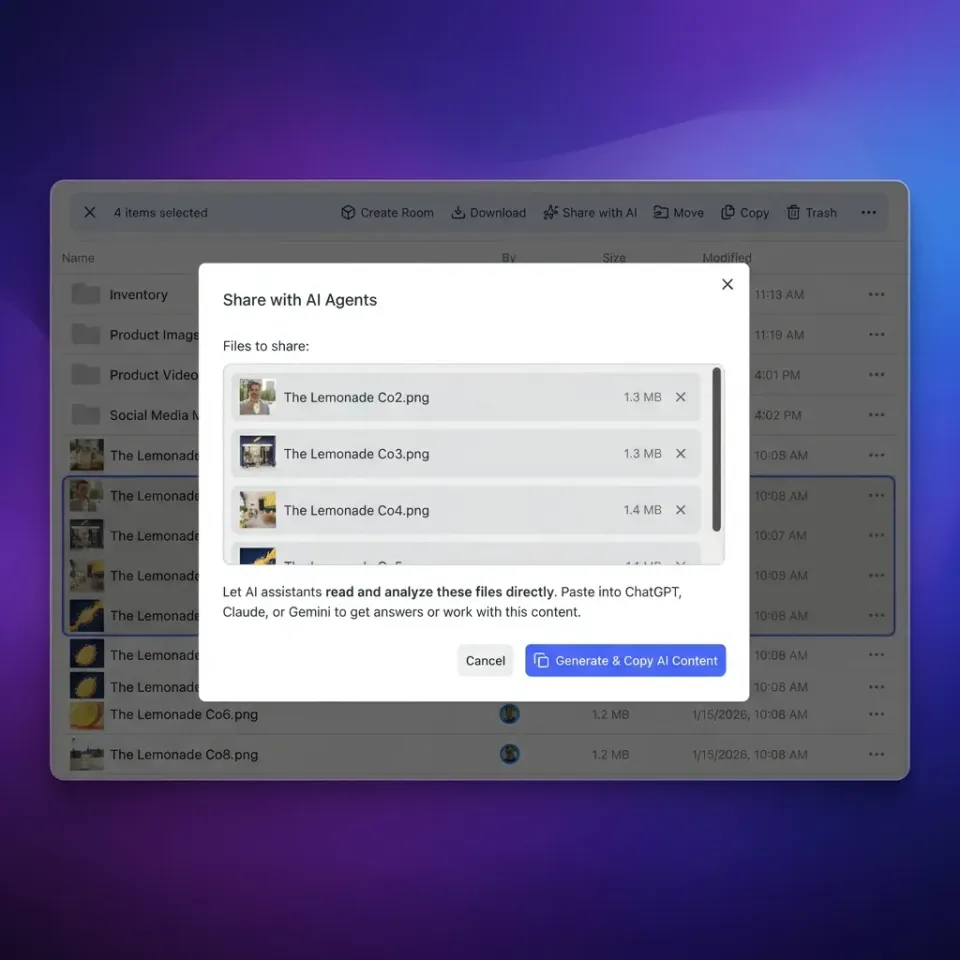
Why AI Agents Need Specialized Infrastructure
Terraform builds repeatable setups for AI agents. It replaces one-off scripts with reliable production environments. Simple chatbots can run on a laptop. Production agents need compute, networking, and persistent storage.
multiple% of developers use Terraform for infrastructure as code. Agent infrastructure complexity has risen multiple% as AI systems move to production. The AI infrastructure market is growing at 30% annually.
Agents work differently from web apps. Key differences affect infrastructure:
Long-running processes. Agents handle tasks that take hours or days. Account for timeouts, health checks, and restarts.
State needs. Agents remember context across runs. They recover from external storage after crashes.
Tool access. Agents use APIs and files securely, like users with limited permissions.
Terraform codes the full stack as IaC. Treat agents as replaceable. If problems occur, destroy and rebuild. This fits the unpredictable nature of AI.
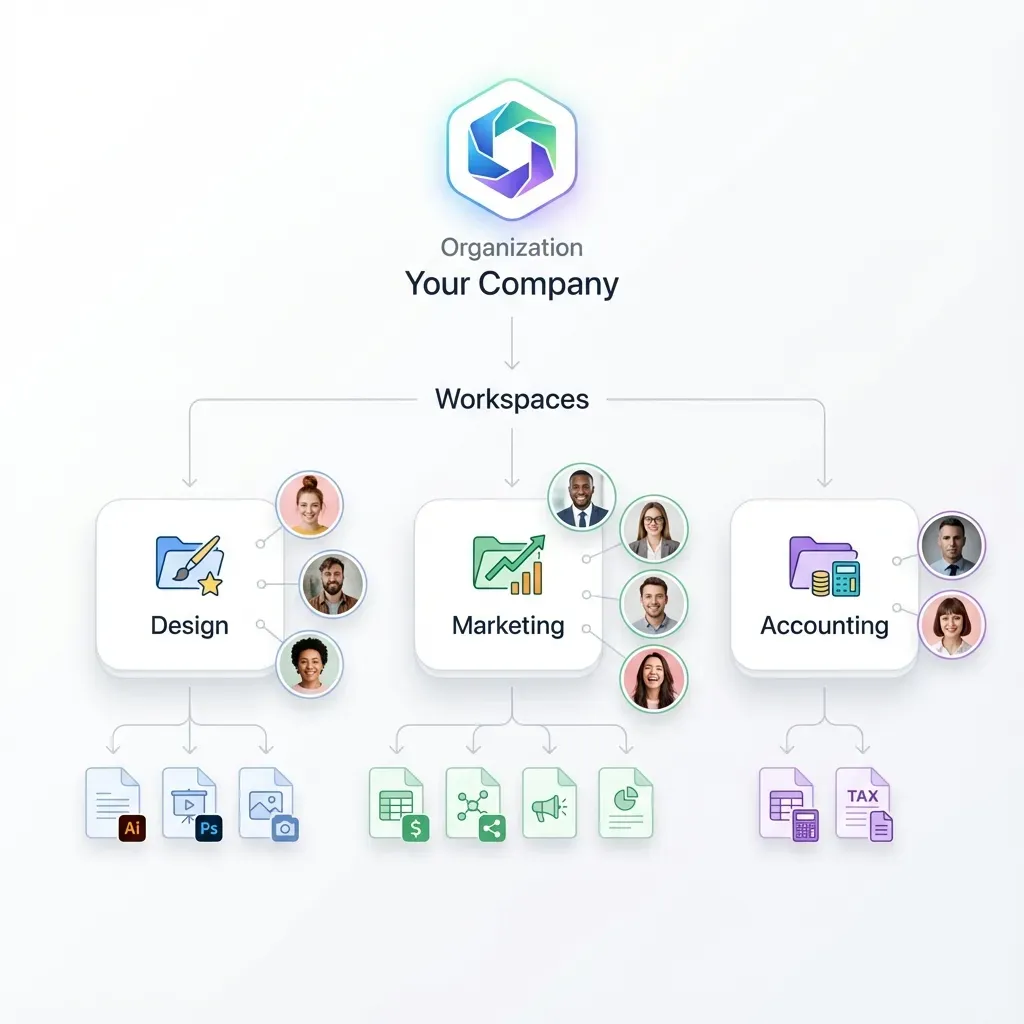
Helpful references: Fastio Workspaces, Fastio Collaboration, and Fastio AI.
Related guides
- How to Automate AI Agent InfrastructureAI agent infrastructure automation helps you scale agent workflows from one bot to thousands. Most teams focus on...
- Top AI Agent Infrastructure Stacks for DevelopersChoosing the right infrastructure is the difference between a prototype and a production agent. We analyze the top...
- How to Integrate AI Agents with Argo CDAI agent Argo CD integration enables autonomous continuous deployment management through GitOps principles. Agents can...
- How to Build an AI Agent Service Mesh: A Guide for 2026As enterprises deploy more autonomous agents, managing their communication becomes critical. An AI agent service mesh...
- How to Master AI Agent Job Scheduling for Production WorkflowsAI agent job scheduling enables autonomous agents to execute tasks on predefined schedules while maintaining context...
- How to Build an AI Agent Knowledge Vault for Secure StorageAn AI agent knowledge vault is a centralized, secure storage system designed specifically for autonomous agents....
More on this subject: Agent Infrastructure and Deployment (55 guides)
Core Components of Agent Infrastructure
Agent environments have three layers. Address each to keep agents functional.
Compute Layer
The compute layer executes agent code, LLM calls, and tools such as LangChain, AutoGen, or CrewAI.
Container Orchestration Kubernetes handles scaling and resilience. Provision EKS with Terraform:
module "eks" {
  source  = "terraform-aws-modules/eks/aws"
  version = "~> 19.0"

cluster_name    = "ai-agent-cluster"
  cluster_version = "multiple.30"

vpc_id     = module.vpc.vpc_id
  subnet_ids = module.vpc.private_subnets

eks_managed_node_group_defaults = {
    ami_type = "AL2_x86_64"
  }

eks_managed_node_groups = {
    general = {
      min_size     = 1
      max_size     = 5
      desired_size = 2

instance_types = ["m5.large"]
    }
  }
}
GPU for Inference Add GPU nodes for heavy models:
gpu_nodes = {
  min_size     = 0
  max_size     = 3
  desired_size = 0

instance_types = ["g5.xlarge"]
  capacity_type  = "ON_DEMAND"
}
}
Install NVIDIA drivers with a DaemonSet post-deployment.
Serverless Alternatives AWS Lambda for event-driven agents, but watch multiple-minute limit and cold starts. Use Fargate for container serverless without cluster management.
Networking Layer
Secure networking isolates agents and enables tool calls.
VPC Setup Create isolated network:
module "vpc" {
  source  = "terraform-aws-modules/vpc/aws"
  version = "~> 5.0"

name = "ai-agent-vpc"
  cidr = "10.0.0.0/16"

azs             = ["us-west-2a", "us-west-2b"]
  private_subnets = ["multiple.0.1.0/24", "10.0.2.0/24"]
  public_subnets = ["multiple.0.101.0/24", "10.0.102.0/24"]

enable_nat_gateway = true
  enable_vpn_gateway = false
}
Security Groups Restrict inbound to health checks only. Outbound to LLM APIs (HTTPS), Fastio (mcp.fast.io), databases.
Service Mesh Istio or Linkerd for mTLS between microservices/agents. Terraform providers available for installation.
Memory Layer
Agents require durable memory beyond container lifecycle.
Short-term Memory Redis or ElastiCache for sessions and context:
module "redis" {
  source  = "aws-ia/terraform-aws-elasticache-redis/aws"
  version = "0.49.0"

name               = "ai-agent-redis"
  number_cache_clusters = 1
  node_type          = "cache.t4g.micro"
  engine_version = "multiple.1"
  parameter_group_name = "default.redis7.1.cluster"
  port               = 6379
  subnet_ids         = module.vpc.private_subnets
}
Long-term Persistent Storage Decouple from compute with network filesystems or object storage. For AI agents, use Fastio workspaces:
- Starter plan from $9.99/mo; monthly plans start with a trial of up to 14 days (credit card required).
- MCP tools for file ops from any cloud.
- Built-in RAG when Intelligence Mode enabled. Output API keys/secrets from Terraform, inject as env vars.
Avoid EFS/EBS for multi-AZ sharing issues.
Step-by-Step: Provisioning an Agent Environment
Follow this step-by-step workflow to provision a complete AI agent environment with Terraform. We'll use AWS as example, adaptable to GCP/Azure.
Step 1: Configure Providers and Backend Lock versions and use remote state:
terraform {
  required_version = ">= multiple.5"
  required_providers {
    aws = {
      source  = "hashicorp/aws"
      version = "~> 5.40"
    }
  }

backend "s3" {
    bucket         = "ai-agent-tf-state"
    key            = "terraform.tfstate"
    region         = "us-west-2"
    dynamodb_table = "terraform-locks"
  }
}
Step 2: Build Networking Foundation VPC with private/public subnets (code shown earlier).
Security groups:
- Ingress: multiple from VPC for health.
- Egress: LLM endpoints, Fastio MCP.
Step 3: Deploy Compute Cluster EKS module (example above). Add IAM roles for agent pods to access secrets/Redis.
Step 4: Add Persistent Storage Outputs for Fastio:
output "fastio_workspace_url" {
  value = "https://fast.io/workspace/agent-data"
}

output "fastio_api_key" {
  value = nonsensitive(data.aws_secretsmanager_secret_version.fastio_key.secret_string)
  sensitive = true
}
Agents use MCP tools: storage (action list) and upload_manage (action stream-upload).
Step 5: Implement Monitoring and Observability CloudWatch logs for pods, Prometheus for custom metrics (tokens used, task latency).
resource "aws_cloudwatch_log_group" "agents" {
  name              = "/aws/eks/ai-agent-cluster/agents"
  retention_in_days = 14
}
Alert on high error rates or token overspend. Integrate LangSmith for agent traces.


Give Your AI Agents Persistent Storage
Fastio offers shared workspaces, MCP tools, and searchable file context for agent Terraform infrastructure workflows with reliable handoffs.
Solving the State and Memory Problem
Recreating infrastructure with Terraform can wipe agent memory. Here's how to avoid that.
Block Storage Limits
EBS or Azure
Disks tie data to zones. Sharing between agents is hard (mostly ReadWriteOnce). This leads to waste and failures.
Fastio for Agents
Fastio provides a filesystem built for agents. Storage stays separate from compute.
Access via MCP or APIs from any host.
Intelligence Mode indexes files for RAG. No need for Pinecone or pipelines.
Workspace owns files. New agents get instant access.
Keep Terraform stateless. Pass Fastio keys as env vars.
Managing Secrets and Identity
Agents require API keys and connection strings. Never hardcode them in Terraform.
Secret managers: AWS Secrets Manager or Vault. Reference as data sources.
IAM roles for containers with least privilege.
Dynamic secrets from Vault for short-lived access.
Fastio API keys can be scoped to an organization, workspace or share. Limits damage if compromised.
Scaling Multi-Agent Systems
Scale to swarms with Terraform reusability.
Modular Design Create reusable modules:
- agent-container: Pod spec, env vars.
- observability: Prometheus, Grafana.
Orchestration ALB or Consul for discovery. HPA:
apiVersion: autoscaling/v2
kind: HorizontalPodAutoscaler
spec:
  scaleTargetRef:
    kind: Deployment
  metrics:
  - type: Resource
    resource:
      name: cpu
      target:
        type: Utilization
        averageUtilization: 50
Cost Savings
Define agent interfaces (tools, memory schema) for safe scaling. Pilot with multiple agents, monitor drift with terraform plan.
Define clear tool contracts and fallback behavior so agents fail safely when dependencies are unavailable. This improves reliability in production workflows.
Terraform Modules and Community Resources
Use Terraform Registry modules for agent infra.
Official Modules
- terraform-aws-modules/eks/aws
- aws-ia/redis/aws
- hashicorp/vault/aws
Custom Modules Build for patterns:
- agent-memory: Redis + Fastio outputs.
- llm-inference: GPU cluster + model registry.
Publish private modules in Terraform Cloud. Version with semantic tags.
Example local module structure:
modules/
├── agent/
│   ├── main.tf
│   ├── variables.tf
│   └── outputs.tf
Pin versions to avoid drift.
Integrating Fastio for Decoupled Storage
Fastio solves state persistence without coupling to infra.
Why Decoupled? Compute scales independently. Terraform provisions infra, Fastio handles files.
Setup
- Create workspace via API or UI (monthly plans start with a Business Trial of up to 14 days).
- Create an API key scoped to that workspace.
- Output as SSM/Secrets Manager.
- Agents use MCP:
upload_manage action=stream-upload filename=artifact.json content=...(plus the workspace'sprofile_typeandprofile_id, and aparent_node_idsuch asroot)
RAG Ready Enable Intelligence Mode: Files auto-indexed, query via chat with citations.
Benefits: Ownership transfer to humans, an activity feed over WebSocket or long-poll, file locks for multi-agent.
Example agent config: env: FASTIO_TOKEN: "{{ secrets.fastio_token }}" WORKSPACE_URL: "https://fast.io/storage-for-agents/"
Troubleshooting and Best Practices
Common pitfalls and fixes.
State Issues
- Lock conflicts: Use DynamoDB backend.
- Drift: Run
terraform planin CI/CD.
Agent Failures
- Memory leaks: Externalize to Redis/Fastio.
- Rate limits: Circuit breakers, queues.
Best Practices
- GitOps: Terraform in repo, apply via GitHub Actions.
- Testing: Terratest for unit, Inframap for smoke.
- Multi-cloud: Terragrunt wrappers.
- Security: OPA policies on plans.
Review weekly: Cost, uptime, token usage.
Document access rules, audit trails, and retention policies before rollout so staging results are repeatable in production. This avoids late surprises and helps teams debug issues with confidence.
Sources
References used to verify factual claims in this guide.
-
AI infrastructure market growing at a 30% annual rate
Frequently Asked Questions
Why use Terraform instead of Ansible for AI agents?
Terraform provisions infrastructure from scratch declaratively. Ansible configures existing servers. Terraform fits containerized agents best.
How do I handle state for ephemeral AI agents?
Connect to persistent storage like Fastio or S3. Data survives instance destruction.
Does Terraform support GPU provisioning?
Yes. Specify GPU instance types on AWS p3/p4, GCP TPUs, etc.
Can I use Terraform to manage AI models?
Terraform handles infra like ECR storage. Use MLflow for models.
What is the best way to secure agent API keys?
Secrets managers. Inject at runtime as env vars.
How to integrate Fastio with Terraform-provisioned agents?
Output workspace URL and token from Terraform to Kubernetes secrets. Agents use MCP tools for file operations, ensuring persistence across infra changes.
Can Terraform provision multi-cloud AI agent infra?
Yes, using providers for AWS/GCP/Azure. Use Terragrunt for DRY config across clouds. Fastio works provider-agnostically via API.
Related Resources

Give Your AI Agents Persistent Storage
Fastio offers shared workspaces, MCP tools, and searchable file context for agent Terraform infrastructure workflows with reliable handoffs.