How to Build Shared Knowledge Graphs for Multi-Agent Systems
A knowledge graph for shared context gives AI agents a structured way to store facts that multiple agents can use at once. By building a shared memory based on a graph, teams can reduce LLM hallucinations and help agents finish complex tasks much faster. This guide explains the four main parts of an agent knowledge graph and shows how to keep that memory active across different sessions using tools like Fastio and the Model Context Protocol (MCP).

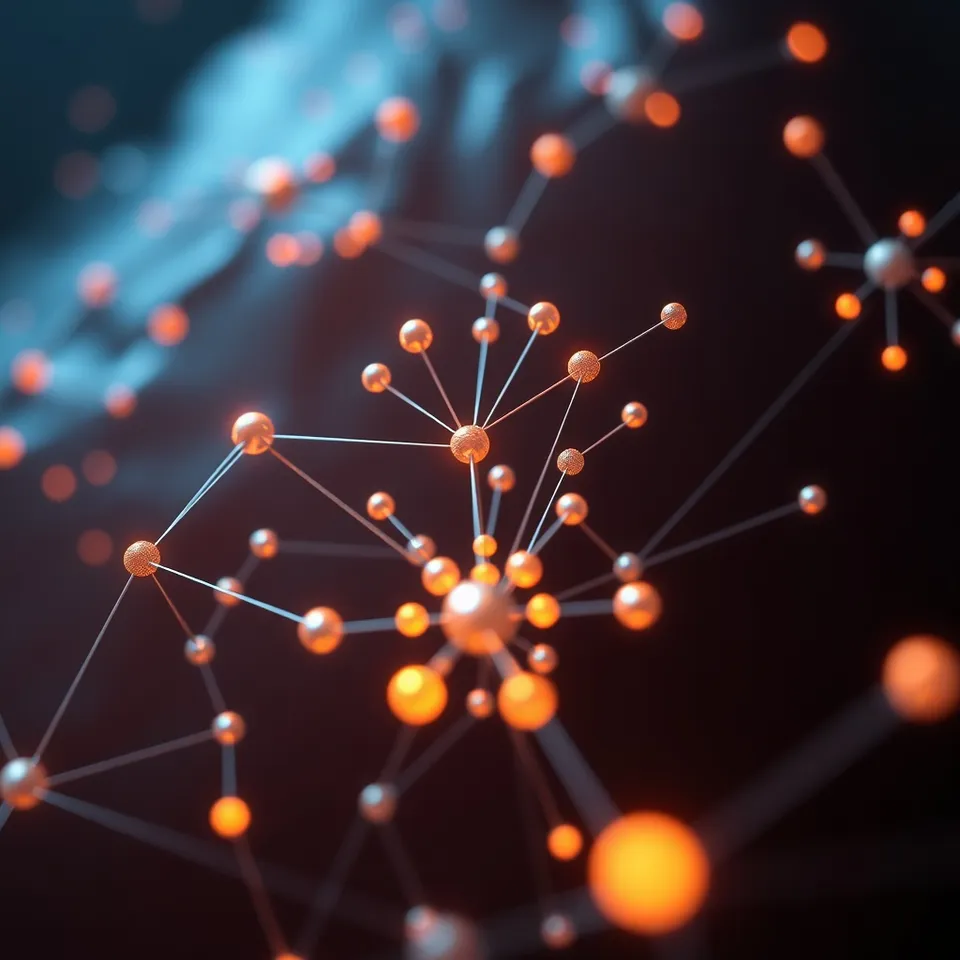
What is an AI Agent Knowledge Graph?
A knowledge graph for shared context is a structured map of facts and relationships that multiple agents can read and update. This creates a lasting memory that stays consistent across different interactions. Traditional vector databases rely on flat chunks of text, but a knowledge graph organizes data into nodes for entities and edges for the links between them.
This structure helps agents understand the logic behind data instead of just finding similar words. In a customer support system, for example, one agent might note that a user is "unhappy" because of a "delayed shipment" on "Order #1042." Any other agent that talks to that user later will have this context immediately. They won't have to scan through thousands of lines of old chat logs to figure out what happened.
The 4 Parts of an Agent Knowledge Graph
To build a working shared memory layer, you need these four components:
- Entity Store: This is the database where you define specific objects like users, tasks, and files with unique IDs.
- Relationship Index: A map showing how those entities connect. It might show which agent is working on a specific task or which document a rule comes from.
- Context Retrieval Layer: The logic that picks out the specific part of the graph an agent needs for its current prompt.
- Update Protocol: A set of rules that lets agents add new facts or fix conflicting information on their own.
Helpful references: Fastio Workspaces, Fastio Collaboration, and Fastio AI.
Related guides
- How to Build Distributed Knowledge Graphs for AI AgentsDistributed knowledge graphs for AI agents store structured data that multiple agents can share. This setup lets agents...
- How to Build an AI Agent Knowledge Vault for Secure StorageAn AI agent knowledge vault is a centralized, secure storage system designed specifically for autonomous agents....
- Best AI Knowledge Management Tools for Teams in 2026AI knowledge management tools organize and retrieve organizational knowledge using natural language, semantic search,...
- How to Build an AI Agent Service Mesh: A Guide for 2026As enterprises deploy more autonomous agents, managing their communication becomes critical. An AI agent service mesh...
- How to Build an AI Agent Data Enrichment PipelineMost data enrichment pipelines connect to a single API and stop there. An AI agent enrichment pipeline chains multiple...
- How to Build AI Agent GitOps WorkflowsAI agent GitOps workflows use autonomous agents to manage declarative infrastructure from Git repositories. Traditional...
More on this subject: Agent Infrastructure and Deployment (55 guides)
Why Multi-Agent Systems Need Shared Context
Multi-agent systems often struggle with "context drift." When agents pass info back and forth like a game of telephone, details get lost and the models start making things up. A shared knowledge graph fixes this by providing a single source of truth that every agent can check.
The results are easy to measure. Research shows that using knowledge graphs can cut LLM hallucinations by up to 50%. When you ground the model's reasoning in a clear graph structure, you stop the LLM from guessing at relationships that aren't actually there.
Also, systems that share a knowledge base finish complex tasks three times faster. This happens because agents don't have to repeat work. If Agent A solves one part of a problem and saves the logic in the graph, Agent B can just pick up where they left off instead of starting the research phase over again.



Build Your Multi-Agent Memory
Get persistent cloud storage, a consolidated MCP toolset, and built-in intelligence to power your agent knowledge graphs. Ideal for multi-agent context.
How Agents Share and Update a Common Graph
A shared knowledge graph is powerful when it stays dynamic. In a good multi-agent setup, agents aren't just reading data. They are actively adding to what the whole system knows.
Updating Graphs in Real-Time
As an agent works, like when it analyzes a contract or fixes a bug, it finds new facts. Using the Model Context Protocol (MCP), the agent can use a tool to update the graph instantly. This builds a living memory that gets more useful the more it's used.
Handling Conflicts and Data Origins
When many agents update the same graph, they will eventually disagree. One agent might see Fact A, while another sees Fact B. A reliable system handles this by tracking where data comes from. Every node in the graph should have a tag showing which agent created it and when.
This metadata helps the system decide which info to trust, often based on which update is newer or which agent is an expert in that area. You can also link back to the original document to verify the facts.
Keeping Memory Alive Between Sessions
Standard LLM sessions are temporary. When the chat ends, the memory is gone. By moving that context to a graph stored in a workspace, you give your agents long-term memory. You can turn agents off and restart them weeks later, and they will still know exactly where the project stands because they can query the graph as soon as they wake up.
Setting Up Graph Memory with Fastio and MCP
Building a shared knowledge graph from scratch is a big job. Fastio makes it easier by handling the layer where agents and people work together.
Consolidated MCP Toolset for Agents
Fastio provides multiple MCP tools that let agents manage files, build workspaces, and change metadata through code. In a graph setup, these tools bridge the gap between the LLM and the storage. Agents use them to structure graph nodes, acquire advisory file locks during updates so other agents can wait, and maintain version-tracked revisions.
The workspace also includes Intelligence Mode, which automatically indexes files to provide the raw data for the graph. Agents can even use the URL Import tool to bring data from Google Drive or Dropbox into the shared context without needing local storage.
Using Event Feeds for Active Workflows
A graph shouldn't just sit there. A smart workspace reacts to changes. Fastio activity feed polling and WebSocket events let you trigger agent actions the moment the shared context is updated. For example, if a research agent adds a new market risk to the graph, an event stream notification can tell a risk-assessment agent to start analyzing it immediately.
The Business Trial
If you are just starting to build multi-agent systems, Fastio offers a 14-day Business Trial requiring a credit card. It allows teams to test persistent workspaces, RAG indexing, and agent tooling before selecting a plan. See /pricing/ for details.
Evidence and Results for Graph-Augmented Agents
Moving from simple text search to graph-based memory is supported by clear industry data. Benchmarks show that "GraphRAG" is much better at complex reasoning, especially when an agent needs to connect info across many different documents.
Key Performance Metrics
Research from Microsoft and FalkorDB shows that using GraphRAG can lead to fewer factual errors. By keeping LLMs focused on the specific links in a graph, the models are less likely to make up connections.
Also, multi-agent systems with shared memory recover from mistakes much faster. Some systems recover more often because they can trace the logic back through the graph to find where things went wrong. For companies, this can mean a better return on investment because agents succeed more often and use fewer tokens.

Best Practices for Shared Agent Context
To keep your knowledge graph organized and useful, try following these patterns:
- Set Clear Rules for Data: Before you start your agents, decide on the core terms they should use. This stops one agent from writing "client" while another writes "customer," which would make the graph messy.
- Target Specific Sub-Graphs: Don't give an agent the entire graph in every prompt. Just show it the nodes that are a few steps away from its current task. This keeps the context window clean and lowers your costs.
- Use Human-Agent Handoffs: Use Fastio's ownership transfer feature to let agents build out a workspace and then hand it to a human for a final check.
- Clean the Graph Often: Use a "janitor agent" to find nodes that aren't connected to anything or to remove facts that are out of date.
These steps help you build a system where agents don't just work together, they actually get smarter over time.
Sources
References used to verify factual claims in this guide.
-
Knowledge graphs can reduce LLM hallucinations by up to 50% when used as grounding context
-
Multi-agent systems with shared knowledge bases show 3x better task completion rates
-
300% ROI in automation for enterprise teams implementing shared knowledge bases
Frequently Asked Questions
How do AI agents share context with each other?
AI agents share context by using a central memory layer, like a knowledge graph or a shared workspace. Instead of passing long chat logs, they store facts as structured data that other agents can look up whenever they need them.
What is the difference between RAG and knowledge graphs for agents?
Standard RAG uses keyword searches to find text. Knowledge graphs map the actual links between things, like showing that 'Person A' works for 'Company B.' This lets agents reason through complex problems better than just searching for text.
How do you build a shared knowledge base for multiple agents?
You need a storage layer like Fastio, a way for agents to talk like MCP, and a structured format like a knowledge graph. Agents use tools to update memory, and event feeds notify agents as soon as data changes.
How does a knowledge graph reduce LLM hallucinations?
A knowledge graph provides a solid set of verified facts and links. When an LLM is told to only use these facts, it can't invent its own stories, which has been shown to reduce errors.
Can multiple agents update a knowledge base at the same time?
Yes, using advisory file locks. Fastio lets agents acquire a lock before updating a file so others can wait, while automatic file version history ensures concurrent writes never overwrite data without a recovery path.
Related Resources

Build Your Multi-Agent Memory
Get persistent cloud storage, a consolidated MCP toolset, and built-in intelligence to power your agent knowledge graphs. Ideal for multi-agent context.